
adult
US / əˈdʌlt, ˈædʌlt/
UK /ˈædʌlt/
- Noun (Countable/Uncountable)
- Person or animal that is fully grown
- A fully grown animal.
- Adjective
- Being fully grown; mature; no longer a teenager
- Containing sexually explicit material.
A2TOEICMoreall the things
US
UK
- Pronoun
- Everything; all items or aspects
- Determiner
- Every item or object being considered or discussed.
A1Moreallow for
US
UK
- Verb (Transitive/Intransitive)
- To take into consideration
A1Moreanswer to
US
UK
- Phrasal Verb
- To be responsible to someone and have to explain your actions to them.
- To correspond to or match a description or requirement.
A1Moreat a time
US /æt e taɪm/
UK /æt ə taim/
- Phrase
- Separately; one by one
- Simultaneously; together
A1Moreat home
US /æt hom/
UK /æt həum/
- Phrase
- In one's own residence or country.
- Adjective
- Feeling comfortable and relaxed.
at most
US /æt most/
UK /æt məust/
- Adverb
- Not more than; a maximum of.
- Phrase
- Used to indicate an upper limit or maximum quantity.
A1Moreat some point
US /æt sʌm pɔɪnt/
UK /æt sʌm pɔint/
- Phrase
- At an unspecified time, usually in the future.
A1Moreat stake
US /æt stek/
UK /æt steik/
- Phrase
- At risk; that can be lost if something is not successful
- In question; depending on what happens
- Adjective
- At risk; that can be lost if something is not successful.
A1Moreat work
US /æt wɚk/
UK /æt wə:k/
- Phrase
- Located at one's place of employment
A1Morebased on
US
UK
- Phrasal Verb
- To use something as the foundation or starting point for something else.
- Preposition
- Using something as the main idea or foundation.
- Relying on something as evidence or justification.
A1Morebehind the scenes
US
UK
- Phrase
- Secretly or without being known to the public.
- In a position to influence events without any public knowledge.
A1Morebreak up
US /brek ʌp/
UK /breik ʌp/
- Phrase
- Phrasal Verb
- (Of party, relationship) to come to an end
- To end something, e.g. a fight
A1Morebreaks down
US
UK
- Phrasal Verb
- To forcibly break, destroy or make collapse
- (Machine) to stop working or become weaker
A1Morebring down
US /brɪŋ daʊn/
UK /briŋ daun/
- Phrasal Verb
- To destroy (government, etc.) forcefully
- To kill someone, often with a gun
A1Moreby nature
US /baɪ ˈnetʃɚ/
UK /bai ˈneitʃə/
- Adverb
- Inherently; by one's character or disposition.
- Phrase
- Inherently; by one's natural disposition or character.
- According to its essential characteristics; intrinsically.
A2Morecarry on
US /ˈkæri ɑn/
UK /ˈkæri ɔn/
- Phrasal Verb
- To engage in an activity, e.g. a conversation
- To continue or keep doing something
- Verb (Transitive/Intransitive)
- To continue doing something
A1Morecatastrophe
US /kəˈtæstrəfi/
UK /kə'tæstrəfɪ/
- Noun (Countable/Uncountable)
- Very bad disaster causing much suffering, etc.
- A complete failure; a fiasco.
B2Morecharacter
US /ˈkærəktɚ/
UK /'kærəktə(r)/
- Noun
- Person in a story, movie or play
- Writing symbols, e.g. alphabet or Chinese writing
A2Morecharming
US
UK
- Adjective
- Being very likable; attractive
- Transitive Verb
- To cause others to like you or do what you want
A2Moreclose up
US /kloz ʌp/
UK /kləuz ʌp/
- Countable Noun
- A photograph or film shot taken of a subject at close range.
- Adverb
- To move nearer to someone or something.
A1Morecome along
US /kʌm əˈlɔŋ/
UK /kʌm əˈlɔŋ/
- Phrasal Verb
- To go with someone who takes the lead
- To make progress toward a goal
A1Morecome back
US /kʌm bæk/
UK /kʌm bæk/
- Phrasal Verb
- To reply to someone, often forcefully
- To be remembered
A1Morecome by
US /kʌm baɪ/
UK /kʌm bai/
- Phrasal Verb
- To become the owner of something, e.g. by accident
- To visit someone
A1Morecome from
US /kʌm frʌm/
UK /kʌm frɔm/
- Phrasal Verb
- To have as your native country or city
A1Morecome up with
US /kʌm ʌp wɪð/
UK /kʌm ʌp wið/
- Phrasal Verb
- To think of an idea or solution; produce
A1Morecome upon
US /kʌm əˈpɑn/
UK /kʌm əˈpɔn/
- Phrasal Verb
- To accidentally find; discover something
A1Morecontrary to
US /ˈkɑnˌtrɛri tu/
UK /ˈkɔntrəri tu:/
- Preposition
- In opposition to; against.
- Differing from; not in agreement with.
A1Morecouple
US /ˈkʌpəl/
UK /'kʌpl/
- Transitive Verb
- To join something to something else
- (Two animals) to engage in sexual relations
- Noun (Countable/Uncountable)
- Two people in a romantic relationship
- Two of something; two people; a pair
A2Morecrazy
US /ˈkrezi/
UK /'kreɪzɪ/
- Adjective
- Mentally ill; mad
- Not being sensible or practical
- Noun
- Person acting in a manner that is strange and odd
A2Moredeeply
US /ˈdiplɪ/
UK /ˈdi:pli/
- Adverb
- To a significant degree
- To a great, intense or extreme extent
A2Moredisagree with
US /ˌdɪsəˈɡri wɪð/
UK /ˌdisəˈɡri: wið/
- Phrasal Verb
- To have a different opinion from someone else.
- Intransitive Verb
- To cause someone to feel ill or uncomfortable.
A1Moredisaster
US /dɪˈzæstɚ, -ˈsæs-/
UK /dɪ'zɑ:stə(r)/
- Noun (Countable/Uncountable)
- State of extreme ruin and misfortune
- A complete failure.
- Uncountable Noun
- A situation that has gone terribly wrong.
A2Moredistinctive
US /dɪˈstɪŋktɪv/
UK /dɪˈstɪŋktɪv/
- Adjective
- Having a quality that is different from others
- Having a quality or characteristic that makes a person or thing different from others; easily distinguishable.
A2TOEICMoredistort
US /dɪˈstɔrt/
UK /dɪ'stɔ:t/
- Transitive Verb
- To change the shape, appearance, or sound
- To exaggerate the truth or fact, e.g. to deceive
B1Moredo in
US
UK
- Phrasal Verb
- To make completely tired out and exhausted
- To destroy or cause damage to someone
A1Moredown with
US /daʊn wɪð/
UK /daun wið/
- Adjective
- Suffering from an illness.
- Agreeable to; in favor of.
- Interjection
- An expression of opposition to something.
A1Moredrop down
US /drɑp daʊn/
UK /drɔp daun/
- Phrasal Verb
- To go to a lower place, rank
A1Moreemphasis
US /ˈɛmfəsɪs/
UK /ˈemfəsɪs/
- Uncountable Noun
- Special attention, importance, or force
- Stress placed on part of a word or phrase
A2TOEICMoreessentially
US /ɪˈsenʃəli/
UK /ɪˈsenʃəli/
- Adverb
- Basically; (said when stating the basic facts)
- Used to emphasize the basic truth or fact of a situation.
A2Moreetcetera
US
UK
- Adverb
- More of the same; and so on
- Noun
- A list of things of the same kind.
B1Moreexcept for
US /ɪkˈsɛpt fɔr/
UK /ikˈsept fɔ:/
- Preposition
- Not including; excluding.
excitement
US /ɪkˈsaɪtmənt/
UK /ɪkˈsaɪtmənt/
- Uncountable Noun
- When people feel very happy and enthusiastic
- Something that causes great enthusiasm and eagerness.
A2Moreexpression
US /ɪkˈsprɛʃən/
UK /ɪk'spreʃn/
- Noun (Countable/Uncountable)
- Act of making your thoughts and feelings known
- Group of words that have a specific meaning
A2TOEICMorefeed into
US
UK
- Phrasal Verb
- To have an influence on something or form a part of it
B1Morefight back
US /faɪt bæk/
UK /fait bæk/
- Phrasal Verb
- To make your point more strongly against opponent
A1Morefor long
US
UK
- Phrase
- For a considerable period of time.
- For a significant duration in the future.
A1Morefor the sake of
US /fɔr ði sek ʌv/
UK /fɔ: ðə seik ɔv/
- Phrase
- For the purpose of; in the interest of.
A1Moreget at
US /ɡɛt æt/
UK /ɡet æt/
- Phrasal Verb
- To criticize someone, often personally
- To imply something; hint at
A1Moreget through
US /ɡɛt θru/
UK /ɡet θru:/
- Phrasal Verb
- To arrive at the end of or finish something
- To succeed in contacting someone by phone
A1Moreget together
US /ɡɛt təˈɡɛðɚ/
UK /ɡet təˈɡeðə/
- Phrasal Verb
- To gather, or come together for some purpose
- To start a romantic relationship.
- Verb (Transitive/Intransitive)
- To meet for social or recreational purposes.
- To start a romantic relationship.
A1Morego back to
US /ɡo bæk tu/
UK /ɡəu bæk tu:/
- Phrasal Verb
- To return to a starting point
A1Morego for it
US /ɡo fɔr ɪt/
UK /ɡəu fɔ: it/
- Interjection
- An expression of encouragement or approval.
- Intransitive Verb
- To try to achieve something; to make an attempt.
A1Morego on
US /ɡo ɑn/
UK /ɡəu ɔn/
- Phrasal Verb
- To continue doing something
- To happen (usually negative)
- Interjection
- Used to encourage someone
A1Morego out
US /ɡo aʊt/
UK /ɡəu aut/
- Phrase
- To leave a building (e.g. a house)
- Phrasal Verb
- (Of a fire) to burn out; be extinguished
- Go out of fashion to stop being fashionable
A1Moregoes well
US
UK
- Phrasal Verb
- To happen in the way desired
- Intransitive Verb
- To be successful or satisfactory; to turn out favorably.
- To be harmonious or matching; to look good together.
A1Moregoing on
US /ˈɡoɪŋ ɑn/
UK /ˈgəʊɪŋ ɔn/
- Phrasal Verb
- To continue doing something
- To happen (usually negative)
A1Moregot to
US /ɡɑt tu/
UK /gɔt tu:/
- Verb (Transitive/Intransitive)
- To arrive at some place
- To have the opportunity or permission to do something
- Phrasal Verb
- To appeal to the emotions of; move
- To finally begin to start something after a delay
A1Morehang on
US /hæŋ ɑn/
UK /hæŋ ɔn/
- Phrasal Verb
- To wait for the person you phoned to answer
- To persevere or persist, especially in a difficult situation.
A2Morehappen on
US /ˈhæpən ɑn/
UK /ˈhæpən ɒn/
- other
- To find or discover by accident.
B2Morehave to
US /hæv tu/
UK /ˈhæv tə/
- Auxiliary Verb
- Must do
A1Morehead out
US /hɛd aʊt/
UK /hed aut/
- Phrasal Verb
- To leave a place; depart
A1Morehigh expectations
US
UK
- Phrase
- A strong belief that something will happen or be the case in the future; a high degree of anticipation.
- Demanding standards or requirements that are set for someone or something.
B1Morehumour
US /ˈhjumɚ/
UK /ˈhju:mə(r)/
- Uncountable Noun
- Quality that makes something funny
- The quality that makes something funny
- Transitive Verb
- To pretend to agree, so people don't get upset
B1Moreidiot
US /ˈɪdiət/
UK /'ɪdɪət/
- Noun
- A person who is foolish or not very smart
B2Morein a mess
US /ɪn ə mes/
UK /ɪn ə mes/
- other
- Being in a state of disorder or untidiness.
B1Morein a minute
US
UK
- Phrase
- Very soon; in a short amount of time.
- Within the duration of one minute.
A1Morein a sense
US /ɪn e sɛns/
UK /in ə sens/
- Phrase
- In one way of thinking; to some extent; in some ways.
B1Morein action
US
UK
- Phrase
- Actively doing something; performing a task or duty.
in danger
US /ɪn ˈdendʒɚ/
UK /in ˈdeindʒə/
- Phrase
- Exposed to the risk of harm, injury, or loss.
- At risk of experiencing something negative or harmful.
A1Morein fact
US /ɪn fækt/
UK /in fækt/
- Adverb
- Used to emphasize the truth of a statement, especially one that contrasts with or contradicts something else.
- Used to introduce a more detailed or surprising piece of information.
- Phrase
- Used to emphasize the truth of a statement, especially one that is surprising or contrary to what might be expected.
C1Morein hand
US /ɪn hænd/
UK /in hænd/
- Phrase
- In one's possession or control.
in love with
US //ɪn lʌv wɪð//
UK
- Adjective
- Feeling romantic love for someone.
- Extremely enthusiastic about or fond of something.
A1Morein mind
US /ɪn maɪnd/
UK /in maind/
- Phrase
- Being aware of or considering something.
- To remember or consider something.
A2Morein need
US /ɪn nid/
UK /in ni:d/
- Phrase
- Not having the necessary things, such as food
A1Morein order to
US /ɪn ˈɔrdɚ tu/
UK /in ˈɔ:də tu:/
- Preposition
- For the purpose of; with the aim of.
- Phrase
- In a specific sequence or arrangement.
- With the aim of; for the purpose of.
C1Morein other words
US
UK
- Phrase
- Stating something in a different way, often to make it clearer or more understandable.
in particular
US /ɪn pɚˈtɪkjəlɚ/
UK /in pəˈtikjulə/
- Phrase
- Specifically; especially.
- Detailed or precise.
A1Morein the bedroom
US /ɪn ði ˈbɛdˌrum/
UK /ɪn ði ˈbedru:m/
- other
- Located or happening inside the bedroom.
A1Morein the end
US /ɪn ði ɛnd/
UK /in ðə end/
- Phrase
- Finally; after a period of time or series of events.
- Ultimately; as the final result or consequence.
A1Morein the first place
US
UK
- Phrase
- To begin with; as the first point or consideration.
- From the beginning; initially.
A1Morein the way
US /ɪn ði we/
UK /in ðə wei/
- Phrase
- Obstructing someone or something; hindering progress.
- Stored or placed so as to be available or ready when needed.
A1Morein the world
US /ɪn ði wɜrld/
UK /in ðə wɜː(r)ld/
- Phrase
- Used to emphasize a question expressing surprise, confusion, or disbelief.
- Used to indicate the extent or degree of something, often in a superlative sense.
A1Moreincredibly important
US
UK
- Adjective
- Extremely significant or crucial.
A1Moreinsist
US /ɪnˈsɪst/
UK /ɪn'sɪst/
- Transitive Verb
- To demand that someone do something
- Intransitive Verb
- To strongly state your opinion without changing it
A2TOEICMoreinstinct
US /ˈɪnˌstɪŋkt/
UK /'ɪnstɪŋkt/
- Noun
- Natural way of thinking; intuition
- Natural way (person or animal) thinks, behaves
B1Moreinterest of
US
UK
- Phrase
- For the benefit or advantage of someone or something.
- A feeling of wanting to know or learn about something or someone.
- Noun
- A legal share or right in something.
A1Morejealousy
US /ˈdʒɛləsi/
UK /ˈdʒeləsi/
- Uncountable Noun
- Unhappy feeling of wanting what someone else has
B1Moreknow about
US /noʊ əˈbaʊt/
UK /nəʊ əˈbaut/
- Phrasal Verb
- To have information or understanding of a subject or situation.
last person
US
UK
- Noun
- The individual who is the final one in a sequence or group.
- The individual who is the least likely to do something or be in a particular situation.
A1Morelaundry
US /ˈlɔndri, ˈlɑn-/
UK /'lɔ:ndrɪ/
- Noun (Countable/Uncountable)
- Business or room to wash bed sheets, clothes etc.
- Clothes etc., that are to be washed, already washed
B2Moreleft and right
US
UK
- Adverb
- In both the left and right directions.
- Everywhere; in all directions.
- Noun
- Referring to both liberal and conservative political viewpoints.
- Two opposing options or directions.
A1Moreleper
US /'lepər/
UK /ˈlepə(r)/
- Noun
- Person who carries the leprosy disease
C1Morelight up
US /laɪt ʌp/
UK /lait ʌp/
- Phrasal Verb
- To illuminate something; to make something brighter with light.
- To ignite a cigarette, cigar, or pipe for smoking.
A1Morelive through
US /liv θru/
UK /liv θru:/
- Phrasal Verb
- To experience something difficult or painful and survive it.
A2Morelook around
US /lʊk əˈraʊnd/
UK /luk əˈraund/
- Phrasal Verb
- To explore a place; search for something.
A1Morelook at
US /lʊk æt/
UK /luk æt/
- Phrasal Verb
- To use your eyes to focus on something
- To focus your eyes on something carefully
A1Morelook away
US /lʊk əˈwe/
UK /luk əˈwei/
- Phrasal Verb
- To turn your eyes in a different direction, especially because you are embarrassed, frightened, or upset.
A2Morelook back
US /lʊk bæk/
UK /luk bæk/
- Phrasal Verb
- To think about past events
A1Morelook to
US
UK
- Phrasal Verb
- Be looking to. be planning to (do something)
- To expect someone to do something for you; rely on
A1Moremake with
US
UK
- Phrasal Verb
- To offer or provide something, often quickly or unexpectedly.
marriage
US /ˈmærɪdʒ/
UK /ˈmærɪdʒ/
- Noun
- Relationship between a husband and a wife
- A wedding ceremony
A2Morematurity
US /məˈtʃʊrəti/
UK /məˈtʃʊərəti/
- Uncountable Noun
- Time at which an investment is ready to be paid
- State of being fully grown or developed
A2Moremuch about
US /mʌtʃ əˈbaʊt/
UK /mʌtʃ əˈbaut/
- Phrase
- A lot of information or knowledge concerning something.
- To a great extent or degree regarding something; caring.
A1Moremutual
US /ˈmjutʃuəl/
UK /'mju:tʃʊəl/
- Adjective
- Shared between two or more people
- Possessed or held in common.
- Noun
B1Morenag
US /næɡ/
UK /næg/
- Verb (Transitive/Intransitive)
- To annoy someone by constantly complaining
B1Morenecessarily
US /ˌnɛsɪˈsɛrəli, -ˈsɛr-/
UK /ˌnesəˈserəli/
- Adverb
- In a way that is needed/required/is unavoidable
A2TOEICMorenext to
US /nɛkst tu/
UK /nekst tu:/
- Preposition
- Being located along side another
- In comparison with
- Adverb
- Almost; nearly
A1Morenotion
US /ˈnoʃən/
UK /ˈnəuʃən/
- Noun
- Sudden idea or desire to do something
B1TOEICMorenowadays
US /ˈnaʊəˌdez/
UK /ˈnaʊədeɪz/
- Adverb
- At the present time; now
- Noun
- The current period of time; the present.
A2Moreof choice
US /əv tʃɔɪs/
UK /əv tʃɔɪs/
- other
- Indicating something is preferred or selected deliberately.
B2Moreof course
US /ʌv kɔː(r)s/
UK /ɔv kɔː(r)s/
- Adverb
- Sure ; Certainly
- Phrase
- For sure; certainly
A2Moreof interest
US /əv ˈɪntrɪst/
UK /əv ˈɪntrəst/
- other
- Relevant or important to someone or something.
B2Moreon board
US /ɑn bɔrd/
UK /ɔn bɔ:d/
- Phrase
- Being on a ship, plane, or other vehicle
- Adverb
- On or in a ship, aircraft, train, or other vehicle
A1Moreon earth
US /ɑn ɚθ/
UK /ɔn ə:θ/
- Phrase
- Used to emphasize a question expressing surprise or anger.
- Used to emphasize that something is not possible or will not happen.
A1Moreon edge
US /ɑn ɛdʒ/
UK /ɔn edʒ/
- Adjective
- Anxious, nervous, or irritable.
- Tense and easily upset.
B1Moreon horseback
US /ɑn ˈhɔrˌsbæk/
UK /ɒn ˈhɔ:sbæk/
- other
- Riding a horse or sitting astride a horse.
B1Moreon paper
US /ɑn ˈpeɪpər/
UK /ɔn ˈpeipə/
- Phrase
- In theory or as a plan, but not necessarily in reality.
- Recorded in writing; documented.
A1Moreon the floor
US
UK
- Phrase
- Located on the ground or bottom surface of a room.
- Actively participating in dancing or other floor-based activities.
A1Moreon the ground
US
UK
- Phrase
- Located on the surface of the earth.
- Present and available in a particular place, especially to deal with a situation.
on the horizon
US
UK
- Idiom
- About to happen; approaching.
A1Moreon the other side of
US /ɑn ði ˈʌðɚ ˈsaɪd ʌv/
UK /ɒn ði ˈʌðə ˈsaɪd ɒv/
- Preposition
- Located across something from a given point.
A2Moreon the whole
US /ɑn ði hol/
UK /ɔn ðə həul/
- Phrase
- Considering everything; generally.
- In summary; taking everything into consideration.
A1Moreon to
US /ɑn tu/
UK /ɔn tu:/
- Preposition
- Toward something; forward
- Aware of someone's activities.
- Adjective
- Aware of someone's deception or illegal activities.
A1Moreone of those things
US /wʌn əv ðoʊz θɪŋz/
UK /wʌn əv ðəuz θɪŋz/
- other
- An unfortunate but unavoidable event.
B2Moreother than
US
UK
- Preposition
- Except for; apart from.
- Conjunction
- Different from.
A1Moreout there
US /aʊt ðɛr/
UK /aut ðɛə/
- Adverb
- In or to a place that is far away
- Existing in the universe
- Adjective
- Unconventional; strange; avant-garde
- Existing or available.
A1Moreoutside of
US /aʊtˈsaɪd ʌv/
UK /ˌautˈsaid ɔv/
- Preposition
- Located or situated beyond the boundaries or confines of something.
- Beyond the scope, range, or limits of something.
A1Morepartner
US /ˈpɑrtnɚ/
UK /'pɑ:tnə(r)/
- Noun (Countable/Uncountable)
- One you have a business/personal relationship with
- Someone you have personal relationship with
- Intransitive Verb
- To join with others for work or other activity
A2Morepractical
US /ˈpræktɪkəl/
UK /ˈpræktɪkl/
- Adjective
- Relating to what is sensible, real or useful
- Relating to experience, action, or practice; not theoretical or ideal.
- Noun
- A practical exam or lesson.
- A person concerned chiefly with the practice of something; a person with practical skills.
A2TOEICMoreproblematic
US /ˌprɑbləˈmætɪk/
UK /ˌprɒbləˈmætɪk/
- Adjective
- Being difficult to deal with or fix
- Of a doubtful or uncertain nature.
B2Moreput aside
US
UK
- Phrasal Verb
- To save money regularly.
- To temporarily ignore or forget something, such as a disagreement or problem.
A1Moreramp up
US /ræmp ʌp/
UK /ræmp ʌp/
- Phrasal Verb
- To increase the level or amount of something sharply.
rather than
US
UK
- Adverb
- More exactly; more correctly
- Preferably; instead
- Preposition
- Instead of
A1Morerelationship
US /rɪˈleʃənˌʃɪp/
UK /rɪˈleɪʃnʃɪp/
- Noun (Countable/Uncountable)
- Connection between two or more people or things
- Way people interact or live with each other
A2TOEICMoreromantic
US /roʊˈmæntɪk/
UK /rəʊˈmæntɪk/
- Adjective
- Relating to courtship or love
- Being impractical, unrealistic, or idealistic
- Noun (Countable/Uncountable)
- People who like love, candlelit dinners, etc.
- Person living in a fantasy-like world not reality
A2Morerule of thumb
US /rul ʌv θʌm/
UK /ru:l ɔv θʌm/
- Noun (Countable/Uncountable)
- A practical and approximate way of doing or measuring something.
- A broadly accurate guide or principle, based on practice rather than theory.
A1Morerun in
US /rʌn ɪn/
UK /rʌn in/
- Phrasal Verb
- To arrest person and take them to police station
- To drive engine slowly until ready for normal use
A1Morerun through
US
UK
- Phrasal Verb
- To pierce with a sharp pointed object
- To practice or rehearse quickly, e.g. for a play
A1Moresearch for
US /sɚtʃ fɔr/
UK /sə:tʃ fɔ:/
- Phrasal Verb
- To try to find someone or something.
B1Moreset up
US /sɛt ʌp/
UK /set ʌp/
- Phrasal Verb
- To make arrangements for something; establish
- Verb (Transitive/Intransitive)
- To arrange or prepare something for use.
- To start a business, organization, etc.
A1Moresex
US /sɛks/
UK /seks/
- Noun
- State of being male or female
- Physical activity by which we produce babies
A2Moreshut up
US /ʃʌt ʌp/
UK /ʃʌt ʌp/
- Phrasal Verb
- To close something, e.g. a shop
- To (cause someone to) be silent or not speak
- Interjection
- An expression of disbelief or surprise
A2Moresign over
US /saɪn ˈoʊvɚ/
UK /saɪn ˈəuvə/
- other
- To transfer ownership or rights by signing a document.
B2Moresoul
US /sol/
UK /səʊl/
- Noun
- Central or basic part of something
- Strong, deep emotion in speech or performance
A2Morespell it out
US /spɛl ɪt aʊt/
UK /spel ɪt aʊt/
- other
- To explain something clearly and in detail.
B1Morespend more time
US
UK
- Phrase
- To dedicate a greater amount of time to a particular activity or person.
A1Morestamped out
US
UK
- Phrasal Verb
- To get rid of or make disappear
C1Morestep to
US
UK
- Phrasal Verb
- To approach someone or something, often with a specific purpose.
- To challenge or confront someone, often aggressively.
A1Morestick with
US /stɪk wɪð/
UK /stik wið/
- Phrasal Verb
- To continue to support or stay loyal to someone or something.
- To continue doing or using something; to persevere.
A1Moresuch as
US /sʌtʃ æz/
UK /sʌtʃ æz/
- Preposition
- For example; like
A1Moreswipe
US /swaɪp/
UK /swaɪp/
- Transitive Verb
- To pass a magnetic card through a digital reader
- To hit someone with a big wild swing
C1Moretake on
US /tek ɑn/
UK /teik ɔn/
- Phrasal Verb
- To acquire a new characteristic
- To accept a new responsibility, role
A1Moretalking about
US
UK
- Phrasal Verb
- To discuss a particular topic.
- To be constantly mentioning or bringing up a subject.
A1Morethe following
US
UK
- Adjective
- Next in order or sequence.
- Uncountable Noun
- What is about to be said or written.
B1Morethink of
US /θɪŋk ʌv/
UK /θiŋk ɔv/
- Phrasal Verb
- To look on as (being something specific); consider
- To consider or remember something.
- Verb (Transitive/Intransitive)
- To imagine or call something to mind
A1Morethrilling
US / ˈθrɪlɪŋ/
UK /ˈθrɪlɪŋ/
- Intransitive Verb
- To feel sudden excitement or pleasure
- Adjective
- Causing excitement or sudden intense pleasure
A2Morethrough with
US
UK
- Phrase
- Having had enough (of trouble); wanting to stop
A1Morethrow away
US
UK
- Phrasal Verb
- To fail to take advantage of a good chance
- To put things in the trash
A1Moreto a great extent
US /tə ə ˌgreɪt ɪkˈstɛnt/
UK /tə ə ˌgreit ikˈstent/
- other
- Mostly or largely; to a significant degree.
B2Moreto date
US /tu det/
UK /tu: deit/
- Phrase
- Up to the present time; until now.
- Verb (Transitive/Intransitive)
- To go out on romantic dates with someone.
C2Moreto do with
US
UK
- Phrasal Verb
- To be about something; concern
A1Moreto some extent
US /tu sʌm ɪkˈstɛnt/
UK /tu: sʌm iksˈtent/
- Phrase
- Partially; not completely.
A1Moreto the point
US /tu ði pɔɪnt/
UK /tu: ðə pɔint/
- Adjective
- Expressing something directly and without unnecessary detail.
- Phrase
- Relevant and pertinent to the matter at hand.
A2Moretogether with
US /təˈɡɛðɚ wɪð/
UK /təˈɡeðə wið/
- Preposition
- In addition to; along with.
- Including; as well as.
A1Moreturn to
US /tɚn tu/
UK /tə:n tu:/
- Phrasal Verb
- To go to someone for help, advice, or information.
- To start doing or using something, often something bad or undesirable.
A1Moreunder control
US /ˈʌndɚ kənˈtrol/
UK /ˈʌndə kənˈtrəul/
- Adjective
- Being managed or restrained; not out of hand.
- Having one's emotions or impulses restrained.
- Phrase
- A situation that is being managed effectively.
C1Morevarieties of
US
UK
- Phrase
- Different kinds or types of something.
- A range of different things.
A2Morevision
US /ˈvɪʒən/
UK /'vɪʒn/
- Uncountable Noun
- Ability to see; eyesight
- Something you see in your imagination or dreams
A2Morewalk through
US /wɔk θru/
UK /wɔ:k θru:/
- Phrasal Verb
- To show someone carefully how to do something
A1Morewant in
US
UK
- Intransitive Verb
- To desire to participate or be included in something.
A1Morewant out
US
UK
- Phrasal Verb
- To desire to withdraw or escape from a situation, agreement, or commitment.
A1Morewhole point
US
UK
- Phrase
- The main purpose or most important aspect of something.
- The primary reason or objective.
A2Morewith it
US /wɪð ɪt/
UK /wið it/
- Adjective
- Intelligent, alert, and up-to-date.
- Understanding and knowledgeable about current trends or information.
A1Morewithout knowing
US
UK
- Phrase
- Unaware; without being conscious of something.
- Unintentionally; without meaning to do something.
work out
US /wɚk aʊt/
UK /wə:k aut/
- Phrasal Verb
- To find a way to do something, by thinking
A1Morework through
US
UK
- Phrasal Verb
- To deal with something systematically until it is completed
- To deal with a problem or difficult situation.
Vocabulary
- of course: Sure ; Certainly
- got to: To arrive at some place
- have to: Must do
- on the floor: Located on the ground or bottom surface of a room.
- look at: To use your eyes to focus on something
- take on: To acquire a new characteristic
- think of: To look on as (being something specific); consider
- know about: To have information or understanding of a subject or situation.
- much about: A lot of information or knowledge concerning something.
- in a sense: In one way of thinking; to some extent; in some ways.
- by nature: Inherently; by one's character or disposition.
- on board: Being on a ship, plane, or other vehicle
- search for: To try to find someone or something.
- rather than: More exactly; more correctly
- come from: To have as your native country or city
- out there: In or to a place that is far away
- in order to: For the purpose of; with the aim of.
- get together: To gather, or come together for some purpose
- get through: To arrive at the end of or finish something
- on the whole: Considering everything; generally.
- in the way: Obstructing someone or something; hindering progress.
- to do with: To be about something; concern
- hang on: To wait for the person you phoned to answer
- high expectations: A strong belief that something will happen or be the case in the future; a high degree of anticipation.
- with it: Intelligent, alert, and up-to-date.
- talking about: To discuss a particular topic.
- in other words: Stating something in a different way, often to make it clearer or more understandable.
- outside of: Located or situated beyond the boundaries or confines of something.
- come by: To become the owner of something, e.g. by accident
- close up: A photograph or film shot taken of a subject at close range.
- in mind: Being aware of or considering something.
- at home: In one's own residence or country.
- come back: To reply to someone, often forcefully
- in the bedroom: Located or happening inside the bedroom.
- in the world: Used to emphasize a question expressing surprise, confusion, or disbelief.
- turn to: To go to someone for help, advice, or information.
- shut up: To close something, e.g. a shop
- at some point: At an unspecified time, usually in the future.
- disagree with: To have a different opinion from someone else.
- at stake: At risk; that can be lost if something is not successful
- in love with: Feeling romantic love for someone.
- together with: In addition to; along with.
- all the things: Everything; all items or aspects
- to some extent: Partially; not completely.
- break up
- behind the scenes: Secretly or without being known to the public.
- in the end: Finally; after a period of time or series of events.
- without knowing: Unaware; without being conscious of something.
- other than: Except for; apart from.
- in hand: In one's possession or control.
- happen on: To find or discover by accident.
- incredibly important: Extremely significant or crucial.
- for long: For a considerable period of time.
- on to: Toward something; forward
- live through: To experience something difficult or painful and survive it.
- in the first place: To begin with; as the first point or consideration.
- put aside: To save money regularly.
- work out
- sign over: To transfer ownership or rights by signing a document.
- in particular: Specifically; especially.
- spend more time: To dedicate a greater amount of time to a particular activity or person.
- want out: To desire to withdraw or escape from a situation, agreement, or commitment.
- stamped out: To get rid of or make disappear
- answer to: To be responsible to someone and have to explain your actions to them.
- come upon: To accidentally find; discover something
- make with: To offer or provide something, often quickly or unexpectedly.
- do in: To make completely tired out and exhausted
- set up
- on paper: In theory or as a plan, but not necessarily in reality.
- except for: Not including; excluding.
- whole point: The main purpose or most important aspect of something.
- based on: To use something as the foundation or starting point for something else.
- go out: To leave a building (e.g. a house)
- carry on: To engage in an activity, e.g. a conversation
- on the ground: Located on the surface of the earth.
- through with: Having had enough (of trouble); wanting to stop
- goes well: To happen in the way desired
- on horseback: Riding a horse or sitting astride a horse.
- down with: Suffering from an illness.
- in a minute: Very soon; in a short amount of time.
- get at: To criticize someone, often personally
- feed into: To have an influence on something or form a part of it
- the following: Next in order or sequence.
- next to: Being located along side another
- allow for: To take into consideration
- on earth: Used to emphasize a question expressing surprise or anger.
- look away: To turn your eyes in a different direction, especially because you are embarrassed, frightened, or upset.
- interest of: For the benefit or advantage of someone or something.
- in action: Actively doing something; performing a task or duty.
- to the point: Expressing something directly and without unnecessary detail.
- on edge: Anxious, nervous, or irritable.
- ramp up: To increase the level or amount of something sharply.
- on the other side of: Located across something from a given point.
- bring down: To destroy (government, etc.) forcefully
- contrary to: In opposition to; against.
- one of those things: An unfortunate but unavoidable event.
- at work: Located at one's place of employment
- come up with: To think of an idea or solution; produce
- on the horizon: About to happen; approaching.
- walk through: To show someone carefully how to do something
- in need: Not having the necessary things, such as food
- left and right: In both the left and right directions.
- want in: To desire to participate or be included in something.
- run in: To arrest person and take them to police station
- come along: To go with someone who takes the lead
- head out: To leave a place; depart
- varieties of: Different kinds or types of something.
- going on: To continue doing something
- in a mess: Being in a state of disorder or untidiness.
- under control: Being managed or restrained; not out of hand.
- stick with: To continue to support or stay loyal to someone or something.
- in danger: Exposed to the risk of harm, injury, or loss.
- rule of thumb: A practical and approximate way of doing or measuring something.
- look around: To explore a place; search for something.
- work through: To deal with something systematically until it is completed
- throw away: To fail to take advantage of a good chance
- run through: To pierce with a sharp pointed object
- go for it: An expression of encouragement or approval.
- spell it out: To explain something clearly and in detail.
- drop down: To go to a lower place, rank
- at most: Not more than; a maximum of.
- to date: Up to the present time; until now.
- look to: Be looking to. be planning to (do something)
- light up: To illuminate something; to make something brighter with light.
- for the sake of: For the purpose of; in the interest of.
- step to: To approach someone or something, often with a specific purpose.
- go back to: To return to a starting point
- of choice: Indicating something is preferred or selected deliberately.
- go on: To continue doing something
- breaks down: To forcibly break, destroy or make collapse
- at a time: Separately; one by one
- such as: For example; like
- look back: To think about past events
- last person: The individual who is the final one in a sequence or group.
- to a great extent: Mostly or largely; to a significant degree.
- in fact: Used to emphasize the truth of a statement, especially one that contrasts with or contradicts something else.
- of interest: Relevant or important to someone or something.
- fight back: To make your point more strongly against opponent
- love: Person's name
- person: Man, woman or child
- kind: In a caring and helpful manner
- people: Persons sharing culture, country, background, etc.
- feel: To be aware of or experience an emotion, sensation
- time: Speed at which music is played; tempo
- adult: Person or animal that is fully grown
- learn: To get knowledge or skills by study or experience
- question: To ask for or try to get information
- teach: To help someone learn or do something
- money: Coins or notes we use to pay for things
- life: All the living things e.g. animals, plants, humans
- lot: What happens to a person in life from chance; fate
- age: To keep food, wine for a long time to improve it
- problem: Something difficult to deal with or causes trouble
- etcetera: More of the same; and so on
- partner: One you have a business/personal relationship with
- nature: Person's character or particular way of behaving
- bit: Device put in a horse's mouth to control it
- perfect: So good it cannot be improved
- special: Being additional or extra
- term: Conditions applying to an agreement, contract
- point: An item to be discussed
- crazy: Mentally ill; mad
- piece: A counter in a board game
- moment: Very short or brief period of time
- soul: Central or basic part of something
- broken: To create a new record e.g. running the 100m dash
- sort: To organize things by putting them into groups
- true: Agreeing with the facts; not false; real or actual
- romantic: Relating to courtship or love
- marriage: Relationship between a husband and a wife
- relationship: Connection between two or more people or things
- realise: To become aware of or understand mentally
- human: A person; a man, woman or child
- insist: To demand that someone do something
- charming: Being very likable; attractive
- character: Person in a story, movie or play
- nowadays: At the present time; now
- sex: State of being male or female
- choice: Decision between two or more possibilities
- excitement: When people feel very happy and enthusiastic
- essentially: Basically; (said when stating the basic facts)
- couple: To join something to something else
- humour: Quality that makes something funny
- deeply: To a significant degree
- necessarily: In a way that is needed/required/is unavoidable
- emphasis: Special attention, importance, or force
- safety: Device on a gun to prevent accidental shooting
- idiot: A person who is foolish or not very smart
- maturity: Time at which an investment is ready to be paid
- practical: Relating to what is sensible, real or useful
- expression: Act of making your thoughts and feelings known
- thrilling: To feel sudden excitement or pleasure
- disaster: State of extreme ruin and misfortune
- laundry: Business or room to wash bed sheets, clothes etc.
- vision: Ability to see; eyesight
- problematic: Being difficult to deal with or fix
- jealousy: Unhappy feeling of wanting what someone else has
- distort: To change the shape, appearance, or sound
- distinctive: Having a quality that is different from others
- instinct: Natural way of thinking; intuition
- catastrophe: Very bad disaster causing much suffering, etc.
- romanticism: Art, writing, and music to emphasize imagination and emotion
- notion: Sudden idea or desire to do something
- leper: Person who carries the leprosy disease
- swipe: To pass a magnetic card through a digital reader
- nag: To annoy someone by constantly complaining
- mutual: Shared between two or more people
Get the full experience in the app
Learn anywhere with detailed sentence and usage analysis
01:03
She took a brave step forward, leaving behind her comfort zone to chase her dreams.
Vocabulary
- brave
adj. Having courage
- comfort zone
phr. A familiar situation where one feels safe
Explanation
a brave step is a noun phrase, where brave is an adjective modifying the noun step, meaning "a courageous step".
forward is an adverb modifying step, meaning "ahead".
The whole phrase serves as the object, answering the "what" of took (verb) — she took a brave step forward.
Get the full experience in the app
Look up words anytime with pronunciation, part of speech, and usage
brave
US/brev/
UK/breɪv/
adj.Brave
v.t.To bravely face
A2 Elementary
Get the full experience in the app
Practice speaking anytime and get instant pronunciation feedback
Try this speaking exercise.
Try practicing with this sentence.
80
0
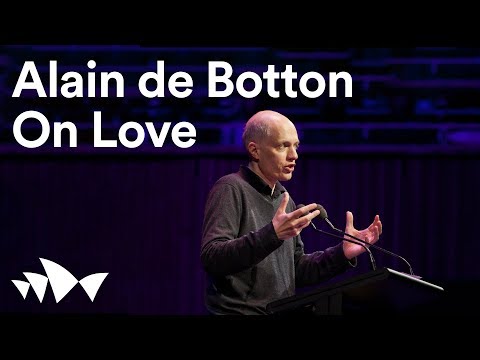
Shyuan posted on 2016/10/15Ever wondered why we fall in love the way we do? Alain de Botton explores how the era of Romanticism has shaped our expectations of finding a soulmate and the idea of 'love at first sight.' You'll pick up fascinating insights into how cultural narratives influence our romantic lives and discover key vocabulary to discuss these ideas yourself!
Learn this video on the APP!
The VoiceTube App has more in-depth practice for videos!