
abide
US /əˈbaɪd/
UK /ə'baɪd/
- Intransitive Verb
- To live somewhere (formal, old-fashioned)
B2TOEICMoreaccommodate
US /əˈkɑ:mədeɪt/
UK /əˈkɒmədeɪt/
- Transitive Verb
- To adapt or handle a situation, task
- To fit in with others' needs, opinions
B1TOEICMoreadapt
US /əˈdæpt/
UK /ə'dæpt/
- Transitive Verb
- To change something for a different function
- To change something to fit or suit a new purpose
- Intransitive Verb
- To change your behaviour so that it is easier to live in a new place or situation
B1TOEICMoreall over the place
US
UK
- Phrase
- In a state of disorder; scattered everywhere.
- In many different locations; widely distributed.
- Adjective
- Mentally or emotionally disorganized; confused or erratic.
A1Moreat a time
US /æt e taɪm/
UK /æt ə taim/
- Phrase
- Separately; one by one
- Simultaneously; together
A1Moreat heart
US /æt hɑrt/
UK /æt hɑ:t/
- Phrase
- In one's real or essential nature; fundamentally.
A1Moreat least
US /æt list/
UK /æt li:st/
- Adverb
- As a minimum
- Not less than
- Phrase
- No less than; at the minimum
- Used to indicate that something is positive in a bad situation.
C2Moreat present
US /æt ˈprɛznt/
UK /æt ˈprezənt/
- Phrase
- Currently; now
A1Moreat the end of the day
US
UK
- Phrase
- Ultimately; when everything else is considered.
- After a day's work or activities.
A1Moreat the same time
US
UK
- Phrase
- Simultaneously; at the identical moment.
- Nevertheless; however; used to introduce a contrasting or qualifying statement.
A1Moreawareness
US /əˈwɛrnɪs/
UK /əˈweənəs/
- Uncountable Noun
- Having knowledge of something
A2TOEICMorebottom
US /ˈbɑtəm/
UK /'bɒtəm/
- Noun
- The part of your body you sit on
- Lowest position, often in a company or contest
- Verb (Transitive/Intransitive)
- To hit the lowest part of something
- To provide with a bottom.
A2TOEICMoreclimate
US /ˈklaɪmɪt/
UK /ˈklaɪmət/
- Noun (Countable/Uncountable)
- Typical weather conditions in a particular place
- The general attitudes, feelings, or opinions that people have at a particular time.
A2Morecome back
US /kʌm bæk/
UK /kʌm bæk/
- Phrasal Verb
- To reply to someone, often forcefully
- To be remembered
A1Morecompetitive
US /kəmˈpɛtɪtɪv/
UK /kəmˈpetətɪv/
- Adjective
- Being strongly driven to win or be better than
- As good as or better than others.
B1Moreconnected
US /kəˈnɛktɪd/
UK /kə'nektɪd/
- Transitive Verb
- To associate a thing with something else
- To join or attach things together
- Adjective
- Joined or linked together.
- Having influential relationships.
A2Moreconnected with
US
UK
- Phrase
- Related to; associated with.
- Involved with; having a relationship with.
- Phrasal Verb
- Was associated or linked to someone or something.
- Felt understanding or empathy with someone or something.
B1Moreconsensus
US /kənˈsɛnsəs/
UK /kənˈsensəs/
- Noun (Countable/Uncountable)
- A decision that is shared by most of a group
B1Moreconstantly
US /ˈkɑnstəntlɪ/
UK /ˈkɒnstəntli/
- Adverb
- Frequently, or without pause
- In a way that is unchanging or faithful
B1Morecope with
US /kop wɪð/
UK /kəup wið/
- Phrasal Verb
- To deal successfully with a difficult situation.
A1Moredeal with
US /dil wɪð/
UK /di:l wið/
- Verb (Transitive/Intransitive)
- To buy or sell goods or services.
- Phrasal Verb
- To take action to solve a problem or manage a situation.
- To be about; concern.
A1Moredevelopment
US /dɪˈvɛləpmənt/
UK /dɪ'veləpmənt/
- Noun (Countable/Uncountable)
- Act or process of growing bigger or more advanced
- A new event related to a previous event
A2TOEICMoredistorted
US /dɪs'tɔ:tɪd/
UK /dɪs'tɔ:tɪd/
- Transitive Verb
- To change the shape, appearance, or sound
- To exaggerate the truth or fact, e.g. to deceive
- Adjective
- Deceitful, not telling facts honestly
B1Moreeducation
US /ˌɛdʒəˈkeʃən/
UK /ˌedʒuˈkeɪʃn/
- Uncountable Noun
- Academic field studying the practice of teaching
- Process of giving or receiving teaching
A2TOEICMoreevidence of
US
UK
- Phrase
- Facts, objects, or signs that make you believe that something is true.
- Something that shows that something else exists or is true.
A1Moreflare up
US /flɛr ʌp/
UK /flɛə ʌp/
- Intransitive Verb
- To suddenly worsen or become more intense (of a medical condition).
- To suddenly become angry or violent.
- Phrasal Verb
- To suddenly become angry or violent.
- To suddenly become worse or more intense (of a medical condition).
A1Morefood for thought
US
UK
- Uncountable Noun
- Something worth thinking seriously about.
A1Morefor example
US
UK
- Phrase
- As an illustration or instance.
for instance
US /fɔr ˈɪnstəns/
UK /fɔ: ˈinstəns/
- Adverb
- As an example.
- Phrase
- As an example.
- As an illustration or case in point
B1Moregender
US /ˈdʒɛndɚ/
UK /'dʒendə(r)/
- Noun
- State of being male or female
- The socially constructed roles, behaviours, expressions and identities of people.
- Transitive Verb
- To assign a gender to; to consider something in terms of gender.
B1Moregender equality
US
UK
- Noun (Countable/Uncountable)
- The state in which access to rights or opportunities is unaffected by gender.
- Equal treatment and opportunity regardless of gender, as protected by law.
B2Moreglobal
US /ˈgloʊbl/
UK /ˈgləʊbl/
- Adjective
- Concerning, involving, affecting all of something
- Of, affecting, or involving the entire world
A2TOEICMoregoing on
US /ˈɡoɪŋ ɑn/
UK /ˈgəʊɪŋ ɔn/
- Phrasal Verb
- To continue doing something
- To happen (usually negative)
A1Morehave to
US /hæv tu/
UK /ˈhæv tə/
- Auxiliary Verb
- Must do
A1Morehuman development
US /ˈhjumən dɪˈvɛləpmənt/
UK /ˈhju:mən diˈveləpmənt/
- Uncountable Noun
- The process of improvement in people's well-being and quality of life.
- The physical, intellectual, and emotional growth of a person from infancy to adulthood.
B1Morein light of
US /ɪn laɪt ʌv/
UK /in lait ɔv/
- Phrase
- Because of; considering
- Preposition
- Considering; taking into account
- Because of; as a result of
A1Morein terms of
US
UK
- Phrase
- With regard to; concerning a particular aspect.
A1Morein the face of
US //ɪn ðə feɪs ɑv//
UK
- Phrase
- When confronted with something difficult or challenging.
- Despite; in defiance of; when confronted with.
A1Morein the news
US
UK
- Phrase
- Being widely reported in the media.
A1Morein the past
US
UK
- Phrase
- During a former period of time; previously.
A1Morein the way
US /ɪn ði we/
UK /in ðə wei/
- Phrase
- Obstructing someone or something; hindering progress.
- Stored or placed so as to be available or ready when needed.
A1Morein the world
US /ɪn ði wɜrld/
UK /in ðə wɜː(r)ld/
- Phrase
- Used to emphasize a question expressing surprise, confusion, or disbelief.
- Used to indicate the extent or degree of something, often in a superlative sense.
A1Moreinequality
US /ˌɪnɪˈkwɑ:ləti/
UK /ˌɪnɪˈkwɒləti/
- Uncountable Noun
- Situation where things are not equal, fair
B1Moreinnovation
US /ˌɪnəˈveʃən/
UK /ˌɪnəˈveɪʃn/
- Uncountable Noun
- Process of creating new ideas or inventions
- A new thing or method that is introduced.
B1TOEICMoreleadership
US /ˈli:dərʃɪp/
UK /ˈli:dəʃɪp/
- Uncountable Noun
- Quality of being able to guide or influence others
B1Morelegitimacy
US /ləˈdʒɪtəməsi/
UK /lɪ'dʒɪtɪməsɪ/
- Uncountable Noun
- Legally allowed act; undisputed credibility
B2Morelook at
US /lʊk æt/
UK /luk æt/
- Phrasal Verb
- To use your eyes to focus on something
- To focus your eyes on something carefully
A1Moremanagement
US /ˈmænɪdʒmənt/
UK /'mænɪdʒmənt/
- Noun (Countable/Uncountable)
- People who are in control of a business or group
- Uncountable Noun
- The process of dealing with or controlling things or people.
- The skill of organizing and controlling resources.
A2TOEICMoremaximizing
US /'mæksɪmaɪzɪŋ/
UK /'mæksɪmaɪzɪŋ/
- Transitive Verb
- To make as large or great as possible
B1Moremismatch
US /mɪsˈmætʃ/
UK /ˈmɪsmætʃ/
- Verb (Transitive/Intransitive)
- To not be the same as or as good as
- (Of two or more things) to not go well together
- Noun (Countable/Uncountable)
- Not equal in a contest
- Two objects or people that do not go together
B1Morenational
US /ˈnæʃənəl, ˈnæʃnəl/
UK /'næʃnəl/
- Adjective
- Concerning a nation as a whole
- Countable Noun
- A person of a particular country
A2Moreof course
US /ʌv kɔː(r)s/
UK /ɔv kɔː(r)s/
- Adverb
- Sure ; Certainly
- Phrase
- For sure; certainly
A2Moreon the basis of
US
UK
- Phrase
- Because of; using as a reason or justification.
A1Moreon the other hand
US
UK
- Phrase
- Considering a different aspect of the matter; alternatively.
A1Moreout of it
US /aʊt ʌv ɪt/
UK /aut ɔv it/
- Adjective
- Unconscious or not completely alert; dazed or confused.
- Not able to think clearly or react quickly; not with it.
A1Moreparticipate
US /pɑ:rˈtɪsɪpeɪt/
UK /pɑ:ˈtɪsɪpeɪt/
- Intransitive Verb
- To take part with others in doing something
- To be involved in a discussion or conversation.
B1TOEICMoreparticipation
US /pɑ:rˌtɪsɪˈpeɪʃn/
UK /pɑ:ˌtɪsɪˈpeɪʃn/
- Uncountable Noun
- Act of being involved in something
- The involvement of individuals in making decisions that affect them.
C1Morepopulation
US /ˌpɑpjəˈleʃən/
UK /ˌpɒpjuˈleɪʃn/
- Noun (Countable/Uncountable)
- Number of people who live in a country, area etc.
- A group of individuals of one species living in a particular area.
A2TOEICMoreprofit
US /'prɑ:fɪt/
UK /'prɒfɪt/
- Noun (Countable/Uncountable)
- Benefit from doing something
- Money earned from sales, after costs are deducted
- Verb (Transitive/Intransitive)
- To be a benefit to someone
- To earn money from something
A2TOEICMorerather than
US
UK
- Adverb
- More exactly; more correctly
- Preferably; instead
- Preposition
- Instead of
A1Morerefugee
US /ˌrɛfjʊˈdʒi/
UK /ˌrefjuˈdʒi:/
- Countable Noun
- Person forced to leave their home e.g. due to war
B2Moreregion
US /ˈridʒən/
UK /'ri:dʒən/
- Noun (Countable/Uncountable)
- Part of a country, of the world, area, etc.
- A part of the body
A2TOEICMorerow back
US /roʊ bæk/
UK /rəʊ bæk/
- other
- To reverse or retract a previously stated position or opinion.
B2Morerule
US /ruːl/
UK /ruːl/
- Noun (Countable/Uncountable)
- Something that is normal and usually happens
- Governmental control or power over a region
- Verb (Transitive/Intransitive)
- To decide legally, especially in court
- To have control or influence
A2TOEICMorerule out
US /rul aʊt/
UK /ru:l aut/
- Phrasal Verb
- To eliminate as a possibility; exclude.
A1Moresame time
US
UK
- Phrase
- Occurring simultaneously or at the same point in time.
- At the identical time as before; recurring at a fixed hour.
- Noun
- An equal duration or period.
A1Moreselfishness
US / ˈsɛlfɪʃnɪs/
UK /'selfɪʃnəs/
- Uncountable Noun
- Concern with your interests rather than others'
A2Morestay in
US /ste ɪn/
UK /stei in/
- Phrasal Verb
- To remain inside one's home.
- Intransitive Verb
- To remain as an inpatient in a hospital.
success
US /səkˈsɛs/
UK /sək'ses/
- Uncountable Noun
- Achievement of a desired purpose or goal
- A successful person; one who achieved their aims
A2TOEICMoresuccessful
US /səkˈsɛsfəl/
UK /səkˈsesfl/
- Adjective
- Having the desired effect or result
- Having achieved wealth, respect, or social status
A2Moretalking about
US
UK
- Phrasal Verb
- To discuss a particular topic.
- To be constantly mentioning or bringing up a subject.
A1Morethink about
US /θɪŋk əˈbaʊt/
UK /θiŋk əˈbaut/
- Phrasal Verb
- To consider something carefully.
- To remember or call to mind.
A1Moreto some extent
US /tu sʌm ɪkˈstɛnt/
UK /tu: sʌm iksˈtent/
- Phrase
- Partially; not completely.
A1Morewar
US /wɔr/
UK /wɔ:(r)/
- Noun
- Situation where armies fight each other
A2Morewealth
US /wɛlθ/
UK /welθ/
- Uncountable Noun
- Amount of money or possessions you own, e.g. large
A2TOEICMorewelfare
US /ˈwelfer/
UK /ˈwelfeə(r)/
- Uncountable Noun
- Program to help poor/unemployed people with money
B1Morewith it
US /wɪð ɪt/
UK /wið it/
- Adjective
- Intelligent, alert, and up-to-date.
- Understanding and knowledgeable about current trends or information.
A1Morework on
US /wɚk ɑn/
UK /wə:k ɔn/
- Phrasal Verb
- To devote effort to improve or develop something
- To try to persuade or influence someone.
A1More
Vocabulary
- have to: Must do
- of course: Sure ; Certainly
- look at: To use your eyes to focus on something
- come back: To reply to someone, often forcefully
- think about: To consider something carefully.
- at a time: Separately; one by one
- human development: The process of improvement in people's well-being and quality of life.
- to some extent: Partially; not completely.
- flare up: To suddenly worsen or become more intense (of a medical condition).
- at the same time: Simultaneously; at the identical moment.
- same time: Occurring simultaneously or at the same point in time.
- rule out: To eliminate as a possibility; exclude.
- in light of: Because of; considering
- on the other hand : Considering a different aspect of the matter; alternatively.
- in the past: During a former period of time; previously.
- at heart: In one's real or essential nature; fundamentally.
- work on: To devote effort to improve or develop something
- for example: As an illustration or instance.
- rather than: More exactly; more correctly
- in the world: Used to emphasize a question expressing surprise, confusion, or disbelief.
- in the way: Obstructing someone or something; hindering progress.
- at least: As a minimum
- evidence of: Facts, objects, or signs that make you believe that something is true.
- on the basis of: Because of; using as a reason or justification.
- gender equality: The state in which access to rights or opportunities is unaffected by gender.
- talking about: To discuss a particular topic.
- row back: To reverse or retract a previously stated position or opinion.
- in the news: Being widely reported in the media.
- with it: Intelligent, alert, and up-to-date.
- deal with
- for instance: As an example.
- connected with: Related to; associated with.
- stay in: To remain inside one's home.
- at the end of the day: Ultimately; when everything else is considered.
- going on: To continue doing something
- at present: Currently; now
- in the face of: When confronted with something difficult or challenging.
- in terms of
- all over the place: In a state of disorder; scattered everywhere.
- cope with: To deal successfully with a difficult situation.
- out of it: Unconscious or not completely alert; dazed or confused.
- food for thought: Something worth thinking seriously about.
- country: An area of land that is controlled by a government
- business: A company formed for making profit
- world: All the humans, events, activities on the earth
- young: At an early stage of existence; not mature
- today: This day; day that is happening now
- change: To exchange one set of clothes for another
- drive: A person's ambition and motivation to do something
- important: Having power or authority
- people: Persons sharing culture, country, background, etc.
- part: Division of a book
- game: Activity with rules that people play to have fun
- address: Exact street location of a place
- lot: What happens to a person in life from chance; fate
- big: Popular
- bottom: The part of your body you sit on
- strong: (Of tea or beer) dark or thick
- spring: Coil of metal that lessens impact, e.g. on cars
- fail: To be unsuccessful in passing a class or exam
- national: Concerning a nation as a whole
- term: Conditions applying to an agreement, contract
- war: Situation where armies fight each other
- danger: The possibility of getting hurt, damaged, killed
- text: To send a message by phone or other device
- rich: Having a lot of money or valuable possessions
- grow: To get bigger and more mature; make plants do this
- government: Group of people and system that rule a nation
- region: Part of a country, of the world, area, etc.
- human: A person; a man, woman or child
- social: Involving activity with people, e.g. in free time
- selfishness: Concern with your interests rather than others'
- climate: Typical weather conditions in a particular place
- population: Number of people who live in a country, area etc.
- knowledge: Information, understanding, or skill
- development: Act or process of growing bigger or more advanced
- success: Achievement of a desired purpose or goal
- education: Academic field studying the practice of teaching
- successful: Having the desired effect or result
- connected: To associate a thing with something else
- rule: Something that is normal and usually happens
- accommodate: To adapt or handle a situation, task
- wealth: Amount of money or possessions you own, e.g. large
- management: People who are in control of a business or group
- economy: Using money, resources in a careful, effective way
- global: Concerning, involving, affecting all of something
- participation: Act of being involved in something
- awareness: Having knowledge of something
- profit: Benefit from doing something
- safety: Device on a gun to prevent accidental shooting
- refugee: Person forced to leave their home e.g. due to war
- welfare: Program to help poor/unemployed people with money
- constantly: Frequently, or without pause
- participate: To take part with others in doing something
- adapt: To change something for a different function
- competitive: Being strongly driven to win or be better than
- gender: State of being male or female
- distorted: To change the shape, appearance, or sound
- innovation: Process of creating new ideas or inventions
- leadership: Quality of being able to guide or influence others
- maximizing: To make as large or great as possible
- consensus: A decision that is shared by most of a group
- inequality: Situation where things are not equal, fair
- legitimacy: Legally allowed act; undisputed credibility
- France: A republic in western Europe; the largest country wholly in Europe
- abide: To live somewhere (formal, old-fashioned)
- mismatch: To not be the same as or as good as
Get the full experience in the app
Learn anywhere with detailed sentence and usage analysis
01:03
She took a brave step forward, leaving behind her comfort zone to chase her dreams.
Vocabulary
- brave
adj. Having courage
- comfort zone
phr. A familiar situation where one feels safe
Explanation
a brave step is a noun phrase, where brave is an adjective modifying the noun step, meaning "a courageous step".
forward is an adverb modifying step, meaning "ahead".
The whole phrase serves as the object, answering the "what" of took (verb) — she took a brave step forward.
Get the full experience in the app
Look up words anytime with pronunciation, part of speech, and usage
brave
US/brev/
UK/breɪv/
adj.Brave
v.t.To bravely face
A2 Elementary
Get the full experience in the app
Practice speaking anytime and get instant pronunciation feedback
Try this speaking exercise.
Try practicing with this sentence.
80
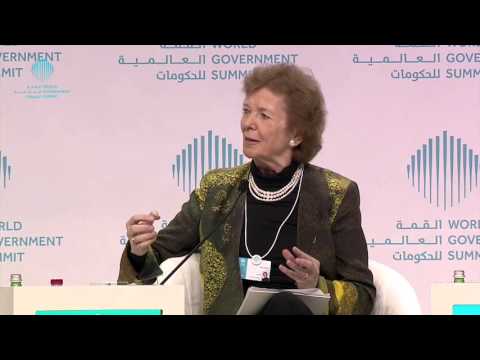
Why Do Governments Fail?
0
哈維 posted on 2016/10/12Ever wondered why some governments thrive while others crumble? This video dives deep into the factors behind state failure, exploring everything from the Arab Spring to wealth inequality and the refugee crisis. You'll pick up advanced vocabulary and gain cultural depth while understanding complex global issues!
Learn this video on the APP!
The VoiceTube App has more in-depth practice for videos!