
absolutely
US /ˈæbsəˌlutli, ˌæbsəˈlutli/
UK /ˈæbsəlu:tli/
- Adverb
- Completely; totally; very
- Considered independently and without relation to other things; viewed abstractly; as, quantity absolutely considered.
A2Moreacademic
US /ˌækəˈdɛmɪk/
UK /ˌækə'demɪk/
- Adjective
- Concerning education, schools, universities, etc.
- Concerning education, schools, universities, etc.
- Noun (Countable/Uncountable)
- Educator teaching at a college or university
- A subject taught at schools and universities.
B1Moreachievement
US /əˈtʃivmənt/
UK /əˈtʃi:vmənt/
- Noun (Countable/Uncountable)
- Something good that you have successfully done
- Success in school or studies.
A2TOEICMoreadd up to
US /æd ʌp tu/
UK /æd ʌp tu:/
- Phrasal Verb
- To amount to a particular sum or total.
- To have a particular result or effect; to be equal to.
A2Morearound the world
US /əˈraʊnd ði wɜrld/
UK /əˈraund ðə wɜː(r)ld/
- Phrase
- In or to many countries.
- In various places throughout the world.
A2Moreas opposed to
US
UK
- Preposition
- In contrast to; rather than.
- Instead of; in place of.
A1Moreas soon as
US /æz sun æz/
UK /æz su:n æz/
- Phrase
- In a short time after (something happens)
- Without any delay; immediately
- Conjunction
- At the moment that, or immediately after.
A1Moreas well as
US /æz wɛl æz/
UK /æz wel æz/
- Adverb
- Also; in addition to
- Preposition
- In addition to; and also.
A1Moreat least
US /æt list/
UK /æt li:st/
- Adverb
- As a minimum
- Not less than
- Phrase
- No less than; at the minimum
- Used to indicate that something is positive in a bad situation.
C2Moreat the end of the day
US
UK
- Phrase
- Ultimately; when everything else is considered.
- After a day's work or activities.
A1Moreat the same time
US
UK
- Phrase
- Simultaneously; at the identical moment.
- Nevertheless; however; used to introduce a contrasting or qualifying statement.
A1Moreback down
US /bæk daʊn/
UK /bæk daun/
- Phrasal Verb
- To admit you were wrong; stop claiming
A1Morebear
US /bɛr/
UK /bɛː/
- Transitive Verb
- To accept (responsibilities or duties)
- To give birth to a child; to produce fruit
- Countable Noun
- Large brown animal with fur that lives in forests
- Someone who expects stock market to fall
A2Morebehind the scenes
US
UK
- Phrase
- Secretly or without being known to the public.
- In a position to influence events without any public knowledge.
A1Morebreak up
US /brek ʌp/
UK /breik ʌp/
- Phrase
- Phrasal Verb
- (Of party, relationship) to come to an end
- To end something, e.g. a fight
A1Morebring forth
US
UK
- Phrasal Verb
- To give birth to animals or children
- To produce; give rise to
B1Morecollege
US /'kɑːlɪdʒ/
UK /'kɒlɪdʒ/
- Noun (Countable/Uncountable)
- School or educational institution for adults
- A constituent body of a university.
A2Morecome back
US /kʌm bæk/
UK /kʌm bæk/
- Phrasal Verb
- To reply to someone, often forcefully
- To be remembered
A1Moreconscientiousness
US
UK
- Uncountable Noun
- Taking care to do things as you know you should
- A personality trait characterized by being organized, responsible, and hardworking.
B2Morecultural
US /ˈkʌltʃərəl/
UK /ˈkʌltʃərəl/
- Adjective
- Of a particular society's customs and beliefs
- Of arts, music, literature, theater
A2Moreculture
US /ˈkʌltʃɚ/
UK /'kʌltʃə(r)/
- Noun (Countable/Uncountable)
- Beliefs and customs of a particular group
- The customs, beliefs, art, and all the other things that a group of people share and consider important.
- Transitive Verb
- To grow cells, tissues, bacteria, etc. in a controlled environment.
A2Morecut out
US /kʌt aʊt/
UK /kʌt aut/
- Phrasal Verb
- To leave out of something, e.g. a social event
- To cut something from, e.g. a picture from a book
- Verb (Transitive/Intransitive)
- To stop doing or using something.
- To be naturally suited or fitted for something.
A1Moredatum
US /ˈdetəm, ˈdætəm, ˈdɑtəm/
UK /ˈdeɪtəm/
- Noun
- Item of factual information
B1Moredeliberate
US /dɪˈlɪbərɪt/
UK /dɪ'lɪbərət/
- Adjective
- Carefully thought out in advance
- Done purposely
- Verb (Transitive/Intransitive)
- To consider a problem or decision carefully
B2Moredig down
US /dɪɡ daʊn/
UK /diɡ daun/
- Phrasal Verb
- To excavate or dig deeper into the ground.
- To search or delve deeply to find something, often hidden or buried.
A1Moredig into
US
UK
- Phrasal Verb
- To start eating food enthusiastically.
- To investigate or research something thoroughly.
B1Moredo in
US
UK
- Phrasal Verb
- To make completely tired out and exhausted
- To destroy or cause damage to someone
A1Moredown memory lane
US
UK
- Idiom
- A nostalgic journey into the past, recalling pleasant memories.
B2Moreevidence of
US
UK
- Phrase
- Facts, objects, or signs that make you believe that something is true.
- Something that shows that something else exists or is true.
A1Moreexcellence
US /ˈɛksələns/
UK /ˈeksələns/
- Uncountable Noun
- Extremely high quality
- A particularly high level of skill or ability.
B1Morefake
US /fek/
UK /feɪk/
- Adjective
- Not real; made to look like something real
- Countable Noun
- A copy of something made to trick people
B1Morefascinating
US /ˈfæsəˌnetɪŋ/
UK /ˈfæsɪneɪtɪŋ/
- Transitive Verb
- To attract or interest greatly
- To hold someone captive with a gaze or other means.
- Adjective
- Having your attention fixated as though by a spell
B1Morefeedback
US /ˈfidˌbæk/
UK /ˈfi:dbæk/
- Noun (Countable/Uncountable)
- A response or opinion, about a service, etc.
- Information about reactions to a product, a person's performance of a task, etc. which is used as a basis for improvement.
- Verb (Transitive/Intransitive)
- To give information or opinions about something to someone, especially in order to improve it.
B1TOEICMorefeel like
US
UK
- Intransitive Verb
- To have a desire or inclination for something.
- To have a particular quality or sensation; resemble.
A1Morefigure out
US /ˈfɪɡjɚ aʊt/
UK /ˈfiɡə aut/
- Phrasal Verb
- To understand the behavior of someone
- To think through logically to find a solution
- Verb (Transitive/Intransitive)
- To understand or find an answer to something.
- To find a solution to a problem or understand something.
A1Morefill in
US /fɪl ɪn/
UK /fil in/
- Phrasal Verb
- To put earth in e.g. a hole
- To explain the context so that someone understands
- Verb (Transitive/Intransitive)
- To write or type information in a blank space.
- To temporarily do someone else's job.
A1Morefill out
US /fɪl aʊt/
UK /fil aut/
- Phrasal Verb
- To become fatter
- To complete a form by adding information needed
A1Morefor example
US
UK
- Phrase
- As an illustration or instance.
found out
US
UK
- Phrasal Verb
- To learn or discover something, often after some effort.
- To become known; be revealed.
B2Morefreeze up
US /friz ʌp/
UK /fri:z ʌp/
- Phrasal Verb
- (of a machine or part) to stop working because of ice or cold
- To become unable to move or act, usually because of fear or nervousness
B1Morefrom A to B
US /frʌm eɪ tə bi/
UK /frɒm eɪ tə bi:/
- Preposition
- Describes traveling or moving between two places.
A2Moreget out of
US /ɡɛt aʊt ʌv/
UK /ɡet aut ɔv/
- Phrasal Verb
- To leave or escape responsibilities, troubles
- To leave a small, enclosed vehicle
A1Moregive up
US /ɡɪv ʌp/
UK /ɡiv ʌp/
- Phrasal Verb
- To lose hope or admit defeat
- To decide to not start to try solving a problem
- Verb Phrase
- to surrender an item; hand over an item
A1Moregiven time
US /ˈɡɪvən taɪm/
UK /ˈɡivən taim/
- Noun (Countable/Uncountable)
- A specific time that has been scheduled or agreed upon.
- The amount of time available or allotted for a task or activity.
A1Morego around
US /ɡo əˈraʊnd/
UK /ɡəu əˈraund/
- Phrasal Verb
- (Of news, gossip) to be known; circulate
- To go here and there, from place to place; wander
A1Morego away
US /ɡo əˈwe/
UK /ɡəu əˈwei/
- Phrasal Verb
- To go on vacation
- To leave; depart.
A1Morego back to
US /ɡo bæk tu/
UK /ɡəu bæk tu:/
- Phrasal Verb
- To return to a starting point
A1Morego on
US /ɡo ɑn/
UK /ɡəu ɔn/
- Phrasal Verb
- To continue doing something
- To happen (usually negative)
- Interjection
- Used to encourage someone
A1Morego out
US /ɡo aʊt/
UK /ɡəu aut/
- Phrase
- To leave a building (e.g. a house)
- Phrasal Verb
- (Of a fire) to burn out; be extinguished
- Go out of fashion to stop being fashionable
A1Moregoal
US /ɡol/
UK /ɡəʊl/
- Noun (Countable/Uncountable)
- Something you try to do or achieve; an aim
- (Sports) net into which you put a ball to score
A2TOEICMoregot to
US /ɡɑt tu/
UK /gɔt tu:/
- Verb (Transitive/Intransitive)
- To arrive at some place
- To have the opportunity or permission to do something
- Phrasal Verb
- To appeal to the emotions of; move
- To finally begin to start something after a delay
A1Moregrit
US /ɡrɪt/
UK /ɡrɪt/
- Uncountable Noun
- Strong determination
- Tiny hard bits of stone, sand, etc.
B2TOEICMoregritty
US /ˈɡrɪti/
UK /ˈgrɪti/
- Adjective
- Showing strong determination
- Having the texture of very small particles or sand
B2Morehave to
US /hæv tu/
UK /ˈhæv tə/
- Auxiliary Verb
- Must do
A1Morehire
US /haɪr/
UK /ˈhaɪə(r)/
- Transitive Verb
- To give a job to someone in exchange for pay
- To give the use of something in exchange for money
- Noun
- Short term rental of something e.g. car, phone
A2TOEICMoreidentity
US /aɪˈdɛntɪti/
UK /aɪ'dentətɪ/
- Noun (Countable/Uncountable)
- Collection of qualities that makes a person
- Who someone is; the name of a person
B1Moreimperfect
US /ɪmˈpə:fɪkt/
UK /ɪmˈpɜ:fɪkt/
- Adjective
- Not being perfect or complete; having a mistake
A2Morein addition to
US /ɪn əˈdɪʃən tu/
UK /in əˈdiʃən tu:/
- Preposition
- Besides; as well as
- Phrase
- Besides; as well as.
- Furthermore; moreover.
B1Morein depth
US /ɪn dɛpθ/
UK /in depθ/
- Adverb
- Thoroughly and carefully; in detail.
in fact
US /ɪn fækt/
UK /in fækt/
- Adverb
- Used to emphasize the truth of a statement, especially one that contrasts with or contradicts something else.
- Used to introduce a more detailed or surprising piece of information.
- Phrase
- Used to emphasize the truth of a statement, especially one that is surprising or contrary to what might be expected.
C1Morein general
US /ɪn ˈdʒɛnərəl/
UK /in ˈdʒenərəl/
- Phrase
- Typically; usually; on the whole.
- Not specific or detailed; broadly.
- Adjective
- Not detailed or specific; overall.
C2Morein itself
US /ɪn ɪtˈsɛlf/
UK /in itˈself/
- Phrase
- Considered alone or without reference to anything else; intrinsically.
- Essentially; by its very nature.
in jail
US /ɪn dʒel/
UK /in dʒeil/
- Phrase
- Imprisoned; confined in a jail or prison.
B1Morein order to
US /ɪn ˈɔrdɚ tu/
UK /in ˈɔ:də tu:/
- Preposition
- For the purpose of; with the aim of.
- Phrase
- In a specific sequence or arrangement.
- With the aim of; for the purpose of.
C1Morein part
US /ɪn pɑrt/
UK /in pɑ:t/
- Adverb
- To some extent; partially.
A1Morein particular
US /ɪn pɚˈtɪkjəlɚ/
UK /in pəˈtikjulə/
- Phrase
- Specifically; especially.
- Detailed or precise.
A1Morein reality
US /ɪn riˈælɪti/
UK /in riˈæliti/
- Phrase
- Actually; in fact; truly.
B2Morein recognition
US
UK
- Phrase
- As an acknowledgment or appreciation of something.
- During the process of identifying someone or something.
C2Morein school
US /ɪn skul/
UK /ɪn sku:l/
- other
- Attending an educational institution.
A1Morein terms of
US
UK
- Phrase
- With regard to; concerning a particular aspect.
A1Morein the world
US /ɪn ði wɜrld/
UK /in ðə wɜː(r)ld/
- Phrase
- Used to emphasize a question expressing surprise, confusion, disbelief
- Used to indicate the extent or degree of something, often in a superlative sense
A1Morein ways
US
UK
- Phrase
- In a manner or by methods that.
- In certain respects or aspects.
A1Moreinstead of
US /ɪnˈstɛd ʌv/
UK /inˈsted ɔv/
- Preposition
- When one thing is replaced by another
- Adverb
- As a substitute or alternative.
A1Moreintelligence
US /ɪnˈtɛlədʒəns/
UK /ɪn'telɪdʒəns/
- Uncountable Noun
- Collection of secret information about something
- Ability to learn things or to consider situations
- Adjective
- Of the spying services; acting in secrecy
A2TOEICMoreinterview
US /ˈɪntɚˌvju/
UK /'ɪntəvju:/
- Transitive Verb
- To formally ask questions about a given topic
- Noun
- Meeting to ask questions to get information
A2TOEICMorekid
US /kɪd/
UK /kɪd/
- Countable Noun
- Child or young person
- Young goat
- Adjective
- Made from young goat skin
A2Moreknow about
US /noʊ əˈbaʊt/
UK /nəʊ əˈbaut/
- Phrasal Verb
- To have information or understanding of a subject or situation.
lead to
US /lid tu/
UK /li:d tu:/
- Phrasal Verb
- To result in some action
- Verb (Transitive/Intransitive)
- To have something as a consequence or result.
A1Moreleft and right
US
UK
- Adverb
- In both the left and right directions.
- Everywhere; in all directions.
- Noun
- Referring to both liberal and conservative political viewpoints.
- Two opposing options or directions.
A1Morelook at
US /lʊk æt/
UK /luk æt/
- Phrasal Verb
- To use your eyes to focus on something
- To focus your eyes on something carefully
A1Morelook for
US /lʊk fɔr/
UK /luk fɔ:/
- Phrasal Verb
- To try to find a thing or person that is lost
- To expect or anticipate something.
A1Moremajor in
US
UK
- Verb (Transitive/Intransitive)
- To specialize in a particular subject at college or university.
A1Moremeaningful
US /ˈminɪŋfəl/
UK /'mi:nɪŋfl/
- Adjective
- Having importance; showing someone's intention
- Having importance or value.
A2Moremove on
US /muv ɑn/
UK /mu:v ɔn/
- Phrasal Verb
- To decide to change or go to a different place
- To start talking about something different.
A1Moremyth
US /mɪθ/
UK /mɪθ/
- Noun (Countable/Uncountable)
- Popular belief that is false, unsupported by fact
- Famous story dealing with origins of a culture
B1Morenext to
US /nɛkst tu/
UK /nekst tu:/
- Preposition
- Being located along side another
- In comparison with
- Adverb
- Almost; nearly
A1Moreobsession
US /əbˈsɛʃən, ɑb-/
UK /əb'seʃn/
- Uncountable Noun
- Irrational motive for performing certain actions
- An idea or thought that continually preoccupies or intrudes on a person's mind
B2Moreof any kind
US
UK
- Phrase
- Of any type or variety whatsoever.
- To any degree or extent.
A1Moreof interest
US /əv ˈɪntrɪst/
UK /əv ˈɪntrəst/
- other
- Relevant or important to someone or something.
B2Moreof value
US /ʌv ˈvælju/
UK /ɔv ˈvælju/
- Adjective
- Having worth, importance, or usefulness.
- Providing a benefit or advantage.
A1Moreopen up to
US
UK
- Phrasal Verb
- To start talking more freely about your feelings and private thoughts.
- To become available or possible.
A1Moreoppose
US /əˈpoʊz/
UK /əˈpəʊz/
- Verb (Transitive/Intransitive)
- To fight against someone in a contest or game
- To disagree with something and try to prevent it from happening or succeeding.
A2Moreout of time
US /aʊt ʌv taɪm/
UK /aut ɔv taim/
- Adjective
- Having no more time available to do something.
A1Moreoutside of
US /aʊtˈsaɪd ʌv/
UK /ˌautˈsaid ɔv/
- Preposition
- Located or situated beyond the boundaries or confines of something.
- Beyond the scope, range, or limits of something.
A1Moreover time
US /ˈovɚ taɪm/
UK /ˈəuvə taim/
- Phrase
- Gradually; as time passes.
- During a long period.
- Adverb
- Gradually; as time passes.
B1Morepack in
US /pæk ɪn/
UK /pæk in/
- Phrasal Verb
- To decide to stop doing something
A1Morepassion
US /ˈpæʃən/
UK /'pæʃn/
- Noun (Countable/Uncountable)
- Powerful, positive excitement and interest
- Something for which one has a great love
A2Morepeer
US /pɪr/
UK /pɪə(r)/
- Noun (Countable/Uncountable)
- A noble, but not royal, person, e.g. lord or duke
- Person of the same age, class or situation
- Intransitive Verb
- To look closely and carefully, as if hard to see
B2Moreperseverance
US /ˌpɜ:sɪˈvɪərəns/
UK /ˌpɜ:sɪˈvɪərəns/
- Uncountable Noun
- Act of continuing to try despite difficulties
- The quality of being persistent in pursuing a goal or task.
C2Moreplay in
US
UK
- Phrasal Verb
- To participate or compete in a game or competition.
- To have a role in a theatrical production.
A1Morepractice
US /ˈpræktɪs/
UK /'præktɪs/
- Noun
- The office and place for legal or medical work
- Doing something many times to become better at it
- Verb (Transitive/Intransitive)
- To work as a doctor or lawyer
- To live according to the teachings of a religion
A2TOEICMorepredictor
US /prɪˈdɪktər/
UK /prɪˈdɪktə(r)/
- Noun
- Thing showing likelihood of something happening
- A thing that foretells future events or conditions.
B1Moreprior to
US /ˈpraɪɚ tu/
UK /ˈpraiə tu:/
- Preposition
- Before a particular time or event.
C1Morepsychology
US /saɪˈkɑlədʒi/
UK /saɪ'kɒlədʒɪ/
- Uncountable Noun
- The study of the mind and how it affects behavior
- Way in which a person or group thinks and behaves
C2Morequitting
US /kwɪtɪŋ/
UK /kwɪtɪŋ/
- Intransitive Verb
- To leave a job
- To leave a place
- Transitive Verb
- To stop a habit, e.g. smoking
B1Morereach down
US
UK
- Phrasal Verb
- To extend one's arm downwards in order to grasp or touch something.
- To offer help or support to someone who is in a lower position or less fortunate.
B1Moreread off
US /rid ɔf/
UK /ri:d ɔf/
- Phrasal Verb
- To recite or announce something from a list.
- To extract or interpret data from a storage medium.
- Verb (Transitive/Intransitive)
- To recite something from memory.
A1Morereflect on
US /rɪˈflɛkt ɑn/
UK /riˈflekt ɔn/
- Phrasal Verb
- To think deeply or carefully about something.
B2Morerely on
US /rɪˈlaɪ ɑn/
UK /riˈlai ɔn/
- Phrasal Verb
- To depend on someone or something
A2Moresame time
US
UK
- Phrase
- Occurring simultaneously or at the same point in time.
- At the identical time as before; recurring at a fixed hour.
- Noun
- An equal duration or period.
A1Morescale
US /skel/
UK /skeɪl/
- Noun (Countable/Uncountable)
- Size, level, or amount when compared
- Small hard plates that cover the body of fish
- Verb (Transitive/Intransitive)
- To change the size of but keep the proportions
- To climb something large (e.g. a mountain)
A2TOEICMoreschool of thought
US
UK
- Noun
- A particular philosophy or set of beliefs; a way of thinking.
- A particular approach or method.
B1Morescience
US /ˈsaɪəns/
UK /'saɪəns/
- Uncountable Noun
- Study of the physical world, based on facts
A2TOEICMorescore
US /skɔr, skor/
UK /skɔ:(r)/
- Noun
- A sharp mark or cut in the surface of something
- Current number of points given in a game, contest
- Transitive Verb
- To mark or cut something with a sharp object
- To get or give points in a game, contest, or test
A2TOEICMoresee in
US /si ɪn/
UK /si: in/
- Phrasal Verb
- To accompany someone to the entrance of a building or room.
A1Moreset up
US /sɛt ʌp/
UK /set ʌp/
- Phrasal Verb
- To make arrangements for something; establish
- Verb (Transitive/Intransitive)
- To arrange or prepare something for use.
- To start a business, organization, etc.
A1Morestandardized
US /'stændədaɪzd/
UK /'stændədaɪzd/
- Transitive Verb
- To change to make everything the same level
B2Morestick with
US /stɪk wɪð/
UK /stik wið/
- Phrasal Verb
- To continue to support or stay loyal to someone or something.
- To continue doing or using something; to persevere.
A1Moresuccess
US /səkˈsɛs/
UK /sək'ses/
- Uncountable Noun
- Achievement of a desired purpose or goal
- A successful person; one who achieved their aims
A2TOEICMoreswap out
US /swɑp aʊt/
UK /swɔp aut/
- Phrasal Verb
- To replace something with something else.
A1Moretalent
US /ˈtælənt/
UK /'tælənt/
- Noun (Countable/Uncountable)
- Natural ability of a person to do something well
- Person with a strong natural ability in something
B1Moretalented
US /ˈtæləntəd/
UK /ˈtæləntɪd/
- Adjective
- Highly proficient or good at something
B1Moretalking about
US
UK
- Phrasal Verb
- To discuss a particular topic.
- To be constantly mentioning or bringing up a subject.
A1Morethat very day
US
UK
- Phrase
- On that specific day; the same day mentioned.
- Used to emphasize the importance or impact of a particular day.
A1Morethink about
US /θɪŋk əˈbaʊt/
UK /θiŋk əˈbaut/
- Phrasal Verb
- To consider something carefully.
- To remember or call to mind.
A1Morethink back
US /θɪŋk bæk/
UK /θiŋk bæk/
- Phrasal Verb
- To recapture the past
A1Morethink of
US /θɪŋk ʌv/
UK /θiŋk ɔv/
- Phrasal Verb
- To look on as (being something specific); consider
- To consider or remember something.
- Verb (Transitive/Intransitive)
- To imagine or call something to mind
A1Moreto do with
US
UK
- Phrasal Verb
- To be about something; concern
A1Moreto let
US /tu lɛt/
UK /tu let/
- Preposition
- Indicates that a property is available for rent.
A2Moreto some extent
US /tu sʌm ɪkˈstɛnt/
UK /tu: sʌm iksˈtent/
- Phrase
- Partially; not completely.
A1Moretrivial
US /ˈtrɪviəl/
UK /'trɪvɪəl/
- Adjective
- Small; unimportant; worthless
- Easy and simple
B2TOEICMorewake up
US /wek ʌp/
UK /weik ʌp/
- Phrasal Verb
- To stop sleeping
- To become fully aware and alert to a situation.
A1Morewith it
US /wɪð ɪt/
UK /wið it/
- Adjective
- Intelligent, alert, and up-to-date.
- Understanding and knowledgeable about current trends or information.
A1Morewithdraw from
US
UK
- Phrasal Verb
- To take out or remove (something) from a place or container.
- To stop participating in or being involved with something.
A1Morework at
US /wɚk æt/
UK /wə:k æt/
- Phrasal Verb
- To have a job at a particular place or organization.
- To make an effort to improve something.
A1Morework in
US /wɚk ɪn/
UK /wə:k in/
- Phrasal Verb
- To make an opening for something in your schedule
- To fit person/thing into a schedule or sequence
A1Morewrite down
US /raɪt daʊn/
UK /rait daun/
- Phrasal Verb
- To record in writing
A1More
Vocabulary
- think about: To consider something carefully.
- have to: Must do
- know about: To have information or understanding of a subject or situation.
- as opposed to: In contrast to; rather than.
- look at: To use your eyes to focus on something
- for example: As an illustration or instance.
- outside of: Located or situated beyond the boundaries or confines of something.
- figure out: To understand the behavior of someone
- talking about: To discuss a particular topic.
- at least: As a minimum
- look for: To try to find a thing or person that is lost
- got to: To arrive at some place
- stick with: To continue to support or stay loyal to someone or something.
- come back: To reply to someone, often forcefully
- in particular: Specifically; especially.
- in the world: Used to emphasize a question expressing surprise, confusion, disbelief
- do in: To make completely tired out and exhausted
- reflect on: To think deeply or carefully about something.
- in fact: Used to emphasize the truth of a statement, especially one that contrasts with or contradicts something else.
- go out: To leave a building (e.g. a house)
- bring forth: To give birth to animals or children
- at the same time: Simultaneously; at the identical moment.
- same time: Occurring simultaneously or at the same point in time.
- work at: To have a job at a particular place or organization.
- set up
- major in: To specialize in a particular subject at college or university.
- evidence of: Facts, objects, or signs that make you believe that something is true.
- with it: Intelligent, alert, and up-to-date.
- wake up: To stop sleeping
- in recognition: As an acknowledgment or appreciation of something.
- prior to: Before a particular time or event.
- in general: Typically; usually; on the whole.
- fill in: To put earth in e.g. a hole
- write down: To record in writing
- add up to: To amount to a particular sum or total.
- behind the scenes: Secretly or without being known to the public.
- play in: To participate or compete in a game or competition.
- swap out: To replace something with something else.
- school of thought: A particular philosophy or set of beliefs; a way of thinking.
- read off: To recite or announce something from a list.
- as soon as: In a short time after (something happens)
- lead to: To result in some action
- in reality: Actually; in fact; truly.
- think of: To look on as (being something specific); consider
- move on: To decide to change or go to a different place
- left and right: In both the left and right directions.
- in depth: Thoroughly and carefully; in detail.
- see in: To accompany someone to the entrance of a building or room.
- over time: Gradually; as time passes.
- go around: (Of news, gossip) to be known; circulate
- found out: To learn or discover something, often after some effort.
- dig down: To excavate or dig deeper into the ground.
- in addition to: Besides; as well as
- to some extent: Partially; not completely.
- from A to B: Describes traveling or moving between two places.
- rely on: To depend on someone or something
- next to: Being located along side another
- get out of: To leave or escape responsibilities, troubles
- of any kind: Of any type or variety whatsoever.
- to let: Indicates that a property is available for rent.
- of interest: Relevant or important to someone or something.
- reach down: To extend one's arm downwards in order to grasp or touch something.
- pack in: To decide to stop doing something
- in itself: Considered alone or without reference to anything else; intrinsically.
- fill out: To become fatter
- around the world: In or to many countries.
- open up to: To start talking more freely about your feelings and private thoughts.
- given time: A specific time that has been scheduled or agreed upon.
- work in: To make an opening for something in your schedule
- dig into: To start eating food enthusiastically.
- in school: Attending an educational institution.
- freeze up: (of a machine or part) to stop working because of ice or cold
- in terms of
- think back: To recapture the past
- back down: To admit you were wrong; stop claiming
- down memory lane: A nostalgic journey into the past, recalling pleasant memories.
- of value: Having worth, importance, or usefulness.
- go on: To continue doing something
- break up
- instead of: When one thing is replaced by another
- in order to: For the purpose of; with the aim of.
- in jail: Imprisoned; confined in a jail or prison.
- to do with: To be about something; concern
- at the end of the day: Ultimately; when everything else is considered.
- in part: To some extent; partially.
- as well as: Also; in addition to
- go back to: To return to a starting point
- go away: To go on vacation
- in ways: In a manner or by methods that.
- cut out: To leave out of something, e.g. a social event
- withdraw from: To take out or remove (something) from a place or container.
- that very day: On that specific day; the same day mentioned.
- feel like: To have a desire or inclination for something.
- give up: To lose hope or admit defeat
- out of time: Having no more time available to do something.
- people: Persons sharing culture, country, background, etc.
- practice: The office and place for legal or medical work
- question: To ask for or try to get information
- hard: Difficult to do; difficult to understand
- book: (Police) to officially record someone's crimes
- great: Very good; better than before
- study: To focus on learning something usually at school
- work: The product of some artistic or literary endeavor
- test: To be given a medical examination
- kind: In a caring and helpful manner
- run: To depart or travel according to a schedule
- person: Man, woman or child
- school: Large group of fish that swim together
- life: All the living things e.g. animals, plants, humans
- good: Proper, appropriate or right
- kid: Child or young person
- high: Excited or relaxed from taking drugs
- excellence: Extremely high quality
- academic: Concerning education, schools, universities, etc.
- point: An item to be discussed
- bear: To accept (responsibilities or duties)
- guess: To give an answer without knowing if it is correct
- strong: (Of tea or beer) dark or thick
- college: School or educational institution for adults
- science: Study of the physical world, based on facts
- difference: A thing or issue that people do not agree about
- goal: Something you try to do or achieve; an aim
- imperfect: Not being perfect or complete; having a mistake
- talent: Natural ability of a person to do something well
- success: Achievement of a desired purpose or goal
- achievement: Something good that you have successfully done
- quitting: To leave a job
- talented: Highly proficient or good at something
- identity: Collection of qualities that makes a person
- interview: To formally ask questions about a given topic
- interest: Best or most advantageous thing for someone
- hire: To give a job to someone in exchange for pay
- score: A sharp mark or cut in the surface of something
- cultural: Of a particular society's customs and beliefs
- leader: Person who is in charge of a group or task
- culture: Beliefs and customs of a particular group
- thought: To have an idea about something without certainty
- absolutely: Completely; totally; very
- passion: Powerful, positive excitement and interest
- feedback: A response or opinion, about a service, etc.
- scale: Size, level, or amount when compared
- deliberate: Carefully thought out in advance
- standardized: To change to make everything the same level
- obsession: Irrational motive for performing certain actions
- datum: Item of factual information
- trivial: Small; unimportant; worthless
- psychology: The study of the mind and how it affects behavior
- intelligence: Collection of secret information about something
- fascinating: To attract or interest greatly
- oppose: To fight against someone in a contest or game
- meaningful: Having importance; showing someone's intention
- measure: Plan to achieve a desired result
- myth: Popular belief that is false, unsupported by fact
- peer: A noble, but not royal, person, e.g. lord or duke
- conscientiousness: Taking care to do things as you know you should
- fake: Not real; made to look like something real
- grit: Strong determination
- gritty: Showing strong determination
- perseverance: Act of continuing to try despite difficulties
- pointy: Being sharp in shape
- predictor: Thing showing likelihood of something happening
Get the full experience in the app
Learn anywhere with detailed sentence and usage analysis
01:03
She took a brave step forward, leaving behind her comfort zone to chase her dreams.
Vocabulary
- brave
adj. Having courage
- comfort zone
phr. A familiar situation where one feels safe
Explanation
a brave step is a noun phrase, where brave is an adjective modifying the noun step, meaning "a courageous step".
forward is an adverb modifying step, meaning "ahead".
The whole phrase serves as the object, answering the "what" of took (verb) — she took a brave step forward.
Get the full experience in the app
Look up words anytime with pronunciation, part of speech, and usage
brave
US/brev/
UK/breɪv/
adj.Brave
v.t.To bravely face
A2 Elementary
Get the full experience in the app
Practice speaking anytime and get instant pronunciation feedback
Try this speaking exercise.
Try practicing with this sentence.
80
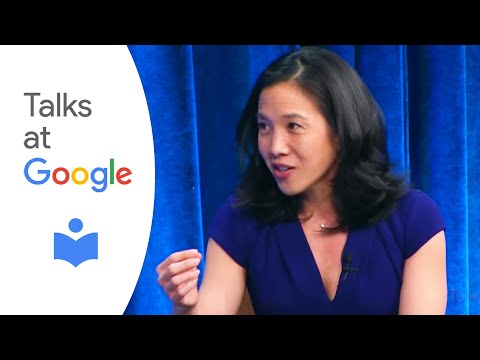
Angela Duckworth: "Grit: The Power of Passion and Perseverance" | Talks at Google
0
羅吉森 posted on 2016/10/11Ever wonder what truly drives success? In this fascinating talk, Angela Duckworth, author of "Grit," challenges the idea that talent alone guarantees achievement, arguing that passion and perseverance are key. You'll discover practical insights into 'deliberate practice' and how to cultivate the grit needed to reach your goals!
Learn this video on the APP!
The VoiceTube App has more in-depth practice for videos!