
around the world
US /əˈraʊnd ði wɜrld/
UK /əˈraund ðə wɜː(r)ld/
- Phrase
- In or to many countries.
- In various places throughout the world.
A2Moreas a whole
US /æz e hol/
UK /æz ə həul/
- Phrase
- Considering everything together; in general.
- Complete; not divided or incomplete.
- Adjective
- Complete; not divided or fragmented.
A1Moreat the same time
US
UK
- Phrase
- Simultaneously; at the identical moment.
- Nevertheless; however; used to introduce a contrasting or qualifying statement.
A1Moreaudience
US /ˈɔdiəns/
UK /ˈɔ:diəns/
- Noun (Countable/Uncountable)
- Group of people attending a play, movie etc.
A2TOEICMorebundle up
US /ˈbʌndl ʌp/
UK /ˈbʌndl ʌp/
- Phrasal Verb
- To dress oneself or someone else in warm clothing.
A1Morecitizen
US /ˈsɪtɪzən/
UK /'sɪtɪzn/
- Noun (Countable/Uncountable)
- Person who belongs to and has rights in a country
- A person who is a member of a community.
B1Moredeal with
US /dil wɪð/
UK /di:l wið/
- Verb (Transitive/Intransitive)
- To buy or sell goods or services.
- Phrasal Verb
- To take action to solve a problem or manage a situation.
- To be about; concern.
A1Moredisagree with
US /ˌdɪsəˈɡri wɪð/
UK /ˌdisəˈɡri: wið/
- Phrasal Verb
- To have a different opinion from someone else.
- Intransitive Verb
- To cause someone to feel ill or uncomfortable.
A1Morefigure out
US /ˈfɪɡjɚ aʊt/
UK /ˈfiɡə aut/
- Phrasal Verb
- To understand the behavior of someone
- To think through logically to find a solution
- Verb (Transitive/Intransitive)
- To understand or find an answer to something.
- To find a solution to a problem or understand something.
A1Morefor free
US /fɔr fri/
UK /fɔ: fri:/
- Phrase
- Without charge; at no cost.
- Adjective
- Available without payment.
A2Morefreak out
US /frik aʊt/
UK /fri:k aut/
- Phrasal Verb
- To react or behave in a wild or irrational way
- To become very anxious, upset, or afraid; to panic.
- Intransitive Verb
- To experience or display extreme emotions, such as fear or panic.
- To have a very disturbing and frightening experience caused by taking drugs.
B2Morego away
US /ɡo əˈwe/
UK /ɡəu əˈwei/
- Phrasal Verb
- To go on vacation
- To leave; depart.
A1Morein fact
US /ɪn fækt/
UK /in fækt/
- Adverb
- Used to emphasize the truth of a statement, especially one that contrasts with or contradicts something else.
- Used to introduce a more detailed or surprising piece of information.
- Phrase
- Used to emphasize the truth of a statement, especially one that is surprising or contrary to what might be expected.
C1Morein order to
US /ɪn ˈɔrdɚ tu/
UK /in ˈɔ:də tu:/
- Preposition
- For the purpose of; with the aim of.
- Phrase
- In a specific sequence or arrangement.
- With the aim of; for the purpose of.
C1Morein public
US /ɪn ˈpʌblɪk/
UK /in ˈpʌblik/
- Phrase
- In a place where anyone can see or hear you.
- Adjective
- Relating to the government or the people as a whole.
B1Morein the middle of
US
UK
- Phrase
- In the central part or point of something.
- Engaged or occupied with something.
A2Morein the world
US /ɪn ði wɜrld/
UK /in ðə wɜː(r)ld/
- Phrase
- Used to emphasize a question expressing surprise, confusion, disbelief
- Used to indicate the extent or degree of something, often in a superlative sense
A1Moreincreasingly
US /ɪnˈkriːsɪŋli/
UK /ɪnˈkri:sɪŋli/
- Adverb
- More and more; in greater degree or amount
A2Morelandscape
US /ˈlændˌskep/
UK /'lændskeɪp/
- Noun
- Area or scene of activity, especially in politics
- Picture of natural scenery in a place
- Transitive Verb
- To make gardens that improve an area of land
B1TOEICMoremessage
US /ˈmɛsɪdʒ/
UK /'mesɪdʒ/
- Noun (Countable/Uncountable)
- Main idea or theme in a story, book, or film
- Piece of information that is told/given to someone
- Transitive Verb
- To communicate using text
A2TOEICMorenext door
US /nɛkst dɔr/
UK /nekst dɔ:/
- Adverb
- Living in the house next to the one mentioned
A1Moreof a certain age
US /əv ə ˈsɜrtən eɪdʒ/
UK /əv ə ˈsɜ:tən eɪdʒ/
- other
- Refers politely to someone who is middle-aged or older.
B2Moreon the lookout
US /ɑn ði ˈlʊkˌaʊt/
UK /ɔn ðə ˈlʊkˌaʊt/
- Adjective
- Vigilantly searching for someone or something.
- Idiom
- To be watching carefully in order to detect something, such as danger or opportunity.
A1Moreother than
US
UK
- Preposition
- Except for; apart from.
- Conjunction
- Different from.
A1Morephysical objects
US
UK
- Noun (plural)
- Tangible items that can be touched or seen; material things.
press
US /prɛs/
UK /pres/
- Noun
- Machine using pressure to shape, flatten, squeeze
- General term for TV, radio, newspapers
- Transitive Verb
- To make clothes smooth using a heated iron; iron
- To repeatedly ask someone to do something
A2TOEICMorerather than
US
UK
- Adverb
- More exactly; more correctly
- Preferably; instead
- Preposition
- Instead of
A1Morereach out
US /ritʃ aʊt/
UK /ri:tʃ aut/
- Phrasal Verb
- To attempt to communicate with someone.
- To offer help and support to someone.
B1Moresame time
US
UK
- Phrase
- Occurring simultaneously or at the same point in time.
- At the identical time as before; recurring at a fixed hour.
- Noun
- An equal duration or period.
A1Moreshow up
US /ʃo ʌp/
UK /ʃəu ʌp/
- Phrasal Verb
- To arrive or be seen at a place, e.g. a party
- To be noticeably better than (someone else)
A1Moreshut down
US /ʃʌt daʊn/
UK /ʃʌt daun/
- Phrasal Verb
- To close an operating system, e.g. on a computer
- To stop a factory/machine from operating
- Transitive Verb
- To deactivate a nuclear reactor.
- To turn off a computer or other electronic device.
A2Moretalk back
US /tɔk bæk/
UK /tɔ:k bæk/
- Phrase
- Phrasal Verb
- To reply rudely or disrespectfully.
A1Morethanks to
US /θæŋks tu/
UK /θæŋks tu:/
- Preposition
- Because of; as a result of.
A1Moreto let
US /tu lɛt/
UK /tu let/
- Preposition
- Indicates that a property is available for rent.
A2Moreturn into
US /tɚn ˈɪntu/
UK /tə:n ˈɪntuː/
- Phrasal Verb
- To change to become something else
- To change your direction to go into a place
A1Moreup there
US /ʌp ðɛr/
UK /ʌp ðɛə/
- Adverb
- In or to a higher place or position; far away.
- In heaven.
A1Moreused to
US /juzd tu/
UK /ˈju:st tə/
- Adjective
- Did regularly before, but don't do now
- Auxiliary Verb
- Have done before, but do not do now
A1Morevote
US /vot/
UK /vəʊt/
- Verb (Transitive/Intransitive)
- To make a choice for or against, as in an election
- Noun
- Act of deciding who to choose in an election
A2Morewith it
US /wɪð ɪt/
UK /wið it/
- Adjective
- Intelligent, alert, and up-to-date.
- Understanding and knowledgeable about current trends or information.
A1More
Vocabulary
- used to: Did regularly before, but don't do now
- in the world: Used to emphasize a question expressing surprise, confusion, disbelief
- in the middle of: In the central part or point of something.
- deal with
- other than: Except for; apart from.
- rather than: More exactly; more correctly
- figure out: To understand the behavior of someone
- shut down: To close an operating system, e.g. on a computer
- on the lookout: Vigilantly searching for someone or something.
- show up: To arrive or be seen at a place, e.g. a party
- physical objects: Tangible items that can be touched or seen; material things.
- of a certain age: Refers politely to someone who is middle-aged or older.
- at the same time: Simultaneously; at the identical moment.
- same time: Occurring simultaneously or at the same point in time.
- next door: Living in the house next to the one mentioned
- turn into: To change to become something else
- for free: Without charge; at no cost.
- around the world: In or to many countries.
- to let: Indicates that a property is available for rent.
- in order to: For the purpose of; with the aim of.
- go away: To go on vacation
- thanks to: Because of; as a result of.
- in public: In a place where anyone can see or hear you.
- with it: Intelligent, alert, and up-to-date.
- in fact: Used to emphasize the truth of a statement, especially one that contrasts with or contradicts something else.
- as a whole: Considering everything together; in general.
- bundle up: To dress oneself or someone else in warm clothing.
- talk back
- freak out: To react or behave in a wild or irrational way
- up there: In or to a higher place or position; far away.
- disagree with: To have a different opinion from someone else.
- reach out: To attempt to communicate with someone.
- people: Persons sharing culture, country, background, etc.
- world: All the humans, events, activities on the earth
- audience: Group of people attending a play, movie etc.
- social: Involving activity with people, e.g. in free time
- produce: Fresh foods such as fruits and vegetables
- press: Machine using pressure to shape, flatten, squeeze
- century: Period of 100 years
- group: Two or more musicians who play music together
- landscape: Area or scene of activity, especially in politics
- Internet: Worldwide computer network system
- citizen: Person who belongs to and has rights in a country
- increasingly: More and more; in greater degree or amount
- message: Main idea or theme in a story, book, or film
- vote: To make a choice for or against, as in an election
- Chinese: Concerning the culture and people of China
Get the full experience in the app
Learn anywhere with detailed sentence and usage analysis
01:03
She took a brave step forward, leaving behind her comfort zone to chase her dreams.
Vocabulary
- brave
adj. Having courage
- comfort zone
phr. A familiar situation where one feels safe
Explanation
a brave step is a noun phrase, where brave is an adjective modifying the noun step, meaning "a courageous step".
forward is an adverb modifying step, meaning "ahead".
The whole phrase serves as the object, answering the "what" of took (verb) — she took a brave step forward.
Get the full experience in the app
Look up words anytime with pronunciation, part of speech, and usage
brave
US/brev/
UK/breɪv/
adj.Brave
v.t.To bravely face
A2 Elementary
Get the full experience in the app
Practice speaking anytime and get instant pronunciation feedback
Try this speaking exercise.
Try practicing with this sentence.
80
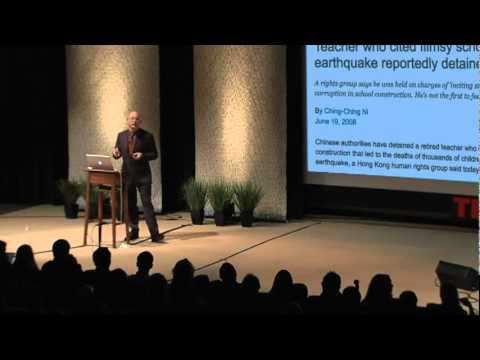
Clay Shirky 談論社交媒體如何創造歷史 (中英雙字幕)
0
王珊菘 posted on 2016/10/09Ever wondered how social media is actually changing the world and making history in real-time? This video dives into the 'Media Revolution,' showing you how citizen journalism and networked groups are transforming everything from campaigns to crisis reporting, and you'll pick up some seriously advanced vocabulary along the way!
Learn this video on the APP!
The VoiceTube App has more in-depth practice for videos!