
activate
US /ˈæktəˌvet/
UK /ˈæktɪveɪt/
- Transitive Verb
- To cause to happen; cause a chemical reaction
- To make something start working
B1Moreafter all
US /ˈæftɚ ɔl/
UK /ˈɑ:ftə ɔ:l/
- Adverb
- In spite of what was expected; used to introduce a statement that supports a previous statement or explains why it was made
- Considering everything; used to indicate that something is happening or is true despite some difficulty or obstacle
- Phrase
- Despite what was expected or thought; in spite of everything.
- Taking everything into consideration; considering that.
B1Moreattack
US /əˈtæk/
UK /ə'tæk/
- Transitive Verb
- To try to destroy, beat, or injure
- Noun
- Act intended to hurt someone physically, mentally
A2Moreavoid
US /əˈvɔɪd/
UK /ə'vɔɪd/
- Transitive Verb
- To prevent from happening
- To stay away from
A2TOEICMorebacteria
US /bækˈtɪriə/
UK /bæk'tɪərɪə/
- Noun (plural)
- The very small creatures that can cause disease
B2Morebacterial
US /bæk'tɪərɪrl/
UK /bæk'tɪərɪəl/
- Adjective
- Concerning or caused by bacteria
B2Morecause
US /kɔz/
UK /kɔ:z/
- Noun
- Belief, goal or organization that people support
- Reason for
- Transitive Verb
- To make something happen; create effect or result
A2Moreclump
US /klʌmp/
UK /klʌmp/
- Noun (Countable/Uncountable)
- Mass or pile of something such as soil
- Small group of trees, etc. growing near each other
- Verb (Transitive/Intransitive)
- To form into a mass or lump
B2Morecosmetic
US /kɑzˈmɛtɪk/
UK /kɒz'metɪk/
- Adjective
- Serving a decorative rather than a useful purpose
B2Moredefend
US /dɪˈfɛnd/
UK /dɪ'fend/
- Transitive Verb
- To protect and explain your position in court
- To protect against an attack
B1TOEICMoredegradation
US /ˌdɛɡrəˈdeʃən/
UK /ˌdegrəˈdeɪʃn/
- Noun (Countable/Uncountable)
- Reduction in quality or character
- The act of treating someone poorly and without respect.
B2Moredelicious
US /dɪˈlɪʃəs/
UK /dɪˈlɪʃəs/
- Adjective
- Very pleasing to eat; especially pleasing
B1TOEICMoredetach
US /dɪˈtætʃ/
UK /dɪˈtætʃ/
- Transitive Verb
- To send away a military unit on a special mission
- To separate something from something larger
B1Morediscount
US /ˈdɪsˌkaʊnt/
UK /ˈdɪskaʊnt/
- Transitive Verb
- To consider to be not important or not true
- To decrease the price of something
- Noun (Countable/Uncountable)
- A decrease in the price of something
- The amount by which the face value of a security exceeds its market price.
A2TOEICMoredisrupt
US /dɪsˈrʌpt/
UK /dɪsˈrʌpt/
- Transitive Verb
- To cause a disturbance in an activity in progress
B2TOEICMoredoom
US /dum/
UK /du:m/
- Noun (Countable/Uncountable)
- Certain of the failure or destruction of
- Very bad, unhappy future event or situation
- Transitive Verb
- To make failure, defeat or death certain for
B2Moreevidence of
US
UK
- Phrase
- Facts, objects, or signs that make you believe that something is true.
- Something that shows that something else exists or is true.
A1Morefertilization
US /ˌfɚtlɪˈzeʃən/
UK /ˌfɜ:təlaɪ'zeɪʃn/
- Uncountable Noun
- Process of a sperm entering an egg in reproduction
- The act or process of adding fertilizer to soil or land.
B1Morefor example
US
UK
- Phrase
- As an illustration or instance.
fungi
US /ˈfʌndʒaɪ/
UK /ˈfʌŋgi:/
- Noun (plural)
- Taxonomic kingdom including yeast
B2Moregrocery
US /'ɡroʊsərɪ/
UK /'ɡrəʊsərɪ/
- Uncountable Noun
- Daily foods such as flour, sugar, and tinned foods
- Countable Noun
- A store that sells food and household supplies.
B2TOEICMoregrow into
US /ɡro ˈɪntu/
UK /ɡrəu ˈɪntuː/
- Phrasal Verb
- To be able to wear clothes that were too big
- To adjust to over time, e.g. a new job
A1Morehalo
US /ˈhelo/
UK /'heɪləʊ/
- Noun
- Circle of light
B2Morehang out
US /hæŋ aʊt/
UK /hæŋ aut/
- Phrasal Verb
- To spend time with your friends
- To spend times with friends or relax doing nothing
A2Morehitch
US /hɪtʃ/
UK /hɪtʃ/
- Verb (Transitive/Intransitive)
- To ask for and get (a ride in someone's car)
- Transitive Verb
- To attach a trailer to a car; tow
B2Moreimmune
US /ɪˈmjoon/
UK /ɪˈmju:n/
- Adjective
- Having a special protection from, e.g. the law
- Protected against a particular disease or condition because of antibodies or vaccination.
B1Morein part
US /ɪn pɑrt/
UK /in pɑ:t/
- Adverb
- To some extent; partially.
A1Morein particular
US /ɪn pɚˈtɪkjəlɚ/
UK /in pəˈtikjulə/
- Phrase
- Specifically; especially.
- Detailed or precise.
A1Moreinfiltrate
US /ɪnˈfɪlˌtret, ˈɪnfɪl-/
UK /ˈɪnfɪltreɪt/
- Verb (Transitive/Intransitive)
- To enter a group, place to get secret information
- (Of liquids/gases) to enter into something slowly
B2Morekill off
US /kɪl ɔf/
UK /kil ɔf/
- Phrasal Verb
- To eliminate or destroy completely; to cause to die.
landfill
US /'lændfɪl/
UK /'lændfɪl/
- Noun (Countable/Uncountable)
- Burial of garbage, as to build up low-lying land
- A site for the disposal of waste materials by burial.
- Transitive Verb
- To fill (land) with waste material.
C1Moremicrobial
US /maɪ'kroʊbɪrl/
UK /maɪ'krəʊbɪəl/
- Adjective
- Concerning, involving or caused by being microbes
C1Moremultiply
US /ˈmʌltəˌplaɪ/
UK /ˈmʌltɪplaɪ/
- Verb (Transitive/Intransitive)
- To increase in number by reproducing/having babies
- To increase something by a large quantity
B1Moremushy
US /ˈmʌʃi, ˈmʊʃi/
UK /'mʌʃɪ/
- Adjective
- Excessively or insincerely emotional
- Soft and pulpy; lacking firmness.
- Uncountable Noun
- A soft, pulpy mass, especially of food.
B2Moreof course
US /ʌv kɔː(r)s/
UK /ɔv kɔː(r)s/
- Adverb
- Sure ; Certainly
- Phrase
- For sure; certainly
A2Moreon the market
US
UK
- Phrase
- Available for sale.
- Actively seeking employment.
A2Moreon the surface
US /ɑn ði ˈsɚfəs/
UK /ɔn ðə ˈsə:fis/
- Phrase
- Appearing to be true or real until examined more closely.
- Located on the outer part or uppermost layer of something.
B2Moreoutward
US /ˈaʊtwəd/
UK /ˈaʊtwəd/
- Adjective
- Going away from a place that will be returned to
- Seeming to be from the outside
B1Morepatch
US /pætʃ/
UK /pætʃ/
- Noun
- Cover worn over an eye to protect or hide it
- Piece of ground on vegetation grows
- Transitive Verb
- To join or unite, e.g. two phone calls
- To repair hole by sewing a piece of cloth over it
B1TOEICMorepathogen
US /ˈpæθədʒən/
UK /ˈpæθədʒən/
- Noun
- Any disease-producing agent
C1Moreplant
US /plænt/
UK /plɑ:nt/
- Noun (Countable/Uncountable)
- Factory or a place where things are made
- Living thing with leaves and roots growing in soil
- Transitive Verb
- To firmly position something (in the ground)
- To put seeds, flowers, trees in the ground
A2TOEICMorerefrigerator
US /rɪˈfrɪdʒəˌretɚ/
UK /rɪˈfrɪdʒəreɪtə(r)/
- Countable Noun
- An electric cool box for keeping food fresh
- A container or room for keeping things cool.
B1Moreride on
US /raɪd ɑn/
UK /raid ɔn/
- Phrasal Verb
- To continue as planned, despite difficulties.
- To depend on something for success.
A1Morerot
US /rɑ:t/
UK /rɒt/
- Intransitive Verb
- To break down into pieces through dying; decay
- Uncountable Noun
- The process or state of decaying or rotting.
- Foolish or nonsensical talk or ideas.
B2Moresink
US /sɪŋk/
UK /sɪŋk/
- Transitive Verb
- To push something down into the ground
- To dig (a well)
- Countable Noun
- Large bowl in a kitchen or washroom for washing
A2TOEICMorespot
US /spɑt/
UK /spɒt/
- Noun
- A certain place or area
- A difficult time; awkward situation
- Transitive Verb
- To see someone or something by chance
A2TOEICMorestore
US /stɔr, stor/
UK /stɔ:(r)/
- Transitive Verb
- To put things in a place for later use
- Noun (Countable/Uncountable)
- Place where things are kept for future use
- Place where you can go to buy things
A2TOEICMoresuppress
US /səˈprɛs/
UK /səˈpres/
- Transitive Verb
- To prevent the display of emotion or feeling
- To use force to prevent something happening
B1TOEICMoresurface
US /ˈsɚfəs/
UK /'sɜ:fɪs/
- Transitive Verb
- To give (road) a top layer
- Intransitive Verb
- To appear after being hidden, unseen, or unknown
- To come to the top of something; emerge
A2TOEICMoretomato
US /təˈmeto/
UK /təˈmɑ:təu/
- Noun (Countable/Uncountable)
- Round soft red vegetable, fruit used in sauces
- The plant Solanum lycopersicum that produces tomatoes.
- Adjective
- Having a red color similar to that of a ripe tomato.
A2Moretoxin
US /ˈtɑ:ksɪn/
UK /ˈtɒksɪn/
- Noun
- Any poisonous substance
B1Moretransport
US /ˈtrænspɔ:rt/
UK /ˈtrænspɔ:t/
- Uncountable Noun
- Very strong uncontrollable emotion, e.g. delight
- Transitive Verb
- To carry things from one place to another
- To cause to feel you are in a previous time
A2Moretrash
US /træʃ/
UK /træʃ/
- Uncountable Noun
- Garbage or anything that is worthless
- Transitive Verb
- To throw away in the garbage
- To criticize; claim person/thing is inferior
B2TOEICMoretypically
US /ˈtɪpɪklɪ/
UK /ˈtɪpɪkli/
- Adverb
- In a normal or usual way
B1Moreused up
US
UK
- Phrasal Verb
- To use all of; consume
- Adjective
- Exhausted or depleted.
A1Morewaste
US /west/
UK /weɪst/
- Transitive Verb
- To kill or severely harm someone
- To use valuable things ineffectively
- Uncountable Noun
- Materials left over after a process has finished
A2TOEICMorework on
US /wɚk ɑn/
UK /wə:k ɔn/
- Phrasal Verb
- To devote effort to improve or develop something
- To try to persuade or influence someone.
A1Morewound
US /waʊnd/
UK /waʊnd/
- Transitive Verb
- To rotate a part of say a watch to make it work
- To hurt someone emotionally
- Noun (Countable/Uncountable)
- Sadness or displeasure caused by a bad memory
- Physical injury, especially that suffered in war
A2More
Vocabulary
- on the surface: Appearing to be true or real until examined more closely.
- in part: To some extent; partially.
- on the market: Available for sale.
- used up: To use all of; consume
- evidence of: Facts, objects, or signs that make you believe that something is true.
- work on: To devote effort to improve or develop something
- grow into: To be able to wear clothes that were too big
- for example: As an illustration or instance.
- kill off: To eliminate or destroy completely; to cause to die.
- in particular: Specifically; especially.
- after all: In spite of what was expected; used to introduce a statement that supports a previous statement or explains why it was made
- of course: Sure ; Certainly
- ride on: To continue as planned, despite difficulties.
- hang out: To spend time with your friends
- cause: Belief, goal or organization that people support
- spot: A certain place or area
- immune: Having a special protection from, e.g. the law
- grocery: Daily foods such as flour, sugar, and tinned foods
- typically: In a normal or usual way
- avoid: To prevent from happening
- surface: To give (road) a top layer
- grow: To get bigger and more mature; make plants do this
- produce: Fresh foods such as fruits and vegetables
- space: Empty area kept for a specific reason, like a car
- wind: A current of air moving approximately horizontally, especially one strong enough to be felt
- bacteria: The very small creatures that can cause disease
- waste: To kill or severely harm someone
- water: Clear liquid that forms the seas, rivers and rain
- sink: To push something down into the ground
- store: To put things in a place for later use
- plant: Factory or a place where things are made
- bad: Not good; wrong
- disrupt: To cause a disturbance in an activity in progress
- attack: To try to destroy, beat, or injure
- wound: To rotate a part of say a watch to make it work
- pathogen: Any disease-producing agent
- dead: Not alive
- suppress: To prevent the display of emotion or feeling
- multiply: To increase in number by reproducing/having babies
- doom: Certain of the failure or destruction of
- trash: Garbage or anything that is worthless
- defend: To protect and explain your position in court
- patch: Cover worn over an eye to protect or hide it
- cosmetic: Serving a decorative rather than a useful purpose
- activate: To cause to happen; cause a chemical reaction
- sick: Having a physical or mental illness
- toxin: Any poisonous substance
- landfill: Burial of garbage, as to build up low-lying land
- refrigerator: An electric cool box for keeping food fresh
- delicious: Very pleasing to eat; especially pleasing
- fungi: Taxonomic kingdom including yeast
- fruit: Result or product of something
- rot: To break down into pieces through dying; decay
- discount: To consider to be not important or not true
- transport: Very strong uncontrollable emotion, e.g. delight
- kill: To cause someone to experience a lot of pain
- clump: Mass or pile of something such as soil
- enter: To start a career or an education
- infiltrate: To enter a group, place to get secret information
- detach: To send away a military unit on a special mission
- degradation: Reduction in quality or character
- mushy: Excessively or insincerely emotional
- outward: Going away from a place that will be returned to
- halo: Circle of light
- bacterial: Concerning or caused by bacteria
- hitch: To ask for and get (a ride in someone's car)
- microbial: Concerning, involving or caused by being microbes
- tomato: Round soft red vegetable, fruit used in sauces
- yellow: Color of lemons or the sun
- chlorophyll: Green substance in plants that absorbs energy from sunlight to help them grow
- fertilization: Process of a sperm entering an egg in reproduction
- coli: Type of bacterium
- pseudomonas: Type genus of the family Pseudomonodaceae
Get the full experience in the app
Learn anywhere with detailed sentence and usage analysis
01:03
She took a brave step forward, leaving behind her comfort zone to chase her dreams.
Vocabulary
- brave
adj. Having courage
- comfort zone
phr. A familiar situation where one feels safe
Explanation
a brave step is a noun phrase, where brave is an adjective modifying the noun step, meaning "a courageous step".
forward is an adverb modifying step, meaning "ahead".
The whole phrase serves as the object, answering the "what" of took (verb) — she took a brave step forward.
Get the full experience in the app
Look up words anytime with pronunciation, part of speech, and usage
brave
US/brev/
UK/breɪv/
adj.Brave
v.t.To bravely face
A2 Elementary
Get the full experience in the app
Practice speaking anytime and get instant pronunciation feedback
Try this speaking exercise.
Try practicing with this sentence.
80
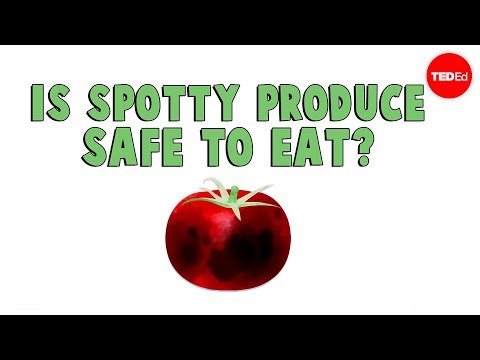
【TED-Ed】Are spotty fruits and vegetables safe to eat? - Elizabeth Brauer
0
VoiceTube posted on 2016/09/25Ever wondered if those spotty fruits and veggies are still good to eat? This video dives into the science behind produce spoilage and food safety, giving you practical tips on washing and storing your food to reduce waste. You'll pick up some advanced vocabulary and learn fascinating facts about plant pathogens that are super useful for daily life!
Learn this video on the APP!
The VoiceTube App has more in-depth practice for videos!