
amazing
US /ə'meɪzɪŋ/
UK /ə'meɪzɪŋ/
- Adjective
- Surprising in a pleasing way
- Transitive Verb
- To cause wonder; to surprise completely
A2Moreas soon as
US /æz sun æz/
UK /æz su:n æz/
- Phrase
- In a short time after (something happens)
- Without any delay; immediately
- Conjunction
- At the moment that, or immediately after.
A1Morebasically
US /ˈbesɪkəli,-kli/
UK /ˈbeɪsɪkli/
- Adverb
- Used before you explain something simply, clearly
- In essence; when you consider the most important aspects of something.
A2Morecareful
US /ˈkerfl/
UK /ˈkeəfl/
- Adjective
- Trying not to make mistakes; working slowly
- Cautious and attentive to potential dangers or problems.
A2Morecheck out
US /tʃɛk aʊt/
UK /tʃek aut/
- Phrase
- Phrasal Verb
- To find out information about something
- To take books out of a library
A1Moreconfusing
US /kənˈfjuzɪŋ/
UK /kənˈfju:zɪŋ/
- Transitive Verb
- To make something unclear or hard to understand
- Adjective
- Being hard to understand
A2MoreDouble
US /ˈdʌbəl/
UK /'dʌbl/
- Countable Noun
- Person that is exactly like someone else
- Adjective
- Concerning or intended for use by two people
- Two times the amount or degree; twice
A2Moreeducate
US /ˈɛdʒəˌket/
UK /ˈedʒukeɪt/
- Transitive Verb
- To teach someone in a school or college
A2Morefor example
US
UK
- Phrase
- As an illustration or instance.
go nowhere
US
UK
- Intransitive Verb
- To be unsuccessful; to not achieve any progress or positive result.
- To lead to no particular place or destination.
A1Moregrammar
US /ˈɡræmɚ/
UK /ˈgræmə(r)/
- Uncountable Noun
- Book describing the syntactic rules of a language
- Rules explaining how words are used in a language
B1Morehave to
US /hæv tu/
UK /ˈhæv tə/
- Auxiliary Verb
- Must do
A1Morelook at
US /lʊk æt/
UK /luk æt/
- Phrasal Verb
- To use your eyes to focus on something
- To focus your eyes on something carefully
A1Moremath
US /mæθ/
UK /mæθ/
- Uncountable Noun
- Study or science of numbers and shapes
A2Moremomma
US /ˈmɑmə/
UK /ˈmɑ:mə/
- Noun
- A mother
B2Morenegative
US /ˈnɛɡətɪv/
UK /'neɡətɪv/
- Noun
- The opposite to a positive electrical charge
- In grammar, containing words such as 'no' or 'not'
- Adjective
- Being harmful, unwanted or unhelpful
- In mathematics, being less than zero
A2Morepen
US /pɛn/
UK /pen/
- Countable Noun
- Small fenced area where people or animals are kept
- Writing tool that uses ink
- Transitive Verb
- To put animals, people in a fenced or closed area
- To write (a song, love letter, etc.)
A2Morepizza
US /ˈpitsə/
UK /ˈpi:tsə/
- Noun (Countable/Uncountable)
- Round Italian food with cheese cooked in an oven
A2Morepositive
US /ˈpɑzɪtɪv/
UK /ˈpɒzətɪv/
- Adjective
- Showing agreement or support for something
- Being sure about something; knowing the truth
- Noun
- A photograph in which light areas are light and dark areas are dark
A2Morerapper
US /ˈræpɚ/
UK /ˈræpə(r)/
- Noun
- Singer who performs rap music
B1Morerefinement
US /rɪˈfaɪnmənt/
UK /rɪˈfaɪnmənt/
- Uncountable Noun
- Act of changing slightly to make it better
- Small but meaningful improvement to make very good
B1Moresatisfaction
US /ˌsætɪsˈfækʃən/
UK /ˌsætɪs'fækʃn/
- Uncountable Noun
- Happy feeling because of something that you did
- Providing enough to make someone happy
B1TOEICMoreslang
US /slæŋ/
UK /slæŋ/
- Uncountable Noun
- Words or phrases used in a very informal way
B1Morestupid
US /ˈstu:pɪd/
UK /ˈstju:pɪd/
- Adjective
- Not intelligent; lacking ability to learn easily
- Noun
- A stupid person.
A2Moreterrible
US /ˈtɛrəbəl/
UK /ˈterəbl/
- Adjective
- Very bad; horrible
- Causing great fear; frightening
A2TOEICMoreto do with
US
UK
- Phrasal Verb
- To be about something; concern
A1More
Vocabulary
- have to: Must do
- for example: As an illustration or instance.
- to do with: To be about something; concern
- as soon as: In a short time after (something happens)
- look at: To use your eyes to focus on something
- check out
- go nowhere: To be unsuccessful; to not achieve any progress or positive result.
- basically: Used before you explain something simply, clearly
- negative: The opposite to a positive electrical charge
- positive: Showing agreement or support for something
- sentence: (Of a judge) to decide the punishment of
- good: Proper, appropriate or right
- question: To ask for or try to get information
- change: To exchange one set of clothes for another
- learn: To get knowledge or skills by study or experience
- raise: To increase a bet above another when playing cards
- sound: Sensible, dependable and reliable
- give: Degree of flexibility in something, a material
- bring: To take or go with someone to a place
- English: Language of the UK, USA, Nigeria and elsewhere
- word: Unit of language that has a meaning
- grammar: Book describing the syntactic rules of a language
- slang: Words or phrases used in a very informal way
- verb: Word that expresses an action or state
- amazing: Surprising in a pleasing way
- check: Paper showing how much you owe at a restaurant
- difference: A thing or issue that people do not agree about
- terrible: Very bad; horrible
- satisfaction: Happy feeling because of something that you did
- stupid: Not intelligent; lacking ability to learn easily
- Double: Person that is exactly like someone else
- confusing: To make something unclear or hard to understand
- careful: Trying not to make mistakes; working slowly
- educate: To teach someone in a school or college
- math: Study or science of numbers and shapes
- pen: Small fenced area where people or animals are kept
- refinement: Act of changing slightly to make it better
- pizza: Round Italian food with cheese cooked in an oven
- rapper: Singer who performs rap music
- momma: A mother
Get the full experience in the app
Learn anywhere with detailed sentence and usage analysis
01:03
She took a brave step forward, leaving behind her comfort zone to chase her dreams.
Vocabulary
- brave
adj. Having courage
- comfort zone
phr. A familiar situation where one feels safe
Explanation
a brave step is a noun phrase, where brave is an adjective modifying the noun step, meaning "a courageous step".
forward is an adverb modifying step, meaning "ahead".
The whole phrase serves as the object, answering the "what" of took (verb) — she took a brave step forward.
Get the full experience in the app
Look up words anytime with pronunciation, part of speech, and usage
brave
US/brev/
UK/breɪv/
adj.Brave
v.t.To bravely face
A2 Elementary
Get the full experience in the app
Practice speaking anytime and get instant pronunciation feedback
Try this speaking exercise.
Try practicing with this sentence.
80
0
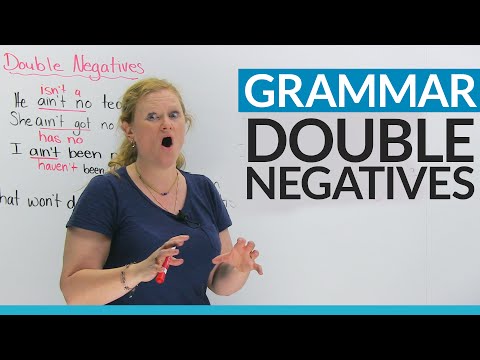
HQQ posted on 2016/09/20Ever accidentally say something twice negative? This fun grammar lesson breaks down how to avoid common mistakes with "ain't" and "any" so you can sound more natural! You'll pick up practical tips for everyday conversations and even learn why Mick Jagger might have gotten it wrong!
Learn this video on the APP!
The VoiceTube App has more in-depth practice for videos!