
absent
US /ˈæbsənt/
UK /ˈæbsənt/
- Adjective
- Not present at a usual or expected place
- Without paying attention
- Verb (Transitive/Intransitive)
- To keep (oneself) away.
A2TOEICMoreacademic
US /ˌækəˈdɛmɪk/
UK /ˌækə'demɪk/
- Adjective
- Concerning education, schools, universities, etc.
- Concerning education, schools, universities, etc.
- Noun (Countable/Uncountable)
- Educator teaching at a college or university
- A subject taught at schools and universities.
B1Moreacademically
US /ˌækə'demɪklɪ/
UK /ˌækə'demɪklɪ/
- Adverb
- In regard to teaching or learning
B2Moreachievement
US /əˈtʃivmənt/
UK /əˈtʃi:vmənt/
- Noun (Countable/Uncountable)
- Something good that you have successfully done
- Success in school or studies.
A2TOEICMoreadult
US / əˈdʌlt, ˈædʌlt/
UK /ˈædʌlt/
- Noun (Countable/Uncountable)
- Person or animal that is fully grown
- A fully grown animal.
- Adjective
- Being fully grown; mature; no longer a teenager
- Containing sexually explicit material.
A2TOEICMoreaffect
US /əˈfɛkt/
UK /ə'fekt/
- Transitive Verb
- To cause a change in something else
- To pretend to have or feel (something).
- Noun
- (Psychology) Emotion or feeling.
A2TOEICMoreapologize
US /əˈpɑləˌdʒaɪz/
UK /ə'pɒlədʒaɪz/
- Intransitive Verb
- To say sorry because of a mistake or injury
A2TOEICMoreas opposed to
US
UK
- Preposition
- In contrast to; rather than.
- Instead of; in place of.
A1Moreat the same time
US
UK
- Phrase
- Simultaneously; at the identical moment.
- Nevertheless; however; used to introduce a contrasting or qualifying statement.
A1Moreattendance
US /əˈtɛndəns/
UK /əˈtendəns/
- Noun (Countable/Uncountable)
- Number of people present at a place or event
- State of being present at a place or event
B2TOEICMorechampion
US /'tʃæmpɪən/
UK /'tʃæmpɪən/
- Noun (Countable/Uncountable)
- Person who fights for or supports strongly
- The title given to the winner of a competition.
- Transitive Verb
- To support or fight for something you believe in
A2Morecolleague
US /ˈkɑlˌiɡ/
UK /'kɒli:ɡ/
- Noun (Countable/Uncountable)
- Person you work or cooperate with
- A fellow member of a profession
A2Moreconnection
US /kəˈnɛkʃən/
UK /kəˈnekʃn/
- Noun (Countable/Uncountable)
- Something that joins things together; being joined
- Person you know who can help you in some way
A2Moredeficient
US /dɪˈfɪʃənt/
UK /dɪˈfɪʃnt/
- Adjective
- Lacking something necessary
B2Moredeserve
US /dɪˈzɚv/
UK /dɪ'zɜ:v/
- Transitive Verb
- To be worthy of, e.g. getting praise or attention
A2TOEICMoredrawer
US /ˈdrɔɚ/
UK /drɔ:(r)/
- Countable Noun
- Sliding box of a desk, closet used to store things
- An undergarment covering the lower part of the body and having two holes for the legs.
B1Moredrop out
US /drɑp aʊt/
UK /drɔp aut/
- Phrasal Verb
- To take no part in a society you disapprove of
- To quit school, a club or activity
- Intransitive Verb
- To quit a course of study or training.
A1Moreedition
US /ɪˈdɪʃən/
UK /ɪˈdɪʃn/
- Noun (Countable/Uncountable)
- Form in which a book, magazine etc. is released
- All the copies of a book, newspaper, etc. printed at one time.
B1Moreeducation
US /ˌɛdʒəˈkeʃən/
UK /ˌedʒuˈkeɪʃn/
- Uncountable Noun
- Academic field studying the practice of teaching
- Process of giving or receiving teaching
A2TOEICMorefeel like
US
UK
- Intransitive Verb
- To have a desire or inclination for something.
- To have a particular quality or sensation; resemble.
A1Morefuneral
US /ˈfjunərəl/
UK /ˈfju:nərəl/
- Noun
- Ceremony of burying, burning a dead body
- Adjective
- Relating to or characteristic of a funeral; mournful or somber.
B1Moreget here
US
UK
- Intransitive Verb
- To arrive at a specific location.
A1Moregive up
US /ɡɪv ʌp/
UK /ɡiv ʌp/
- Phrasal Verb
- To lose hope or admit defeat
- To decide to not start to try solving a problem
A1Morego on
US /ɡo ɑn/
UK /ɡəu ɔn/
- Phrasal Verb
- To continue doing something
- To happen (usually negative)
- Interjection
- Used to encourage someone
A1Morehall
US /hɔl/
UK /hɔ:l/
- Noun (Countable/Uncountable)
- Area just inside the entrance of a building
- Large room/building for public events/gatherings
A2Morehave to
US /hæv tu/
UK /ˈhæv tə/
- Auxiliary Verb
- Must do
A1Moreimpress
US /ɪmˈprɛs/
UK /ɪm'pres/
- Transitive Verb
- To make an emotional impact upon
- To press into a soft material to make a pattern
- Noun
- A mark or design made by stamping.
A2TOEICMorein shock
US
UK
- Phrase
- When not enough blood flows round the body
A2Moreinsist
US /ɪnˈsɪst/
UK /ɪn'sɪst/
- Transitive Verb
- To demand that someone do something
- Intransitive Verb
- To strongly state your opinion without changing it
A2TOEICMorejoy
US /dʒɔɪ/
UK /dʒɔɪ/
- Uncountable Noun
- Deep happiness and pleasure about something
- Thing or person that causes pleasure or happiness
- Intransitive Verb
- To experience happiness or to be glad
A2Morelegacy
US /ˈlɛɡəsi/
UK /'leɡəsɪ/
- Noun (Countable/Uncountable)
- Literature, arts etc. from previous generations
- Something left or given by a person who has died
- Adjective
- Relating to old or outdated computer systems or software.
B2TOEICMorelook at
US /lʊk æt/
UK /luk æt/
- Phrasal Verb
- To use your eyes to focus on something
- To focus your eyes on something carefully
A1Moremama
US /ˈmɑmə/
UK /'mæmə/
- Noun
- A mother
B2Morematernal
US /məˈtɜ:rnl/
UK /məˈtɜ:nl/
- Adjective
- Of mothers or being a mother
B2TOEICMoremath
US /mæθ/
UK /mæθ/
- Uncountable Noun
- Study or science of numbers and shapes
A2Morenegative
US /ˈnɛɡətɪv/
UK /'neɡətɪv/
- Noun
- The opposite to a positive electrical charge
- In grammar, containing words such as 'no' or 'not'
- Adjective
- Being harmful, unwanted or unhelpful
- In mathematics, being less than zero
A2Moreoccur
US /əˈkɚ/
UK /əˈkɜ:(r)/
- Intransitive Verb
- To come to pass or to happen
- To be found to exist; to be present.
A2TOEICMoreof course
US /ʌv kɔː(r)s/
UK /ɔv kɔː(r)s/
- Adverb
- Sure ; Certainly
- Phrase
- For sure; certainly
A2Moreon a roll
US /ɑn e rol/
UK /ɔn ə rəul/
- Idiom
- Experiencing a period of success or good luck.
- Having a continuous series of achievements or positive events.
A1Moreon the way
US /ɑn ði we/
UK /ɔn ðə wei/
- Phrase
- During the journey to a particular place.
A1Moreoppose
US /əˈpoʊz/
UK /əˈpəʊz/
- Verb (Transitive/Intransitive)
- To fight against someone in a contest or game
- To disagree with something and try to prevent it from happening or succeeding.
A2Morepeanut
US /ˈpiˌnʌt/
UK /ˈpi:nʌt/
- Countable Noun
- Edible small nut which grows under the ground
- A very small amount of money.
B2Morepeer
US /pɪr/
UK /pɪə(r)/
- Noun (Countable/Uncountable)
- A noble, but not royal, person, e.g. lord or duke
- Person of the same age, class or situation
- Intransitive Verb
- To look closely and carefully, as if hard to see
B2Morepolicy
US /ˈpɑlɪsi/
UK /'pɒləsɪ/
- Noun
- Document stating terms of an insurance agreement
- Course of action proposed by an organization, etc.
A2TOEICMorepoverty
US /ˈpɑvəti/
UK /ˈpɔvəti/
- Uncountable Noun
- State of being poor
- Lack of something necessary
B1Morepowerful
US /ˈpaʊəfəl/
UK /ˈpauəful/
- Adjective
- Having control or influence over
- Having a lot of physical force, energy, strength
A2TOEICMorequiz
US /kwɪz/
UK /kwɪz/
- Noun (Countable/Uncountable)
- A game in which players answer questions on topics
- Brief spoken or written test, given to students
- Transitive Verb
- To ask a person many questions about something
B1Morerarely
US /ˈrɛrli/
UK /ˈrɛəli/
- Adverb
- Not often (seen, done, etc.); infrequently
A2TOEICMorerecess
US /ˈriˌsɛs, rɪˈsɛs/
UK /rɪ'ses/
- Noun
- An area that is set back in a room or building
- Break between school classes
- Verb (Transitive/Intransitive)
- To interrupt an activity for a short period of time
B2Morereform
US /rɪˈfɔrm/
UK /rɪ'fɔ:m/
- Transitive Verb
- To re-shape something to a better condition
- To (cause to) lead a non-criminal life
- Noun
- An improvement, especially in a person's behaviour or in the structure of something
A2Morerelationship
US /rɪˈleʃənˌʃɪp/
UK /rɪˈleɪʃnʃɪp/
- Noun (Countable/Uncountable)
- Connection between two or more people or things
- Way people interact or live with each other
A2TOEICMoreretire
US /rɪˈtaɪr/
UK /rɪ'taɪə(r)/
- Transitive Verb
- To stop using, producing, or servicing something
- Intransitive Verb
- To stop taking part in a competition or game
- To quit having jobs because you are old
A2TOEICMorereview
US / rɪˈvju/
UK /rɪˈvju:/
- Transitive Verb
- To carefully look at the quality of something
- To formally examine something in the military
- Noun
- Examination of soldiers and supplies
- Opinion, as in a paper, about movie, book, or play
A2TOEICMoresame time
US
UK
- Phrase
- Occurring simultaneously or at the same point in time.
- At the identical time as before; recurring at a fixed hour.
- Noun
- An equal duration or period.
A1Moreseek
US /sik/
UK /si:k/
- Transitive Verb
- To ask someone for help
- To search for; try to find or do; look for
A2TOEICMoreshow up
US /ʃo ʌp/
UK /ʃəu ʌp/
- Phrasal Verb
- To arrive or be seen at a place, e.g. a party
- To be noticeably better than (someone else)
A1Moresignificant
US /sɪɡˈnɪfɪkənt/
UK /sɪgˈnɪfɪkənt/
- Adjective
- Large enough to be noticed or have an effect
- Having meaning; important; noticeable
A2TOEICMoresoap
US /sop/
UK /səʊp/
- Noun (Countable/Uncountable)
- Hard cream-like substance used to wash something
- A TV serial
- Transitive Verb
- To put soap on something so it can be cleaned
A2Morestink
US /stɪŋk/
UK /stɪŋk/
- Intransitive Verb
- To smell terrible
B2Moretalking about
US
UK
- Phrasal Verb
- To discuss a particular topic.
- To be constantly mentioning or bringing up a subject.
A1Moretough
US /tʌf/
UK /tʌf/
- Adjective
- (Of food) difficult to chew or bite through
- Very difficult to do or deal with
- Noun
- A rough and aggressive person.
A2Morewalk down
US /wɔk daʊn/
UK /wɔ:k daun/
- Phrasal Verb
- To walk along or down something.
- To proceed along an aisle, especially at a wedding.
A1More
Vocabulary
- look at: To use your eyes to focus on something
- have to: Must do
- feel like: To have a desire or inclination for something.
- on the way: During the journey to a particular place.
- talking about: To discuss a particular topic.
- drop out: To take no part in a society you disapprove of
- as opposed to: In contrast to; rather than.
- in shock: When not enough blood flows round the body
- at the same time: Simultaneously; at the identical moment.
- same time: Occurring simultaneously or at the same point in time.
- walk down: To walk along or down something.
- get here: To arrive at a specific location.
- on a roll: Experiencing a period of success or good luck.
- go on: To continue doing something
- of course: Sure ; Certainly
- show up: To arrive or be seen at a place, e.g. a party
- give up: To lose hope or admit defeat
- teach: To help someone learn or do something
- lesson: Something done to learn or teach something; class
- watch: To keep in check, manage, or control something
- teacher: Person who teaches others, especially in a school
- learn: To get knowledge or skills by study or experience
- adult: Person or animal that is fully grown
- desk: Piece of furniture like a table often with drawers
- people: Persons sharing culture, country, background, etc.
- put: To move or place a thing in a particular position
- show: To be easily seen or displayed
- child: A very young person, between about 2 and 15
- class: To place things into groups by common qualities
- good: Proper, appropriate or right
- look: Person's beauty or physical attractiveness
- life: All the living things e.g. animals, plants, humans
- afraid: Worried that something bad will happen; scared
- academically: In regard to teaching or learning
- difference: A thing or issue that people do not agree about
- drawer: Sliding box of a desk, closet used to store things
- soap: Hard cream-like substance used to wash something
- simple: Not hard to understand or do; not complex
- colleague: Person you work or cooperate with
- cry: To sound an animal may make to call its family
- idea: Belief, thought, suggestion, opinion or plan
- academic: Concerning education, schools, universities, etc.
- hall: Area just inside the entrance of a building
- quiz: A game in which players answer questions on topics
- negative: The opposite to a positive electrical charge
- missed: To be absent
- math: Study or science of numbers and shapes
- connection: Something that joins things together; being joined
- champion: Person who fights for or supports strongly
- review: To carefully look at the quality of something
- relationship: Connection between two or more people or things
- education: Academic field studying the practice of teaching
- powerful: Having control or influence over
- apologize: To say sorry because of a mistake or injury
- insist: To demand that someone do something
- absent: Not present at a usual or expected place
- deserve: To be worthy of, e.g. getting praise or attention
- peanut: Edible small nut which grows under the ground
- retire: To stop using, producing, or servicing something
- disappear: To no longer see because it's not there any more
- rarely: Not often (seen, done, etc.); infrequently
- achievement: Something good that you have successfully done
- significant: Large enough to be noticed or have an effect
- tough: (Of food) difficult to chew or bite through
- funeral: Ceremony of burying, burning a dead body
- impress: To make an emotional impact upon
- poverty: State of being poor
- seek: To ask someone for help
- edition: Form in which a book, magazine etc. is released
- affect: To cause a change in something else
- occur: To come to pass or to happen
- joy: Deep happiness and pleasure about something
- oppose: To fight against someone in a contest or game
- policy: Document stating terms of an insurance agreement
- attendance: Number of people present at a place or event
- deficient: Lacking something necessary
- peer: A noble, but not royal, person, e.g. lord or duke
- reform: To re-shape something to a better condition
- legacy: Literature, arts etc. from previous generations
- betcha: A contraction of 'bet you', used to express confidence in a statement or challenge someone.
- smiley: An emoticon of a smiling face
- maternal: Of mothers or being a mother
- stink: To smell terrible
- recess: An area that is set back in a room or building
- mama: A mother
Get the full experience in the app
Learn anywhere with detailed sentence and usage analysis
01:03
She took a brave step forward, leaving behind her comfort zone to chase her dreams.
Vocabulary
- brave
adj. Having courage
- comfort zone
phr. A familiar situation where one feels safe
Explanation
a brave step is a noun phrase, where brave is an adjective modifying the noun step, meaning "a courageous step".
forward is an adverb modifying step, meaning "ahead".
The whole phrase serves as the object, answering the "what" of took (verb) — she took a brave step forward.
Get the full experience in the app
Look up words anytime with pronunciation, part of speech, and usage
brave
US/brev/
UK/breɪv/
adj.Brave
v.t.To bravely face
A2 Elementary
Get the full experience in the app
Practice speaking anytime and get instant pronunciation feedback
Try this speaking exercise.
Try practicing with this sentence.
80
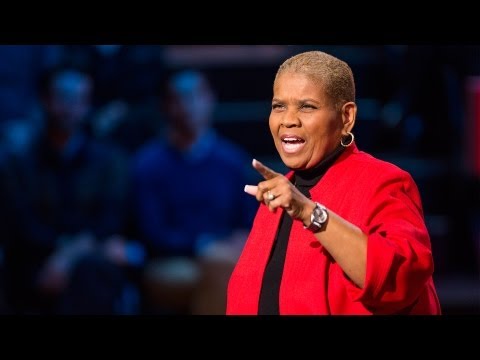
【TED】Rita Pierson: Every kid needs a champion
0
VoiceTube posted on 2013/05/21Ever wonder what makes a real difference in a student's life? This inspiring TED Talk from Rita Pierson dives into the power of teacher-student bonds and why every kid truly needs a champion. You'll pick up valuable insights on positive reinforcement and classroom strategies that are super practical!
Learn this video on the APP!
The VoiceTube App has more in-depth practice for videos!