
activate
US /ˈæktəˌvet/
UK /ˈæktɪveɪt/
- Transitive Verb
- To cause to happen; cause a chemical reaction
- To make something start working
B1Moreaffect
US /əˈfɛkt/
UK /ə'fekt/
- Transitive Verb
- To cause a change in something else
- To pretend to have or feel (something).
- Noun
- (Psychology) Emotion or feeling.
A2TOEICMoreall the things
US
UK
- Pronoun
- Everything; all items or aspects
- Determiner
- Every item or object being considered or discussed.
A1Morealter
US /ˈɔltɚ/
UK /ˈɔ:ltə(r)/
- Transitive Verb
- To change so (clothing) fits better
- Verb (Transitive/Intransitive)
- To change or modify something.
- To become different; to change.
A2TOEICMoreautism
US /ˈɔˌtɪzəm/
UK /ˈɔ:tɪzəm/
- Uncountable Noun
- Disorder that prevents normal communication
B2Moreautistic
US /ɔ:'tɪstɪk/
UK /ɔ:'tɪstɪk/
- Adjective
- Suffering from autism
B2Morebacterium
US /bækˈtɪriəm/
UK /bæk'tɪərɪəm/
- Countable Noun
- The very small creatures that can cause disease
B2Morebar
US /bɑ:r/
UK /bɑ:(r)/
- Noun (Countable/Uncountable)
- Piece of (soap, chocolate etc.)
- Professional organization of lawyers and judges
- Transitive Verb
- To prevent entry, exit or an action
A2Morebase
US /bes/
UK /beɪs/
- Noun (Countable/Uncountable)
- Place military personnel live, train, and operate
- Bottom part of an object that touches a surface
- Transitive Verb
- To use as the starting point or origin for
- To have as the main location for (company, etc.)
A2TOEICMorebug
US /bʌɡ/
UK /bʌɡ/
- Transitive Verb
- To bother someone
- To hide an electronic device to spy on someone
- Countable Noun
- An insect
- Problem in the functioning of computer code
B1Morecommunication
US /kəˌmjunɪˈkeʃən/
UK /kəˌmju:nɪ'keɪʃn/
- Noun (Countable/Uncountable)
- Talking to people; giving information to people
- The process of conveying information, ideas, or feelings through language or other means.
A2Morecomprise
US /kəmˈpraɪz/
UK /kəm'praɪz/
- Transitive Verb
- To be made up of (different parts)
B1Morecontribute
US /kənˈtrɪbjut/
UK /kən'trɪbju:t/
- Verb (Transitive/Intransitive)
- To be a factor in causing something to happen
- To donate, give (money) or help to something
A2Moredepict
US /dɪˈpɪkt/
UK /dɪ'pɪkt/
- Transitive Verb
- To represent or describe something using words
- To represent or show something in a picture or painting; to portray visually.
B1TOEICMoredepression
US /dɪˈprɛʃən/
UK /dɪ'preʃn/
- Noun (Countable/Uncountable)
- Medical condition of a lack of vitality
- Period of unemployment and low economic activity
B2Moredepressive
US /dɪˈprɛsɪv/
UK /dɪˈpresɪv/
- Adjective
- Suffering a psychological lack of happiness
B2Moredevelopment
US /dɪˈvɛləpmənt/
UK /dɪ'veləpmənt/
- Noun (Countable/Uncountable)
- Act or process of growing bigger or more advanced
- A new event related to a previous event
A2TOEICMorediagnostic
US /ˌdaɪəɡˈnɑstɪk/
UK /ˌdaɪəgˈnɒstɪk/
- Adjective
- Concerning finding out the cause of a problem
B1Moredisease
US /dɪˈziz/
UK /dɪˈzi:z/
- Noun (Countable/Uncountable)
- Illness that affects a person, animal, or plant
- A disorder of structure or function in a plant, especially one caused by a pathogen.
- Transitive Verb
- To affect with disease; to corrupt or sicken.
A2TOEICMoreexhibit
US /ɪɡˈzɪbɪt, ɛɡ-/
UK /ɪɡ'zɪbɪt/
- Noun (Countable/Uncountable)
- Object put on public display, e.g. in a gallery
- An object or collection of objects on public display in an art gallery or museum or at a trade fair.
- Transitive Verb
- To show something, such as an emotion
- To put object on public display, e.g. in a gallery
A2TOEICMoreflora
US /'flɔ:rə/
UK /'flɔ:rə/
- Noun
- Group of all plants that grow in a particular area
B2Morefunction
US /ˈfʌŋkʃən/
UK /'fʌŋkʃn/
- Noun
- Social event, or party such as a wedding
- Mathematical operation used in calculations
- Intransitive Verb
- To serve a certain purpose or role
- To be operating, working or achieving its purpose
A2TOEICMoregerm
US /dʒɚm/
UK /dʒɜ:m/
- Countable Noun
- Tiny organism that can cause sickness and disease
B2Moregut
US /ɡʌt/
UK /ɡʌt/
- Transitive Verb
- To destroy the inside of a building , e.g. by fire
- To remove the internal parts of an animal or fish
- Noun (Countable/Uncountable)
- Stomach and internal organs of digestion
B1Morehallmark
US /ˈhɔ:lmɑ:rk/
UK /ˈhɔ:lmɑ:k/
- Noun
- Quality that is typical or defines person or thing
B2TOEICMoreimmune
US /ɪˈmjoon/
UK /ɪˈmju:n/
- Adjective
- Having a special protection from, e.g. the law
- Protected against a particular disease or condition because of antibodies or vaccination.
B1Moreimpart
US /ɪmˈpɑrt/
UK /ɪm'pɑ:t/
- Transitive Verb
- To give a certain quality to something or someone
- To make something known to a person or group
B2TOEICMorein isolation
US
UK
- Phrase
- Separately from other people or things; alone.
- Considered separately and without reference to other related things.
C1Morein light of
US /ɪn laɪt ʌv/
UK /in lait ɔv/
- Phrase
- Because of; considering
- Preposition
- Considering; taking into account
- Because of; as a result of
A1Morein the world
US /ɪn ði wɜrld/
UK /in ðə wɜː(r)ld/
- Phrase
- Used to emphasize a question expressing surprise, confusion, disbelief
- Used to indicate the extent or degree of something, often in a superlative sense
A1Moreinvasive
US /ɪnˈvesɪv/
UK /ɪnˈveɪsɪv/
- Adjective
- Entering the body, etc. in a destructive way
- Tending to spread aggressively; intrusive.
C1Moremake up
US /mek ʌp/
UK /meik ʌp/
- Phrasal Verb
- To invent or create a story
- To add up to
- Verb (Transitive/Intransitive)
- To invent a story, excuse, etc.
- To compensate for something lost, missed, or deficient.
A1Moremechanism
US /ˈmɛkəˌnɪzəm/
UK /'mekənɪzəm/
- Noun (Countable/Uncountable)
- Part of a machine that performs a certain function
- System or process for achieving a certain result
B1Moremicrobe
US /ˈmaɪkroʊb/
UK /ˈmaɪkrəʊb/
- Noun (Countable/Uncountable)
- Very small, microscopic, living thing
C1Moremicrobial
US /maɪ'kroʊbɪrl/
UK /maɪ'krəʊbɪəl/
- Adjective
- Concerning, involving or caused by being microbes
C1Moremultiple
US /ˈmʌltəpəl/
UK /ˈmʌltɪpl/
- Adjective
- Having or involving more than one of something
- Having or involving several parts, elements, or members.
- Countable Noun
- Number produced by multiplying a smaller number
- A number of identical circuit elements connected in parallel or series.
B1Morenerve
US /nɚv/
UK /nə:v/
- Noun (Countable/Uncountable)
- Fibers in the body that enable feeling, movement
- Courage to do something that is difficult or risky
- Verb (Transitive/Intransitive)
- To summon one's courage; brace oneself.
A2Moreneurological
US /ˌnjʊrəˈlɑdʒɪkəl/
UK /ˌnjʊərəˈlɒdʒɪkl/
- Adjective
- Concerning, used in or practicing neurology
B2Morenutrition
US /nuˈtrɪʃən, nju-/
UK /njuˈtrɪʃn/
- Uncountable Noun
- Scientific study of the effects of foods on health
- Food and other things you eat or drink
B1Moreof interest
US /əv ˈɪntrɪst/
UK /əv ˈɪntrəst/
- other
- Relevant or important to someone or something.
B2Moreon a day-to-day basis
US /ɑn ə ˈdeɪ tə ˈdeɪ ˈbeɪsɪs/
UK /ɒn ə ˈdei tə ˈdei ˈbeisis/
- other
- Happening regularly every day as a routine.
B1Moreprevent
US /prɪˈvɛnt/
UK /prɪ'vent/
- Transitive Verb
- To stop something from happening or existing
A2TOEICMoreregulate
US /ˈrɛɡjəˌlet/
UK /ˈregjuleɪt/
- Transitive Verb
- To control something with rules or laws
- To set/adjust (a clock, etc.); restrict motion in
A2TOEICMorereside
US /rɪˈzaɪd/
UK /rɪˈzaɪd/
- Intransitive Verb
- To live in; dwell; to be present
B1Morerespond
US /rɪˈspɑnd/
UK /rɪ'spɒnd/
- Verb (Transitive/Intransitive)
- To answer something or someone
- To have a good reaction to e.g. medical treatment
A2TOEICMoresclerosis
US /skləˈroʊsɪs/
UK /skləˈrəʊsɪs/
- Uncountable Noun
- (Medical) process in which a soft tissue becomes hard
C1Moresever
US /ˈsɛvɚ/
UK /'sevə(r)/
- Transitive Verb
- To cut off
B2TOEICMoresuch as
US /sʌtʃ æz/
UK /sʌtʃ æz/
- Preposition
- For example; like
A1Moresymptom
US /ˈsɪmtəm, ˈsɪmp-/
UK /'sɪmptəm/
- Noun
- Sign that suggests that there is a problem
B1Moretreatment
US /ˈtritmənt/
UK /ˈtri:tmənt/
- Noun (Countable/Uncountable)
- Medicine or method to make someone healthier
- Way someone acts toward another
A2TOEICMoreused to
US /juzd tu/
UK /ˈju:st tə/
- Adjective
- Did regularly before, but don't do now
- Auxiliary Verb
- Have done before, but do not do now
A1More
Vocabulary
- make up: To invent or create a story
- in isolation: Separately from other people or things; alone.
- of interest: Relevant or important to someone or something.
- in the world: Used to emphasize a question expressing surprise, confusion, disbelief
- used to: Did regularly before, but don't do now
- such as: For example; like
- all the things: Everything; all items or aspects
- in light of: Because of; considering
- on a day-to-day basis: Happening regularly every day as a routine.
- brain: To strike someone forcefully on the head
- treat: To pay for the food or enjoyment of someone else
- depression: Medical condition of a lack of vitality
- multiple: Having or involving more than one of something
- symptom: Sign that suggests that there is a problem
- immune: Having a special protection from, e.g. the law
- disease: Illness that affects a person, animal, or plant
- function: Social event, or party such as a wedding
- learn: To get knowledge or skills by study or experience
- affect: To cause a change in something else
- prevent: To stop something from happening or existing
- gut: To destroy the inside of a building , e.g. by fire
- call: A order or request for action
- show: To be easily seen or displayed
- contribute: To be a factor in causing something to happen
- behavior: The way a person or thing acts; manner
- human: A person; a man, woman or child
- normal: Standard or regular way of doing something
- respond: To answer something or someone
- activity: An action or task, e.g. sports, washing clothes
- mechanism: Part of a machine that performs a certain function
- exhibit: Object put on public display, e.g. in a gallery
- development: Act or process of growing bigger or more advanced
- nerve: Fibers in the body that enable feeling, movement
- alter: To change so (clothing) fits better
- communication: Talking to people; giving information to people
- regulate: To control something with rules or laws
- base: Place military personnel live, train, and operate
- bar: Piece of (soap, chocolate etc.)
- treatment: Medicine or method to make someone healthier
- health: (Person, company) being in a good condition; well
- nutrition: Scientific study of the effects of foods on health
- germ: Tiny organism that can cause sickness and disease
- bug: To bother someone
- neurological: Concerning, used in or practicing neurology
- bacterium: The very small creatures that can cause disease
- microbe: Very small, microscopic, living thing
- activate: To cause to happen; cause a chemical reaction
- depict: To represent or describe something using words
- autism: Disorder that prevents normal communication
- hallmark: Quality that is typical or defines person or thing
- invasive: Entering the body, etc. in a destructive way
- red: Being the color of blood
- impart: To give a certain quality to something or someone
- autistic: Suffering from autism
- comprise: To be made up of (different parts)
- diagnostic: Concerning finding out the cause of a problem
- endocrine: Concerning or belonging to endocrine glands or their secretions
- reside: To live in; dwell; to be present
- microbial: Concerning, involving or caused by being microbes
- depressive: Suffering a psychological lack of happiness
- vagus: Mixed nerve that supplies the pharynx and larynx and lungs and heart and esophagus and stomach and most of the abdominal viscera
- sclerosis: (Medical) process in which a soft tissue becomes hard
- flora: Group of all plants that grow in a particular area
- sever: To cut off
- eukaryotic: Having cells with 'good' or membrane-bound nuclei
Get the full experience in the app
Learn anywhere with detailed sentence and usage analysis
01:03
She took a brave step forward, leaving behind her comfort zone to chase her dreams.
Vocabulary
- brave
adj. Having courage
- comfort zone
phr. A familiar situation where one feels safe
Explanation
a brave step is a noun phrase, where brave is an adjective modifying the noun step, meaning "a courageous step".
forward is an adverb modifying step, meaning "ahead".
The whole phrase serves as the object, answering the "what" of took (verb) — she took a brave step forward.
Get the full experience in the app
Look up words anytime with pronunciation, part of speech, and usage
brave
US/brev/
UK/breɪv/
adj.Brave
v.t.To bravely face
A2 Elementary
Get the full experience in the app
Practice speaking anytime and get instant pronunciation feedback
Try this speaking exercise.
Try practicing with this sentence.
80
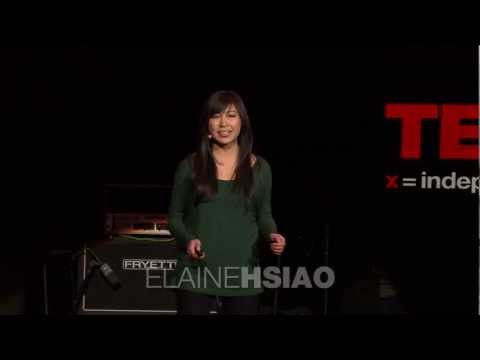
【TEDx】Mind-altering microbes: how the microbiome affects brain and behavior: Elaine Hsiao at TEDxCaltech
0
Han Hun posted on 2016/08/12Ever wondered how your gut health might be affecting your brain? This fascinating TEDx talk dives into the incredible connection between the microbiome and our behavior, exploring how tiny microbes can influence everything from mood to development. You'll pick up some seriously advanced vocabulary related to the gut-brain axis and scientific research!
Learn this video on the APP!
The VoiceTube App has more in-depth practice for videos!