
ability
US /əˈbɪlɪti/
UK /ə'bɪlətɪ/
- Noun (Countable/Uncountable)
- The power, resources or skill to do something
- A particular skill or talent.
A2TOEICMoreaffair
US /əˈfɛr/
UK /ə'feə(r)/
- Noun
- Secret sexual relationship between two people
- Event or a set of events, often unpleasant ones
A2Moreafter all
US /ˈæftɚ ɔl/
UK /ˈɑ:ftə ɔ:l/
- Adverb
- In spite of what was expected; used to introduce a statement that supports a previous statement or explains why it was made
- Considering everything; used to indicate that something is happening or is true despite some difficulty or obstacle
- Phrase
- Despite what was expected or thought; in spite of everything.
- Taking everything into consideration; considering that.
B1Morealignment
US /əˈlaɪnmənt/
UK /əˈlaɪnmənt/
- Noun
- Agreement to work together on a common goal
- The state of being in a straight line or in the correct position.
B2Moreaudio
US /ˈɔ:dioʊ/
UK /ˈɔ:diəʊ/
- Adjective
- Concerning sound
- Uncountable Noun
- Sound, especially when recorded or transmitted.
B2TOEICMoreauditory
US /ˈɔ:dətɔ:ri/
UK /ˈɔ:dətri/
- Adjective
- Of the process of hearing
B2Morebang
US /bæŋ/
UK /bæŋ/
- Transitive Verb
- To strike something loudly or forcefully
- Noun
- Sudden loud noise, as when a bomb explodes
- A loud noise
A2Morecab
US /kæb/
UK /kæb/
- Countable Noun
- A taxi
A2Morecommunicate
US /kəˈmjunɪˌket/
UK /kə'mju:nɪkeɪt/
- Verb (Transitive/Intransitive)
- To give and exchange information
- To convey or make known (information, feelings, etc.)
A2Morecommunication
US /kəˌmjunɪˈkeʃən/
UK /kəˌmju:nɪ'keɪʃn/
- Noun (Countable/Uncountable)
- Talking to people; giving information to people
- The process of conveying information, ideas, or feelings through language or other means.
A2Moreconvey
US /kənˈve/
UK /kən'veɪ/
- Transitive Verb
- To carry or transport something
- To make aware or tell others information
B1Morecortex
US /ˈkɔrˌteks/
UK /'kɔ:teks/
- Noun (Countable/Uncountable)
- The outer part of an organ/structure, e.g. brain
- The outer layer of the cerebrum (the cerebral cortex), other organs, or a plant.
C1Morecouple
US /ˈkʌpəl/
UK /'kʌpl/
- Transitive Verb
- To join something to something else
- (Two animals) to engage in sexual relations
- Noun (Countable/Uncountable)
- Two people in a romantic relationship
- Two of something; two people; a pair
A2Moredevice
US /dɪˈvaɪs/
UK /dɪˈvaɪs/
- Noun (Countable/Uncountable)
- Object, machine, or equipment for a specific use
- Method of doing something; a way
A2TOEICMoreenable
US /ɛˈnebəl/
UK /ɪˈneɪbl/
- Transitive Verb
- To make it possible to do something
A2Moreenglish speaker
US
UK
- Noun
- A person who speaks English.
- A person with fluency in English.
A2Moreexact
US /ɪɡˈzækt/
UK /ɪɡ'zækt/
- Adjective
- Completely correct; accurate; specific
- Transitive Verb
- To get something, sometimes using force
A2TOEICMoreexperiment
US /ɪkˈspɛrəmənt/
UK /ɪk'sperɪmənt/
- Noun (Countable/Uncountable)
- Test performed to assess new ideas or theories
- A course of action tentatively adopted without being sure of the eventual outcome.
- Verb (Transitive/Intransitive)
- To create and perform tests to research something
- To try something new that you haven't tried before
A2TOEICMorefinish with
US
UK
- Phrasal Verb
- To end a relationship
A1Morefor days
US /fɔr dez/
UK /fɔ: deɪz/
- Phrase
- For a long period of time; lasting several days.
for example
US
UK
- Phrase
- As an illustration or instance.
go back to
US /ɡo bæk tu/
UK /ɡəu bæk tu:/
- Phrasal Verb
- To return to a starting point
A1Morehave to
US /hæv tu/
UK /ˈhæv tə/
- Auxiliary Verb
- Must do
A1Morein fact
US /ɪn fækt/
UK /in fækt/
- Adverb
- Used to emphasize the truth of a statement, especially one that contrasts with or contradicts something else.
- Used to introduce a more detailed or surprising piece of information.
- Phrase
- Used to emphasize the truth of a statement, especially one that is surprising or contrary to what might be expected.
C1Morein real life
US /ɪn ˈriəl laɪf/
UK /in riəl laif/
- Phrase
- In the physical world; not online or in a fictional setting.
- Actually; genuinely; not made up or fictional.
A2Morein sync
US /ɪn sɪŋk/
UK /in siŋk/
- Adjective
- Operating or occurring at the same time or rate.
- Adverb
- In a state of coordination or harmony.
in the dark
US /ɪn ði dɑrk/
UK /in ðə dɑ:k/
- Adjective
- Uninformed about something; unaware.
- Phrase
- In a state of secrecy or ignorance.
- In a place with little or no light.
A1Morein the future
US /ɪn ði ˈfjutʃɚ/
UK /in ðə ˈfju:tʃə/
- Phrase
- At a later time; in times to come.
A1Morein the middle of
US
UK
- Phrase
- In the central part or point of something.
- Engaged or occupied with something.
A2Moreincoming
US /ˈɪnˌkʌmɪŋ/
UK /ˈɪnkʌmɪŋ/
- Adjective
- Coming toward a place or position; arriving
- Newly elected or appointed; succeeding to a position.
- Uncountable Noun
- Money or revenue received.
C1Moreinduce
US /ɪnˈdus, -ˈdjus/
UK /ɪn'dju:s/
- Transitive Verb
- To make someone do something; create an outcome
- To make a woman give birth by giving her medicine
B1TOEICMoreinstead of
US /ɪnˈstɛd ʌv/
UK /inˈsted ɔv/
- Preposition
- When one thing is replaced by another
- Adverb
- As a substitute or alternative.
A1Moreknow about
US /noʊ əˈbaʊt/
UK /nəʊ əˈbaut/
- Phrasal Verb
- To have information or understanding of a subject or situation.
lab
US /læb/
UK /læb/
- Noun (Countable/Uncountable)
- Short for 'laboratory'
B1Morelaughter
US /ˈlæftɚ, ˈlɑf-/
UK /ˈlɑ:ftə(r)/
- Uncountable Noun
- Action or sound of laughing
- The feeling of amusement that makes you laugh.
A2Morelook into
US /lʊk ˈɪntu/
UK /luk ˈɪntuː/
- Phrasal Verb
- To investigate or try to discover the reasons for
A1Moremechanism
US /ˈmɛkəˌnɪzəm/
UK /'mekənɪzəm/
- Noun (Countable/Uncountable)
- Part of a machine that performs a certain function
- System or process for achieving a certain result
B1Moremurderer
US /ˈmə:rdərɚ/
UK /'mɜ:dərə(r)/
- Countable Noun
- Criminal who intentionally kills someone
- A person who destroys or ruins something, often in a figurative sense.
A2Moreneural
US /ˈnʊrəl, ˈnjʊr-/
UK /ˈnjuərəl/
- Adjective
- About the nerves or nervous system
B2Moreon a daily basis
US
UK
- Phrase
- Happening every day.
A1Moreonly from
US
UK
- Preposition
- Exclusively originating or sourced from a particular place or entity.
- Phrase
- Solely as a result of; exclusively due to.
A1Moreout of it
US /aʊt ʌv ɪt/
UK /aut ɔv it/
- Adjective
- Unconscious or not completely alert; dazed or confused.
- Not able to think clearly or react quickly; not with it.
A1Morepattern
US /ˈpætən/
UK /'pætn/
- Noun (Countable/Uncountable)
- Model to follow in making or doing something
- Colors or shapes which are repeated on objects
- Transitive Verb
- To copy the way something else is made
- To decorate with a pattern.
A2TOEICMorerely
US /rɪˈlaɪ/
UK /rɪ'laɪ/
- Intransitive Verb
- Depend on with full trust or confidence
- To trust or have confidence in someone.
B2TOEICMorerely on
US /rɪˈlaɪ ɑn/
UK /riˈlai ɔn/
- Phrasal Verb
- To depend on someone or something
A2Morescan
US /skæn/
UK /skæn/
- Transitive Verb
- To look inside of the body with a special machine
- To look at something very quickly for information
- Noun
- A look inside the body with a special machine
B1TOEICMorescanner
US /ˈskænɚ/
UK /ˈskænə(r)/
- Noun
- Machine that copies, reads, or records data
B1TOEICMoresee in
US /si ɪn/
UK /si: in/
- Phrasal Verb
- To accompany someone to the entrance of a building or room.
A1Moresimilarly
US /ˈsɪmələrli/
UK /ˈsɪmələli/
- Adverb
- In a way almost the same as something else
A2Morethe following
US
UK
- Adjective
- Next in order or sequence.
- Uncountable Noun
- What is about to be said or written.
B1Morethink about
US /θɪŋk əˈbaʊt/
UK /θiŋk əˈbaut/
- Phrasal Verb
- To consider something carefully.
- To remember or call to mind.
A1Morethink of
US /θɪŋk ʌv/
UK /θiŋk ɔv/
- Phrasal Verb
- To look on as (being something specific); consider
- To consider or remember something.
- Verb (Transitive/Intransitive)
- To imagine or call something to mind
A1Moretogether with
US /təˈɡɛðɚ wɪð/
UK /təˈɡeðə wið/
- Preposition
- In addition to; along with.
- Including; as well as.
A1Moretransmit
US /trænsˈmɪt, trænz-/
UK /trænsˈmɪt/
- Transitive Verb
- To broadcast by using signals to a radio/TV
- To broadcast by using signals to a radio/TV
B1More
Vocabulary
- have to: Must do
- the following: Next in order or sequence.
- in fact: Used to emphasize the truth of a statement, especially one that contrasts with or contradicts something else.
- go back to: To return to a starting point
- for example: As an illustration or instance.
- look into: To investigate or try to discover the reasons for
- out of it: Unconscious or not completely alert; dazed or confused.
- see in: To accompany someone to the entrance of a building or room.
- in the dark: Uninformed about something; unaware.
- in sync: Operating or occurring at the same time or rate.
- think of: To look on as (being something specific); consider
- know about: To have information or understanding of a subject or situation.
- english speaker: A person who speaks English.
- rely on: To depend on someone or something
- think about: To consider something carefully.
- instead of: When one thing is replaced by another
- in the middle of: In the central part or point of something.
- in real life: In the physical world; not online or in a fictional setting.
- for days: For a long period of time; lasting several days.
- in the future: At a later time; in times to come.
- after all: In spite of what was expected; used to introduce a statement that supports a previous statement or explains why it was made
- finish with: To end a relationship
- only from: Exclusively originating or sourced from a particular place or entity.
- together with: In addition to; along with.
- on a daily basis: Happening every day.
- common: Area in a city or town that is open to everyone
- pattern: Model to follow in making or doing something
- people: Persons sharing culture, country, background, etc.
- brain: To strike someone forcefully on the head
- life: All the living things e.g. animals, plants, humans
- couple: To join something to something else
- experiment: Test performed to assess new ideas or theories
- start: First time or place that a thing exists; beginning
- ability: The power, resources or skill to do something
- exact: Completely correct; accurate; specific
- cortex: The outer part of an organ/structure, e.g. brain
- sound: Sensible, dependable and reliable
- ground: To break (coffee, etc.) into tiny bits with machine
- language: Words or signs used to communicate messages
- order: Religious or social group, as of nuns
- English: Language of the UK, USA, Nigeria and elsewhere
- similar: Nearly the same; alike
- understand: To know the meaning of language, what someone says
- compare: To consider how similar and different things are
- device: Object, machine, or equipment for a specific use
- communicate: To give and exchange information
- mechanism: Part of a machine that performs a certain function
- convey: To carry or transport something
- story: One of many floors or levels in a building
- click: To work well with someone or something
- communication: Talking to people; giving information to people
- affair: Secret sexual relationship between two people
- laughter: Action or sound of laughing
- scan: To look inside of the body with a special machine
- rely: Depend on with full trust or confidence
- neural: About the nerves or nervous system
- bang: To strike something loudly or forcefully
- audio: Concerning sound
- induce: To make someone do something; create an outcome
- lab: Short for 'laboratory'
- auditory: Of the process of hearing
- enable: To make it possible to do something
- cab: A taxi
- transmit: To broadcast by using signals to a radio/TV
- similarly: In a way almost the same as something else
- alignment: Agreement to work together on a common goal
- murderer: Criminal who intentionally kills someone
- incoming: Coming toward a place or position; arriving
- scanner: Machine that copies, reads, or records data
Get the full experience in the app
Learn anywhere with detailed sentence and usage analysis
01:03
She took a brave step forward, leaving behind her comfort zone to chase her dreams.
Vocabulary
- brave
adj. Having courage
- comfort zone
phr. A familiar situation where one feels safe
Explanation
a brave step is a noun phrase, where brave is an adjective modifying the noun step, meaning "a courageous step".
forward is an adverb modifying step, meaning "ahead".
The whole phrase serves as the object, answering the "what" of took (verb) — she took a brave step forward.
Get the full experience in the app
Look up words anytime with pronunciation, part of speech, and usage
brave
US/brev/
UK/breɪv/
adj.Brave
v.t.To bravely face
A2 Elementary
Get the full experience in the app
Practice speaking anytime and get instant pronunciation feedback
Try this speaking exercise.
Try practicing with this sentence.
80
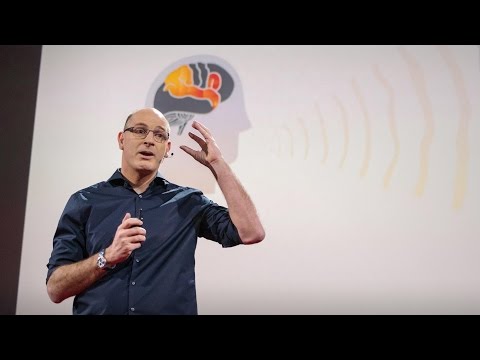
【TED】Uri Hasson: This is your brain on communication (This is your brain on communication | Uri Hasson)
0
Erina Kawagishi posted on 2016/08/05Ever wondered how stories actually connect us? This fascinating TED talk dives into the neuroscience of communication, showing how shared narratives can literally align our brains! You'll pick up some advanced vocabulary and gain insights into how we transmit ideas, making it super practical for understanding workplace communication and cultural connections.
Learn this video on the APP!
The VoiceTube App has more in-depth practice for videos!