
accuse
US /əˈkjuz/
UK /ə'kju:z/
- Transitive Verb
- To claim that someone has done something wrong
A2Moreargument
US /ˈɑrɡjəmənt/
UK /ˈɑ:gjumənt/
- Noun (Countable/Uncountable)
- Discussion in which you disagree with someone
- A presentation of reasons for or against an idea
A2TOEICMorearound the world
US /əˈraʊnd ði wɜrld/
UK /əˈraund ðə wɜː(r)ld/
- Phrase
- In or to many countries.
- In various places throughout the world.
A2Moreaside from
US /əˈsaɪd frʌm/
UK /əˈsaid frɔm/
- Phrase
A1Moreat least
US /æt list/
UK /æt li:st/
- Adverb
- As a minimum
- Not less than
- Phrase
- No less than; at the minimum
- Used to indicate that something is positive in a bad situation.
C2Moreat once
US /æt wʌns/
UK /æt wʌns/
- Adverb
- Immediately; without delay
- At the same time; simultaneously
A2Morebias
US /ˈbaɪəs/
UK /'baɪəs/
- Noun (Countable/Uncountable)
- Preference to believe things even if incorrect
- A systematic error in a statistical result
- Transitive Verb
- To unfairly favor one view over another
- To cause someone to have prejudice
B1TOEICMorecapitalism
US /ˈkæpɪtlˌɪzəm/
UK /ˈkæpɪtəlɪzəm/
- Noun (Countable/Uncountable)
- Economic system where companies own industry
- An economic system in which private individuals or businesses own capital goods. The production of goods and services is based on supply and demand in the general market (a market economy) rather than through central planning (a planned economy or command
B1Morecoal
US /kol/
UK /kəʊl/
- Uncountable Noun
- Dark hard substance from the earth burnt as a fuel
- The industry involved in the mining and distribution of coal.
- Countable Noun
- A single piece of coal.
A2Morecome from
US /kʌm frʌm/
UK /kʌm frɔm/
- Phrasal Verb
- To have as your native country or city
A1Morecontentious
US /kənˈtɛnʃəs/
UK /kənˈtenʃəs/
- Adjective
- Tending to create argument or division
B2TOEICMorecotton
US /ˈkɑ:tn/
UK /ˈkɒtn/
- Uncountable Noun
- Soft, white material used to make cloth
- Adjective
- (Of clothes) made of a soft white material
A2Moreculminate in
US
UK
- Phrasal Verb
- To reach the highest point or final stage; to result in.
cultural
US /ˈkʌltʃərəl/
UK /ˈkʌltʃərəl/
- Adjective
- Of a particular society's customs and beliefs
- Of arts, music, literature, theater
A2Moredemand
US /dɪˈmænd/
UK /dɪ'mɑ:nd/
- Noun (Countable/Uncountable)
- Desire customers have to buy product, service
- A strong request for someone to do something
- Transitive Verb
- To strongly request someone to do something
- To need something.
A2TOEICMoredramatically
US /drəˈmætɪkl:ɪ/
UK /drə'mætɪklɪ/
- Adverb
- In a sudden or extreme manner
- In a theatrical or exaggerated manner.
B1Moreeconomically
US /ˌikəˈnɑmɪklɪ/
UK /ˌi:kəˈnɒmɪkli/
- Adverb
- In an efficient manner
- In an efficient manner; without using much effort
B1Moreelectricity
US /ɪlɛkˈtrɪsɪti,ˌilɛk-/
UK /ɪˌlekˈtrɪsəti/
- Uncountable Noun
- Energy generated positive and negative charges
- The study or science of electric charges and currents.
A2Moreencourage
US /ɛnˈkɚrɪdʒ, -ˈkʌr-/
UK /ɪn'kʌrɪdʒ/
- Transitive Verb
- To increase the chance of something happening
- To make someone more determined or confident
A2TOEICMoreenergy
US /ˈɛnədʒi/
UK /'enədʒɪ/
- Noun (Countable/Uncountable)
- Physical or mental strength
- Enthusiasm and determination.
A2Moreenergy sources
US
UK
- Noun (plural)
- Materials or processes that can produce energy.
engine
US /ˈɛndʒɪn/
UK /'endʒɪn/
- Noun (Countable/Uncountable)
- Machine that changes energy into mechanical motion
- The part of a train that pulls railway cars
A2TOEICMoreenterprise
US /ˈentərpraɪz/
UK /ˈentəpraɪz/
- Noun (Countable/Uncountable)
- A business or organization
- Task often considered difficult or challenging
A2TOEICMoreeventually
US /ɪˈvɛntʃuəli/
UK /ɪˈventʃuəli/
- Adverb
- After a long time; after many attempts; in the end
- At some later time; in the future
A2Moreexcept for
US /ɪkˈsɛpt fɔr/
UK /ikˈsept fɔ:/
- Preposition
- Not including; excluding.
figure out
US /ˈfɪɡjɚ aʊt/
UK /ˈfiɡə aut/
- Phrasal Verb
- To understand the behavior of someone
- To think through logically to find a solution
- Verb (Transitive/Intransitive)
- To understand or find an answer to something.
- To find a solution to a problem or understand something.
A1Morefor instance
US /fɔr ˈɪnstəns/
UK /fɔ: ˈinstəns/
- Adverb
- As an example.
- Phrase
- As an example.
- As an illustration or case in point
B1Morefuel
US /ˈfjuəl/
UK /'fju:əl/
- Transitive Verb
- To give power to (a mob, anger, etc.); incite
- To provide gas or petrol for something
- Uncountable Noun
- Material used to produce heat or power when burned
A2TOEICMorehave to
US /hæv tu/
UK /ˈhæv tə/
- Auxiliary Verb
- Must do
A1Morehistory
US /ˈhɪstəri/
UK /'hɪstrɪ/
- Noun (Countable/Uncountable)
- Established pattern or record
- Study of past events as an academic subject
A2Moreimport
US /ˈɪmpɔrt/
UK /'ɪmpɔ:t/
- Transitive Verb
- To bring goods from one country into another
- Noun (Countable/Uncountable)
- Goods brought into a country from another
A2TOEICMorein order to
US /ɪn ˈɔrdɚ tu/
UK /in ˈɔ:də tu:/
- Preposition
- For the purpose of; with the aim of.
- Phrase
- In a specific sequence or arrangement.
- With the aim of; for the purpose of.
C1Morein terms of
US
UK
- Phrase
- With regard to; concerning a particular aspect.
A1Morein the world
US /ɪn ði wɜrld/
UK /in ðə wɜː(r)ld/
- Phrase
- Used to emphasize a question expressing surprise, confusion, disbelief
- Used to indicate the extent or degree of something, often in a superlative sense
A1Morein turn
US
UK
- Adverb
- One after the other in a sequence or rotation.
A1Moreindustrial
US /ɪnˈdʌstriəl/
UK /ɪnˈdʌstriəl/
- Adjective
- Concerning making things in factories
- Noun
- A worker in industry.
- A company involved in industrial production.
A2Moreindustrialization
US /ɪnˌdʌstrɪələˈzeʃən/
UK /ɪnˌdʌstrɪəlaɪ'zeɪʃn/
- Uncountable Noun
- Process of creating and developing many businesses
B1Moreinterconnect
US
UK
- Transitive Verb
- To join or be joined together (computers/theories)
B2Moreinvent
US /ɪnˈvɛnt/
UK /ɪnˈvent/
- Transitive Verb
- To create something such as a story or excuse
- To create something useful for the first time
A2TOEICMoreinvention
US /ɪnˈvɛnʃən/
UK /ɪnˈvenʃn/
- Noun (Countable/Uncountable)
- Something new that is different from other things
- Power or ability to create new things
A2TOEICMorekid
US /kɪd/
UK /kɪd/
- Countable Noun
- Child or young person
- Young goat
- Adjective
- Made from young goat skin
A2Morelike new
US /laɪk nu/
UK /laɪk nju:/
- other
- In very good, almost perfect condition as if unused.
A2Morelook at
US /lʊk æt/
UK /luk æt/
- Phrasal Verb
- To use your eyes to focus on something
- To focus your eyes on something carefully
A1Morelook for
US /lʊk fɔr/
UK /luk fɔ:/
- Phrasal Verb
- To try to find a thing or person that is lost
- To expect or anticipate something.
A1Morelook to
US
UK
- Phrasal Verb
- Be looking to. be planning to (do something)
- To expect someone to do something for you; rely on
A1Moremanufacture
US /ˌmænjəˈfæktʃɚ/
UK /ˌmænjʊ'fæktʃə(r)/
- Transitive Verb
- To produce large numbers of products in a factory
- To create a story or explanation that is not true
- Uncountable Noun
- The process of producing goods on a large scale.
A2TOEICMoremining
US /ˈmaɪnɪŋ/
UK /ˈmaɪnɪŋ/
- Transitive Verb
- To place a bomb in the ground or the sea
- To dig into the earth or sea to obtain minerals
- Uncountable Noun
- Act of digging to get coal, gold, silver etc.
B2Moreoccur
US /əˈkɚ/
UK /əˈkɜ:(r)/
- Intransitive Verb
- To come to pass or to happen
- To be found to exist; to be present.
A2TOEICMoreof course
US /ʌv kɔː(r)s/
UK /ɔv kɔː(r)s/
- Adverb
- Sure ; Certainly
- Phrase
- For sure; certainly
A2Moreon rails
US /ɑn reɪlz/
UK /ɔn reilz/
- other
- Progressing smoothly and correctly as planned.
B2Moreother than
US
UK
- Preposition
- Except for; apart from.
- Conjunction
- Different from.
A1Moreout there
US /aʊt ðɛr/
UK /aut ðɛə/
- Adverb
- In or to a place that is far away
- Existing in the universe
- Adjective
- Unconventional; strange; avant-garde
- Existing or available.
A1Moreoutside of
US /aʊtˈsaɪd ʌv/
UK /ˌautˈsaid ɔv/
- Preposition
- Located or situated beyond the boundaries or confines of something.
- Beyond the scope, range, or limits of something.
A1Morepopulation
US /ˌpɑpjəˈleʃən/
UK /ˌpɒpjuˈleɪʃn/
- Noun (Countable/Uncountable)
- Number of people who live in a country, area etc.
- A group of individuals of one species living in a particular area.
A2TOEICMoreproduction
US /prəˈdʌkʃən, pro-/
UK /prəˈdʌkʃn/
- Uncountable Noun
- Process of producing or growing food naturally
- Process of making something on a large scale
A2TOEICMoreproductive
US /prəˈdʌktɪv, pro-/
UK /prəˈdʌktɪv/
- Adjective
- Producing things in large quantities; fertile
- Doing a lot of work and achieving a lot
B1Morerevolution
US /ˌrɛvəˈluʃən/
UK /ˌrevə'lu:ʃn/
- Noun
- When a group overthrows an existing government
- Sudden or significant change in something
B1Morerevolutionary
US /ˌrɛvəˈluʃəˌnɛri/
UK /ˌrevə'lu:ʃənərɪ/
- Adjective
- Marking a significant change in something
- Relating to a violent replacement of a government
- Countable Noun
- Person fighting to replace a government
B2Moreroot
US /rut, rʊt/
UK /ru:t/
- Noun (Countable/Uncountable)
- Emotional connection with a place, history etc.
- The origin or starting place of something
- Transitive Verb
- To cause a plant to develop or grow roots
- (Animals) to search for e.g. food in earth
A2Morerun on
US /rʌn ɑn/
UK /rʌn ɔn/
- Phrasal Verb
- To continue longer than expected, e.g. a meeting
- To talk without stopping, often on the same topic
- Intransitive Verb
- To continue without a break or clear separation, especially in writing.
A1Moresame time
US
UK
- Phrase
- Occurring simultaneously or at the same point in time.
- At the identical time as before; recurring at a fixed hour.
- Noun
- An equal duration or period.
A1Moresteam
US /stim/
UK /sti:m/
- Uncountable Noun
- Mist collecting on a surface when wet air cools
- Source of stamina, strength or energy
- Verb (Transitive/Intransitive)
- To cover a surface with steam, so as to clean it
- To cook in mist of tiny drops from boiling water
A2Moresteel
US /stil/
UK /sti:l/
- Uncountable Noun
- Very strong or determined character in a person
- Very strong metal made of iron, etc.
- Transitive Verb
- To prepare yourself for something difficult
A2Moresuperiority
US /suːˌpɪriˈɔːrəti/
UK /su:ˌpɪəriˈɒrəti/
- Uncountable Noun
- Quality of being more effective, skillful etc.
B1Moresurface
US /ˈsɚfəs/
UK /'sɜ:fɪs/
- Transitive Verb
- To give (road) a top layer
- Intransitive Verb
- To appear after being hidden, unseen, or unknown
- To come to the top of something; emerge
A2TOEICMoretalking about
US
UK
- Phrasal Verb
- To discuss a particular topic.
- To be constantly mentioning or bringing up a subject.
A1Moretextile
US /ˈtɛksˌtaɪl, -təl/
UK /ˈtekstaɪl/
- Adjective
- Referring to something made of cloth
- Noun (Countable/Uncountable)
- Any kind of cloth goods, like cotton, for example
B1Morethanks to
US /θæŋks tu/
UK /θæŋks tu:/
- Preposition
- Because of; as a result of.
A1Moreto a lesser extent
US /tə ə ˌlɛsɚ ɪkˈstɛnt/
UK /tə ə ˌlesə ikˈstent/
- other
- To a smaller or less significant degree or amount.
B2Moretoilet
US /'tɔɪlət/
UK /ˈtɔɪlət/
- Noun (Countable/Uncountable)
- Room where you go to urinate or excrete; bathroom
- A fixture in a bathroom used for urination and defecation.
- Verb (Transitive/Intransitive)
- To wash and take care of your body
A2Moreused to
US /juzd tu/
UK /ˈju:st tə/
- Adjective
- Did regularly before, but don't do now
- Auxiliary Verb
- Have done before, but do not do now
A1Morewarehouse
US /ˈwerhaʊs/
UK /ˈweəhaʊs/
- Noun (Countable/Uncountable)
- Large building for storing goods, e.g. grain
- Transitive Verb
- To store things in a large building
B2TOEICMoreyarn
US /jɑrn/
UK /jɑ:n/
- Intransitive Verb
- To tell or spin a yarn or story
- Noun (Countable/Uncountable)
- A continuous twisted strand or thread
C1TOEICMore
Vocabulary
- in the world: Used to emphasize a question expressing surprise, confusion, disbelief
- other than: Except for; apart from.
- have to: Must do
- for instance: As an example.
- look for: To try to find a thing or person that is lost
- at least: As a minimum
- same time: Occurring simultaneously or at the same point in time.
- like new: In very good, almost perfect condition as if unused.
- except for: Not including; excluding.
- at once: Immediately; without delay
- outside of: Located or situated beyond the boundaries or confines of something.
- energy sources: Materials or processes that can produce energy.
- in turn: One after the other in a sequence or rotation.
- used to: Did regularly before, but don't do now
- thanks to: Because of; as a result of.
- culminate in: To reach the highest point or final stage; to result in.
- figure out: To understand the behavior of someone
- come from: To have as your native country or city
- around the world: In or to many countries.
- out there: In or to a place that is far away
- in terms of
- look at: To use your eyes to focus on something
- aside from
- in order to: For the purpose of; with the aim of.
- run on: To continue longer than expected, e.g. a meeting
- on rails: Progressing smoothly and correctly as planned.
- to a lesser extent: To a smaller or less significant degree or amount.
- look to: Be looking to. be planning to (do something)
- of course: Sure ; Certainly
- talking about: To discuss a particular topic.
- cheap: Not costing a lot of money
- world: All the humans, events, activities on the earth
- water: Clear liquid that forms the seas, rivers and rain
- week: Period of seven days from Sunday to Saturday
- people: Persons sharing culture, country, background, etc.
- today: This day; day that is happening now
- time: Speed at which music is played; tempo
- problem: Something difficult to deal with or causes trouble
- farming: To use land for raising plants or animals for food
- difficult: Hard; not easy; you need to work hard to do it
- toilet: Room where you go to urinate or excrete; bathroom
- farm: Land used for growing crops or raising animals
- question: To ask for or try to get information
- fast: In a way that is difficult to move or change
- travel: To go to a place that is far away
- engine: Machine that changes energy into mechanical motion
- history: Established pattern or record
- high: Excited or relaxed from taking drugs
- mean: Average of a set of numbers
- happen: To take place or occur
- electricity: Energy generated positive and negative charges
- guess: To give an answer without knowing if it is correct
- large: Big; of great size; broad, tall, wide, or fat
- clear: Empty; without anything in it or on it
- strong: (Of tea or beer) dark or thick
- digital: Using electronic signals or computers
- improve: To make, or become, something better
- free: Living, happening without being controlled
- cost: A loss or damage occurring when meeting a goal
- kid: Child or young person
- argument: Discussion in which you disagree with someone
- cotton: Soft, white material used to make cloth
- population: Number of people who live in a country, area etc.
- create: To make, cause, or bring into existence
- cultural: Of a particular society's customs and beliefs
- invention: Something new that is different from other things
- lead: Wire for electricity, computer, etc.; cable
- power: Legal or official right to perform certain actions
- invent: To create something such as a story or excuse
- interconnect: To join or be joined together (computers/theories)
- energy: Physical or mental strength
- dramatically: In a sudden or extreme manner
- fuel: To give power to (a mob, anger, etc.); incite
- encourage: To increase the chance of something happening
- demand: Desire customers have to buy product, service
- industrial: Concerning making things in factories
- revolution: When a group overthrows an existing government
- steam: Mist collecting on a surface when wet air cools
- production: Process of producing or growing food naturally
- manufacture: To produce large numbers of products in a factory
- steel: Very strong or determined character in a person
- revolutionary: Marking a significant change in something
- accuse: To claim that someone has done something wrong
- economically: In an efficient manner
- productive: Producing things in large quantities; fertile
- import: To bring goods from one country into another
- root: Emotional connection with a place, history etc.
- occur: To come to pass or to happen
- surface: To give (road) a top layer
- eventually: After a long time; after many attempts; in the end
- coal: Dark hard substance from the earth burnt as a fuel
- labor: To struggle to do something because it's difficult
- mining: To place a bomb in the ground or the sea
- bias: Preference to believe things even if incorrect
- enterprise: A business or organization
- capitalism: Economic system where companies own industry
- warehouse: Large building for storing goods, e.g. grain
- china: A communist nation that covers a vast territory in eastern Asia; the most populous country in the world
- industrialization: Process of creating and developing many businesses
- superiority: Quality of being more effective, skillful etc.
- yarn: To tell or spin a yarn or story
- textile: Referring to something made of cloth
- contentious: Tending to create argument or division
Get the full experience in the app
Learn anywhere with detailed sentence and usage analysis
01:03
She took a brave step forward, leaving behind her comfort zone to chase her dreams.
Vocabulary
- brave
adj. Having courage
- comfort zone
phr. A familiar situation where one feels safe
Explanation
a brave step is a noun phrase, where brave is an adjective modifying the noun step, meaning "a courageous step".
forward is an adverb modifying step, meaning "ahead".
The whole phrase serves as the object, answering the "what" of took (verb) — she took a brave step forward.
Get the full experience in the app
Look up words anytime with pronunciation, part of speech, and usage
brave
US/brev/
UK/breɪv/
adj.Brave
v.t.To bravely face
A2 Elementary
Get the full experience in the app
Practice speaking anytime and get instant pronunciation feedback
Try this speaking exercise.
Try practicing with this sentence.
80
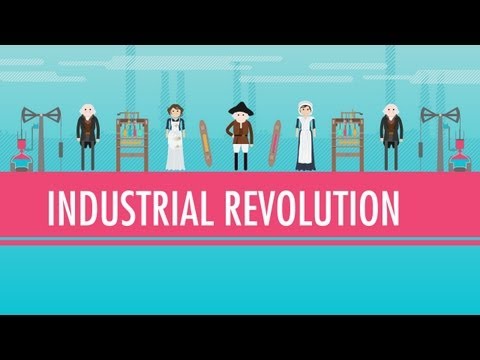
Coal, Steam, and The Industrial Revolution: Crash Course World History #32
0
Chi-feng Liu posted on 2013/05/02Ever wonder how the world went from farms to factories? This Crash Course video dives into the Industrial Revolution, explaining how coal, steam, and new technologies totally changed everyday life! You'll pick up tons of fascinating history and boost your vocabulary with terms like 'mechanized' and 'industrialization'.
Learn this video on the APP!
The VoiceTube App has more in-depth practice for videos!