
aisle
US /aɪl/
UK /aɪl/
- Countable Noun
- Long narrow space between rows of seats
B2TOEICMoreas opposed to
US
UK
- Preposition
- In contrast to; rather than.
- Instead of; in place of.
A1Moreat least
US /æt list/
UK /æt li:st/
- Adverb
- As a minimum
- Not less than
- Phrase
- No less than; at the minimum
- Used to indicate that something is positive in a bad situation.
C2Moreat that time
US /æt ðæt taɪm/
UK /æt ðæt taim/
- Phrase
- During a specific point in the past.
A1Moreburn off
US /bɚn ɔf/
UK /bə:n ɔf/
- Phrasal Verb
- To get rid of calories through exercise or physical activity.
- To consume fuel through combustion.
B1Moreby doing that
US
UK
- Phrase
- Using that action or method.
A2Moreengage
US /ɪn'gedʒ/
UK /ɪn'ɡeɪdʒ/
- Transitive Verb
- To start to fight with an enemy
- To hire someone for a task or job
A2TOEICMorefeel like
US
UK
- Intransitive Verb
- To have a desire or inclination for something.
- To have a particular quality or sensation; resemble.
A1Morefor example
US
UK
- Phrase
- As an illustration or instance.
go on
US /ɡo ɑn/
UK /ɡəu ɔn/
- Phrasal Verb
- To continue doing something
- To happen (usually negative)
- Interjection
- Used to encourage someone
A1Moregot to
US /ɡɑt tu/
UK /gɔt tu:/
- Verb (Transitive/Intransitive)
- To arrive at some place
- To have the opportunity or permission to do something
- Phrasal Verb
- To appeal to the emotions of; move
- To finally begin to start something after a delay
A1Morehandle
US /ˈhændl/
UK /'hændl/
- Transitive Verb
- To cope with or take responsibility for
- To control a machine, car etc.
- Countable Noun
- The part of a door you hold to open it
- Thing you hold to carry or open a bag, pan etc.
A2TOEICMorehave at
US
UK
- Phrasal Verb
- To attack someone or something.
- To begin doing something with enthusiasm.
A1Morehave to
US /hæv tu/
UK /ˈhæv tə/
- Auxiliary Verb
- Must do
A1Morein fact
US /ɪn fækt/
UK /in fækt/
- Adverb
- Used to emphasize the truth of a statement, especially one that contrasts with or contradicts something else.
- Used to introduce a more detailed or surprising piece of information.
- Phrase
- Used to emphasize the truth of a statement, especially one that is surprising or contrary to what might be expected.
C1Morein the world
US /ɪn ði wɜrld/
UK /in ðə wɜː(r)ld/
- Phrase
- Used to emphasize a question expressing surprise, confusion, disbelief
- Used to indicate the extent or degree of something, often in a superlative sense
A1Morejam
US /dʒæm/
UK /dʒæm/
- Transitive Verb
- To block a signal (e.g. radio waves)
- To push into a tight space until it can't move
- Verb (Transitive/Intransitive)
- To pack together so things cannot move freely
A2Morelook at
US /lʊk æt/
UK /luk æt/
- Phrasal Verb
- To use your eyes to focus on something
- To focus your eyes on something carefully
A1Moremake up
US /mek ʌp/
UK /meik ʌp/
- Phrasal Verb
- To invent or create a story
- To add up to
- Verb (Transitive/Intransitive)
- To invent a story, excuse, etc.
- To compensate for something lost, missed, or deficient.
A1Moreof choice
US /əv tʃɔɪs/
UK /əv tʃɔɪs/
- other
- Indicating something is preferred or selected deliberately.
B2Moreof course
US /ʌv kɔː(r)s/
UK /ɔv kɔː(r)s/
- Adverb
- Sure ; Certainly
- Phrase
- For sure; certainly
A2Moreorder in
US
UK
- Phrasal Verb
- To request food from a restaurant to be delivered to one's home or other location.
put out
US /pʊt aʊt/
UK /put aut/
- Phrasal Verb
- To publish, e.g. a book
- To cause someone to be troubled or inconvenienced
A1Moresession
US /ˈsɛʃən/
UK /ˈseʃn/
- Noun (Countable/Uncountable)
- Period of time used for a specific activity
- Series of meetings for e.g. a court, legislature
A2TOEICMoreset up
US /sɛt ʌp/
UK /set ʌp/
- Phrasal Verb
- To make arrangements for something; establish
- Verb (Transitive/Intransitive)
- To arrange or prepare something for use.
- To start a business, organization, etc.
A1Moreshow up
US /ʃo ʌp/
UK /ʃəu ʌp/
- Phrasal Verb
- To arrive or be seen at a place, e.g. a party
- To be noticeably better than (someone else)
A1Moresix times
US
UK
- Adverb
- Multiplied by six; a factor of six.
- On six occasions; six instances.
store
US /stɔr, stor/
UK /stɔ:(r)/
- Transitive Verb
- To put things in a place for later use
- Noun (Countable/Uncountable)
- Place where things are kept for future use
- Place where you can go to buy things
A2TOEICMoreswing
US /swɪŋ/
UK /swɪŋ/
- Noun
- Movement in a curved motion
- Flowing, curved movement, e.g. of the arm
- Verb (Transitive/Intransitive)
- To move something in a back and forth motion
- To move in a back and forth motion, while hanging
A2Moretalking about
US
UK
- Phrasal Verb
- To discuss a particular topic.
- To be constantly mentioning or bringing up a subject.
A1Morethink about
US /θɪŋk əˈbaʊt/
UK /θiŋk əˈbaut/
- Phrasal Verb
- To consider something carefully.
- To remember or call to mind.
A1Moretypical
US /ˈtɪpɪkəl/
UK /ˈtɪpɪkl/
- Adjective
- Normal; usual; expected
- Serving as a representative example of a particular type.
A2Moreused to
US /juzd tu/
UK /ˈju:st tə/
- Adjective
- Did regularly before, but don't do now
- Auxiliary Verb
- Have done before, but do not do now
A1More
Vocabulary
- used to: Did regularly before, but don't do now
- at least: As a minimum
- think about: To consider something carefully.
- look at: To use your eyes to focus on something
- in fact: Used to emphasize the truth of a statement, especially one that contrasts with or contradicts something else.
- in the world: Used to emphasize a question expressing surprise, confusion, disbelief
- have to: Must do
- got to: To arrive at some place
- of course: Sure ; Certainly
- burn off: To get rid of calories through exercise or physical activity.
- at that time: During a specific point in the past.
- show up: To arrive or be seen at a place, e.g. a party
- set up
- put out: To publish, e.g. a book
- six times: Multiplied by six; a factor of six.
- have at: To attack someone or something.
- go on: To continue doing something
- as opposed to: In contrast to; rather than.
- feel like: To have a desire or inclination for something.
- by doing that: Using that action or method.
- for example: As an illustration or instance.
- talking about: To discuss a particular topic.
- make up: To invent or create a story
- order in: To request food from a restaurant to be delivered to one's home or other location.
- of choice: Indicating something is preferred or selected deliberately.
- people: Persons sharing culture, country, background, etc.
- engage: To start to fight with an enemy
- increase: To make or become larger in size or amount
- aisle: Long narrow space between rows of seats
- problem: Something difficult to deal with or causes trouble
- session: Period of time used for a specific activity
- today: This day; day that is happening now
- study: To focus on learning something usually at school
- typical: Normal; usual; expected
- store: To put things in a place for later use
- swing: Movement in a curved motion
- choose: To select; decide between several possibilities
- handle: To cope with or take responsibility for
- jam: To block a signal (e.g. radio waves)
- choice: Decision between two or more possibilities
Get the full experience in the app
Learn anywhere with detailed sentence and usage analysis
01:03
She took a brave step forward, leaving behind her comfort zone to chase her dreams.
Vocabulary
- brave
adj. Having courage
- comfort zone
phr. A familiar situation where one feels safe
Explanation
a brave step is a noun phrase, where brave is an adjective modifying the noun step, meaning "a courageous step".
forward is an adverb modifying step, meaning "ahead".
The whole phrase serves as the object, answering the "what" of took (verb) — she took a brave step forward.
Get the full experience in the app
Look up words anytime with pronunciation, part of speech, and usage
brave
US/brev/
UK/breɪv/
adj.Brave
v.t.To bravely face
A2 Elementary
Get the full experience in the app
Practice speaking anytime and get instant pronunciation feedback
Try this speaking exercise.
Try practicing with this sentence.
80
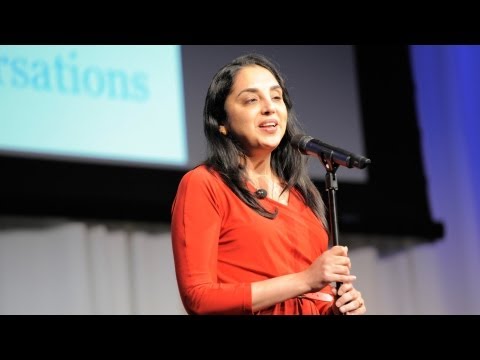
【TED】Sheena Iyengar: How to make choosing easier (Sheena Iyengar: How to make choosing easier)
0
Max Lin posted on 2016/02/10Ever feel overwhelmed by too many choices? This TED talk dives into the fascinating science behind 'choice overload' and shares practical techniques to make decisions easier, drawing on fun examples like the famous jam experiment! You'll pick up useful vocabulary for everyday situations and even workplace discussions.
Learn this video on the APP!
The VoiceTube App has more in-depth practice for videos!