
after all
US /ˈæftɚ ɔl/
UK /ˈɑ:ftə ɔ:l/
- Adverb
- In spite of what was expected; used to introduce a statement that supports a previous statement or explains why it was made
- Considering everything; used to indicate that something is happening or is true despite some difficulty or obstacle
- Phrase
- Despite what was expected or thought; in spite of everything.
- Taking everything into consideration; considering that.
B1Morealien
US /ˈeliən,ˈeljən/
UK /'eɪlɪən/
- Noun (Countable/Uncountable)
- Foreigner; a person not from this place
- Person or creature from a planet other than Earth
- Adjective
- Being foreign, different or unfamiliar
B1Moreanalyze
US /ˈænəˌlaɪz/
UK /'ænəlaɪz/
- Transitive Verb
- To study carefully to find out the meaning of
B1TOEICMoreancient
US /ˈenʃənt/
UK /'eɪnʃənt/
- Adjective
- Very old; having lived a very long time ago
- Relating to a period in history, especially in the distant past.
- Noun
- A person who lived in ancient times.
A2Moreanother method
US
UK
- Phrase
- An alternative way of doing something.
A2Morearranged in
US
UK
- Verb (Transitive/Intransitive)
- Organized or placed in a specific order or manner within a particular space or format.
- Displayed or set out attractively within something.
as well as
US /æz wɛl æz/
UK /æz wel æz/
- Adverb
- Also; in addition to
- Preposition
- In addition to; and also.
A1Morebiological
US /ˌbaɪəˈlɑdʒɪkəl/
UK /ˌbaɪəˈlɒdʒɪkl/
- Adjective
- Being related to life and living things
- A substance, such as a detergent, that contains enzymes.
B1Moreby chance
US /baɪ tʃæns/
UK /bai tʃɑ:ns/
- Adverb
- Accidentally; without planning.
- Phrase
- Accidentally; without planning.
B1Moreclaim
US /klem/
UK /kleɪm/
- Noun (Countable/Uncountable)
- To say that something is true, often without proof.
- A statement that something is true.
- Transitive Verb
- To demand or ask for something that you believe is rightfully yours.
- To take or cause the loss of (e.g., a life, property).
A2Morecomputer program
US
UK
- Phrase
A1Moreconcept
US /ˈkɑnˌsɛpt/
UK /'kɒnsept/
- Noun (Countable/Uncountable)
- Abstract idea of something or how it works
- A plan or intention; a conception.
A2TOEICMoreconsistent
US /kənˈsɪstənt/
UK /kənˈsɪstənt/
- Adjective
- Agreeing with or being similar to another part
- In agreement; reliable
A2Moredepend
US /dɪˈpend/
UK /dɪˈpend/
- Verb (Transitive/Intransitive)
- Be controlled or determined by (someone/something)
- To rely on someone or something for support, help, or existence.
B1TOEICMoreencounter
US /ɛnˈkaʊntɚ/
UK /ɪn'kaʊntə(r)/
- Verb (Transitive/Intransitive)
- To come up against a problem or trouble; meet
- To meet someone or something unexpectedly
- Noun
- A chance meeting; unexpected or unplanned meeting
B1TOEICMorefiction
US /ˈfɪkʃən/
UK /ˈfɪkʃn/
- Uncountable Noun
- Made-up stories; imagined events
- False statement or account about something
B1Morefictional
US / ˈfɪkʃənl:/
UK /ˈfɪkʃənl/
- Adjective
- Including people and events that are not real
B1Morefor certain
US /fɔr ˈsɚtn/
UK /fɔ: ˈsə:tn/
- Idiom
- Definitely; without a doubt.
- Phrase
- Without any doubt; definitely.
for now
US /fɔr naʊ/
UK /fɔ: nau/
- Phrase
- Temporarily; for the present time.
- In the short term; for the immediate future.
A1Moregalaxy
US /ˈɡæləksi/
UK /'ɡæləksɪ/
- Noun (Countable/Uncountable)
- A group of stars and planets in space
B2Morehave to
US /hæv tu/
UK /ˈhæv tə/
- Auxiliary Verb
- Must do
A1Moreidentify
US /aɪˈdɛntəˌfaɪ/
UK /aɪ'dentɪfaɪ/
- Transitive Verb
- To indicate who or what someone or something is
- To say exactly what something is
B1TOEICMorein fact
US /ɪn fækt/
UK /in fækt/
- Adverb
- Used to emphasize the truth of a statement, especially one that contrasts with or contradicts something else.
- Used to introduce a more detailed or surprising piece of information.
- Phrase
- Used to emphasize the truth of a statement, especially one that is surprising or contrary to what might be expected.
C1Morein general
US /ɪn ˈdʒɛnərəl/
UK /in ˈdʒenərəl/
- Phrase
- Typically; usually; on the whole.
- Not specific or detailed; broadly.
- Adjective
- Not detailed or specific; overall.
C2Morein real life
US /ɪn ˈriəl laɪf/
UK /in riəl laif/
- Phrase
- In the physical world; not online or in a fictional setting.
- Actually; genuinely; not made up or fictional.
A2Morein the world
US /ɪn ði wɜrld/
UK /in ðə wɜː(r)ld/
- Phrase
- Used to emphasize a question expressing surprise, confusion, disbelief
- Used to indicate the extent or degree of something, often in a superlative sense
A1Moreinitial
US /ɪˈnɪʃəl/
UK /ɪ'nɪʃl/
- Noun
- First letter of your given name
- The beginning or commencement of something.
- Transitive Verb
- To authorize something by writing your initials
- To mark or sign with one's initials.
A2TOEICMoreinstantly
US /ˈɪnstəntli/
UK /ˈɪnstəntli/
- Adverb
- In a manner without delay; immediately
A2Moreinstinctively
US /ɪn'stɪŋktɪvlɪ/
UK /ɪn'stɪŋktɪvlɪ/
- Adverb
- Through intuition, not thought
B1TOEICMoreinteraction
US /ˌɪntɚˈækʃən/
UK /ˌɪntər'ækʃn/
- Noun (Countable/Uncountable)
- Process of people or things affecting each other
- The activity of talking to other people, working together etc
A2Morelack
US /læk/
UK /læk/
- Verb (Transitive/Intransitive)
- To not have, or not have enough, of something
- Uncountable Noun
- The state of not having or not having enough of
A2TOEICMorelinguistic
US /lɪŋˈɡwɪstɪk/
UK /lɪŋˈgwɪstɪk/
- Adjective
- Of or relating to language
- Relating to the scientific study of language.
B1Moremethod
US /ˈmɛθəd/
UK /'meθəd/
- Noun (Countable/Uncountable)
- (Organized and planned) way of doing something
- Orderliness of thought, arrangement, or behavior.
A2TOEICMoremorphology
US /mɔ:rˈfɑ:lədʒi/
UK /mɔ:ˈfɒlədʒi/
- Uncountable Noun
- Study of the forms and structures of things
B2Moremuffin
US /ˈmʌfɪn/
UK /ˈmʌfɪn/
- Countable Noun
- Small sweet cake that often contains fruit
C1Moreoccur
US /əˈkɚ/
UK /əˈkɜ:(r)/
- Intransitive Verb
- To come to pass or to happen
- To be found to exist; to be present.
A2TOEICMoreplural
US /ˈplʊrəl/
UK /ˈpluərəl/
- Adjective
- Being more than one person or thing
B1Moreportable
US /ˈpɔ:rtəbl/
UK /ˈpɔ:təbl/
- Adjective
- Light enough to be moved around with ease
- Noun
- A computer etc. that can be moved around easily
B1TOEICMorepredicate
US /'predɪkət/
UK /ˈpredɪkət/
- Transitive Verb
- To base something on a previous situation
- Noun
- Part of the sentence containing the main verb
B2Moreproperly
US /ˈprɑːpərli/
UK /ˈprɔpəlɪ/
- Adverb
- In an appropriate or correct manner
- In a way that is suitable or appropriate.
A2Morerecognize
US /ˈrek.əɡ.naɪz/
UK /ˈrek.əɡ.naɪz/
- Transitive Verb
- To accept the truth or reality of something
- To consider something as important or special
A2TOEICMoreseemingly
US /ˈsiːmɪŋli/
UK /ˈsi:mɪŋli/
- Adverb
- Appearing to be but may not actually be; probably
B1Moresentient
US /ˈsenʃnt/
UK /ˈsentiənt/
- Adjective
- Having feelings and consciousness
C2TOEICMoresheer
US /ʃɪr/
UK /ʃɪə(r)/
- Intransitive Verb
- To suddenly turn or change direction
- Adverb
- Straight up and down; steeply
B1Moresheer number
US
UK
- Phrase
- A large quantity or amount of something.
A1Morespur
US /spɚ/
UK /spɜ:(r)/
- Transitive Verb
- To make your horse go faster
- To make someone want to do something
- Noun
- Rock that sticks out from the side of a mountain
- Something that makes a person act
B2Morestructure
US /ˈstrʌk.tʃɚ/
UK /ˈstrʌk.tʃə/
- Noun (Countable/Uncountable)
- The way in which the parts of a system or object are arranged or organized, or a system arranged in this way
- A building or other man-made object.
- Transitive Verb
- To plan, organize, or arrange the parts of something
A2TOEICMoresuch as
US /sʌtʃ æz/
UK /sʌtʃ æz/
- Preposition
- For example; like
A1Moresuffix
US /ˈsʌfɪks/
UK /ˈsʌfɪks/
- Noun
- Part of a word after the root, e.g. -ment, -ly
B2Moresyntax
US /ˈsɪnˌtæks/
UK /ˈsɪntæks/
- Uncountable Noun
- Study of the way words are organized in a sentence
B2Moretask
US /tæsk/
UK /tɑ:sk/
- Noun (Countable/Uncountable)
- Big or small piece of work someone has to do
- Transitive Verb
- To be given something to do, e.g. wash dishes
A2TOEICMoretelepathy
US /təˈlɛpəθi/
UK /təˈlepəθi/
- Uncountable Noun
- Communication of thoughts or ideas between minds
C1Moretricky
US /ˈtrɪki/
UK /'trɪkɪ/
- Adjective
- Difficult, so needing skill to do or deal with
- Likely to use tricks; dishonest or deceptive
A2Moreused to
US /juzd tu/
UK /ˈju:st tə/
- Adjective
- Did regularly before, but don't do now
- Auxiliary Verb
- Have done before, but do not do now
A1Morevocabulary
US /voˈkæbjəˌlɛri/
UK /və'kæbjələrɪ/
- Uncountable Noun
- Words that have to do with a particular subject
- The words that a person knows
B1TOEICMore
Vocabulary
- such as: For example; like
- in real life: In the physical world; not online or in a fictional setting.
- used to: Did regularly before, but don't do now
- arranged in: Organized or placed in a specific order or manner within a particular space or format.
- in general: Typically; usually; on the whole.
- another method: An alternative way of doing something.
- by chance: Accidentally; without planning.
- for certain: Definitely; without a doubt.
- in fact: Used to emphasize the truth of a statement, especially one that contrasts with or contradicts something else.
- for now: Temporarily; for the present time.
- computer program
- as well as: Also; in addition to
- in the world: Used to emphasize a question expressing surprise, confusion, disbelief
- sheer number: A large quantity or amount of something.
- after all: In spite of what was expected; used to introduce a statement that supports a previous statement or explains why it was made
- have to: Must do
- recognize: To accept the truth or reality of something
- properly: In an appropriate or correct manner
- vocabulary: Words that have to do with a particular subject
- concept: Abstract idea of something or how it works
- ancient: Very old; having lived a very long time ago
- structure: The way in which the parts of a system or object are arranged or organized, or a system arranged in this way
- tricky: Difficult, so needing skill to do or deal with
- consistent: Agreeing with or being similar to another part
- encounter: To come up against a problem or trouble; meet
- identify: To indicate who or what someone or something is
- claim: To say that something is true, often without proof.
- sentence: (Of a judge) to decide the punishment of
- sheer: To suddenly turn or change direction
- method: (Organized and planned) way of doing something
- increase: To make or become larger in size or amount
- initial: First letter of your given name
- lack: To not have, or not have enough, of something
- interaction: Process of people or things affecting each other
- brain: To strike someone forcefully on the head
- occur: To come to pass or to happen
- task: Big or small piece of work someone has to do
- instantly: In a manner without delay; immediately
- wonder: Surprise caused by experiencing something amazing
- seemingly: Appearing to be but may not actually be; probably
- introduce: To open an essay to set the scene
- subject: The person, thing, or idea that is being discussed, described, or studied.
- fiction: Made-up stories; imagined events
- analyze: To study carefully to find out the meaning of
- instinctively: Through intuition, not thought
- plural: Being more than one person or thing
- linguistic: Of or relating to language
- text: To send a message by phone or other device
- biological: Being related to life and living things
- depend: Be controlled or determined by (someone/something)
- portable: Light enough to be moved around with ease
- language: Words or signs used to communicate messages
- program: To make someone act or think in a certain way
- spur: To make your horse go faster
- great: Very good; better than before
- verb: Word that expresses an action or state
- set: Prepared for something; ready
- alien: Foreigner; a person not from this place
- fictional: Including people and events that are not real
- include: To make someone, something part of a group
- syntax: Study of the way words are organized in a sentence
- finally: used especially at the beginning of a sentence to introduce the last point or idea
- galaxy: A group of stars and planets in space
- dictionary: Book with the spellings and meanings of many words
- sentient: Having feelings and consciousness
- suffix: Part of a word after the root, e.g. -ment, -ly
- muffin: Small sweet cake that often contains fruit
- predicate: To base something on a previous situation
- telepathy: Communication of thoughts or ideas between minds
- morphology: Study of the forms and structures of things
Get the full experience in the app
Learn anywhere with detailed sentence and usage analysis
01:03
She took a brave step forward, leaving behind her comfort zone to chase her dreams.
Vocabulary
- brave
adj. Having courage
- comfort zone
phr. A familiar situation where one feels safe
Explanation
a brave step is a noun phrase, where brave is an adjective modifying the noun step, meaning "a courageous step".
forward is an adverb modifying step, meaning "ahead".
The whole phrase serves as the object, answering the "what" of took (verb) — she took a brave step forward.
Get the full experience in the app
Look up words anytime with pronunciation, part of speech, and usage
brave
US/brev/
UK/breɪv/
adj.Brave
v.t.To bravely face
A2 Elementary
Get the full experience in the app
Practice speaking anytime and get instant pronunciation feedback
Try this speaking exercise.
Try practicing with this sentence.
80
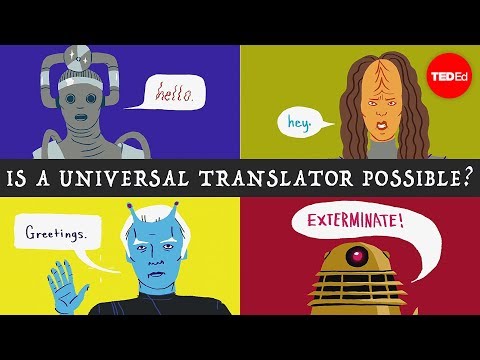
【TED-Ed】How computers translate human language - Ioannis Papachimonas
0
稲葉白兎 posted on 2021/06/29Ever wondered how Star Trek's Universal Translator or Harry Potter's Babelfish could actually work? This video dives into the fascinating world of machine translation, explaining the science behind computers understanding human language and exploring the linguistic challenges involved. You'll gain a deeper understanding of how translation technology is evolving and pick up some advanced vocabulary along the way!
Learn this video on the APP!
The VoiceTube App has more in-depth practice for videos!