
ability
US /əˈbɪlɪti/
UK /ə'bɪlətɪ/
- Noun (Countable/Uncountable)
- The power, resources or skill to do something
- A particular skill or talent.
A2TOEICMoreactivate
US /ˈæktəˌvet/
UK /ˈæktɪveɪt/
- Transitive Verb
- To cause to happen; cause a chemical reaction
- To make something start working
B1Moreactivation
US /ˌæktɪ'veɪʃn/
UK /ˌæktɪ'veɪʃn/
- Noun
- Act of making something (e.g. a bomb) active
B1Moreafter all
US /ˈæftɚ ɔl/
UK /ˈɑ:ftə ɔ:l/
- Adverb
- In spite of what was expected; used to introduce a statement that supports a previous statement or explains why it was made
- Considering everything; used to indicate that something is happening or is true despite some difficulty or obstacle
- Phrase
- Despite what was expected or thought; in spite of everything.
- Taking everything into consideration; considering that.
B1Moreas soon as
US /æz sun æz/
UK /æz su:n æz/
- Phrase
- In a short time after (something happens)
- Without any delay; immediately
- Conjunction
- At the moment that, or immediately after.
A1Moreautonomously
US /ɔ:'tɒnəməslɪ/
UK /ɔ:'tɒnəməslɪ/
- Adverb
- Operating independently
B2Morebiological
US /ˌbaɪəˈlɑdʒɪkəl/
UK /ˌbaɪəˈlɒdʒɪkl/
- Adjective
- Being related to life and living things
- A substance, such as a detergent, that contains enzymes.
B1Moreblend
US /blɛnd/
UK /blend/
- Transitive Verb
- To combine different elements or substances
- To mix ingredients when cooking
- Noun
- Product known for mixing ingredients
B1Morecomplex
US /kəmˈplɛks, ˈkɑmˌplɛks/
UK /'kɒmpleks/
- Countable Noun
- Group of buildings all used for the same purpose
- Adjective
- Not being simple; having many parts or aspects
A2Moreelbow
US /ˈɛlˌbo/
UK /'elbəʊ/
- Noun
- Middle part of the arm, which bends
- Transitive Verb
- To push another person with the side of your arm
B2Moreescape
US /ɪˈskep/
UK /ɪ'skeɪp/
- Noun (Countable/Uncountable)
- Act to briefly ignoring boring or bad things
- The 'esc key' on a keyboard
- Verb (Transitive/Intransitive)
- To avoid something undesirable, dangerous or bad
- To get away from a place where you are being kept
A2Moreessentially
US /ɪˈsenʃəli/
UK /ɪˈsenʃəli/
- Adverb
- Basically; (said when stating the basic facts)
- Used to emphasize the basic truth or fact of a situation.
A2Moreevolutionary
US /ˌiːvəˈluːʃəneri/
UK /ˌi:vəˈlu:ʃənri/
- Adjective
- Concerning gradual change over time
B2Moreevolve
US /ɪˈvɑlv/
UK /ɪ'vɒlv/
- Verb (Transitive/Intransitive)
- To develop certain features
- To develop or change slowly over time
B1Moreflexibility
US
UK
- Uncountable Noun
- The quality of being able to be bent or stretched
B1TOEICMoreflexible
US /ˈflɛksəbəl/
UK /ˈfleksəbl/
- Adjective
- Bending easily
- Able to adjust to new events, requirements easily
B1TOEICMorefor example
US
UK
- Phrase
- As an illustration or instance.
forearm
US /fɔrˈɑrm, for-/
UK /'fɔ:rɑ:m/
- Noun
- Lower part of your arm attached to your hand
C1Moregrab
US /ɡræb/
UK /ɡræb/
- Transitive Verb
- To take and hold something quickly
A2Morehalfway
US /ˌhæfˈweɪ/
UK /ˌhɑ:fˈweɪ/
- Adverb
- A middle point between two extremes
- At or to a point equidistant between two places.
- Adjective
- Located at or being at a point equidistant between two places.
- Partially completed; at an intermediate stage.
B2Morein general
US /ɪn ˈdʒɛnərəl/
UK /in ˈdʒenərəl/
- Phrase
- Typically; usually; on the whole.
- Not specific or detailed; broadly.
- Adjective
- Not detailed or specific; overall.
C2Moreinspire
US /ɪnˈspaɪr/
UK /ɪn'spaɪə(r)/
- Transitive Verb
- To give someone an idea to do or make something
- To make someone feel a certain emotion
- Intransitive Verb
- To breathe in
- To draw (air, etc.) into the lungs.
B1TOEICMoreinstead of
US /ɪnˈstɛd ʌv/
UK /inˈsted ɔv/
- Preposition
- When one thing is replaced by another
- Adverb
- As a substitute or alternative.
A1Moreintelligence
US /ɪnˈtɛlədʒəns/
UK /ɪn'telɪdʒəns/
- Uncountable Noun
- Collection of secret information about something
- Ability to learn things or to consider situations
- Adjective
- Of the spying services; acting in secrecy
A2TOEICMoreinterconnect
US
UK
- Transitive Verb
- To join or be joined together (computers/theories)
B2Moremaze
US /mez/
UK /meɪz/
- Noun
- Network of paths you have to make your way through
B2Moremimic
US /ˈmɪmɪk/
UK /'mɪmɪk/
- Countable Noun
- Someone who tries to act like another person
- Transitive Verb
- To copy a person's words/actions to amuse people
B2Moreneurological
US /ˌnjʊrəˈlɑdʒɪkəl/
UK /ˌnjʊərəˈlɒdʒɪkl/
- Adjective
- Concerning, used in or practicing neurology
B2Moreobservation
US /ˌɑbzɚˈveʃən/
UK /ˌɒbzəˈveɪʃn/
- Noun (Countable/Uncountable)
- Remark or comment on something you noticed
- Practice of performing actions required by rules
B1Moreoctopus
US /ˈɑ:ktəpəs/
UK /ˈɒktəpəs/
- Noun (Countable/Uncountable)
- Sea creature with eight arms or tentacles
B2Moreon the other hand
US
UK
- Phrase
- Considering a different aspect of the matter; alternatively.
A1Moreplural
US /ˈplʊrəl/
UK /ˈpluərəl/
- Adjective
- Being more than one person or thing
B1Moreprocess
US /ˈprɑsˌɛs, ˈproˌsɛs/
UK /prə'ses/
- Transitive Verb
- To organize and use data in a computer
- To deal with official forms in the way required
- Noun (Countable/Uncountable)
- Dealing with official forms in the way required
- Set of changes that occur slowly and naturally
A2TOEICMoreradically
US /ˈrædɪkl:ɪ/
UK /'rædɪklɪ/
- Adverb
- Completely or extremely
B1Morerather than
US
UK
- Adverb
- More exactly; more correctly
- Preferably; instead
- Preposition
- Instead of
A1Moreratio
US /ˈreɪʃioʊ/
UK /ˈreɪʃiəʊ/
- Noun (Countable/Uncountable)
- The relationship in relative size, etc.
- The quantitative relation between two amounts showing the number of times one value contains or is contained within the other.
C2Morereach
US /ritʃ/
UK /ri:tʃ/
- Verb (Transitive/Intransitive)
- To come to or arrive at a goal or destination
- To be long enough to get to a certain place
- Uncountable Noun
- Power or control someone has over something
A2TOEICMorereach out
US /ritʃ aʊt/
UK /ri:tʃ aut/
- Phrasal Verb
- To attempt to communicate with someone.
- To offer help and support to someone.
B1Moreresearch
US /rɪˈsɚtʃ, ˈriˌsɚtʃ/
UK /rɪ'sɜ:tʃ/
- Verb (Transitive/Intransitive)
- To study in order to discover new ideas and facts
- To study the market relating to marketing products and services.
- Noun (Countable/Uncountable)
- Study done to discover new ideas and facts
- A particular area or topic of study.
A2TOEICMorerigid
US /ˈrɪdʒɪd/
UK /ˈrɪdʒɪd/
- Adjective
- Stiff rather than flexible
- Very fixed in your opinion or habits
B1Morescare away
US
UK
- Phrasal Verb
- To frighten someone or something so that they go away.
A2Moreskeleton
US /ˈskɛlɪtn/
UK /ˈskelɪtn/
- Noun (Countable/Uncountable)
- Structure of bones that supports the body
- Frame that provides support for e.g. a building
- Adjective
- Outline of the basic of main part of something
B1Morespecific
US /spɪˈsɪfɪk/
UK /spəˈsɪfɪk/
- Adjective
- Precise; particular; just about that thing
- Concerning one particular thing or kind of thing
A2Morespot
US /spɑt/
UK /spɒt/
- Noun
- A certain place or area
- A difficult time; awkward situation
- Transitive Verb
- To see someone or something by chance
A2TOEICMorespread
US /sprɛd/
UK /spred/
- Noun (Countable/Uncountable)
- A big meal, often laid out as a buffet
- The distance between two things
- Verb (Transitive/Intransitive)
- To place over a large area; to cover a large area
- (Of ideas, gossip) to pass to and affect others
A2TOEICMorespread out
US /sprɛd aʊt/
UK /spred aut/
- Phrasal Verb
- To extend or stretch over a large area.
- To arrange things so that they cover a large area.
B2Morestructure
US /ˈstrʌk.tʃɚ/
UK /ˈstrʌk.tʃə/
- Noun (Countable/Uncountable)
- The way in which the parts of a system or object are arranged or organized, or a system arranged in this way
- A building or other man-made object.
- Transitive Verb
- To plan, organize, or arrange the parts of something
A2TOEICMoretask
US /tæsk/
UK /tɑ:sk/
- Noun (Countable/Uncountable)
- Big or small piece of work someone has to do
- Transitive Verb
- To be given something to do, e.g. wash dishes
A2TOEICMoretexture
US /ˈtɛkstʃɚ/
UK /ˈtekstʃə(r)/
- Noun (Countable/Uncountable)
- Quality from different elements, as in music
- Look and feel of a substance or material
- Transitive Verb
- To give a particular look or feel to a surface
B1Moretip
US /tɪp/
UK /tɪp/
- Transitive Verb
- To pour or move something from a place, container
- To give extra money for good service
- Noun
- End point of e.g. a pencil or finger
- Extra money given for good service
A2Moreused to
US /juzd tu/
UK /ˈju:st tə/
- Adjective
- Did regularly before, but don't do now
- Auxiliary Verb
- Have done before, but do not do now
A1Morevirtually
US /ˈvɚtʃuəli/
UK /ˈvɜ:tʃuəli/
- Adverb
- In an almost complete or entire manner
B1More
Vocabulary
- after all: In spite of what was expected; used to introduce a statement that supports a previous statement or explains why it was made
- instead of: When one thing is replaced by another
- spread out: To extend or stretch over a large area.
- for example: As an illustration or instance.
- on the other hand : Considering a different aspect of the matter; alternatively.
- used to: Did regularly before, but don't do now
- reach out: To attempt to communicate with someone.
- rather than: More exactly; more correctly
- as soon as: In a short time after (something happens)
- scare away: To frighten someone or something so that they go away.
- in general: Typically; usually; on the whole.
- specific: Precise; particular; just about that thing
- essentially: Basically; (said when stating the basic facts)
- process: To organize and use data in a computer
- situation: Place, position or area that something is in
- grab: To take and hold something quickly
- structure: The way in which the parts of a system or object are arranged or organized, or a system arranged in this way
- evolve: To develop certain features
- intelligence: Collection of secret information about something
- spot: A certain place or area
- general: Widespread, normal or usual
- develop: To explain something in steps and in detail
- texture: Quality from different elements, as in music
- complex: Group of buildings all used for the same purpose
- environment: Natural world in which plants and animals live
- research: To study in order to discover new ideas and facts
- spread: A big meal, often laid out as a buffet
- ability: The power, resources or skill to do something
- evolutionary: Concerning gradual change over time
- mimic: Someone who tries to act like another person
- virtually: In an almost complete or entire manner
- escape: Act to briefly ignoring boring or bad things
- brain: To strike someone forcefully on the head
- task: Big or small piece of work someone has to do
- reach: To come to or arrive at a goal or destination
- tip: To pour or move something from a place, container
- similar: Nearly the same; alike
- inspire: To give someone an idea to do or make something
- behavior: The way a person or thing acts; manner
- rigid: Stiff rather than flexible
- nervous: Concerning the system of nerves in the body
- flexible: Bending easily
- blend: To combine different elements or substances
- neurological: Concerning, used in or practicing neurology
- radically: Completely or extremely
- shape: The outer form of something, what it looks like
- observation: Remark or comment on something you noticed
- organize: To arrange and plan things, e.g. a party
- plural: Being more than one person or thing
- activate: To cause to happen; cause a chemical reaction
- ratio: The relationship in relative size, etc.
- biological: Being related to life and living things
- system: Set of organized, planned ideas that work together
- allow: To admit the validity or truth of something
- support: To give assistance or advice to someone
- skeleton: Structure of bones that supports the body
- basic: At the most important or easiest (beginner) level
- pick: Sharp tool used for breaking the ground
- maze: Network of paths you have to make your way through
- halfway: A middle point between two extremes
- flexibility: The quality of being able to be bent or stretched
- elbow: Middle part of the arm, which bends
- octopus: Sea creature with eight arms or tentacles
- activation: Act of making something (e.g. a bomb) active
- interconnect: To join or be joined together (computers/theories)
- forearm: Lower part of your arm attached to your hand
- autonomously: Operating independently
Get the full experience in the app
Learn anywhere with detailed sentence and usage analysis
01:03
She took a brave step forward, leaving behind her comfort zone to chase her dreams.
Vocabulary
- brave
adj. Having courage
- comfort zone
phr. A familiar situation where one feels safe
Explanation
a brave step is a noun phrase, where brave is an adjective modifying the noun step, meaning "a courageous step".
forward is an adverb modifying step, meaning "ahead".
The whole phrase serves as the object, answering the "what" of took (verb) — she took a brave step forward.
Get the full experience in the app
Look up words anytime with pronunciation, part of speech, and usage
brave
US/brev/
UK/breɪv/
adj.Brave
v.t.To bravely face
A2 Elementary
Get the full experience in the app
Practice speaking anytime and get instant pronunciation feedback
Try this speaking exercise.
Try practicing with this sentence.
80
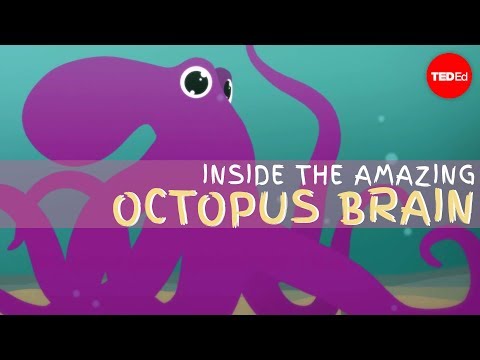
【TED-Ed】Why the octopus brain is so extraordinary - Cláudio L. Guerra
0
稲葉白兎 posted on 2021/06/21Ever wondered how an octopus's brain works with its arms? This video dives into the incredible decentralized nervous system of octopuses, packed with fascinating vocabulary about cephalopod biology and intelligence. You'll pick up advanced terms and see how this unique structure inspires soft robotics!
Learn this video on the APP!
The VoiceTube App has more in-depth practice for videos!