
access
US /ˈæksɛs/
UK /'ækses/
- Noun (Countable/Uncountable)
- Way to enter a place, e.g. a station or stadium
- The opportunity or right to use something or to see someone.
- Transitive Verb
- To be able to use or have permission to use
A2TOEICMorealong with
US /əˈlɔŋ wɪð/
UK /əˈlɔŋ wið/
- Preposition
- In addition to; together with.
- Adverb
- In company or together with someone or something.
- Including; in addition to.
A2Moreas for
US /æz fɔr/
UK /æz fɔ:/
- Preposition
- Concerning; regarding.
- Phrase
- Used to introduce a new topic or aspect of a subject.
A1Moreat odds
US /æt ɑdz/
UK /æt ɔdz/
- Phrase
- In a state of conflict or disagreement
- Adjective
- In a state of disagreement or conflict.
- Inconsistent or incompatible.
B1Moreavoid
US /əˈvɔɪd/
UK /ə'vɔɪd/
- Transitive Verb
- To prevent from happening
- To stay away from
A2TOEICMoreawe
US /ɔ/
UK /ɔ:/
- Verb (Transitive/Intransitive)
- To feel admiration, respect, or fear
- Uncountable Noun
- A feeling of great respect sometimes mixed with fear or surprise.
B2Morebarrier
US /ˈbæriɚ/
UK /'bærɪə(r)/
- Noun
- Difficult situation preventing something happening
- Structure or object that stops free movement
B1TOEICMorebizarre
US /bɪˈzɑr/
UK /bɪˈzɑ:(r)/
- Adjective
- Odd or strange
B2Moreconflict
US /ˈkɑnˌflɪkt/
UK /'kɒnflɪkt/
- Noun (Countable/Uncountable)
- Argument or struggle between two or more parties
- A serious disagreement or argument.
- Verb (Transitive/Intransitive)
- To have opposite ideas; to disagree; To not match
A2Morecontribute
US /kənˈtrɪbjut/
UK /kən'trɪbju:t/
- Verb (Transitive/Intransitive)
- To be a factor in causing something to happen
- To donate, give (money) or help to something
A2Morediabetes
US /ˌdaɪəˈbitɪs, -tiz/
UK /ˌdaɪəˈbi:ti:z/
- Noun (Countable/Uncountable)
- Illness where there is too much sugar in the blood
- A form of diabetes, usually diagnosed in children and young adults, in which the body does not produce insulin.
B2Moredialogue
US /ˈdaɪəˌlɔɡ, -ˌlɑɡ/
UK /'daɪəlɒɡ/
- Noun (Countable/Uncountable)
- Conversation between two or more individuals
- A discussion or series of discussions between people or groups, especially ones aimed at resolving a problem.
B1Moredisrupt
US /dɪsˈrʌpt/
UK /dɪsˈrʌpt/
- Transitive Verb
- To cause a disturbance in an activity in progress
B2TOEICMoreembryo
US /ˈɛmbriˌo/
UK /ˈembriəʊ/
- Noun
- Tiny plant stored inside a seed
- Early form of an unborn human or animal
B2Moreengage
US /ɪn'gedʒ/
UK /ɪn'ɡeɪdʒ/
- Transitive Verb
- To start to fight with an enemy
- To hire someone for a task or job
A2TOEICMoreevolutionary
US /ˌiːvəˈluːʃəneri/
UK /ˌi:vəˈlu:ʃənri/
- Adjective
- Concerning gradual change over time
B2Moreevolve
US /ɪˈvɑlv/
UK /ɪ'vɒlv/
- Verb (Transitive/Intransitive)
- To develop certain features
- To develop or change slowly over time
B1Moreexpel
US /ɪkˈspɛl/
UK /ɪk'spel/
- Transitive Verb
- To force a person to leave a place or organization
- To release or push something (e.g. air) out
B2TOEICMoreextract
US /ɪkˈstrækt/
UK /'ekstrækt/
- Noun (Countable/Uncountable)
- Essential ingredient of a natural thing
- Part taken from a longer written work
- Transitive Verb
- To get a substance out of a plant, etc.
- To get a person to share secret information
B1TOEICMorefactor
US /ˈfæktɚ/
UK /'fæktə(r)/
- Noun
- Something that influences a result
- Transitive Verb
- To consider or include in an estimate or judgment
- To find the two numbers a number can be divided by
A2TOEICMorefatigue
US /fəˈtiɡ/
UK /fəˈti:g/
- Uncountable Noun
- Breaking due to being moved or bent many times
- Being very tired
- Transitive Verb
- To cause someone or something to become very tired
B2Morefetal
US /ˈfitl:/
UK /'fi:tl/
- Adjective
- Of a fetus or unborn baby
B2Morefetus
US /ˈfitəs/
UK /'fi:təs/
- Noun
- An unborn baby, at a later stage than an embryo
C1Morehandful
US /ˈhændˌfʊl/
UK /'hændfʊl/
- Noun (Countable/Uncountable)
- an amount of something that can be held in one hand; small quantity or amount of people or things
- A thing requiring great effort to control, manage
B1Morehormonal
US /hɔ:'moʊnl/
UK /hɔ:'məʊnl/
- Adjective
- Concerning or caused by hormones in the body
B2Moreinspire
US /ɪnˈspaɪr/
UK /ɪn'spaɪə(r)/
- Transitive Verb
- To give someone an idea to do or make something
- To make someone feel a certain emotion
- Intransitive Verb
- To breathe in
- To draw (air, etc.) into the lungs.
B1TOEICMoreintense
US /ɪnˈtɛns/
UK /ɪn'tens/
- Adjective
- Very strong, great or extreme in degree
- Experiencing or showing great force or strength; extreme.
A2TOEICMoreinternal
US /ɪnˈtɚnəl/
UK /inˈtə:nəl/
- Adjective
- Being or happening in the body
- Being, happening in a country, state, organization
B1TOEICMoreinvasive
US /ɪnˈvesɪv/
UK /ɪnˈveɪsɪv/
- Adjective
- Entering the body, etc. in a destructive way
- Tending to spread aggressively; intrusive.
C1Moreloop
US /lup/
UK /lu:p/
- Noun (Countable/Uncountable)
- A circle or curved shape, as when you tie a lace
- A circle of rope or string to put around something
- Transitive Verb
- To put a circle of rope around something
B2TOEICMoremammal
US /ˈmæməl/
UK /'mæml/
- Noun
- Animal which drinks milk from its mother
B1Morematernal
US /məˈtɜ:rnl/
UK /məˈtɜ:nl/
- Adjective
- Of mothers or being a mother
B2TOEICMoremenstrual
US /ˈmɛnstruəl/
UK /ˈmenstruəl/
- Adjective
- Concerning a female's period
B2Moremenstruation
US /ˌmɛnstruˈeʃən/
UK /ˌmenstruˈeɪʃn/
- Uncountable Noun
- Monthly discharge of blood from the uterus
C2Moremysterious
US /mɪˈstɪriəs/
UK /mɪˈstɪəriəs/
- Adjective
- Unusual; hard to understand or work out
A2Morenurture
US /ˈnɜ:rtʃə(r)/
UK /ˈnɜ:tʃə(r)/
- Uncountable Noun
- Care and support given to people as they develop
- Transitive Verb
- To help something or someone to grow or succeed
- To help something or someone to grow or succeed
B1Morenutrient
US /ˈnutriənt/
UK /ˈnju:triənt/
- Noun (Countable/Uncountable)
- A chemical living things needs to be healthy
B1Moreodd
US /ɑd/
UK /ɒd/
- Adjective
- Being unmatched with someone or something
- Being a number not able to be divided by two
A2Moreon course
US /ɑn kɔː(r)s/
UK /ɔn kɔː(r)s/
- Adjective
- Likely to achieve a desired outcome after a period of difficulty.
- Phrase
- Progressing or developing as planned; likely to achieve the intended result.
- Following the intended route or direction.
A1Moreon earth
US /ɑn ɚθ/
UK /ɔn ə:θ/
- Phrase
- Used to emphasize a question expressing surprise or anger.
- Used to emphasize that something is not possible or will not happen.
A1Moreorgan
US /ˈɔrɡən/
UK /'ɔ:ɡən/
- Noun (Countable/Uncountable)
- Part of a person's body with a particular function
- Large institution or body
B1Morepermanent
US /ˈpɚmənənt/
UK /'pɜ:mənənt/
- Adjective
- Lasting forever; not temporary or changing
- Intended to last or remain for an unlimited period
- Noun
- A person who is a permanent employee.
- A chemical treatment to create lasting curls or waves in the hair.
B1TOEICMoreplacenta
US /pləˈsɛntə/
UK /pləˈsentə/
- Noun
- Organ that supplies nutrients to fetus in the womb
C1Morepregnancy
US /ˈprɛɡnənsi/
UK /ˈpregnənsi/
- Uncountable Noun
- When a woman carries her unborn baby inside her
- A specific instance or period of being pregnant.
B1Morepressure
US /ˈprɛʃɚ/
UK /'preʃə(r)/
- Noun (Countable/Uncountable)
- Anxiety caused by difficult problems
- Force, weight when pressing against a thing
- Transitive Verb
- To apply force to something
- To persuade or force someone to do something
A2TOEICMoreprocess
US /ˈprɑsˌɛs, ˈproˌsɛs/
UK /prə'ses/
- Transitive Verb
- To organize and use data in a computer
- To deal with official forms in the way required
- Noun (Countable/Uncountable)
- Dealing with official forms in the way required
- Set of changes that occur slowly and naturally
A2TOEICMoreresult
US /rɪˈzʌlt/
UK /rɪ'zʌlt/
- Noun
- Something produced through tests or experiments
- Final score of a competition, election or game
- Intransitive Verb
- To be the outcome of other causes and effects
- To happen or exist as a consequence of something.
A2Moreresult in
US /rɪˈzʌlt ɪn/
UK /riˈzʌlt in/
- Phrasal Verb
- To cause or produce as a consequence.
reveal
US /rɪˈvil/
UK /rɪ'vi:l/
- Transitive Verb
- To show something that was hidden before
A2TOEICMorerid
US /rɪd/
UK /rɪd/
- Transitive Verb
- To cause to no longer have (pest, problem)
- Adjective
- Freed or delivered from something.
A2Moreseemingly
US /ˈsiːmɪŋli/
UK /ˈsi:mɪŋli/
- Adverb
- Appearing to be but may not actually be; probably
B1Moresurvive
US /sɚˈvaɪv/
UK /sə'vaɪv/
- Intransitive Verb
- To continue to live despite illness or trouble
A2TOEICMoretrait
US /tret/
UK /treɪt/
- Noun (Countable/Uncountable)
- A particular characteristic that can produce a particular type of behavior
- A genetically determined characteristic or condition.
C2Moretransform
US /trænsˈfɔrm/
UK /træns'fɔ:m/
- Transitive Verb
- To change the shape completely in a good way
- To convert from one form or substance into another.
C2Moreused to
US /juzd tu/
UK /ˈju:st tə/
- Adjective
- Did regularly before, but don't do now
- Auxiliary Verb
- Have done before, but do not do now
A1Moreuterus
US /ˈjutərəs/
UK /ˈju:tərəs/
- Noun
- Inside part of female animals where young develop
C1Morevigorously
US /ˈvɪɡərəslɪ/
UK /'vɪɡərəslɪ/
- Adverb
- With a lot of energy or strength
- In a way that involves physical strength, effort, or energy; forcefully.
B2Morevulnerable
US /ˈvʌlnərəbəl/
UK /ˈvʌlnərəbl/
- Adjective
- Being open to attack or damage
- Being easily harmed, hurt, or wounded
B1Morewomb
US /wum/
UK /wu:m/
- Noun
- Place in a woman's body where a baby grows
B2More
Vocabulary
- on earth: Used to emphasize a question expressing surprise or anger.
- result in: To cause or produce as a consequence.
- used to: Did regularly before, but don't do now
- at odds: In a state of conflict or disagreement
- as for: Concerning; regarding.
- along with: In addition to; together with.
- on course: Likely to achieve a desired outcome after a period of difficulty.
- vulnerable: Being open to attack or damage
- intense: Very strong, great or extreme in degree
- fatigue: Breaking due to being moved or bent many times
- process: To organize and use data in a computer
- engage: To start to fight with an enemy
- access: Way to enter a place, e.g. a station or stadium
- trait: A particular characteristic that can produce a particular type of behavior
- reveal: To show something that was hidden before
- permanent: Lasting forever; not temporary or changing
- diabetes: Illness where there is too much sugar in the blood
- conflict: Argument or struggle between two or more parties
- evolve: To develop certain features
- bizarre: Odd or strange
- sense: Certain mental feeling or emotion
- develop: To explain something in steps and in detail
- rid: To cause to no longer have (pest, problem)
- barrier: Difficult situation preventing something happening
- contribute: To be a factor in causing something to happen
- pressure: Anxiety caused by difficult problems
- evolutionary: Concerning gradual change over time
- odd: Being unmatched with someone or something
- mysterious: Unusual; hard to understand or work out
- disrupt: To cause a disturbance in an activity in progress
- avoid: To prevent from happening
- dialogue: Conversation between two or more individuals
- handful: an amount of something that can be held in one hand; small quantity or amount of people or things
- inspire: To give someone an idea to do or make something
- seemingly: Appearing to be but may not actually be; probably
- extract: Essential ingredient of a natural thing
- nutrient: A chemical living things needs to be healthy
- factor: Something that influences a result
- result: Something produced through tests or experiments
- survive: To continue to live despite illness or trouble
- create: To make, cause, or bring into existence
- organ: Part of a person's body with a particular function
- womb: Place in a woman's body where a baby grows
- provide: To make available; to supply for use
- internal: Being or happening in the body
- mammal: Animal which drinks milk from its mother
- pregnancy: When a woman carries her unborn baby inside her
- nurture: Care and support given to people as they develop
- loop: A circle or curved shape, as when you tie a lace
- equally: In an equal, even, or identical manner
- invasive: Entering the body, etc. in a destructive way
- transform: To change the shape completely in a good way
- manage: To survive hardships and difficulties; to cope
- awe: To feel admiration, respect, or fear
- fetal: Of a fetus or unborn baby
- menstrual: Concerning a female's period
- fetus: An unborn baby, at a later stage than an embryo
- fail: To be unsuccessful in passing a class or exam
- embryo: Tiny plant stored inside a seed
- uterus: Inside part of female animals where young develop
- grow: To get bigger and more mature; make plants do this
- expel: To force a person to leave a place or organization
- menstruation: Monthly discharge of blood from the uterus
- healthy: In good condition physically, or financially; well
- maternal: Of mothers or being a mother
- remove: To get rid of something completely
- vigorously: With a lot of energy or strength
- human: A person; a man, woman or child
- time: Speed at which music is played; tempo
- hormonal: Concerning or caused by hormones in the body
- earth: Wire connecting an electrical device to the ground
- line: Border that divides two places or regions
- die: Cube with dots numbering 1-6 on it used in games
- placenta: Organ that supplies nutrients to fetus in the womb
Get the full experience in the app
Learn anywhere with detailed sentence and usage analysis
01:03
She took a brave step forward, leaving behind her comfort zone to chase her dreams.
Vocabulary
- brave
adj. Having courage
- comfort zone
phr. A familiar situation where one feels safe
Explanation
a brave step is a noun phrase, where brave is an adjective modifying the noun step, meaning "a courageous step".
forward is an adverb modifying step, meaning "ahead".
The whole phrase serves as the object, answering the "what" of took (verb) — she took a brave step forward.
Get the full experience in the app
Look up words anytime with pronunciation, part of speech, and usage
brave
US/brev/
UK/breɪv/
adj.Brave
v.t.To bravely face
A2 Elementary
Get the full experience in the app
Practice speaking anytime and get instant pronunciation feedback
Try this speaking exercise.
Try practicing with this sentence.
80
0
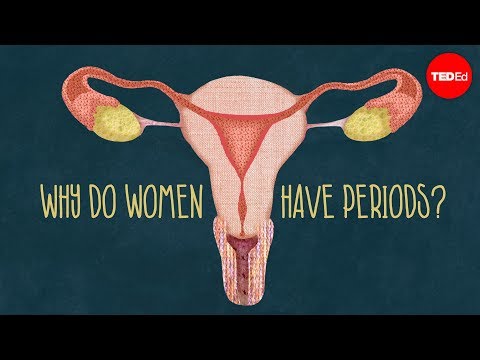
ming7154 posted on 2021/06/04Ever wondered about the science behind periods and pregnancy? This fascinating TED-Ed video dives into the evolutionary trade-offs and biological mechanisms, like placental invasion, that explain why women have menstrual cycles. You'll boost your vocabulary with advanced terms related to reproductive biology and health!
Learn this video on the APP!
The VoiceTube App has more in-depth practice for videos!