
apart from
US /əˈpɑrt frʌm/
UK /əˈpɑ:t frɔm/
- Preposition
- Except for; not considering
- In addition to; as well as
at least
US /æt list/
UK /æt li:st/
- Adverb
- As a minimum
- Not less than
- Phrase
- No less than; at the minimum
- Used to indicate that something is positive in a bad situation.
C2Moreat school
US
UK
- Phrase
- Present and attending school.
A1Moreback into
US /bæk ˈɪntu/
UK /bæk ˈɪntuː/
- Phrasal Verb
- To drive a vehicle backwards into a space or area.
- To accidentally collide with something while moving backwards.
A1Moreby and large
US /baɪ ənd lɑrdʒ/
UK /bai ænd lɑ:dʒ/
- Phrase
- Generally; on the whole; mostly.
- Taking everything into consideration; all things considered.
A2Morecell
US /sɛl/
UK /sel/
- Countable Noun
- Smallest unit of living things in biology
- Group of people - often from a secret organization
A2Moreclose by
US /kloz baɪ/
UK /kləuz bai/
- Adverb
- Near in distance; nearby.
- Phrase
- In a position or location that is near.
A2Morecome back
US /kʌm bæk/
UK /kʌm bæk/
- Phrasal Verb
- To reply to someone, often forcefully
- To be remembered
A1Morecome up with
US /kʌm ʌp wɪð/
UK /kʌm ʌp wið/
- Phrasal Verb
- To think of an idea or solution; produce
A1Moredamage
US /ˈdæmɪdʒ/
UK /ˈdæmɪdʒ/
- Noun (Countable/Uncountable)
- Physical harm that is done to something
- Transitive Verb
- To harm physically; to hurt or break something
- To harm the reputation of someone.
A2TOEICMoredevastating
US
UK
- Transitive Verb
- To cause extensive destruction or ruin utterly
- Adjective
- Destroying everything; very shocking
- Causing great emotional pain or shock.
B1Moredirect to
US
UK
- Transitive Verb
- To show or tell someone how to get to a place.
- To send something to a particular person or place.
B1Moredisease
US /dɪˈziz/
UK /dɪˈzi:z/
- Noun (Countable/Uncountable)
- Illness that affects a person, animal, or plant
- A disorder of structure or function in a plant, especially one caused by a pathogen.
- Transitive Verb
- To affect with disease; to corrupt or sicken.
A2TOEICMoredrug
US /drʌɡ/
UK /drʌɡ/
- Noun (Countable/Uncountable)
- Illegal substance taken for effect on the mind
- Chemical used as a medicine
- Transitive Verb
- To give drugs to someone to make them sleep
A2Morefor example
US
UK
- Phrase
- As an illustration or instance.
have to
US /hæv tu/
UK /ˈhæv tə/
- Auxiliary Verb
- Must do
A1Morein order to
US /ɪn ˈɔrdɚ tu/
UK /in ˈɔ:də tu:/
- Preposition
- For the purpose of; with the aim of.
- Phrase
- In a specific sequence or arrangement.
- With the aim of; for the purpose of.
C1Morein other words
US
UK
- Phrase
- Stating something in a different way, often to make it clearer or more understandable.
in part
US /ɪn pɑrt/
UK /in pɑ:t/
- Adverb
- To some extent; partially.
A1Morein particular
US /ɪn pɚˈtɪkjəlɚ/
UK /in pəˈtikjulə/
- Phrase
- Specifically; especially.
- Detailed or precise.
A1Morein the future
US /ɪn ði ˈfjutʃɚ/
UK /in ðə ˈfju:tʃə/
- Phrase
- At a later time; in times to come.
A1Morein the long run
US
UK
- Phrase
- Eventually; over a long period of time.
A1Morein the red
US
UK
- Adjective
- Operating at a loss; in debt.
- Phrase
- Having overdrawn money from a bank account.
A1Moremedical
US /ˈmɛdɪkəl/
UK /ˈmedɪkl/
- Adjective
- Of or relating to physical health or medicine
- Noun
- A health check or test
A2Moremotor
US /ˈmotɚ/
UK /ˈməʊtə(r)/
- Adjective
- Concerning cars and vehicles
- Concerned with or involving movement of muscles
- Noun
- An engine that drives a car, train etc.
A2Morenerve
US /nɚv/
UK /nə:v/
- Noun (Countable/Uncountable)
- Fibers in the body that enable feeling, movement
- Courage to do something that is difficult or risky
- Verb (Transitive/Intransitive)
- To summon one's courage; brace oneself.
A2Moreneuron
US /ˈnʊrˌɑn, ˈnjʊr-/
UK /ˈnʊərˌɔn, ˈnjʊər-/
- Noun
- A nerve cell
B2Morenext to
US /nɛkst tu/
UK /nekst tu:/
- Preposition
- Being located along side another
- In comparison with
- Adverb
- Almost; nearly
A1Moreof course
US /ʌv kɔː(r)s/
UK /ɔv kɔː(r)s/
- Adverb
- Sure ; Certainly
- Phrase
- For sure; certainly
A2Moreput it together
US
UK
- Phrasal Verb
- To assemble or construct something from separate parts.
- To organize or create something, such as a plan or presentation.
A1Moreput out
US /pʊt aʊt/
UK /put aut/
- Phrasal Verb
- To publish, e.g. a book
- To cause someone to be troubled or inconvenienced
A1Morespeaks volumes
US /spiks ˈvɑljəmz/
UK /spi:ks ˈvɒljʊmz/
- other
- To strongly convey a message or impression without words.
B2Morestem
US /stɛm/
UK /stem/
- Noun (Countable/Uncountable)
- Long thin central part of a plant, bearing leaves
- Long thin part supporting something e.g. a light
- Transitive Verb
- To remove the stem of a flower or fruit
- To stop something bad from spreading or developing
B1TOEICMorethink about
US /θɪŋk əˈbaʊt/
UK /θiŋk əˈbaut/
- Phrasal Verb
- To consider something carefully.
- To remember or call to mind.
A1Morethink of
US /θɪŋk ʌv/
UK /θiŋk ɔv/
- Phrasal Verb
- To look on as (being something specific); consider
- To consider or remember something.
- Verb (Transitive/Intransitive)
- To imagine or call something to mind
A1Morewake up
US /wek ʌp/
UK /weik ʌp/
- Phrasal Verb
- To stop sleeping
- To become fully aware and alert to a situation.
A1Morework together
US /wɚk təˈɡɛðɚ/
UK /wə:k təˈɡeðə/
- Verb (Transitive/Intransitive)
- To collaborate or cooperate with others to achieve a common goal.
A1More
Vocabulary
- think about: To consider something carefully.
- in order to: For the purpose of; with the aim of.
- next to: Being located along side another
- by and large: Generally; on the whole; mostly.
- in other words: Stating something in a different way, often to make it clearer or more understandable.
- work together: To collaborate or cooperate with others to achieve a common goal.
- for example: As an illustration or instance.
- at least: As a minimum
- in part: To some extent; partially.
- think of: To look on as (being something specific); consider
- have to: Must do
- of course: Sure ; Certainly
- at school: Present and attending school.
- put out: To publish, e.g. a book
- apart from: Except for; not considering
- put it together: To assemble or construct something from separate parts.
- in the red: Operating at a loss; in debt.
- direct to: To show or tell someone how to get to a place.
- come back: To reply to someone, often forcefully
- in the long run: Eventually; over a long period of time.
- in particular: Specifically; especially.
- back into: To drive a vehicle backwards into a space or area.
- wake up: To stop sleeping
- come up with: To think of an idea or solution; produce
- in the future: At a later time; in times to come.
- speaks volumes: To strongly convey a message or impression without words.
- close by: Near in distance; nearby.
- brain: To strike someone forcefully on the head
- disease: Illness that affects a person, animal, or plant
- neuron: A nerve cell
- simple: Not hard to understand or do; not complex
- devastating: To cause extensive destruction or ruin utterly
- nerve: Fibers in the body that enable feeling, movement
- stem: Long thin central part of a plant, bearing leaves
- cell: Smallest unit of living things in biology
- drug: Illegal substance taken for effect on the mind
- school: Large group of fish that swim together
- damage: Physical harm that is done to something
- medical: Of or relating to physical health or medicine
- bone: Hard piece of your body that holds your muscles
- hope: When you wish something will happen; what you wish
- motor: Concerning cars and vehicles
Get the full experience in the app
Learn anywhere with detailed sentence and usage analysis
01:03
She took a brave step forward, leaving behind her comfort zone to chase her dreams.
Vocabulary
- brave
adj. Having courage
- comfort zone
phr. A familiar situation where one feels safe
Explanation
a brave step is a noun phrase, where brave is an adjective modifying the noun step, meaning "a courageous step".
forward is an adverb modifying step, meaning "ahead".
The whole phrase serves as the object, answering the "what" of took (verb) — she took a brave step forward.
Get the full experience in the app
Look up words anytime with pronunciation, part of speech, and usage
brave
US/brev/
UK/breɪv/
adj.Brave
v.t.To bravely face
A2 Elementary
Get the full experience in the app
Practice speaking anytime and get instant pronunciation feedback
Try this speaking exercise.
Try practicing with this sentence.
80
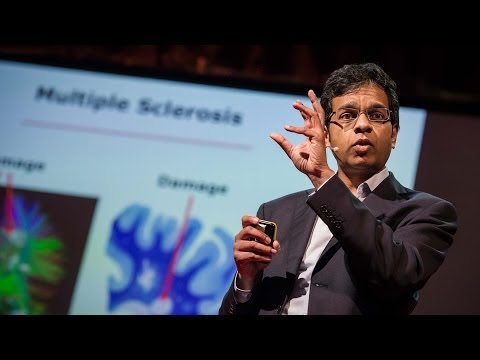
【TED】Siddharthan Chandran: Can the damaged brain repair itself? (Siddharthan Chandran: Can the damaged brain repair itself?)
0
Max Lin posted on 2015/12/25Ever wondered if a damaged brain can heal itself? This inspiring TED talk dives into the incredible world of stem cells and regenerative neurology, exploring groundbreaking research for conditions like motor neuron disease. You'll pick up advanced vocabulary and learn about cutting-edge science that offers real hope!
Learn this video on the APP!
The VoiceTube App has more in-depth practice for videos!