
as for
US /æz fɔr/
UK /æz fɔ:/
- Preposition
- Concerning; regarding.
- Phrase
- Used to introduce a new topic or aspect of a subject.
A1Moreas such
US /æz sʌtʃ/
UK /æz sʌtʃ/
- Pronoun
- Something previously stated or understood
A1Morebased on
US
UK
- Phrasal Verb
- To use something as the foundation or starting point for something else.
- Preposition
- Using something as the main idea or foundation.
- Relying on something as evidence or justification.
A1Morecommit
US /kəˈmɪt/
UK /kə'mɪt/
- Transitive Verb
- To do something bad, usually a crime
- To promise your permanent love or loyalty (to)
A2TOEICMorecorporate
US /ˈkɔrpərɪt, ˈkɔrprɪt/
UK /ˈkɔ:pərət/
- Adjective
- Concerning (usually large) companies
- Relating to a large company or group.
- Noun
- The overall strategy and direction of a company.
- The visual and communicative aspects of a company that create its public image.
A2Moreengage in
US /ɪn'gedʒ ɪn/
UK /ɪnˈɡeɪdʒ in/
- Phrasal Verb
- To participate or become involved in something.
B1Morefound out
US
UK
- Phrasal Verb
- To learn or discover something, often after some effort.
- To become known; be revealed.
B2Morefraud
US /frɔd/
UK /frɔ:d/
- Noun (Countable/Uncountable)
- Use of dishonest ways to take something valuable
- Person who pretends to be what he or she is not
B1TOEICMorein order to
US /ɪn ˈɔrdɚ tu/
UK /in ˈɔ:də tu:/
- Preposition
- For the purpose of; with the aim of.
- Phrase
- In a specific sequence or arrangement.
- With the aim of; for the purpose of.
C1Moremotivate
US /ˈmotəˌvet/
UK /'məʊtɪveɪt/
- Transitive Verb
- To give someone a reason, the will to do something
A2TOEICMoreon a daily basis
US
UK
- Phrase
- Happening every day.
A1Moreopportunity
US /ˌɑpɚˈtunɪti, -ˈtju-/
UK /ˌɒpə'tju:nətɪ/
- Noun (Countable/Uncountable)
- Time, situation when a thing might be done; chance
- A favorable time or occasion for doing something.
A2TOEICMorepressure
US /ˈprɛʃɚ/
UK /'preʃə(r)/
- Noun (Countable/Uncountable)
- Anxiety caused by difficult problems
- Force, weight when pressing against a thing
- Transitive Verb
- To apply force to something
- To persuade or force someone to do something
A2TOEICMorescheme
US /skim/
UK /ski:m/
- Noun
- Plan (sometimes dishonest) to get or do something
- Way something is organized, e.g. colors of a room
- Intransitive Verb
- To make secret plans to do something (often bad)
A2TOEICMoresusceptible
US /səˈsɛptəbəl/
UK /səˈseptəbl/
- Adjective
- Likely to fall prey to, be drawn to or influenced
- At risk of developing a certain illness or problem
B2TOEICMoretemptation
US /tɛmpˈteʃən/
UK /tempˈteɪʃn/
- Noun
- Something making you want to do/have bad thing
- Something that attracts or tempts someone.
A2Morethink of
US /θɪŋk ʌv/
UK /θiŋk ɔv/
- Phrasal Verb
- To look on as (being something specific); consider
- To consider or remember something.
- Verb (Transitive/Intransitive)
- To imagine or call something to mind
A1More
Vocabulary
- engage in: To participate or become involved in something.
- as for: Concerning; regarding.
- on a daily basis: Happening every day.
- in order to: For the purpose of; with the aim of.
- as such: Something previously stated or understood
- found out: To learn or discover something, often after some effort.
- based on: To use something as the foundation or starting point for something else.
- think of: To look on as (being something specific); consider
- people: Persons sharing culture, country, background, etc.
- opportunity: Time, situation when a thing might be done; chance
- position: Person's opinion or attitude about something
- pressure: Anxiety caused by difficult problems
- commit: To do something bad, usually a crime
- account: An advantage
- susceptible: Likely to fall prey to, be drawn to or influenced
- private: Being away from others and quiet
- wrong: Action that is harmful, unjust or illegal
- temptation: Something making you want to do/have bad thing
- case: Container used to carry things, e.g. clothes
- corporate: Concerning (usually large) companies
- motivate: To give someone a reason, the will to do something
- fraud: Use of dishonest ways to take something valuable
- scheme: Plan (sometimes dishonest) to get or do something
Get the full experience in the app
Learn anywhere with detailed sentence and usage analysis
01:03
She took a brave step forward, leaving behind her comfort zone to chase her dreams.
Vocabulary
- brave
adj. Having courage
- comfort zone
phr. A familiar situation where one feels safe
Explanation
a brave step is a noun phrase, where brave is an adjective modifying the noun step, meaning "a courageous step".
forward is an adverb modifying step, meaning "ahead".
The whole phrase serves as the object, answering the "what" of took (verb) — she took a brave step forward.
Get the full experience in the app
Look up words anytime with pronunciation, part of speech, and usage
brave
US/brev/
UK/breɪv/
adj.Brave
v.t.To bravely face
A2 Elementary
Get the full experience in the app
Practice speaking anytime and get instant pronunciation feedback
Try this speaking exercise.
Try practicing with this sentence.
80
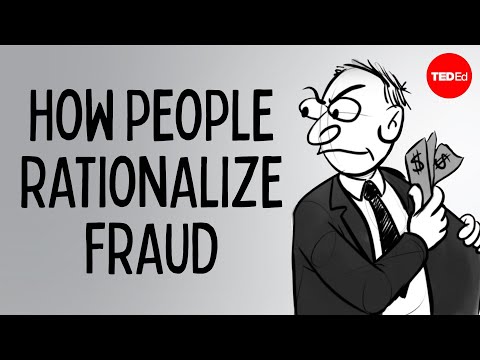
【TED-Ed】How people rationalize fraud - Kelly Richmond Pope
0
Ann posted on 2016/01/06Ever wondered why smart people commit fraud? This fascinating TED-Ed talk dives into the 'Fraud Triangle' and uses real-life cases like the Parmalat Scandal to explain the psychology behind corporate fraud and embezzlement. You'll pick up some advanced vocabulary and gain insights into workplace ethics that are super practical!
Learn this video on the APP!
The VoiceTube App has more in-depth practice for videos!