
a tremendous amount
US
UK
- Determiner
- A very large quantity or number of something.
B2Moreacross from
US /əˈkrɔs frʌm/
UK /əˈkrɔs frɔm/
- Preposition
- Being on the other side
A1Moreafter the fact
US /ˈæftɚ ðə fækt/
UK /ˈɑ:ftə ðə fækt/
- other
- Happening or known later than the actual event.
B1Moreall over the place
US
UK
- Phrase
- In a state of disorder; scattered everywhere.
- In many different locations; widely distributed.
- Adjective
- Mentally or emotionally disorganized; confused or erratic.
A1Moreanswer to
US
UK
- Phrasal Verb
- To be responsible to someone and have to explain your actions to them.
- To correspond to or match a description or requirement.
A1Moreas we know it
US /əz wi no ɪt/
UK /əz wi nəu ɪt/
- other
- In the form or way commonly understood or accepted.
B2Moreas well as
US /æz wɛl æz/
UK /æz wel æz/
- Adverb
- Also; in addition to
- Preposition
- In addition to; and also.
A1Moreat the moment
US
UK
- Adverb
- At this time; now
A1Moreat the same time
US
UK
- Phrase
- Simultaneously; at the identical moment.
- Nevertheless; however; used to introduce a contrasting or qualifying statement.
A1Moreaudience
US /ˈɔdiəns/
UK /ˈɔ:diəns/
- Noun (Countable/Uncountable)
- Group of people attending a play, movie etc.
A2TOEICMorebear on
US
UK
- Phrasal Verb
- To have an influence or effect on something.
behind the scenes
US
UK
- Phrase
- Secretly or without being known to the public.
- In a position to influence events without any public knowledge.
A1Morebring down
US /brɪŋ daʊn/
UK /briŋ daun/
- Phrasal Verb
- To destroy (government, etc.) forcefully
- To kill someone, often with a gun
A1Morebunch
US /bʌntʃ/
UK /bʌntʃ/
- Noun (Countable/Uncountable)
- A group of things of the same kind
- A group of people.
- Transitive Verb
- To group people or things closely together
B1Morecome before
US /kʌm bɪˈfɔr/
UK /kʌm biˈfɔ:/
- Phrasal Verb
- To happen or exist earlier in time than something else.
- To be considered more important than something else.
A1Morecome from
US /kʌm frʌm/
UK /kʌm frɔm/
- Phrasal Verb
- To have as your native country or city
A1Morecome up
US /kʌm ʌp/
UK /kʌm ʌp/
- Phrasal Verb
- To come closer to someone; approach
- (Of sun) to rise into the sky in the morning
A1Morecommercial
US /kəˈmɚʃəl/
UK /kəˈmə:ʃəl/
- Noun
- Radio or television advertisement
- Adjective
- A notice, picture, or film telling people about a product, job, or service.
- Designed for or primarily concerned with financial success.
B1Morecut off
US /kʌt ɔf/
UK /kʌt ɔf/
- Phrasal Verb
- To end a process, e.g. a phone call
- To cut the end of something
- Transitive Verb
- To isolate or prevent access to a place or person.
- To interrupt someone while they are speaking.
A1Moredial up
US
UK
- Phrase
- Verb (Transitive/Intransitive)
- To connect to a network or service using a modem and a telephone line.
B1Moredo in
US
UK
- Phrasal Verb
- To make completely tired out and exhausted
- To destroy or cause damage to someone
A1Moredo without
US
UK
- Phrasal Verb
- To manage without having or doing something
A1Morefeel for
US /fil fɔr/
UK /fi:l fɔ:/
- Phrasal Verb
- To have sympathy for someone; to empathize with someone's situation.
- To try to find something by touching it.
A1Morefigure out
US /ˈfɪɡjɚ aʊt/
UK /ˈfiɡə aut/
- Phrasal Verb
- To understand the behavior of someone
- To think through logically to find a solution
- Verb (Transitive/Intransitive)
- To understand or find an answer to something.
- To find a solution to a problem or understand something.
A1Morefinish up
US
UK
- Phrasal Verb
- To complete or bring something to an end.
firm
US /fɚm/
UK /fɜ:m/
- Countable Noun
- Company that sells goods or services
- Adjective
- Fairly hard or solid, not soft
- Unchanging and strong
A2TOEICMorefor a minute
US
UK
- Phrase
- For a short period of time; briefly.
- Used to indicate a sudden realization or thought.
A1Morefor example
US
UK
- Phrase
- As an illustration or instance.
for sale
US /fɔr sel/
UK /fɔ: seil/
- Phrase
- (object) that people can buy
A2Moreget stuck in
US /ɡɛt stʌk ɪn/
UK /ɡet stʌk in/
- Phrasal Verb
- To become enthusiastically involved in something.
A1Morego away
US /ɡo əˈwe/
UK /ɡəu əˈwei/
- Phrasal Verb
- To go on vacation
- To leave; depart.
A1Moregoing on
US /ˈɡoɪŋ ɑn/
UK /ˈgəʊɪŋ ɔn/
- Phrasal Verb
- To continue doing something
- To happen (usually negative)
A1Moregot to
US /ɡɑt tu/
UK /gɔt tu:/
- Verb (Transitive/Intransitive)
- To arrive at some place
- To have the opportunity or permission to do something
- Phrasal Verb
- To appeal to the emotions of; move
- To finally begin to start something after a delay
A1Morehang on
US /hæŋ ɑn/
UK /hæŋ ɔn/
- Phrasal Verb
- To wait for the person you phoned to answer
- To persevere or persist, especially in a difficult situation.
A2Morehave at
US
UK
- Phrasal Verb
- To attack someone or something.
- To begin doing something with enthusiasm.
A1Morehave to
US /hæv tu/
UK /ˈhæv tə/
- Auxiliary Verb
- Must do
A1Morein a box
US /ɪn ə bɑks/
UK /ɪn ə bɒks/
- other
- Contained or confined inside a box or small space.
B2Morein a minute
US
UK
- Phrase
- Very soon; in a short amount of time.
- Within the duration of one minute.
A1Morein a nutshell
US
UK
- Phrase
- As a summary; including the main points concisely
C2Morein advance
US /ɪn ædˈvæns/
UK /in ədˈvɑ:ns/
- Phrase
- Ahead of time; before something happens
- Noun
- A payment made before it is due, especially for work to be done
A2Morein business
US /ɪn ˈbɪznɪs/
UK /in ˈbiznis/
- Phrase
- Actively operating as a commercial enterprise.
- Having a commercial partnership or association.
A1Morein comparison
US /ɪn kəmˈpærɪsən/
UK /in kəmˈpærisən/
- Adverb
- When compared to something else.
- Phrase
- When compared to something else.
- When considering the differences between two or more things.
A1Morein fact
US /ɪn fækt/
UK /in fækt/
- Adverb
- Used to emphasize the truth of a statement, especially one that contrasts with or contradicts something else.
- Used to introduce a more detailed or surprising piece of information.
- Phrase
- Used to emphasize the truth of a statement, especially one that is surprising or contrary to what might be expected.
C1Morein general
US /ɪn ˈdʒɛnərəl/
UK /in ˈdʒenərəl/
- Phrase
- Typically; usually; on the whole.
- Not specific or detailed; broadly.
- Adjective
- Not detailed or specific; overall.
C2Morein mind
US /ɪn maɪnd/
UK /in maind/
- Phrase
- Being aware of or considering something.
- To remember or consider something.
A2Morein order to
US /ɪn ˈɔrdɚ tu/
UK /in ˈɔ:də tu:/
- Preposition
- For the purpose of; with the aim of.
- Phrase
- In a specific sequence or arrangement.
- With the aim of; for the purpose of.
C1Morein particular
US /ɪn pɚˈtɪkjəlɚ/
UK /in pəˈtikjulə/
- Phrase
- Specifically; especially.
- Detailed or precise.
A1Morein practice
US /ɪn ˈpræktɪs/
UK /in ˈpræktis/
- Phrase
- In reality or actual use; as opposed to in theory.
A1Morein retrospect
US /ɪn ˈrɛtrəˌspɛkt/
UK /in ˈretrəspekt/
- Uncountable Noun
- Thinking back on what happened
C1Morein the middle of
US
UK
- Phrase
- In the central part or point of something.
- Engaged or occupied with something.
A2Morein the world
US /ɪn ði wɜrld/
UK /in ðə wɜː(r)ld/
- Phrase
- Used to emphasize a question expressing surprise, confusion, disbelief
- Used to indicate the extent or degree of something, often in a superlative sense
A1Moreinnovative
US /ˈɪnəˌvetɪv/
UK /'ɪnəveɪtɪv/
- Adjective
- Having or using new methods or ideas
B1Moreinside of
US /ɪnˈsaɪd ʌv/
UK /inˈsaid ɔv/
- Preposition
- Within; in the inner part of.
- Within a certain period of time.
A1Moreinvestment
US /ɪnˈvɛstmənt/
UK /ɪnˈvestmənt/
- Noun (Countable/Uncountable)
- Something purchased hoping its value will increase
- Something you invest in, such as a company, property, etc.
A2TOEICMorejack up
US /dʒæk ʌp/
UK /dʒæk ʌp/
- Phrasal Verb
- To lift something to a higher position
- To raise prices
A1Moreknow better
US
UK
- Verb (Transitive/Intransitive)
- To be wise enough not to do something.
- To be expected to have the sense to not do something.
A1Moreleave it there
US
UK
- Phrase
- To put something down and not move it from that location.
- To stop working on something and postpone it for later.
- Transitive Verb
- To allow something to remain at a specific location.
look at
US /lʊk æt/
UK /luk æt/
- Phrasal Verb
- To use your eyes to focus on something
- To focus your eyes on something carefully
A1Morelook for
US /lʊk fɔr/
UK /luk fɔ:/
- Phrasal Verb
- To try to find a thing or person that is lost
- To expect or anticipate something.
A1Moremajor
US /ˈmedʒɚ/
UK /'meɪdʒə(r)/
- Countable Noun
- High-ranking officer in the army
- Main subject you study at university
- Adjective
- Main league; esp. referring to American baseball
- Important, serious, or large in scope, size
A2TOEICMoreof course
US /ʌv kɔː(r)s/
UK /ɔv kɔː(r)s/
- Adverb
- Sure ; Certainly
- Phrase
- For sure; certainly
A2Moreof interest
US /əv ˈɪntrɪst/
UK /əv ˈɪntrəst/
- other
- Relevant or important to someone or something.
B2Moreof itself
US /ʌv ɪtˈself/
UK /əv ɪtˈself/
- other
- Happening automatically without external cause or help.
B1Moreof value
US /ʌv ˈvælju/
UK /ɔv ˈvælju/
- Adjective
- Having worth, importance, or usefulness.
- Providing a benefit or advantage.
A1Moreon edge
US /ɑn ɛdʒ/
UK /ɔn edʒ/
- Adjective
- Anxious, nervous, or irritable.
- Tense and easily upset.
B1Moreon the fence
US /ɑn ði fɛns/
UK /ɔn ðə fens/
- Phrase
- Undecided; wavering between two options.
- Remaining neutral; not taking sides in a dispute.
A1Moreon the inside
US /ɑn ði ɪnˈsaɪd/
UK /ɔn ðə inˈsaid/
- Phrase
- Having a position of authority or influence within an organization or system.
- In prison; incarcerated.
- Adjective
- Possessing secret or confidential information.
A1Moreon the internet
US
UK
- Phrase
- Located or available on the internet.
- Using the internet as a medium or platform.
A1Moreon the other hand
US
UK
- Phrase
- Considering a different aspect of the matter; alternatively.
A1Moreon the other side of
US /ɑn ði ˈʌðɚ ˈsaɪd ʌv/
UK /ɒn ði ˈʌðə ˈsaɪd ɒv/
- Preposition
- Located across something from a given point.
A2Moreon to
US /ɑn tu/
UK /ɔn tu:/
- Preposition
- Toward something; forward
- Aware of someone's activities.
- Adjective
- Aware of someone's deception or illegal activities.
A1Morepay off
US /pe ɔf/
UK /pei ɔf/
- Phrasal Verb
- To give money to get person to do something; bribe
- To give money to settle a debt
- Transitive Verb
- To bribe someone.
- To pay a debt in full.
A1Moreplatform
US /ˈplætˌfɔrm/
UK /'plætfɔ:m/
- Noun (Countable/Uncountable)
- Flat, raised structure that people stand on
- Area from which you board a train at a station
B1Moreprior to
US /ˈpraɪɚ tu/
UK /ˈpraiə tu:/
- Preposition
- Before a particular time or event.
C1Morepush through
US /pʊʃ θru/
UK /puʃ θru:/
- Phrasal Verb
- To continue with a plan or activity despite difficulties or opposition.
- To make progress by pushing people or things aside.
B1Morerun through
US
UK
- Phrasal Verb
- To pierce with a sharp pointed object
- To practice or rehearse quickly, e.g. for a play
A1Morerush
US /rʌʃ/
UK /rʌʃ/
- Verb (Transitive/Intransitive)
- To attack someone suddenly in a group
- To perform or finish with speed and urgency
- Noun (Countable/Uncountable)
- Actions performed or finishes with speed, urgency
- State of hurried action
A2TOEICMoresame time
US
UK
- Phrase
- Occurring simultaneously or at the same point in time.
- At the identical time as before; recurring at a fixed hour.
- Noun
- An equal duration or period.
A1Moresit on the fence
US /sɪt ɑn ðə fɛns/
UK /sit ɒn ðə fens/
- other
- To remain neutral and not take sides in a disagreement.
B1Morestep back
US /stɛp bæk/
UK /step bæk/
- Phrasal Verb
- To move backwards; to move away from something.
- To take a break from something; to gain perspective.
A1Moresuch as
US /sʌtʃ æz/
UK /sʌtʃ æz/
- Preposition
- For example; like
A1Moretake in
US
UK
- Phrasal Verb
- To allow to enter; receive as a guest
- To include or add
- Transitive Verb
- To absorb (liquid).
- To understand or comprehend something.
A1Moretalking about
US
UK
- Phrasal Verb
- To discuss a particular topic.
- To be constantly mentioning or bringing up a subject.
A1Morethink about
US /θɪŋk əˈbaʊt/
UK /θiŋk əˈbaut/
- Phrasal Verb
- To consider something carefully.
- To remember or call to mind.
A1Morethink of
US /θɪŋk ʌv/
UK /θiŋk ɔv/
- Phrasal Verb
- To look on as (being something specific); consider
- To consider or remember something.
- Verb (Transitive/Intransitive)
- To imagine or call something to mind
A1Moreto do with
US
UK
- Phrasal Verb
- To be about something; concern
A1Moreturned out
US
UK
- Phrasal Verb
- To arrive for a public event or entertainment
- To happen to be in the end
- Transitive Verb
- To extinguish or switch off lights.
A1Moretypically
US /ˈtɪpɪklɪ/
UK /ˈtɪpɪkli/
- Adverb
- In a normal or usual way
B1Moreused to
US /juzd tu/
UK /ˈju:st tə/
- Adjective
- Did regularly before, but don't do now
- Auxiliary Verb
- Have done before, but do not do now
A1Morewalk away with
US /ˈwɔk əˈweɪ wɪð/
UK /ˈwɔ:k əˈweɪ wɪð/
- other
- To win or obtain something easily or without much effort.
B2Morewith it
US /wɪð ɪt/
UK /wið it/
- Adjective
- Intelligent, alert, and up-to-date.
- Understanding and knowledgeable about current trends or information.
A1Morewithout question
US
UK
- Phrase
- Undoubtedly; certainly; definitely.
- In a manner indicating full acceptance or obedience.
A2Morework together
US /wɚk təˈɡɛðɚ/
UK /wə:k təˈɡeðə/
- Verb (Transitive/Intransitive)
- To collaborate or cooperate with others to achieve a common goal.
A1More
Vocabulary
- look at: To use your eyes to focus on something
- for example: As an illustration or instance.
- have to: Must do
- same time: Occurring simultaneously or at the same point in time.
- inside of: Within; in the inner part of.
- going on: To continue doing something
- in order to: For the purpose of; with the aim of.
- in fact: Used to emphasize the truth of a statement, especially one that contrasts with or contradicts something else.
- dial up
- come from: To have as your native country or city
- as we know it: In the form or way commonly understood or accepted.
- of interest: Relevant or important to someone or something.
- look for: To try to find a thing or person that is lost
- at the moment: At this time; now
- in the middle of: In the central part or point of something.
- at the same time: Simultaneously; at the identical moment.
- with it: Intelligent, alert, and up-to-date.
- in a box: Contained or confined inside a box or small space.
- turned out: To arrive for a public event or entertainment
- in business: Actively operating as a commercial enterprise.
- after the fact: Happening or known later than the actual event.
- in retrospect: Thinking back on what happened
- of value: Having worth, importance, or usefulness.
- figure out: To understand the behavior of someone
- think about: To consider something carefully.
- in mind: Being aware of or considering something.
- got to: To arrive at some place
- of itself: Happening automatically without external cause or help.
- in particular: Specifically; especially.
- in advance: Ahead of time; before something happens
- take in: To allow to enter; receive as a guest
- pay off: To give money to get person to do something; bribe
- work together: To collaborate or cooperate with others to achieve a common goal.
- on the fence: Undecided; wavering between two options.
- sit on the fence: To remain neutral and not take sides in a disagreement.
- feel for: To have sympathy for someone; to empathize with someone's situation.
- come up: To come closer to someone; approach
- cut off: To end a process, e.g. a phone call
- prior to: Before a particular time or event.
- on the other hand : Considering a different aspect of the matter; alternatively.
- for sale: (object) that people can buy
- come before: To happen or exist earlier in time than something else.
- in the world: Used to emphasize a question expressing surprise, confusion, disbelief
- to do with: To be about something; concern
- bring down: To destroy (government, etc.) forcefully
- do in: To make completely tired out and exhausted
- in a minute: Very soon; in a short amount of time.
- answer to: To be responsible to someone and have to explain your actions to them.
- all over the place: In a state of disorder; scattered everywhere.
- used to: Did regularly before, but don't do now
- leave it there: To put something down and not move it from that location.
- finish up: To complete or bring something to an end.
- walk away with: To win or obtain something easily or without much effort.
- without question: Undoubtedly; certainly; definitely.
- in a nutshell: As a summary; including the main points concisely
- bear on: To have an influence or effect on something.
- in comparison: When compared to something else.
- run through: To pierce with a sharp pointed object
- behind the scenes: Secretly or without being known to the public.
- of course: Sure ; Certainly
- across from: Being on the other side
- on the internet: Located or available on the internet.
- on the other side of: Located across something from a given point.
- talking about: To discuss a particular topic.
- on edge: Anxious, nervous, or irritable.
- go away: To go on vacation
- jack up: To lift something to a higher position
- do without: To manage without having or doing something
- know better: To be wise enough not to do something.
- get stuck in: To become enthusiastically involved in something.
- such as: For example; like
- on the inside: Having a position of authority or influence within an organization or system.
- for a minute: For a short period of time; briefly.
- step back: To move backwards; to move away from something.
- think of: To look on as (being something specific); consider
- have at: To attack someone or something.
- a tremendous amount: A very large quantity or number of something.
- hang on: To wait for the person you phoned to answer
- on to: Toward something; forward
- in practice: In reality or actual use; as opposed to in theory.
- in general: Typically; usually; on the whole.
- as well as: Also; in addition to
- push through: To continue with a plan or activity despite difficulties or opposition.
- bunch: A group of things of the same kind
- audience: Group of people attending a play, movie etc.
- typically: In a normal or usual way
- commercial: Radio or television advertisement
- major: High-ranking officer in the army
- firm: Company that sells goods or services
- lot: What happens to a person in life from chance; fate
- rush: To attack someone suddenly in a group
- happen: To take place or occur
- platform: Flat, raised structure that people stand on
- investment: Something purchased hoping its value will increase
- innovative: Having or using new methods or ideas
- Internet: Worldwide computer network system
- book: (Police) to officially record someone's crimes
- big: Popular
Get the full experience in the app
Learn anywhere with detailed sentence and usage analysis
01:03
She took a brave step forward, leaving behind her comfort zone to chase her dreams.
Vocabulary
- brave
adj. Having courage
- comfort zone
phr. A familiar situation where one feels safe
Explanation
a brave step is a noun phrase, where brave is an adjective modifying the noun step, meaning "a courageous step".
forward is an adverb modifying step, meaning "ahead".
The whole phrase serves as the object, answering the "what" of took (verb) — she took a brave step forward.
Get the full experience in the app
Look up words anytime with pronunciation, part of speech, and usage
brave
US/brev/
UK/breɪv/
adj.Brave
v.t.To bravely face
A2 Elementary
Get the full experience in the app
Practice speaking anytime and get instant pronunciation feedback
Try this speaking exercise.
Try practicing with this sentence.
80
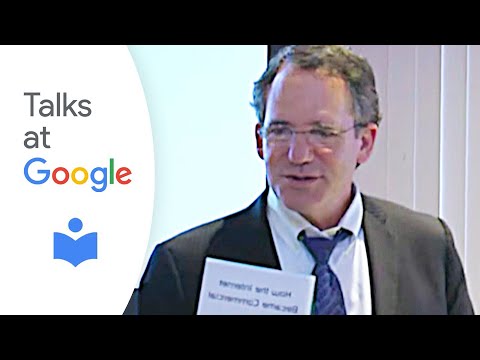
Shane Greenstein: "How the Internet Became Commercial" | Talks at Google
0
richardwang posted on 2015/12/15Ever wondered how the internet went from a research project to a global marketplace? This talk dives into the fascinating history of the internet's commercialization, explaining key concepts like network effects and open standards. You'll pick up tons of useful vocabulary related to technology, business, and historical innovation!
Learn this video on the APP!
The VoiceTube App has more in-depth practice for videos!