
based on
US
UK
- Phrasal Verb
- To use something as the foundation or starting point for something else.
- Preposition
- Using something as the main idea or foundation.
- Relying on something as evidence or justification.
A1Morecome together
US /kʌm təˈɡɛðɚ/
UK /kʌm təˈɡeðə/
- Phrasal Verb
- To assemble or unite; to start working together.
- To form a close relationship or bond.
A1Morecue
US /kju/
UK /kju:/
- Noun
- Word or action in a play to tell an actor to speak
- Transitive Verb
- To give a signal telling someone when to act/speak
B2Morefor instance
US /fɔr ˈɪnstəns/
UK /fɔ: ˈinstəns/
- Adverb
- As an example.
- Phrase
- As an example.
- As an illustration or case in point
B1Morego back to
US /ɡo bæk tu/
UK /ɡəu bæk tu:/
- Phrasal Verb
- To return to a starting point
A1Morego on
US /ɡo ɑn/
UK /ɡəu ɔn/
- Phrasal Verb
- To continue doing something
- To happen (usually negative)
- Interjection
- Used to encourage someone
A1Moregot to
US /ɡɑt tu/
UK /gɔt tu:/
- Verb (Transitive/Intransitive)
- To arrive at some place
- To have the opportunity or permission to do something
- Phrasal Verb
- To appeal to the emotions of; move
- To finally begin to start something after a delay
A1Morehave to
US /hæv tu/
UK /ˈhæv tə/
- Auxiliary Verb
- Must do
A1Morehistory
US /ˈhɪstəri/
UK /'hɪstrɪ/
- Noun (Countable/Uncountable)
- Established pattern or record
- Study of past events as an academic subject
A2Morein fact
US /ɪn fækt/
UK /in fækt/
- Adverb
- Used to emphasize the truth of a statement, especially one that contrasts with or contradicts something else.
- Used to introduce a more detailed or surprising piece of information.
- Phrase
- Used to emphasize the truth of a statement, especially one that is surprising or contrary to what might be expected.
C1Morein the first place
US
UK
- Phrase
- To begin with; as the first point or consideration.
- From the beginning; initially.
A1Moreinstead of
US /ɪnˈstɛd ʌv/
UK /inˈsted ɔv/
- Preposition
- When one thing is replaced by another
- Adverb
- As a substitute or alternative.
A1Morelatin
US /ˈlætn/
UK /ˈlætɪn/
- Uncountable Noun
- Ancient Roman language affecting many languages
- Adjective
- Of or typical of a Spanish-speaking culture
C2Morelive on
US /lɪv ɒn/
UK /lɪv ɒn/
- Phrasal Verb
- To continue to exist or be remembered.
- To eat a particular type of food as the main thing.
B2Morelook at
US /lʊk æt/
UK /luk æt/
- Phrasal Verb
- To use your eyes to focus on something
- To focus your eyes on something carefully
A1Moreoff of
US /ɔf ʌv/
UK /ɔf ɔv/
- Preposition
- From a position on something; down from.
A1Morephonetic
US /fəˈnɛtɪk/
UK /fəˈnetɪk/
- Adjective
- Concerning the sounds of languages
C1Morequarrel with
US /ˈkwɔrəl wɪθ/
UK /ˈkwɒrəl wɪð/
- other
- To have an argument or disagreement with someone.
B1Morequeen
US /kwin/
UK /kwi:n/
- Proper Noun
- Person's name
- Noun
- Playing card, with the image of a queen on it
- Piece in chess has the most freedom of movement
A2Morequeue
US /kju/
UK /kju:/
- Noun (Countable/Uncountable)
- Line of people or cars waiting for something
- A list of data items, jobs, etc., stored so as to be retrievable in a definite order, usually the order of insertion.
- Intransitive Verb
- To wait in a line.
B1Morequeue up
US
UK
- Phrasal Verb
- To form a line of people waiting for something.
A1Moretake off
US /tek ɔf/
UK /teik ɔf/
- Phrasal Verb
- To remove, e.g. your clothes
- To make arrangements to be absent from work
- Verb (Transitive/Intransitive)
- To remove (an item of clothing).
- To depart; to leave.
A1Moretalking about
US
UK
- Phrasal Verb
- To discuss a particular topic.
- To be constantly mentioning or bringing up a subject.
A1Morethink of
US /θɪŋk ʌv/
UK /θiŋk ɔv/
- Phrasal Verb
- To look on as (being something specific); consider
- To consider or remember something.
- Verb (Transitive/Intransitive)
- To imagine or call something to mind
A1Moreto let
US /tu lɛt/
UK /tu let/
- Preposition
- Indicates that a property is available for rent.
A2Moreused to
US /juzd tu/
UK /ˈju:st tə/
- Adjective
- Did regularly before, but don't do now
- Auxiliary Verb
- Have done before, but do not do now
A1Morewith it
US /wɪð ɪt/
UK /wið it/
- Adjective
- Intelligent, alert, and up-to-date.
- Understanding and knowledgeable about current trends or information.
A1More
Vocabulary
- have to: Must do
- used to: Did regularly before, but don't do now
- queue up: To form a line of people waiting for something.
- look at: To use your eyes to focus on something
- think of: To look on as (being something specific); consider
- with it: Intelligent, alert, and up-to-date.
- take off: To remove, e.g. your clothes
- quarrel with: To have an argument or disagreement with someone.
- live on: To continue to exist or be remembered.
- in fact: Used to emphasize the truth of a statement, especially one that contrasts with or contradicts something else.
- in the first place: To begin with; as the first point or consideration.
- come together: To assemble or unite; to start working together.
- got to: To arrive at some place
- go back to: To return to a starting point
- to let: Indicates that a property is available for rent.
- talking about: To discuss a particular topic.
- based on: To use something as the foundation or starting point for something else.
- off of: From a position on something; down from.
- go on: To continue doing something
- instead of: When one thing is replaced by another
- for instance: As an example.
- people: Persons sharing culture, country, background, etc.
- question: To ask for or try to get information
- sound: Sensible, dependable and reliable
- language: Words or signs used to communicate messages
- English: Language of the UK, USA, Nigeria and elsewhere
- cue: Word or action in a play to tell an actor to speak
- history: Established pattern or record
- queue: Line of people or cars waiting for something
- French: Person's name
- greek: Concerning the culture and people of Greece
- phonetic: Concerning the sounds of languages
- queen: Person's name
- quinoa
- German: Concerning the culture and people of Germany
- latin: Ancient Roman language affecting many languages
Get the full experience in the app
Learn anywhere with detailed sentence and usage analysis
01:03
She took a brave step forward, leaving behind her comfort zone to chase her dreams.
Vocabulary
- brave
adj. Having courage
- comfort zone
phr. A familiar situation where one feels safe
Explanation
a brave step is a noun phrase, where brave is an adjective modifying the noun step, meaning "a courageous step".
forward is an adverb modifying step, meaning "ahead".
The whole phrase serves as the object, answering the "what" of took (verb) — she took a brave step forward.
Get the full experience in the app
Look up words anytime with pronunciation, part of speech, and usage
brave
US/brev/
UK/breɪv/
adj.Brave
v.t.To bravely face
A2 Elementary
Get the full experience in the app
Practice speaking anytime and get instant pronunciation feedback
Try this speaking exercise.
Try practicing with this sentence.
80
0
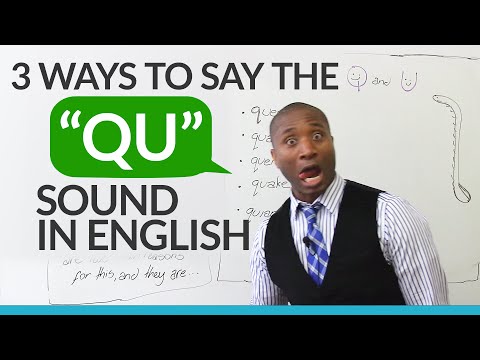
lizi posted on 2015/11/15Ever wondered why 'qu' sounds the way it does in English? This video dives into three different ways to pronounce this tricky sound, giving you practical tips and even a peek into the fascinating history behind English words. You'll boost your pronunciation skills and pick up some cool vocabulary along the way!
Learn this video on the APP!
The VoiceTube App has more in-depth practice for videos!