
ability
US /əˈbɪlɪti/
UK /ə'bɪlətɪ/
- Noun (Countable/Uncountable)
- The power, resources or skill to do something
- A particular skill or talent.
A2TOEICMoreaffect
US /əˈfɛkt/
UK /ə'fekt/
- Transitive Verb
- To cause a change in something else
- To pretend to have or feel (something).
- Noun
- (Psychology) Emotion or feeling.
A2TOEICMorealert
US /əˈlɚt/
UK /ə'lɜ:t/
- Adjective
- Being aware and able to respond quickly
- Transitive Verb
- To warn someone so they can respond to it
B1TOEICMorearousal
US /ə'raʊzl/
UK /ə'raʊzl/
- Noun
- Being woken up from sleep; sexual excitement
B2Moreattention
US /əˈtɛnʃən/
UK /əˈtenʃn/
- Noun (Countable/Uncountable)
- Taking notice of someone or something
- Noun
- (Soldiers) Standing with straight backs
A2TOEICMoreattentive
US /əˈtɛntɪv/
UK /əˈtentɪv/
- Adjective
- Thoughtful and considerate
- Paying attention to; concentrating on
B2TOEICMoreattentive to
US
UK
- Adjective
- Paying close attention to someone or something.
- Considerate and helpful; making sure that people have what they need.
A1Moreavailable from
US
UK
- Phrase
- Obtainable or accessible from a particular source or location.
- Accessible or ready for use starting at a specific time.
A1Morechronic
US /ˈkrɑnɪk/
UK /'krɒnɪk/
- Adjective
- Always or often doing something, e.g. lying
- (Of disease) over a long time; serious
B1Moreconstantly
US /ˈkɑnstəntlɪ/
UK /ˈkɒnstəntli/
- Adverb
- Frequently, or without pause
- In a way that is unchanging or faithful
B1Morecrisis
US /ˈkraɪsɪs/
UK /'kraɪsɪs/
- Noun (Countable/Uncountable)
- Unstable situation of extreme danger or difficulty
- A turning point in a disease.
B1Moreculprit
US /ˈkʌlprɪt/
UK /ˈkʌlprɪt/
- Countable Noun
- Person who has done something wrong or illegal
- Noun
- a cause or reason for the problem
B2Moredecade
US /ˈdɛkˌed, dɛˈked/
UK /ˈdekeɪd/
- Countable Noun
- Period of 10 years
B1TOEICMoredecline
US /dɪˈklaɪn/
UK /dɪ'klaɪn/
- Intransitive Verb
- To bend towards the ground
- To slope downward.
- Verb (Transitive/Intransitive)
- To lessen in quality or value
A2TOEICMorededicated
US /ˈdɛdɪˌketɪd/
UK /'dedɪkeɪtɪd/
- Transitive Verb
- To state a person's name in book, song, in respect
- To give your energy, time, etc. completely
- Adjective
- Devoted to a task or purpose; having single-minded loyalty or integrity.
- Designed for or devoted to a specific purpose or task.
B1Moredepress
US /dɪˈprɛs/
UK /dɪ'pres/
- Transitive Verb
- To make someone feel sad or miserable
- To push something down
B2Moredepression
US /dɪˈprɛʃən/
UK /dɪ'preʃn/
- Noun (Countable/Uncountable)
- Medical condition of a lack of vitality
- Period of unemployment and low economic activity
B2Moredespair
US /dɪˈspɛr/
UK /dɪ'speə(r)/
- Intransitive Verb
- To have lost all hope; lose heart
- Uncountable Noun
- Felling of having lost all hope
B1TOEICMoreencode
US /ɛnˈkod/
UK /ɪn'kəʊd/
- Transitive Verb
- To change a message or information into code
B2Moreengage
US /ɪn'gedʒ/
UK /ɪn'ɡeɪdʒ/
- Transitive Verb
- To start to fight with an enemy
- To hire someone for a task or job
A2TOEICMoreevolve
US /ɪˈvɑlv/
UK /ɪ'vɒlv/
- Verb (Transitive/Intransitive)
- To develop certain features
- To develop or change slowly over time
B1Morefactor
US /ˈfæktɚ/
UK /'fæktə(r)/
- Noun
- Something that influences a result
- Transitive Verb
- To consider or include in an estimate or judgment
- To find the two numbers a number can be divided by
A2TOEICMorefunction
US /ˈfʌŋkʃən/
UK /'fʌŋkʃn/
- Noun
- Social event, or party such as a wedding
- Mathematical operation used in calculations
- Intransitive Verb
- To serve a certain purpose or role
- To be operating, working or achieving its purpose
A2TOEICMoreget lost
US /ɡɛt lɔst/
UK /ɡet lɔ:st/
- Intransitive Verb
- An impolite way of telling someone to go away.
- To become unable to find your way; to lose your sense of direction.
- Interjection
- An impolite way of telling someone to go away.
A1Morehave to
US /hæv tu/
UK /ˈhæv tə/
- Auxiliary Verb
- Must do
A1Morehyper
US /'haɪpər/
UK /ˈhaɪpə(r)/
- Adjective
- Very excited or active
C1Morein the first place
US
UK
- Phrase
- To begin with; as the first point or consideration.
- From the beginning; initially.
A1Morein the past
US
UK
- Phrase
- During a former period of time; previously.
A1Moreintact
US /ɪn'tækt/
UK /ɪn'tækt/
- Adjective
- Being complete, without damaged or missing parts
B1Moreinteraction
US /ˌɪntɚˈækʃən/
UK /ˌɪntər'ækʃn/
- Noun (Countable/Uncountable)
- Process of people or things affecting each other
- The activity of talking to other people, working together etc
A2Moreinterfere
US /ˌɪntɚˈfɪr/
UK /ˌɪntə'fɪə(r)/
- Intransitive Verb
- To get involved in something not your business
- Transitive Verb
- To prevent a process or activity from continuing or being carried out properly.
B1TOEICMoreisolation
US /ˌaɪsəˈleʃən/
UK /ˌaɪsəˈleɪʃn/
- Uncountable Noun
- Condition of being in a distinct, separate place
- Process of separating things from other things
B1Morelook at
US /lʊk æt/
UK /luk æt/
- Phrasal Verb
- To use your eyes to focus on something
- To focus your eyes on something carefully
A1Moremechanism
US /ˈmɛkəˌnɪzəm/
UK /'mekənɪzəm/
- Noun (Countable/Uncountable)
- Part of a machine that performs a certain function
- System or process for achieving a certain result
B1Moremental
US /ˈmɛntl/
UK /ˈmentl/
- Adjective
- Concerning the mind
A2TOEICMoremobilize
US /ˈmobəˌlaɪz/
UK /'məʊbəlaɪz/
- Verb (Transitive/Intransitive)
- To come together for an action or purpose
B2TOEICMoreoverload
US /ˌovɚˈlod/
UK /ˌəʊvə'ləʊd/
- Transitive Verb
- To make a machine work too hard so it might break
- To cause someone or something to work too hard
- Noun (Countable/Uncountable)
- Too much of something
B2Morephone number
US
UK
- Countable Noun
- A sequence of digits assigned to a telephone subscriber, used to make a call to that phone.
A1Morephysically
US /ˈfɪzɪkəlɪ/
UK /'fɪzɪklɪ/
- Adverb
- In a manner related to the body
- Concerning reality or the laws of nature
A2Morepreserve
US /prɪˈzɜ:rv/
UK /prɪˈzɜ:v/
- Transitive Verb
- To cook food so it can be kept for long periods
- To protect something from harm, loss or damage
- Noun (Countable/Uncountable)
- Sweet fruit spread; jam
- Protected area of land with plants and animals
B1TOEICMoreremain
US /rɪˈmen/
UK /rɪˈmeɪn/
- Intransitive Verb
- To be left behind; to continue to exist
- To stay in a place when other people have gone
A2TOEICMoreremarkable
US /rɪˈmɑrkəbəl/
UK /rɪˈmɑ:kəbl/
- Adjective
- Interesting and unexpected, worthy of notice
- Worthy of attention; striking.
A2TOEICMorerepeatedly
US /rɪ'pi:tɪdlɪ/
UK /rɪ'pi:tɪdlɪ/
- Adverb
- (Said, done) many times; over and over
B2Moreretain
US /rɪˈten/
UK /rɪ'teɪn/
- Transitive Verb
- To continue to have or use; keep the quality of
- To keep one thing inside another for a time
A2Moreretrieve
US /rɪˈtriv/
UK /rɪˈtri:v/
- Transitive Verb
- To find and bring in animals during a hunt
- To get information from a computer
B2TOEICMoreserotonin
US /ˌserəˈtoʊnɪn/
UK /ˌserəˈtəʊnɪn/
- Uncountable Noun
- A neurotransmitter in the brain that helps regulate mood, sleep, appetite, and emotional well-being; often referred to as the "feel-good" hormone.
C2Morestress
US / strɛs/
UK /stres/
- Transitive Verb
- To emphasize one or more parts of a word, sentence
- To put pressure on something or someone
- Noun (Countable/Uncountable)
- Emphasis on part of a word or sentence
- Pressure on something or someone
A2TOEICMoresuch as
US /sʌtʃ æz/
UK /sʌtʃ æz/
- Preposition
- For example; like
A1Moresuspect
US /səˈspɛkt/
UK /sə'spekt/
- Noun
- Person thought to have committed a crime
- Transitive Verb
- To consider someone is the one guilty of a crime
- To doubt or lack trust
A2TOEICMoresymptom
US /ˈsɪmtəm, ˈsɪmp-/
UK /'sɪmptəm/
- Noun
- Sign that suggests that there is a problem
B1Morethink back
US /θɪŋk bæk/
UK /θiŋk bæk/
- Phrasal Verb
- To recapture the past
A1Morevital
US /'vaɪtl/
UK /'vaɪtl/
- Adjective
- Needed to support life; essential
- Full of life; energetic
B1TOEICMorevivid
US /ˈvɪvɪd/
UK /ˈvɪvɪd/
- Adjective
- Having very clear details and seeming to be real
B2TOEICMoreworkout
US /ˈwə:kˌaʊt/
UK /ˈwɜ:kaʊt/
- Noun
- Energetic exercise
B2More
Vocabulary
- think back: To recapture the past
- look at: To use your eyes to focus on something
- in the first place: To begin with; as the first point or consideration.
- phone number: A sequence of digits assigned to a telephone subscriber, used to make a call to that phone.
- available from: Obtainable or accessible from a particular source or location.
- such as: For example; like
- get lost: An impolite way of telling someone to go away.
- attentive to: Paying close attention to someone or something.
- in the past: During a former period of time; previously.
- have to: Must do
- constantly: Frequently, or without pause
- chronic: Always or often doing something, e.g. lying
- mental: Concerning the mind
- depression: Medical condition of a lack of vitality
- dedicated: To state a person's name in book, song, in respect
- vital: Needed to support life; essential
- engage: To start to fight with an enemy
- term: Conditions applying to an agreement, contract
- crisis: Unstable situation of extreme danger or difficulty
- experience: Thing a person has done or that happened to them
- evolve: To develop certain features
- interfere: To get involved in something not your business
- culprit: Person who has done something wrong or illegal
- decline: To bend towards the ground
- stress: To emphasize one or more parts of a word, sentence
- symptom: Sign that suggests that there is a problem
- ability: The power, resources or skill to do something
- increase: To make or become larger in size or amount
- decade: Period of 10 years
- despair: To have lost all hope; lose heart
- arousal: Being woken up from sleep; sexual excitement
- alert: Being aware and able to respond quickly
- affect: To cause a change in something else
- function: Social event, or party such as a wedding
- interaction: Process of people or things affecting each other
- mechanism: Part of a machine that performs a certain function
- brain: To strike someone forcefully on the head
- suspect: Person thought to have committed a crime
- vivid: Having very clear details and seeming to be real
- remain: To be left behind; to continue to exist
- physically: In a manner related to the body
- intact: Being complete, without damaged or missing parts
- preserve: To cook food so it can be kept for long periods
- hippocampus: A part of the brain that is part of the limbic system and is important for memory
- attention: Taking notice of someone or something
- remarkable: Interesting and unexpected, worthy of notice
- form: Sports team or person's current winning record
- factor: Something that influences a result
- serotonin: A neurotransmitter in the brain that helps regulate mood, sleep, appetite, and emotional well-being; often referred to as the "feel-good" hormone.
- retain: To continue to have or use; keep the quality of
- retrieve: To find and bring in animals during a hunt
- isolation: Condition of being in a distinct, separate place
- social: Involving activity with people, e.g. in free time
- neurotransmitter: Chemical released by nerves that boost signals within the body
- workout: Energetic exercise
- learn: To get knowledge or skills by study or experience
- information: Collection of facts and details about something
- hyper: Very excited or active
- attentive: Thoughtful and considerate
- remember: To give someone a gift, e.g. birthday, wedding
- encode: To change a message or information into code
- finally: used especially at the beginning of a sentence to introduce the last point or idea
- repeatedly: (Said, done) many times; over and over
- mobilize: To come together for an action or purpose
- lose: To be unable to keep in check or control something
- people: Persons sharing culture, country, background, etc.
- long: Person's name
- depress: To make someone feel sad or miserable
- overload: To make a machine work too hard so it might break
Get the full experience in the app
Learn anywhere with detailed sentence and usage analysis
01:03
She took a brave step forward, leaving behind her comfort zone to chase her dreams.
Vocabulary
- brave
adj. Having courage
- comfort zone
phr. A familiar situation where one feels safe
Explanation
a brave step is a noun phrase, where brave is an adjective modifying the noun step, meaning "a courageous step".
forward is an adverb modifying step, meaning "ahead".
The whole phrase serves as the object, answering the "what" of took (verb) — she took a brave step forward.
Get the full experience in the app
Look up words anytime with pronunciation, part of speech, and usage
brave
US/brev/
UK/breɪv/
adj.Brave
v.t.To bravely face
A2 Elementary
Get the full experience in the app
Practice speaking anytime and get instant pronunciation feedback
Try this speaking exercise.
Try practicing with this sentence.
80
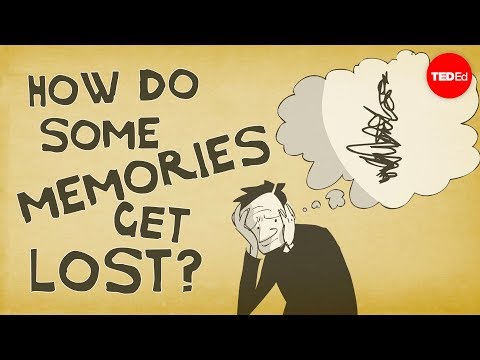
【TED-Ed】How memories form and how we lose them - Catharine Young
0
SylviaQQ posted on 2021/08/03Ever wonder how your brain holds onto memories, or why they sometimes just vanish? This fascinating TED-Ed video dives into the science of memory formation and loss, explaining everything from the hippocampus to the effects of stress. You'll pick up some advanced vocabulary and learn practical insights into keeping your mind sharp!
Learn this video on the APP!
The VoiceTube App has more in-depth practice for videos!