
all at once
US
UK
- Adverb
- Suddenly; at the same time
- At the same time; simultaneously
- Phrase
- Suddenly; at the same time
A1Moreanimation
US /ˌænəˈmeʃən/
UK /ˌænɪˈmeɪʃn/
- Uncountable Noun
- The process of creating moving images using drawings, computer graphics, or other techniques.
- Liveliness or energy in behavior or expression.
B2Moreapart from
US /əˈpɑrt frʌm/
UK /əˈpɑ:t frɔm/
- Preposition
- Except for; not considering
- In addition to; as well as
appear at
US
UK
- Phrasal Verb
- To be present in a specific place or event.
B1Moreat a time
US /æt e taɪm/
UK /æt ə taim/
- Phrase
- Separately; one by one
- Simultaneously; together
A1Moreat least
US /æt list/
UK /æt li:st/
- Adverb
- As a minimum
- Not less than
- Phrase
- No less than; at the minimum
- Used to indicate that something is positive in a bad situation.
C2Moreat once
US /æt wʌns/
UK /æt wʌns/
- Adverb
- Immediately; without delay
- At the same time; simultaneously
A2Moreat some point
US /æt sʌm pɔɪnt/
UK /æt sʌm pɔint/
- Phrase
- At an unspecified time, usually in the future.
A1Moreat the same time
US
UK
- Phrase
- Simultaneously; at the identical moment.
- Nevertheless; however; used to introduce a contrasting or qualifying statement.
A1Moreaudience
US /ˈɔdiəns/
UK /ˈɔ:diəns/
- Noun (Countable/Uncountable)
- Group of people attending a play, movie etc.
A2TOEICMoreavoid
US /əˈvɔɪd/
UK /ə'vɔɪd/
- Transitive Verb
- To prevent from happening
- To stay away from
A2TOEICMoreback out
US /bæk aʊt/
UK /bæk aut/
- Phrasal Verb
- To say you will now not do something you promised
A1Moreback up
US /bæk ʌp/
UK /bæk ʌp/
- Phrasal Verb
- To save a copy of your computer data
- To confirm the truth of what someone says
A1Morebackground
US /ˈbækˌɡraʊnd/
UK /ˈbækgraʊnd/
- Noun (Countable/Uncountable)
- Images, color, or information behind the main one
- Someone's personal work and educational history
- Adjective
- Done or existing in a less noticeable or important way
- Hidden or not easily seen
A2TOEICMorebackground information
US
UK
- Uncountable Noun
- Information that provides context or history relevant to a current situation or topic.
- Phrase
- Detailed information that helps to understand a subject or problem.
B1Morebook on
US
UK
- Noun
- A book about a particular subject.
- Verb (Transitive/Intransitive)
- To place a bet on something.
A1Morebottom
US /ˈbɑtəm/
UK /'bɒtəm/
- Noun
- The part of your body you sit on
- Lowest position, often in a company or contest
- Verb (Transitive/Intransitive)
- To hit the lowest part of something
- To provide with a bottom.
A2TOEICMorebreak it down
US
UK
- Phrasal Verb
- To simplify something complex into smaller, more manageable parts.
- To explain something in a detailed and understandable way.
A2Morebuild in
US
UK
- Phrasal Verb
- To include something as part of a plan, system, or design.
- To create something as a permanent or inherent feature.
A1Morebuild up
US /bɪld ʌp/
UK /bild ʌp/
- Phrasal Verb
- To increase the amount; collect something
- To develop or increase something in stages
- Verb (Transitive/Intransitive)
- To increase or develop something gradually.
- To praise or encourage someone.
A1Morecatch up
US /kætʃ ʌp/
UK /kætʃ ʌp/
- Phrasal Verb
- To become equal with another person
- To inform others of the latest news
- Verb (Transitive/Intransitive)
- To do something that you have not been able to do recently.
- To meet someone you know in order to talk to them and find out what they have been doing.
A1Morechip in
US /tʃɪp ɪn/
UK /tʃip in/
- Phrasal Verb
- To contribute (donate money) to a cause
B1Morecome full circle
US /kʌm fʊl ˈsɚkəl/
UK /kʌm ful ˈsə:kl/
- Intransitive Verb
- To return to the original state or situation.
A2Morecome up
US /kʌm ʌp/
UK /kʌm ʌp/
- Phrasal Verb
- To come closer to someone; approach
- (Of sun) to rise into the sky in the morning
A1Moreconclude
US /kənˈklud/
UK /kənˈklu:d/
- Verb (Transitive/Intransitive)
- To finish or cause to finish; end
- To arrive at a judgment or opinion
A2Moreconclusion
US /kənˈkluʒən/
UK /kənˈklu:ʒn/
- Noun
- End of something; finish
- Judgment or opinion after thinking for a while
A2Morecontent
US /ˈkɑnˌtɛnt/
UK /'kɒntent/
- Adjective
- Being happy or satisfied
- In a state of peaceful happiness.
- Noun (Countable/Uncountable)
- Information in something, e.g. book or computer
- The subject matter of a book, speech, etc.
A2Morecontrast
US /ˈkɑ:ntræst/
UK /'kɒntrɑ:st/
- Verb (Transitive/Intransitive)
- To compare; to show clear, obvious differences
- Noun (Countable/Uncountable)
- Comparison that shows obvious differences
- Difference in light and dark in photos, etc.
A2Morecontrasted with
US
UK
- Phrasal Verb
- To be strikingly different from something else.
A1Morecut off
US /kʌt ɔf/
UK /kʌt ɔf/
- Phrasal Verb
- To end a process, e.g. a phone call
- To cut the end of something
- Transitive Verb
- To isolate or prevent access to a place or person.
- To interrupt someone while they are speaking.
A1Moredepending on
US
UK
- Phrasal Verb
- To rely on for support (financial or emotional)
- Influenced or determined by.
- Preposition
- Subject to; contingent on
- Relying on someone or something for support or assistance.
A2Moredown with
US /daʊn wɪð/
UK /daun wið/
- Adjective
- Suffering from an illness.
- Agreeable to; in favor of.
- Interjection
- An expression of opposition to something.
A1Moreeffectively
US /ɪˈfɛktɪvli/
UK /ɪˈfektɪvli/
- Adverb
- In a way that produces the desired result
B1Moreenable
US /ɛˈnebəl/
UK /ɪˈneɪbl/
- Transitive Verb
- To make it possible to do something
A2Moreend in
US /ɛnd ɪn/
UK /end in/
- Phrasal Verb
- To have something as the final result.
essential
US /ɪˈsɛnʃəl/
UK /ɪ'senʃl/
- Adjective
- Extremely or most important and necessary
- Fundamental; basic.
- Noun
- A concentrated hydrophobic liquid containing volatile aroma compounds from plants.
B1TOEICMorefate
US /fet/
UK /feɪt/
- Noun (Countable/Uncountable)
- What will happen to you in the future, often bad
- Power that determines what happens; destiny
B1Morefeedback
US /ˈfidˌbæk/
UK /ˈfi:dbæk/
- Noun (Countable/Uncountable)
- A response or opinion, about a service, etc.
- Information about reactions to a product, a person's performance of a task, etc. which is used as a basis for improvement.
- Verb (Transitive/Intransitive)
- To give information or opinions about something to someone, especially in order to improve it.
B1TOEICMorefocus
US /ˈfokəs/
UK /'fəʊkəs/
- Verb (Transitive/Intransitive)
- To see clearly by adjusting your eyes or a camera
- To keep your attention, concentration on one thing
- Noun (Countable/Uncountable)
- Main purpose or center of interest or activity
- The clarity of an image produced by a lens.
A2TOEICMorefont
US /fɑnt/
UK /fɔnt/
- Noun
- Size or style of type
B2Morefor example
US
UK
- Phrase
- As an illustration or instance.
forget about
US /fɚˈɡɛt əˈbaʊt/
UK /fəˈɡet əˈbaut/
- Phrasal Verb
- To stop thinking about something; to ignore something.
A1Moreformat
US /ˈfɔ:rmæt/
UK /ˈfɔ:mæt/
- Noun
- Form, design, or arrangement of something
- Transitive Verb
- To set the appearance of a text in a certain way
- To set a computer back to its original state
B1TOEICMorefrom the first
US /frəm ðə ˈfɝst/
UK /frəm ðə ˈfɜ:st/
- other
- From the very beginning.
B2Morego on
US /ɡo ɑn/
UK /ɡəu ɔn/
- Phrasal Verb
- To continue doing something
- To happen (usually negative)
- Interjection
- Used to encourage someone
A1Moregoing on
US /ˈɡoɪŋ ɑn/
UK /ˈgəʊɪŋ ɔn/
- Phrasal Verb
- To continue doing something
- To happen (usually negative)
A1Morehalfway through
US
UK
- Adverb
- At or in the middle of a period of time or an activity.
- Phrase
- Having completed approximately half of something.
A2Morehave to
US /hæv tu/
UK /ˈhæv tə/
- Auxiliary Verb
- Must do
A1Moreimage
US /ˈɪmɪdʒ/
UK /'ɪmɪdʒ/
- Noun (Countable/Uncountable)
- Picture, sculpture or painting of something
- General idea or opinion of something
- Transitive Verb
- To obtain pictures by scanning them with a machine
- To create a visual representation of something.
A2TOEICMorein conclusion
US
UK
- Phrase
- Used to indicate a summary or final point.
A1Morein fact
US /ɪn fækt/
UK /in fækt/
- Adverb
- Used to emphasize the truth of a statement, especially one that contrasts with or contradicts something else.
- Used to introduce a more detailed or surprising piece of information.
- Phrase
- Used to emphasize the truth of a statement, especially one that is surprising or contrary to what might be expected.
C1Morein on
US
UK
- Phrase
- To be involved in a secret or plan.
- To be aware of something that is secret or not generally known.
A1Morein order to
US /ɪn ˈɔrdɚ tu/
UK /in ˈɔ:də tu:/
- Preposition
- For the purpose of; with the aim of.
- Phrase
- In a specific sequence or arrangement.
- With the aim of; for the purpose of.
C1Morein other words
US
UK
- Phrase
- Stating something in a different way, often to make it clearer or more understandable.
in part
US /ɪn pɑrt/
UK /in pɑ:t/
- Adverb
- To some extent; partially.
A1Morein service
US /ɪn 'sɝvɪs/
UK /in ˈsɜːvɪs/
- Adjective
- Available for use; operational
B1Morein terms of
US
UK
- Phrase
- With regard to; concerning a particular aspect.
A1Morein the absence of
US /ɪn ði ˈæbsəns əv/
UK /ɪn ði ˈæbsəns əv/
- other
- When someone or something is not present or available.
B1Morein the future
US /ɪn ði ˈfjutʃɚ/
UK /in ðə ˈfju:tʃə/
- Phrase
- At a later time; in times to come.
A1Moreinstead of
US /ɪnˈstɛd ʌv/
UK /inˈsted ɔv/
- Preposition
- When one thing is replaced by another
- Adverb
- As a substitute or alternative.
A1Moreintroduction
US /ˌɪntrəˈdʌkʃən/
UK /ˌɪntrəˈdʌkʃn/
- Noun (Countable/Uncountable)
- A first experience with something
- Opening part of a text or piece of music
A2TOEICMorejournal
US /ˈdʒɚnəl/
UK /ˈdʒə:nl/
- Noun (Countable/Uncountable)
- A diary; record of what you do every day
- Magazine of academic papers
B1TOEICMorekeynote
US /ˈki:noʊt/
UK /ˈki:nəʊt/
- Noun
- Fundamental/central idea, point of a speech, etc.
- Adjective
- Main; central; basic; most important
C2Morelay out
US /le aʊt/
UK /lei aut/
- Phrasal Verb
- To show or explain your plans carefully
- To spread something out; arrange something in a particular way.
- Verb (Transitive/Intransitive)
- To arrange according to a plan or design.
- To spread out for viewing; display.
A2Moreleave it out
US /liv ɪt aʊt/
UK /li:v ɪt aʊt/
- other
- To stop doing or saying something irritating or unpleasant.
B1Morelike mad
US /laɪk mæd/
UK /laɪk mæd/
- other
- With great intensity or energy.
B1Morelook at
US /lʊk æt/
UK /luk æt/
- Phrasal Verb
- To use your eyes to focus on something
- To focus your eyes on something carefully
A1Moreminimum
US /ˈmɪnəməm/
UK /ˈmɪnɪməm/
- Noun (Countable/Uncountable)
- Smallest degree or level that is acceptable
- The lowest recorded or expected temperature.
- Adjective
- Smallest or lowest; the least possible.
- Using or requiring the least possible resources.
B1TOEICMoreof course
US /ʌv kɔː(r)s/
UK /ɔv kɔː(r)s/
- Adverb
- Sure ; Certainly
- Phrase
- For sure; certainly
A2Moreon the slide
US
UK
- Phrase
- In a state of decline or deterioration.
- Losing control or influence; declining in status.
- Adjective
- (Informal) Dishonest or untrustworthy; engaging in shady practices.
A1Moreon time
US /ɑn taɪm/
UK /ɔn taim/
- Phrase
- Adjective
- Arriving at or done by the required time
- Meeting a deadline; punctual in fulfilling obligations.
A1Moreon to
US /ɑn tu/
UK /ɔn tu:/
- Preposition
- Toward something; forward
- Aware of someone's activities.
- Adjective
- Aware of someone's deception or illegal activities.
A1Moreother than
US
UK
- Preposition
- Except for; apart from.
- Conjunction
- Different from.
A1Moreover time
US /ˈovɚ taɪm/
UK /ˈəuvə taim/
- Phrase
- Gradually; as time passes.
- During a long period.
- Adverb
- Gradually; as time passes.
B1Moreoverwhelmed
US /ˌoʊ.vɚˈwɛlmd/
UK /ˌəʊ.vəˈwɛlmd/
- Transitive Verb
- To defeat something or someone completely
- To affect someone emotionally in a strong way
- Adjective
- Feeling like you have so much to do that you can't even get started.
- Feeling like you are unable to cope with something
B2Morepanel
US /ˈpænəl/
UK /'pænl/
- Noun (Countable/Uncountable)
- Group who answer questions or give opinions
- Flat surface with controls and switches
- Transitive Verb
- To cover a wall with thin pieces of wood
A2TOEICMoreperk
US /pɜ:rk/
UK /pɜ:k/
- Noun
- An advantage or something extra, such as money or goods, that you are given because of your job
- Intransitive Verb
- To suddenly get more energy
B2Moreperk up
US /pək ʌp/
UK /pɜ:k ʌp/
- Phrasal Verb
- To become or cause to become happier, more lively, or more cheerful.
- To improve or cause to improve.
A1Morepoint out
US /pɔɪnt aʊt/
UK /pɔint aut/
- Phrasal Verb
- To make others aware of an idea
- To draw attention to something or someone
A1Moreprotein
US /ˈprəʊˌtiːn/
UK /ˈprəʊti:n/
- Noun (Countable/Uncountable)
- Group of molecules made from amino acids
B1Morerather than
US
UK
- Adverb
- More exactly; more correctly
- Preferably; instead
- Preposition
- Instead of
A1Morerecommend
US /ˌrɛkəˈmɛnd/
UK /ˌrekə'mend/
- Transitive Verb
- To advise or suggest that someone do something
- To endorse or support something publicly.
A2TOEICMoreregardless of
US /rɪˈɡɑrdlɪs ʌv/
UK /riˈɡɑ:dlis ɔv/
- Phrase
- Preposition
- Without being affected or influenced by something; despite.
A2Morerule
US /ruːl/
UK /ruːl/
- Noun (Countable/Uncountable)
- Something that is normal and usually happens
- Governmental control or power over a region
- Verb (Transitive/Intransitive)
- To decide legally, especially in court
- To have control or influence
A2TOEICMoresame time
US
UK
- Phrase
- Occurring simultaneously or at the same point in time.
- At the identical time as before; recurring at a fixed hour.
- Noun
- An equal duration or period.
A1Morescience
US /ˈsaɪəns/
UK /'saɪəns/
- Uncountable Noun
- Study of the physical world, based on facts
A2TOEICMorescientific
US /ˌsaɪənˈtɪfɪk/
UK /ˌsaɪənˈtɪfɪk/
- Adjective
- Concerning academic study of the physical world
- Systematic and precise, following a methodology.
- Noun
- Relating to or used in science.
A2Moreseminar
US /ˈsɛməˌnɑr/
UK /ˈsemɪnɑ:(r)/
- Noun
- A small class at a college or university
B1TOEICMoreset up
US /sɛt ʌp/
UK /set ʌp/
- Phrasal Verb
- To make arrangements for something; establish
- Verb (Transitive/Intransitive)
- To arrange or prepare something for use.
- To start a business, organization, etc.
A1Moreshow in
US /ʃo ɪn/
UK /ʃəu ɪn/
- other
- To lead someone into a room or building.
A2Moresignal
US /ˈsɪɡnəl/
UK /'sɪɡnəl/
- Verb (Transitive/Intransitive)
- To be evidence/an indication something will happen
- To make a noise or motion to tell someone to start
- Noun (Countable/Uncountable)
- Evidence or an indication something will happen
- Movement of a hand or other means to send messages
A2Moreslide
US /slaɪd/
UK /slaɪd/
- Noun
- Part of machines that slides backward and forward
- Reduction in amount, price, quality
- Verb (Transitive/Intransitive)
- To pass or move smoothly and rapidly into or out
- To move smoothly and rapidly over a surface
A2Morespace out
US /spes aʊt/
UK /speis aut/
- Phrasal Verb
- To become distracted or inattentive; to lose focus.
- To arrange things with spaces between them.
A2Morestart in
US /stɑrt ɪn/
UK /stɑ:t in/
- Phrasal Verb
- To begin a job or activity.
A1Morestart out
US /stɑrt aʊt/
UK /stɑ:t aut/
- Phrasal Verb
- To begin your life or career in a particular way.
- To begin a journey.
A1Morestatement
US / ˈstetmənt/
UK /ˈsteɪtmənt/
- Noun (Countable/Uncountable)
- Record of activity in a bank account over time
- Act or process of saying something formally
A2TOEICMorestructure
US /ˈstrʌk.tʃɚ/
UK /ˈstrʌk.tʃə/
- Noun (Countable/Uncountable)
- The way in which the parts of a system or object are arranged or organized, or a system arranged in this way
- A building or other man-made object.
- Transitive Verb
- To plan, organize, or arrange the parts of something
A2TOEICMorestuff
US /stʌf/
UK /stʌf/
- Uncountable Noun
- Generic description for things, materials, objects
- Transitive Verb
- To push material inside something, with force
B1Moretake in
US
UK
- Phrasal Verb
- To allow to enter; receive as a guest
- To include or add
- Transitive Verb
- To absorb (liquid).
- To understand or comprehend something.
A1Moretake no prisoners
US
UK
- Idiom
- To act or proceed without mercy or compromise; to be ruthless.
- To be extremely aggressive and determined to win, regardless of the consequences.
A1Moretake out
US /tek aʊt/
UK /teik aut/
- Phrasal Verb
- To apply for and get a license
- To take someone on a date
- Uncountable Noun
- Food purchased at a restaurant to eat elsewhere.
A1Moretalk about it
US /tɔk əˈbaʊt ɪt/
UK /tɔ:k əˈbaut it/
- Verb (Transitive/Intransitive)
- To discuss a particular subject.
A1Moretalking about
US
UK
- Phrasal Verb
- To discuss a particular topic.
- To be constantly mentioning or bringing up a subject.
A1Morethe bottom line
US /ði ˈbɑtəm laɪn/
UK /ðə ˈbɔtəm lain/
- Noun
- The most important thing; the essential point.
- The net income or profit of a company.
A2Morethe following
US
UK
- Adjective
- Next in order or sequence.
- Uncountable Noun
- What is about to be said or written.
B1Morethink about
US /θɪŋk əˈbaʊt/
UK /θiŋk əˈbaut/
- Phrasal Verb
- To consider something carefully.
- To remember or call to mind.
A1Morethink of
US /θɪŋk ʌv/
UK /θiŋk ɔv/
- Phrasal Verb
- To look on as (being something specific); consider
- To consider or remember something.
- Verb (Transitive/Intransitive)
- To imagine or call something to mind
A1Moreto do with
US
UK
- Phrasal Verb
- To be about something; concern
A1Moretransition
US /trænˈzɪʃən, -ˈsɪʃ-/
UK /trænˈzɪʃn/
- Noun
- Change from one state, movement, place to another
- Intransitive Verb
- To change state, movement, place, or subject
B1Moretune out
US /tun aʊt/
UK /tju:n aut/
- Phrasal Verb
- To stop paying attention to something; ignore
A1Moreturn off
US
UK
- Phrasal Verb
- To make someone feel negatively about something
A1Moreunder no circumstance
US
UK
- Phrase
- Never; not at all
A1Moreup there
US /ʌp ðɛr/
UK /ʌp ðɛə/
- Adverb
- In or to a higher place or position; far away.
- In heaven.
A1Moreused to
US /juzd tu/
UK /ˈju:st tə/
- Adjective
- Did regularly before, but don't do now
- Auxiliary Verb
- Have done before, but do not do now
A1Morevisual
US /ˈvɪʒuəl/
UK /'vɪʒʊəl/
- Adjective
- Of or relating to vision
- Noun
- Pictures/images used to help audience understand
- A picture, map, piece of film, or other visual representation.
A2Morevisually
US /ˈvɪʒʊəlɪ/
UK /'vɪʒʊəlɪ/
- Adverb
- With respect to vision
- In a way that involves images or visual representation.
B1Morework in
US /wɚk ɪn/
UK /wə:k in/
- Phrasal Verb
- To make an opening for something in your schedule
- To fit person/thing into a schedule or sequence
A1Morework on
US /wɚk ɑn/
UK /wə:k ɔn/
- Phrasal Verb
- To devote effort to improve or develop something
- To try to persuade or influence someone.
A1Morework over
US /wɝk ˈoʊvɚ/
UK /wɜ:k ˈəuvə/
- other
- To physically attack or beat someone severely.
- To revise, review, or improve something by careful effort.
B2Morewrap up
US /ræp ʌp/
UK /ræp ʌp/
- Phrasal Verb
- To complete something, such as a film or project
- To finish; bring something to a conclusion
- Transitive Verb
- To enclose (something) in paper or soft material.
B1Morewrite down
US /raɪt daʊn/
UK /rait daun/
- Phrasal Verb
- To record in writing
A1Morezone out
US
UK
- Phrasal Verb
- To stop paying attention and start daydreaming or thinking about other things.
B1Morezoom
US /zum/
UK /zu:m/
- Noun
- Camera lens used to magnify images
- Intransitive Verb
- To move along or go somewhere very quickly
B1Morezoom in on
US
UK
- Phrasal Verb
- To adjust a camera or lens to make a subject appear closer.
- To focus attention on something specific.
A1More
Vocabulary
- think about: To consider something carefully.
- look at: To use your eyes to focus on something
- for example: As an illustration or instance.
- in fact: Used to emphasize the truth of a statement, especially one that contrasts with or contradicts something else.
- rather than: More exactly; more correctly
- have to: Must do
- in order to: For the purpose of; with the aim of.
- in terms of
- the bottom line: The most important thing; the essential point.
- come up: To come closer to someone; approach
- take in: To allow to enter; receive as a guest
- over time: Gradually; as time passes.
- perk up: To become or cause to become happier, more lively, or more cheerful.
- going on: To continue doing something
- in other words: Stating something in a different way, often to make it clearer or more understandable.
- on the slide: In a state of decline or deterioration.
- at the same time: Simultaneously; at the identical moment.
- same time: Occurring simultaneously or at the same point in time.
- show in: To lead someone into a room or building.
- used to: Did regularly before, but don't do now
- in service: Available for use; operational
- take out: To apply for and get a license
- back out: To say you will now not do something you promised
- background information: Information that provides context or history relevant to a current situation or topic.
- build up: To increase the amount; collect something
- work on: To devote effort to improve or develop something
- to do with: To be about something; concern
- at some point: At an unspecified time, usually in the future.
- catch up: To become equal with another person
- in conclusion: Used to indicate a summary or final point.
- at least: As a minimum
- down with: Suffering from an illness.
- contrasted with: To be strikingly different from something else.
- up there: In or to a higher place or position; far away.
- work in: To make an opening for something in your schedule
- other than: Except for; apart from.
- regardless of
- instead of: When one thing is replaced by another
- lay out: To show or explain your plans carefully
- like mad: With great intensity or energy.
- at a time: Separately; one by one
- talking about: To discuss a particular topic.
- cut off: To end a process, e.g. a phone call
- forget about: To stop thinking about something; to ignore something.
- zoom in on: To adjust a camera or lens to make a subject appear closer.
- in on: To be involved in a secret or plan.
- apart from: Except for; not considering
- break it down: To simplify something complex into smaller, more manageable parts.
- in the absence of: When someone or something is not present or available.
- all at once: Suddenly; at the same time
- at once: Immediately; without delay
- talk about it: To discuss a particular subject.
- leave it out: To stop doing or saying something irritating or unpleasant.
- write down: To record in writing
- start in: To begin a job or activity.
- chip in: To contribute (donate money) to a cause
- depending on: To rely on for support (financial or emotional)
- under no circumstance: Never; not at all
- turn off
- on time
- space out: To become distracted or inattentive; to lose focus.
- take no prisoners: To act or proceed without mercy or compromise; to be ruthless.
- tune out: To stop paying attention to something; ignore
- build in: To include something as part of a plan, system, or design.
- zone out: To stop paying attention and start daydreaming or thinking about other things.
- the following: Next in order or sequence.
- halfway through: At or in the middle of a period of time or an activity.
- point out: To make others aware of an idea
- on to: Toward something; forward
- go on: To continue doing something
- in part: To some extent; partially.
- come full circle: To return to the original state or situation.
- set up
- work over: To physically attack or beat someone severely.
- of course: Sure ; Certainly
- wrap up: To complete something, such as a film or project
- appear at: To be present in a specific place or event.
- end in: To have something as the final result.
- back up: To save a copy of your computer data
- start out: To begin your life or career in a particular way.
- think of: To look on as (being something specific); consider
- from the first: From the very beginning.
- book on: A book about a particular subject.
- in the future: At a later time; in times to come.
- talk: Style of speaking
- present: Being in attendance; being there; having turned up
- show: To be easily seen or displayed
- read: Person's name
- color: To change or affect someone's opinion
- sentence: (Of a judge) to decide the punishment of
- home: House, apartment or building to be rented or sold
- big: Popular
- listening: To use your ears to hear and understand things
- people: Persons sharing culture, country, background, etc.
- bottom: The part of your body you sit on
- part: Division of a book
- minute: Notes taken at a meeting to record what was said
- question: To ask for or try to get information
- good: Proper, appropriate or right
- simple: Not hard to understand or do; not complex
- speaker: Electronic device for making or broadcasting sound
- text: To send a message by phone or other device
- point: An item to be discussed
- member: Part of the body of a human, animal
- add: To include as well
- science: Study of the physical world, based on facts
- explain: To make clear or easy to understand by describing
- brain: To strike someone forcefully on the head
- information: Collection of facts and details about something
- top: To be higher or larger than a specific value
- club: Group of people who share an interest, as in sport
- include: To make someone, something part of a group
- follow: To come after someone; be guided by someone
- lose: To be unable to keep in check or control something
- audience: Group of people attending a play, movie etc.
- background: Images, color, or information behind the main one
- figure: To appear in a game, play or event
- essential: Extremely or most important and necessary
- minimum: Smallest degree or level that is acceptable
- scientific: Concerning academic study of the physical world
- conclusion: End of something; finish
- rule: Something that is normal and usually happens
- content: Being happy or satisfied
- stuff: Generic description for things, materials, objects
- visually: With respect to vision
- recommend: To advise or suggest that someone do something
- visual: Of or relating to vision
- avoid: To prevent from happening
- animation: The process of creating moving images using drawings, computer graphics, or other techniques.
- slide: Part of machines that slides backward and forward
- data: Facts or information used to calculate or analyze
- seminar: A small class at a college or university
- introduction: A first experience with something
- image: Picture, sculpture or painting of something
- contrast: To compare; to show clear, obvious differences
- structure: The way in which the parts of a system or object are arranged or organized, or a system arranged in this way
- statement: Record of activity in a bank account over time
- signal: To be evidence/an indication something will happen
- effective: Working efficiently to produce a desired result
- effectively: In a way that produces the desired result
- enable: To make it possible to do something
- feedback: A response or opinion, about a service, etc.
- focus: To see clearly by adjusting your eyes or a camera
- fate: What will happen to you in the future, often bad
- protein: Group of molecules made from amino acids
- journal: A diary; record of what you do every day
- panel: Group who answer questions or give opinions
- format: Form, design, or arrangement of something
- conclude: To finish or cause to finish; end
- perk: An advantage or something extra, such as money or goods, that you are given because of your job
- overwhelmed: To defeat something or someone completely
- transition: Change from one state, movement, place to another
- font: Size or style of type
- keynote: Fundamental/central idea, point of a speech, etc.
- zoom: Camera lens used to magnify images
Get the full experience in the app
Learn anywhere with detailed sentence and usage analysis
01:03
She took a brave step forward, leaving behind her comfort zone to chase her dreams.
Vocabulary
- brave
adj. Having courage
- comfort zone
phr. A familiar situation where one feels safe
Explanation
a brave step is a noun phrase, where brave is an adjective modifying the noun step, meaning "a courageous step".
forward is an adverb modifying step, meaning "ahead".
The whole phrase serves as the object, answering the "what" of took (verb) — she took a brave step forward.
Get the full experience in the app
Look up words anytime with pronunciation, part of speech, and usage
brave
US/brev/
UK/breɪv/
adj.Brave
v.t.To bravely face
A2 Elementary
Get the full experience in the app
Practice speaking anytime and get instant pronunciation feedback
Try this speaking exercise.
Try practicing with this sentence.
80
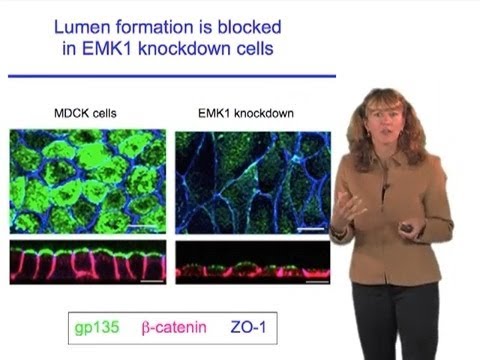
Susan McConnell (Stanford): Designing effective scientific presentations
0
Stone Young posted on 2015/10/27Ever struggled to make your scientific presentations shine? Susan McConnell from Stanford shares her secrets to designing killer slides and structuring your talk for maximum impact, perfect for researchers wanting to level up their communication game! You'll pick up advanced vocabulary and learn practical workplace skills that will make your next presentation unforgettable.
Learn this video on the APP!
The VoiceTube App has more in-depth practice for videos!