
ancient
US /ˈenʃənt/
UK /'eɪnʃənt/
- Adjective
- Very old; having lived a very long time ago
- Relating to a period in history, especially in the distant past.
- Noun
- A person who lived in ancient times.
A2Moreattach
US /əˈtætʃ/
UK /ə'tætʃ/
- Verb (Transitive/Intransitive)
- To be associated or connected with
A2TOEICMorecome from
US /kʌm frʌm/
UK /kʌm frɔm/
- Phrasal Verb
- To have as your native country or city
A1Moredown the road
US
UK
- Phrase
- At a future time; in the future.
- Along the street; a short distance away.
A1Moreend up here
US
UK
- Phrasal Verb
- To arrive somewhere unexpectedly or without intending to.
A1Moreenzyme
US /ˈɛnzaɪm/
UK /ˈenzaɪm/
- Noun
- A protein made by cells
B2TOEICMoreexperiment
US /ɪkˈspɛrəmənt/
UK /ɪk'sperɪmənt/
- Noun (Countable/Uncountable)
- Test performed to assess new ideas or theories
- A course of action tentatively adopted without being sure of the eventual outcome.
- Verb (Transitive/Intransitive)
- To create and perform tests to research something
- To try something new that you haven't tried before
A2TOEICMorefalse
US /fɔ:ls/
UK /fɔ:ls/
- Adjective
- Not real or genuine
- Not true or correct; containing incorrect information.
- Adverb
- In an untrue or inaccurate way.
A2TOEICMorefeel like
US
UK
- Intransitive Verb
- To have a desire or inclination for something.
- To have a particular quality or sensation; resemble.
A1Morefor instance
US /fɔr ˈɪnstəns/
UK /fɔ: ˈinstəns/
- Adverb
- As an example.
- Phrase
- As an example.
- As an illustration or case in point
B1Morefor sure
US /fɔr ʃʊr/
UK /fɔ: ʃuə/
- Adverb
- Definitely; certainly; without a doubt.
- Used to emphasize a statement.
- Interjection
- An expression of strong agreement or affirmation.
A2Morehave to
US /hæv tu/
UK /ˈhæv tə/
- Auxiliary Verb
- Must do
A1Moremethod
US /ˈmɛθəd/
UK /'meθəd/
- Noun (Countable/Uncountable)
- (Organized and planned) way of doing something
- Orderliness of thought, arrangement, or behavior.
A2TOEICMoreon the other hand
US
UK
- Phrase
- Considering a different aspect of the matter; alternatively.
A1Moreover the counter
US /ˈovɚ ði ˈkaʊntɚ/
UK /ˈəuvə ðə ˈkauntə/
- Adverb
- Denoting a security traded directly between two parties, not on an exchange.
- Across a counter in a shop or business.
A1Morepattern
US /ˈpætən/
UK /'pætn/
- Noun (Countable/Uncountable)
- Model to follow in making or doing something
- Colors or shapes which are repeated on objects
- Transitive Verb
- To copy the way something else is made
- To decorate with a pattern.
A2TOEICMorepicks up
US
UK
- Phrasal Verb
- To catch a criminal and take to police station
- To start again where you left off
- Verb (Transitive/Intransitive)
- Learns or acquires something, often quickly or without effort.
- Collects someone or something.
A1Morepregnancy
US /ˈprɛɡnənsi/
UK /ˈpregnənsi/
- Uncountable Noun
- When a woman carries her unborn baby inside her
- A specific instance or period of being pregnant.
B1Morepregnant
US /ˈprɛɡnənt/
UK /ˈpregnənt/
- Adjective
- Carrying your unborn baby inside you
- Full of meaning or significance; suggestive.
B1Moreproperly
US /ˈprɑːpərli/
UK /ˈprɔpəlɪ/
- Adverb
- In an appropriate or correct manner
- In a way that is suitable or appropriate.
A2Moreshow up
US /ʃo ʌp/
UK /ʃəu ʌp/
- Phrasal Verb
- To arrive or be seen at a place, e.g. a party
- To be noticeably better than (someone else)
A1Moresuch as
US /sʌtʃ æz/
UK /sʌtʃ æz/
- Preposition
- For example; like
A1Moreturn on
US /tɚn ɑn/
UK /tə:n ɔn/
- Phrasal Verb
- To cause someone to be interested or excited
- Transitive Verb
- To activate or switch on a device or appliance.
- To suddenly attack or criticize someone.
A1Moreurine
US /ˈjʊrən/
UK /ˈjʊərɪn/
- Uncountable Noun
- Yellow liquid waste from the body
C1Morewave
US /wev/
UK /weɪv/
- Noun (Countable/Uncountable)
- Movement of sound, air or energy
- Deep and strong emotion that is suddenly felt
- Verb (Transitive/Intransitive)
- To cause to move side to side or back and forth
A2Morezone
US /zoʊn/
UK /zəʊn/
- Noun
- Area of space designated for a particular use
- Transitive Verb
- To divide an area for a particular reason
B1More
Vocabulary
- have to: Must do
- over the counter: Denoting a security traded directly between two parties, not on an exchange.
- turn on
- down the road: At a future time; in the future.
- show up: To arrive or be seen at a place, e.g. a party
- picks up: To catch a criminal and take to police station
- end up here: To arrive somewhere unexpectedly or without intending to.
- for instance: As an example.
- come from: To have as your native country or city
- on the other hand : Considering a different aspect of the matter; alternatively.
- such as: For example; like
- for sure: Definitely; certainly; without a doubt.
- feel like: To have a desire or inclination for something.
- pattern: Model to follow in making or doing something
- work: The product of some artistic or literary endeavor
- experiment: Test performed to assess new ideas or theories
- ancient: Very old; having lived a very long time ago
- properly: In an appropriate or correct manner
- method: (Organized and planned) way of doing something
- enzyme: A protein made by cells
- pregnant: Carrying your unborn baby inside you
- attach: To be associated or connected with
- zone: Area of space designated for a particular use
- false: Not real or genuine
- urine: Yellow liquid waste from the body
- wave: Movement of sound, air or energy
- pregnancy: When a woman carries her unborn baby inside her
- test: To be given a medical examination
Get the full experience in the app
Learn anywhere with detailed sentence and usage analysis
01:03
She took a brave step forward, leaving behind her comfort zone to chase her dreams.
Vocabulary
- brave
adj. Having courage
- comfort zone
phr. A familiar situation where one feels safe
Explanation
a brave step is a noun phrase, where brave is an adjective modifying the noun step, meaning "a courageous step".
forward is an adverb modifying step, meaning "ahead".
The whole phrase serves as the object, answering the "what" of took (verb) — she took a brave step forward.
Get the full experience in the app
Look up words anytime with pronunciation, part of speech, and usage
brave
US/brev/
UK/breɪv/
adj.Brave
v.t.To bravely face
A2 Elementary
Get the full experience in the app
Practice speaking anytime and get instant pronunciation feedback
Try this speaking exercise.
Try practicing with this sentence.
80
0
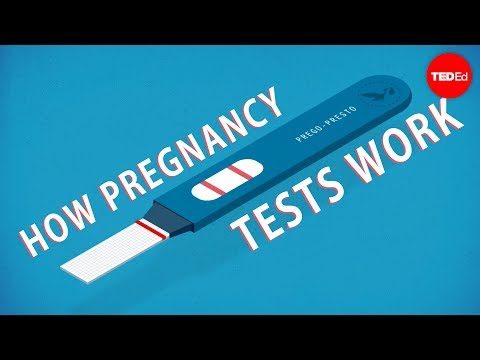
SylviaQQ posted on 2015/10/05Ever wondered how those pregnancy tests actually work? This video dives into the fascinating science behind them, explaining the role of hCG and the clever 'sandwich assay' method. You'll pick up some advanced vocabulary and practical knowledge that's surprisingly useful!
Learn this video on the APP!
The VoiceTube App has more in-depth practice for videos!