
absolutely
US /ˈæbsəˌlutli, ˌæbsəˈlutli/
UK /ˈæbsəlu:tli/
- Adverb
- Completely; totally; very
- Considered independently and without relation to other things; viewed abstractly; as, quantity absolutely considered.
A2Morealong with
US /əˈlɔŋ wɪð/
UK /əˈlɔŋ wið/
- Preposition
- In addition to; together with.
- Adverb
- In company or together with someone or something.
- Including; in addition to.
A2Moreanalyze
US /ˈænəˌlaɪz/
UK /'ænəlaɪz/
- Transitive Verb
- To study carefully to find out the meaning of
B1TOEICMoreanswer to
US
UK
- Phrasal Verb
- To be responsible to someone and have to explain your actions to them.
- To correspond to or match a description or requirement.
A1Morebear
US /bɛr/
UK /bɛː/
- Transitive Verb
- To accept (responsibilities or duties)
- To give birth to a child; to produce fruit
- Countable Noun
- Large brown animal with fur that lives in forests
- Someone who expects stock market to fall
A2Morebeneficial
US /ˌbɛnəˈfɪʃəl/
UK /ˌbenɪˈfɪʃl/
- Adjective
- Giving an advantage, having a helpful effect
- Promoting or contributing to physical or mental well-being.
B1TOEICMorebias
US /ˈbaɪəs/
UK /'baɪəs/
- Noun (Countable/Uncountable)
- Preference to believe things even if incorrect
- A systematic error in a statistical result
- Transitive Verb
- To unfairly favor one view over another
- To cause someone to have prejudice
B1TOEICMorebiased
US /ˈbaɪəst/
UK /ˈbaɪəst/
- Transitive Verb
- To unfairly favor one view over another
- Adjective
- Prejudiced; showing prejudice
- Having a steady voltage or current applied to control its operation.
B1Morebullshit
US /ˈbʊlˌʃɪt/
UK /ˈbʊlʃɪt/
- Interjection
- Telling lies, nonsense (very rude)
- Uncountable Noun
- Nonsense; something that is not true.
C2Morecatholic
US /ˈkæθəlɪk, ˈkæθlɪk/
UK /ˈkæθlɪk/
- Adjective
- One of many Christian belief systems
- Noun
- Person believing in the Catholic church
B2Morechildish
US /ˈtʃaɪldɪʃ/
UK /ˈtʃaɪldɪʃ/
- Adjective
- Typical of a child in being silly or immature
A2Moreciting
US /'saɪtɪŋ/
UK /'saɪtɪŋ/
- Transitive Verb
- To officially order someone to appear in court
- To officially praise someone, e.g. for bravery
B1Morecoconut
US /ˈkoʊkənʌt/
UK /ˈkəʊkənʌt/
- Noun (Countable/Uncountable)
- A large nut with a hairy shell and white flesh
B2Morecognitive
US /ˈkɑɡnɪtɪv/
UK /ˈkɒgnətɪv/
- Adjective
- The process of knowing and remembering
- Relating to the ability to think and reason.
C1Morecomment
US /ˈkɑmɛnt/
UK /'kɒment/
- Noun (Countable/Uncountable)
- Something you say, giving an opinion; remark
- An explanatory note in a computer program.
- Verb (Transitive/Intransitive)
- To say something that gives your opinion
- To add explanatory notes to a computer program.
A2Morecomplex
US /kəmˈplɛks, ˈkɑmˌplɛks/
UK /'kɒmpleks/
- Countable Noun
- Group of buildings all used for the same purpose
- Adjective
- Not being simple; having many parts or aspects
A2Moreconfirmation
US /ˌkɑ:nfərˈmeɪʃn/
UK /ˌkɒnfəˈmeɪʃn/
- Noun (Countable/Uncountable)
- Approval or check of something
- Statement something is real, true or accurate
B1Morededicate
US /ˈdɛdɪˌket/
UK /'dedɪkeɪt/
- Transitive Verb
- To state a person's name in book, song, in respect
- To give your energy, time, etc. completely
B1TOEICMoredisappoint
US /ˌdɪsəˈpɔɪnt/
UK /ˌdɪsə'pɔɪnt/
- Transitive Verb
- To not meet the expectations of others or yourself
B1Morediscussion
US /dɪˈskʌʃən/
UK /dɪˈskʌʃn/
- Noun (Countable/Uncountable)
- Any long communication about a particular topic
- A detailed treatment of a topic in writing.
A2TOEICMoredue to
US /du tu/
UK /dju: tu:/
- Preposition
- Because of; owing to
- Adjective
- Attributable to; caused by.
A1Moreease
US /iz/
UK /i:z/
- Verb (Transitive/Intransitive)
- To make something less difficult, tight, stressed
- To move slowly and purposely to get in small space
- Uncountable Noun
- State of being comfortable or relaxed
A2Moreendless
US /ˈɛndlɪs/
UK /ˈendləs/
- Adjective
- Having or appearing to have no end
- Having no end or limit.
A2Moreendowment
US /ɛnˈdaʊmənt/
UK /ɪnˈdaʊmənt/
- Noun (Countable/Uncountable)
- Natural ability or quality
- Money to provide income for a college, etc.
B2Moreenergy
US /ˈɛnədʒi/
UK /'enədʒɪ/
- Noun (Countable/Uncountable)
- Physical or mental strength
- Enthusiasm and determination.
A2Morefall for
US /fɔl fɔr/
UK /fɔ:l fɔ:/
- Phrasal Verb
- To be deceived or tricked by someone
- To become in love with someone
A1Morefantasy
US /ˈfæntəsi, -zi/
UK /'fæntəsɪ/
- Noun (Countable/Uncountable)
- Something imagined and very different from reality
- Work of literature set in an unreal world
B1Morego over there
US
UK
- Intransitive Verb
- To move or travel to a specific location.
A1Moreguarantee
US /ˌɡærənˈti/
UK /ˌɡærən'ti:/
- Transitive Verb
- To promise to repair a broken product
- To promise that something will happen or be done
- Countable Noun
- A promise to repair a broken product
- Promise that something will be done as expected
A2TOEICMorehave to
US /hæv tu/
UK /ˈhæv tə/
- Auxiliary Verb
- Must do
A1Morehumanity
US /hjuˈmænɪti/
UK /hju:ˈmænəti/
- Uncountable Noun
- Quality of being understanding or sympathetic
- Compassionate behavior, especially towards those suffering.
- Noun (Countable/Uncountable)
- All human beings collectively; the human race.
A2Morein power
US /ɪn ˈpaʊɚ/
UK /in ˈpauə/
- Adjective
- Having control of a country or organization.
- Phrase
- During a period of holding authority or control.
B1Morein the world
US /ɪn ði wɜrld/
UK /in ðə wɜː(r)ld/
- Phrase
- Used to emphasize a question expressing surprise, confusion, disbelief
- Used to indicate the extent or degree of something, often in a superlative sense
A1Moreinstead of
US /ɪnˈstɛd ʌv/
UK /inˈsted ɔv/
- Preposition
- When one thing is replaced by another
- Adverb
- As a substitute or alternative.
A1Moreirrelevant
US /ɪˈrɛləvənt/
UK /ɪˈreləvənt/
- Adjective
- Not important; not related to the topic
A2TOEICMoreliterally
US /ˈlɪtərəli/
UK
- Adverb
- In a literal manner or sense; exactly as stated.
- Used for emphasis to describe something that is actually true, often to highlight surprise or intensity.
B1Morelook at
US /lʊk æt/
UK /luk æt/
- Phrasal Verb
- To use your eyes to focus on something
- To focus your eyes on something carefully
A1Moremuch about
US /mʌtʃ əˈbaʊt/
UK /mʌtʃ əˈbaut/
- Phrase
- A lot of information or knowledge concerning something.
- To a great extent or degree regarding something; caring.
A1Moreoil
US /ɔɪl/
UK /ɔɪl/
- Uncountable Noun
- A liquid used for frying foods
- Thick, black liquid in the ground used as fuel
- Transitive Verb
- To add a liquid for frying foods
- To put liquid in a machine so it will run smoothly
A2Moreprince
US /prɪns/
UK /prɪns/
- Proper Noun
- Person's name
- Countable Noun
- Son of a king
A2Moreput out
US /pʊt aʊt/
UK /put aut/
- Phrasal Verb
- To publish, e.g. a book
- To cause someone to be troubled or inconvenienced
A1Morerelevant
US /ˈrɛləvənt/
UK /ˈreləvənt/
- Adjective
- Having an effect on an issue; related or current
A2TOEICMorereligion
US /rɪˈlɪdʒən/
UK /rɪˈlɪdʒən/
- Countable Noun
- Organized set of beliefs about a god or gods
- Noun (Countable/Uncountable)
- Belief in God or gods that governs people's lives
- A person's particular system of beliefs and worship.
A2Morereplace
US /rɪˈples/
UK /rɪ'pleɪs/
- Transitive Verb
- To use instead of something else
- To return an item to its original location
A2TOEICMoreresearch
US /rɪˈsɚtʃ, ˈriˌsɚtʃ/
UK /rɪ'sɜ:tʃ/
- Verb (Transitive/Intransitive)
- To study in order to discover new ideas and facts
- To study the market relating to marketing products and services.
- Noun (Countable/Uncountable)
- Study done to discover new ideas and facts
- A particular area or topic of study.
A2TOEICMoreridiculous
US /rɪˈdɪkjələs/
UK /rɪˈdɪkjələs/
- Adjective
- Funny or foolish; deserving to be laughed at
A2Moresearch
US /sɜ:rtʃ/
UK /sɜ:tʃ/
- Transitive Verb
- To examine a person's clothing to find something
- To look for an answer or explanation to a problem
- Noun (Countable/Uncountable)
- Examination of person to find something
- Action to find an answer to a problem
A2TOEICMorestupid
US /ˈstu:pɪd/
UK /ˈstju:pɪd/
- Adjective
- Not intelligent; lacking ability to learn easily
- Noun
- A stupid person.
A2Moresusceptible
US /səˈsɛptəbəl/
UK /səˈseptəbl/
- Adjective
- Likely to fall prey to, be drawn to or influenced
- At risk of developing a certain illness or problem
B2TOEICMoretab
US /tæb/
UK /tæb/
- Transitive Verb
- To press the tab key on a keyboard
- Noun
- Formatting space in a word processing document
- Keyboard key to format space in a document
C2Moretend
US /tɛnd/
UK /tend/
- Intransitive Verb
- To move or act in a certain manner
- Transitive Verb
- To take care of
A2Moretendency
US /ˈtɛndənsi/
UK /'tendənsɪ/
- Noun
- Likelihood to behave in a particular way
A2Moreto do with
US
UK
- Phrasal Verb
- To be about something; concern
A1Moretopic
US /ˈtɑpɪk/
UK /'tɒpɪk/
- Noun (Countable/Uncountable)
- Subject or issue people talk or write about
A2TOEICMoretruth
US /truθ/
UK /tru:θ/
- Uncountable Noun
- Real facts about something
A2Morevideo
US /ˈvɪdiˌo/
UK /'vɪdɪəʊ/
- Noun (Countable/Uncountable)
- Recording capturing action with sound
- A recording of moving visual images made digitally or on videotape.
- Transitive Verb
- To make a moving film of, with sound
- To make a video call.
A2More
Vocabulary
- have to: Must do
- to do with: To be about something; concern
- in the world: Used to emphasize a question expressing surprise, confusion, disbelief
- look at: To use your eyes to focus on something
- put out: To publish, e.g. a book
- in power: Having control of a country or organization.
- along with: In addition to; together with.
- answer to: To be responsible to someone and have to explain your actions to them.
- much about: A lot of information or knowledge concerning something.
- go over there: To move or travel to a specific location.
- instead of: When one thing is replaced by another
- fall for: To be deceived or tricked by someone
- due to: Because of; owing to
- answer: To reply to a question someone asks
- good: Proper, appropriate or right
- question: To ask for or try to get information
- stop: To block or close something
- learn: To get knowledge or skills by study or experience
- world: All the humans, events, activities on the earth
- lot: What happens to a person in life from chance; fate
- easy: Not hard to do; not difficult
- study: To focus on learning something usually at school
- big: Popular
- life: All the living things e.g. animals, plants, humans
- country: An area of land that is controlled by a government
- thinking: To have an idea, opinion or belief about something
- start: First time or place that a thing exists; beginning
- hat: Item of clothing worn on your head
- oil: A liquid used for frying foods
- type: Printed letters or blocks used for printing them
- idea: Belief, thought, suggestion, opinion or plan
- happen: To take place or occur
- care: To feel interest, concern, or worry
- bear: To accept (responsibilities or duties)
- click: To work well with someone or something
- cool: Steady and calm when facing difficulties
- simple: Not hard to understand or do; not complex
- video: Recording capturing action with sound
- pretty: Being attractive to the eye in a simple way
- sell: To exchange something for money
- possibly: May be true or likely, but is uncertain
- cost: A loss or damage occurring when meeting a goal
- notice: To become aware by sight, touch, or hearing
- coconut: A large nut with a hairy shell and white flesh
- search: To examine a person's clothing to find something
- prince: Person's name
- truth: Real facts about something
- effect: An advantage, benefit
- religion: Organized set of beliefs about a god or gods
- stupid: Not intelligent; lacking ability to learn easily
- discussion: Any long communication about a particular topic
- topic: Subject or issue people talk or write about
- comment: Something you say, giving an opinion; remark
- research: To study in order to discover new ideas and facts
- energy: Physical or mental strength
- absolutely: Completely; totally; very
- replace: To use instead of something else
- disappoint: To not meet the expectations of others or yourself
- confirmation: Approval or check of something
- ridiculous: Funny or foolish; deserving to be laughed at
- complex: Group of buildings all used for the same purpose
- ease: To make something less difficult, tight, stressed
- irrelevant: Not important; not related to the topic
- beneficial: Giving an advantage, having a helpful effect
- tend: To move or act in a certain manner
- literally: In a literal manner or sense; exactly as stated.
- childish: Typical of a child in being silly or immature
- endless: Having or appearing to have no end
- tendency: Likelihood to behave in a particular way
- analyze: To study carefully to find out the meaning of
- fantasy: Something imagined and very different from reality
- relevant: Having an effect on an issue; related or current
- guarantee: To promise to repair a broken product
- bias: Preference to believe things even if incorrect
- biased: To unfairly favor one view over another
- dedicate: To state a person's name in book, song, in respect
- humanity: Quality of being understanding or sympathetic
- endowment: Natural ability or quality
- cognitive: The process of knowing and remembering
- catholic: One of many Christian belief systems
- realize: To become aware of or understand mentally
- citing: To officially order someone to appear in court
- tab: To press the tab key on a keyboard
- susceptible: Likely to fall prey to, be drawn to or influenced
- bullshit: Telling lies, nonsense (very rude)
Get the full experience in the app
Learn anywhere with detailed sentence and usage analysis
01:03
She took a brave step forward, leaving behind her comfort zone to chase her dreams.
Vocabulary
- brave
adj. Having courage
- comfort zone
phr. A familiar situation where one feels safe
Explanation
a brave step is a noun phrase, where brave is an adjective modifying the noun step, meaning "a courageous step".
forward is an adverb modifying step, meaning "ahead".
The whole phrase serves as the object, answering the "what" of took (verb) — she took a brave step forward.
Get the full experience in the app
Look up words anytime with pronunciation, part of speech, and usage
brave
US/brev/
UK/breɪv/
adj.Brave
v.t.To bravely face
A2 Elementary
Get the full experience in the app
Practice speaking anytime and get instant pronunciation feedback
Try this speaking exercise.
Try practicing with this sentence.
80
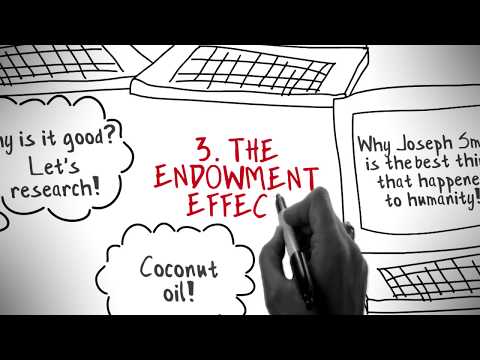
COGNITIVE EASE, CONFIRMATION BIAS, ENDOWMENT EFFECT - THINKING, FAST AND SLOW (PART 2)
0
洪小雅 posted on 2015/08/21Ever wondered why we stick to our beliefs even when they're wrong? This video dives into fascinating concepts like cognitive ease and confirmation bias, using examples from Machiavelli himself! You'll boost your critical thinking skills and pick up some advanced vocabulary along the way.
Learn this video on the APP!
The VoiceTube App has more in-depth practice for videos!