
along with
US /əˈlɔŋ wɪð/
UK /əˈlɔŋ wið/
- Preposition
- In addition to; together with.
- Adverb
- In company or together with someone or something.
- Including; in addition to.
A2Morealso known as
US
UK
- Phrase
- Also called; alternatively named.
- Identified by another term; synonymous with.
A1Moreback into
US /bæk ˈɪntu/
UK /bæk ˈɪntuː/
- Phrasal Verb
- To drive a vehicle backwards into a space or area.
- To accidentally collide with something while moving backwards.
A1Moreback then
US
UK
- Phrase
- At that time in the past.
A1Morebased on
US
UK
- Phrasal Verb
- To use something as the foundation or starting point for something else.
- Preposition
- Using something as the main idea or foundation.
- Relying on something as evidence or justification.
A1Moredeath
US /dɛθ/
UK /deθ/
- Noun (Countable/Uncountable)
- When someone dies; the end of life
- The cause or manner of someone dying.
A2Moredestroy
US /dɪˈstrɔɪ/
UK /dɪ'strɔɪ/
- Transitive Verb
- To damage so badly that something no longer exists
- To defeat someone or something easily
A2TOEICMoredue to
US /du tu/
UK /dju: tu:/
- Preposition
- Because of; owing to
- Adjective
- Attributable to; caused by.
A1Moreexcept that
US /ɪkˈsɛpt ðæt/
UK /ikˈsept ðæt/
- Conjunction
- But; with the exception that.
A2Morefamine
US /ˈfæmɪn/
UK /ˈfæmɪn/
- Noun (Countable/Uncountable)
- Long-lasting period of little food in an area
- A drastic food shortage in a large area or country.
B2Moreflood
US /flʌd/
UK /flʌd/
- Verb (Transitive/Intransitive)
- To quickly appear unexpectedly and in volume
- (Of liquid) to fill or cover something completely
- Noun (Countable/Uncountable)
- A quick unexpectedly volume of something
- Large number of people or things arriving at once
B1Morein the west
US
UK
- Phrase
- Located in or towards the west.
- Located in the western part of a country or region.
A1Moreleft standing
US
UK
- Adjective
- Remaining erect or in existence after others have fallen or been removed.
- Unresolved or not dealt with.
A2Moremagnitude
US /ˈmæɡnɪˌtud, -ˌtjud/
UK /ˈmægnɪtju:d/
- Noun
- Number representing force of an earthquake
- Size or importance
B2Moreon record
US /ɑn rɪˈkɚd/
UK /ɔn riˈkɔ:d/
- Adverb
- Formally and publicly stated
- Adjective
- Officially documented or registered.
A1Moreother places
US
UK
- Phrase
- Different locations or areas
plague
US /pleɡ/
UK /pleɪɡ/
- Transitive Verb
- To cause to have continual problems with something
- Noun (Countable/Uncountable)
- (Deadly) disease passing rapidly between people
- An unusually large number of insects or animals infesting a place and causing damage.
B1Morepopulation
US /ˌpɑpjəˈleʃən/
UK /ˌpɒpjuˈleɪʃn/
- Noun (Countable/Uncountable)
- Number of people who live in a country, area etc.
- A group of individuals of one species living in a particular area.
A2TOEICMorestrike
US /straɪk/
UK /straɪk/
- Transitive Verb
- To hit something
- To remove or erase.
- Noun (Countable/Uncountable)
- A punch or hit
- Fact of not hitting the ball when playing baseball
A2TOEICMoretag along
US
UK
- Phrasal Verb
- To accompany someone, especially when uninvited or not needed.
A2Morethe following
US
UK
- Adjective
- Next in order or sequence.
- Uncountable Noun
- What is about to be said or written.
B1Moretoll
US /tol/
UK /təʊl/
- Noun (Countable/Uncountable)
- Sound that a big bell makes, when it is rung
- Number of people hurt or killed in a disaster
- Intransitive Verb
- (Bell) to ring in a slow, loud and repeated way
B2TOEICMoreturn to
US /tɚn tu/
UK /tə:n tu:/
- Phrasal Verb
- To go to someone for help, advice, or information.
- To start doing or using something, often something bad or undesirable.
A1Morewipe out
US
UK
- Phrasal Verb
- To destroy or be destroyed
- To fall off a surfboard or skis.
A2More
Vocabulary
- due to: Because of; owing to
- the following: Next in order or sequence.
- on record: Formally and publicly stated
- also known as: Also called; alternatively named.
- tag along: To accompany someone, especially when uninvited or not needed.
- wipe out: To destroy or be destroyed
- other places: Different locations or areas
- back then: At that time in the past.
- along with: In addition to; together with.
- left standing: Remaining erect or in existence after others have fallen or been removed.
- based on: To use something as the foundation or starting point for something else.
- in the west: Located in or towards the west.
- back into: To drive a vehicle backwards into a space or area.
- except that: But; with the exception that.
- turn to: To go to someone for help, advice, or information.
- people: Persons sharing culture, country, background, etc.
- strike: To hit something
- hit: To have a negative impact on a person/place/thing
- population: Number of people who live in a country, area etc.
- million: 1,000,000
- land: Region or country
- plague: To cause to have continual problems with something
- toll: Sound that a big bell makes, when it is rung
- famine: Long-lasting period of little food in an area
- death: When someone dies; the end of life
- die: Cube with dots numbering 1-6 on it used in games
- destroy: To damage so badly that something no longer exists
- magnitude: Number representing force of an earthquake
- flood: To quickly appear unexpectedly and in volume
- black: To fill in something to make it a very dark color
Get the full experience in the app
Learn anywhere with detailed sentence and usage analysis
01:03
She took a brave step forward, leaving behind her comfort zone to chase her dreams.
Vocabulary
- brave
adj. Having courage
- comfort zone
phr. A familiar situation where one feels safe
Explanation
a brave step is a noun phrase, where brave is an adjective modifying the noun step, meaning "a courageous step".
forward is an adverb modifying step, meaning "ahead".
The whole phrase serves as the object, answering the "what" of took (verb) — she took a brave step forward.
Get the full experience in the app
Look up words anytime with pronunciation, part of speech, and usage
brave
US/brev/
UK/breɪv/
adj.Brave
v.t.To bravely face
A2 Elementary
Get the full experience in the app
Practice speaking anytime and get instant pronunciation feedback
Try this speaking exercise.
Try practicing with this sentence.
80
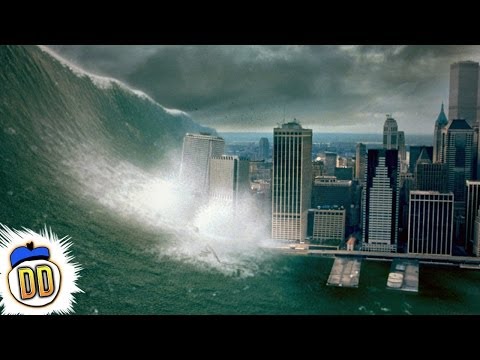
15 Most Destructive Natural Disasters in History
0
TeacherJennifer Bryne posted on 2015/05/12Get ready for a thrilling countdown of history's most devastating natural disasters! You'll not only learn about massive events like earthquakes and tsunamis but also pick up some advanced vocabulary related to these powerful forces of nature and their humanitarian response.
Learn this video on the APP!
The VoiceTube App has more in-depth practice for videos!