
additional
US /ə'dɪʃənl/
UK /əˈdɪʃənl/
- Adjective
- Further or added
- Extra to what already exists
A2TOEICMoreanti
US /ˈæntaɪ, -ti/
UK /'æntɪ/
- Adjective
- A prefix meaning 'against' or 'opposed'
B2Moreantibody
US /ˈæntibɑ:di/
UK /ˈæntibɒdi/
- Countable Noun
- Substance produced by the body to fight disease
B1Moreantigen
US /ˈæntɪdʒən/
UK /ˈæntɪdʒən/
- Noun
- Substance that produces antibodies in the body
B2Morebacteria
US /bækˈtɪriə/
UK /bæk'tɪərɪə/
- Noun (plural)
- The very small creatures that can cause disease
B2Morebrand
US /brænd/
UK /brænd/
- Noun
- A mark burned on an animal to show who owns it
- Product made or designed by a named company
- Transitive Verb
- To burn a mark on an animal to show who owns it
- To describe someone as a liar, coward, etc.
A2TOEICMoredetermine
US /dɪˈtɚmɪn/
UK /dɪ'tɜ:mɪn/
- Transitive Verb
- To control exactly how something will be or act
- To establish the facts about; discover
A2TOEICMorediscover
US /dɪˈskʌvɚ/
UK /dɪˈskʌvə(r)/
- Transitive Verb
- To find something new that was not known before
- To learn or find out (something previously unknown or secret).
A2TOEICMoredonor
US /ˈdoʊnə(r)/
UK /ˈdəʊnə(r)/
- Countable Noun
- Someone giving money or gifts to support a cause
B1Morefactor
US /ˈfæktɚ/
UK /'fæktə(r)/
- Noun
- Something that influences a result
- Transitive Verb
- To consider or include in an estimate or judgment
- To find the two numbers a number can be divided by
A2TOEICMorefor example
US
UK
- Phrase
- As an illustration or instance.
foreign
US /ˈfɔ:rən/
UK /ˈfɒrən/
- Adjective
- Being of a different place or country
- Strange; different from ones found at home
A2TOEICMorego ahead
US /ɡo əˈhɛd/
UK /ɡəu əˈhed/
- Phrasal Verb
- To start an activity; start doing, working etc.
- To give permission to do something
- Intransitive Verb
- To start or proceed with something
- To proceed despite potential obstacles or doubts.
A1Moregross
US /ɡros/
UK /ɡrəʊs/
- Noun (Countable/Uncountable)
- 144 of something; twelve dozen of something
- Total sum of money earned before costs and taxes
- Transitive Verb
- To earn an amount of money before costs and taxes
B1TOEICMorehave to
US /hæv tu/
UK /ˈhæv tə/
- Auxiliary Verb
- Must do
A1Moreimmune
US /ɪˈmjoon/
UK /ɪˈmju:n/
- Adjective
- Having a special protection from, e.g. the law
- Protected against a particular disease or condition because of antibodies or vaccination.
B1Morein fact
US /ɪn fækt/
UK /in fækt/
- Adverb
- Used to emphasize the truth of a statement, especially one that contrasts with or contradicts something else.
- Used to introduce a more detailed or surprising piece of information.
- Phrase
- Used to emphasize the truth of a statement, especially one that is surprising or contrary to what might be expected.
C1Moremention
US /ˈmɛnʃən/
UK /'menʃn/
- Transitive Verb
- To refer to or talk or write about something
- Uncountable Noun
- Act of referring to or talking about something
- A formal acknowledgement of something
A2TOEICMorenaturally
US /ˈnætʃərəli, ˈnætʃrə-/
UK /ˈnætʃrəli/
- Adverb
- In the expected or usual way
- Without the aid of someone or something
A2Morenegative
US /ˈnɛɡətɪv/
UK /'neɡətɪv/
- Noun
- The opposite to a positive electrical charge
- In grammar, containing words such as 'no' or 'not'
- Adjective
- Being harmful, unwanted or unhelpful
- In mathematics, being less than zero
A2Moreobject
US /ˈɑbdʒɪkt/
UK /'ɒbdʒɪkt/
- Noun (Countable/Uncountable)
- Something you can see or touch, but is not alive
- Goal or purpose of a particular plan or activity
- Verb (Transitive/Intransitive)
- To disagree; to protest against an idea or plan
- To state one's reason for disagreement
A2TOEICMorepersonal
US /ˈpɚsənəl/
UK /ˈpɜ:sənl/
- Adjective
- Done by or to a particular person; individual
- Concerning a person's private life or feelings
A2Morepositive
US /ˈpɑzɪtɪv/
UK /ˈpɒzətɪv/
- Adjective
- Showing agreement or support for something
- Being sure about something; knowing the truth
- Noun
- A photograph in which light areas are light and dark areas are dark
A2Morereact
US /riˈækt/
UK /rɪ'ækt/
- Intransitive Verb
- To change when mixing with other chemicals
- To behave or make a change in a particular way
A2Morerecognize
US /ˈrek.əɡ.naɪz/
UK /ˈrek.əɡ.naɪz/
- Transitive Verb
- To accept the truth or reality of something
- To consider something as important or special
A2TOEICMoresparkly
US /ˈspɑrkli/
UK /'spɑ:klɪ/
- Adjective
- Having lots of small reflections of light
B1Moretransfusion
US /trænsˈfjuʒən/
UK /trænsˈfju:ʒn/
- Noun
- Act of putting someone else's blood into a patient
C2Moreuniversal
US /ˌjunəˈvɚsəl/
UK /ˌju:nɪˈvɜ:sl/
- Adjective
- Existing in all places at all times for all people
- Done or experienced by everyone
- Noun (Countable/Uncountable)
- Things which apply equally to everyone
- A general term, idea, or concept applicable to many particular things.
A2Morevaluable
US /ˈvæljuəbəl, ˈvæljə-/
UK /ˈvæljuəbl/
- Adjective
- Being useful or important
- Being worth a lot of money
B1TOEICMorevampire
US /ˈvæmˌpaɪr/
UK /ˈvæmpaɪə(r)/
- Countable Noun
- Bloodsucking dead person who bites neck of victim
B2More
Vocabulary
- in fact: Used to emphasize the truth of a statement, especially one that contrasts with or contradicts something else.
- for example: As an illustration or instance.
- have to: Must do
- go ahead: To start an activity; start doing, working etc.
- immune: Having a special protection from, e.g. the law
- recognize: To accept the truth or reality of something
- gross: 144 of something; twelve dozen of something
- determine: To control exactly how something will be or act
- positive: Showing agreement or support for something
- negative: The opposite to a positive electrical charge
- bacteria: The very small creatures that can cause disease
- brand: A mark burned on an animal to show who owns it
- mention: To refer to or talk or write about something
- similar: Nearly the same; alike
- valuable: Being useful or important
- factor: Something that influences a result
- universal: Existing in all places at all times for all people
- reason: To think and make conclusions in a logical manner
- produce: Fresh foods such as fruits and vegetables
- object: Something you can see or touch, but is not alive
- scary: Causing fear; frightening
- noggin: A human head
- foreign: Being of a different place or country
- react: To change when mixing with other chemicals
- receive: To get something someone has given or sent to you
- additional: Further or added
- lot: What happens to a person in life from chance; fate
- century: Period of 100 years
- personal: Done by or to a particular person; individual
- system: Set of organized, planned ideas that work together
- fact: Something that is known or proved to be true
- wrong: Action that is harmful, unjust or illegal
- naturally: In the expected or usual way
- question: To ask for or try to get information
- discover: To find something new that was not known before
- real: Actually existing or happening, not imagined
- think: To have an idea about something without certainty
- type: Printed letters or blocks used for printing them
- anti: A prefix meaning 'against' or 'opposed'
- sparkly: Having lots of small reflections of light
- vampire: Bloodsucking dead person who bites neck of victim
- antigen: Substance that produces antibodies in the body
- donor: Someone giving money or gifts to support a cause
- transfusion: Act of putting someone else's blood into a patient
- antibody: Substance produced by the body to fight disease
Get the full experience in the app
Learn anywhere with detailed sentence and usage analysis
01:03
She took a brave step forward, leaving behind her comfort zone to chase her dreams.
Vocabulary
- brave
adj. Having courage
- comfort zone
phr. A familiar situation where one feels safe
Explanation
a brave step is a noun phrase, where brave is an adjective modifying the noun step, meaning "a courageous step".
forward is an adverb modifying step, meaning "ahead".
The whole phrase serves as the object, answering the "what" of took (verb) — she took a brave step forward.
Get the full experience in the app
Look up words anytime with pronunciation, part of speech, and usage
brave
US/brev/
UK/breɪv/
adj.Brave
v.t.To bravely face
A2 Elementary
Get the full experience in the app
Practice speaking anytime and get instant pronunciation feedback
Try this speaking exercise.
Try practicing with this sentence.
80
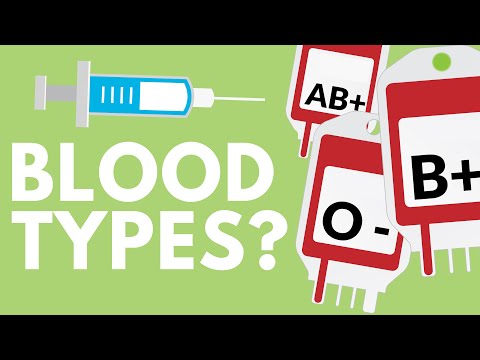
Why Do We Have Different Blood Types?
0
許允迪 posted on 2020/12/17Ever wondered why some blood transfusions work and others don't? This fun video from Life Noggin breaks down the science behind blood types, including the Rh factor and antibodies, and you'll even learn about the 'universal donor'! It's a fantastic way to boost your knowledge and pick up some cool new vocabulary.
Learn this video on the APP!
The VoiceTube App has more in-depth practice for videos!