
applause
US /əˈplɔz/
UK /ə'plɔ:z/
- Noun (Countable/Uncountable)
- The sound made by clapping a performance or speech
B1Morearound the world
US /əˈraʊnd ði wɜrld/
UK /əˈraund ðə wɜː(r)ld/
- Phrase
- In or to many countries.
- In various places throughout the world.
A2Moreas long as
US /æz lɔŋ æz/
UK /æz lɔŋ æz/
- Conjunction
- For the period that; provided that.
- For the length of time that
- Preposition
- On the condition that; providing that.
- Having the same length as.
A1Moreat bay
US /æt be/
UK /æt bei/
- Phrase
- Kept at a distance; held back.
A1Morebased on
US
UK
- Phrasal Verb
- To use something as the foundation or starting point for something else.
- Preposition
- Using something as the main idea or foundation.
- Relying on something as evidence or justification.
A1Moreborder
US /ˈbɔrdɚ/
UK /'bɔ:də(r)/
- Verb (Transitive/Intransitive)
- To be right next to another country or state
- To form the edge of something
- Noun
- Outer part or edge of something
- Line separating one country, state from another
A2TOEICMorecure
US /kjʊr/
UK /kjʊə(r)/
- Noun
- Something that solves a problem or makes it better
- Medical treatment making a sick person healthy
- Transitive Verb
- To fix or improve a problem
- To make someone healthy or make a disease go away
B1Moredrug
US /drʌɡ/
UK /drʌɡ/
- Noun (Countable/Uncountable)
- Illegal substance taken for effect on the mind
- Chemical used as a medicine
- Transitive Verb
- To give drugs to someone to make them sleep
A2Moreend up here
US
UK
- Phrasal Verb
- To arrive somewhere unexpectedly or without intending to.
A1Morefishing for
US
UK
- Phrasal Verb
- Currently trying to get attention or praise from other people.
- Verb (Transitive/Intransitive)
- Present continuous of trying to catch fish.
A1Morefor the better
US /fɔr ði ˈbɛtɚ/
UK /fɔ: ðə ˈbetə/
- Phrase
- Resulting in improvement; to a more favorable condition.
A1Morehappy ending
US
UK
- Noun
- A conclusion to a story, play, movie, etc., in which everything turns out well for the protagonists.
- A positive and satisfying resolution to a situation or period of difficulty.
A1Morein a hurry
US /ɪn e ˈhɚri/
UK /in ə ˈhʌri/
- Phrase
- Acting or moving with great haste; rushed.
in blood
US /ɪn blʌd/
UK /in blʌd/
- other
- Covered or stained with blood, literally or figuratively.
C2Morein conclusion
US
UK
- Phrase
- Used to indicate a summary or final point.
A1Morein fact
US /ɪn fækt/
UK /in fækt/
- Adverb
- Used to emphasize the truth of a statement, especially one that contrasts with or contradicts something else.
- Used to introduce a more detailed or surprising piece of information.
- Phrase
- Used to emphasize the truth of a statement, especially one that is surprising or contrary to what might be expected.
C1Morein isolation
US
UK
- Phrase
- Separately from other people or things; alone.
- Considered separately and without reference to other related things.
C1Morein mind
US /ɪn maɪnd/
UK /in maind/
- Phrase
- Being aware of or considering something.
- To remember or consider something.
A2Morein public
US /ɪn ˈpʌblɪk/
UK /in ˈpʌblik/
- Phrase
- In a place where anyone can see or hear you.
- Adjective
- Relating to the government or the people as a whole.
B1Morein the middle of
US
UK
- Phrase
- In the central part or point of something.
- Engaged or occupied with something.
A2Morein the past
US
UK
- Phrase
- During a former period of time; previously.
A1Morein the world
US /ɪn ði wɜrld/
UK /in ðə wɜː(r)ld/
- Phrase
- Used to emphasize a question expressing surprise, confusion, disbelief
- Used to indicate the extent or degree of something, often in a superlative sense
A1Morein total
US /ɪn ˈtotl/
UK /in ˈtəutəl/
- Phrase
- Completely; with everything added together.
A1Moreindigenous
US /ɪnˈdɪdʒənəs/
UK /ɪnˈdɪdʒənəs/
- Adjective
- Being naturally from an area, not somewhere else
- Relating to the people who are native to a particular region.
- Noun (Countable/Uncountable)
- The traditional knowledge and practices of indigenous peoples.
- The original inhabitants of a particular region or country.
B1TOEICMoreisolate
US /ˈaɪsəˌlet/
UK /ˈaɪsəleɪt/
- Transitive Verb
- To identify, consider, or deal with separately
- To keep in a place or situation apart from others
B1Moreknow about
US /noʊ əˈbaʊt/
UK /nəʊ əˈbaut/
- Phrasal Verb
- To have information or understanding of a subject or situation.
live on
US /lɪv ɒn/
UK /lɪv ɒn/
- Phrasal Verb
- To continue to exist or be remembered.
- To eat a particular type of food as the main thing.
B2Morelook at
US /lʊk æt/
UK /luk æt/
- Phrasal Verb
- To use your eyes to focus on something
- To focus your eyes on something carefully
A1Morelook up to
US /lʊk ʌp tu/
UK /luk ʌp tu:/
- Phrasal Verb
- To respect or admire someone
A1Moremedicine
US /ˈmɛdɪsɪn/
UK /ˈmedsn/
- Noun (Countable/Uncountable)
- Something used in treating illness or pain
- Science of preventing, treating, or curing disease
A2TOEICMoremess with
US
UK
- Verb (Transitive/Intransitive)
- To interfere with or tamper with something.
- To provoke or annoy someone.
- Phrasal Verb
- To interfere with or tamper with something.
- To tease, provoke, or annoy someone.
B1Moremove to
US /muv tu/
UK /mu:v tu:/
- Phrasal Verb
- To change the place where you live or work.
- Verb (Transitive/Intransitive)
- To proceed to the next stage or action.
A2Moreof course
US /ʌv kɔː(r)s/
UK /ɔv kɔː(r)s/
- Adverb
- Sure ; Certainly
- Phrase
- For sure; certainly
A2Moreon earth
US /ɑn ɚθ/
UK /ɔn ə:θ/
- Phrase
- Used to emphasize a question expressing surprise or anger.
- Used to emphasize that something is not possible or will not happen.
A1Moreout of focus
US
UK
- Adjective
- Not clear or sharp in appearance; blurry.
- Unable to concentrate or pay attention.
A1Moreover to
US
UK
- Preposition
- Used to hand over to someone else to speak
- The responsibility is now yours
rather than
US
UK
- Adverb
- More exactly; more correctly
- Preferably; instead
- Preposition
- Instead of
A1Morerubber
US /ˈrʌbɚ/
UK /'rʌbə(r)/
- Uncountable Noun
- Material used to make tires, etc.
B1TOEICMoreset off
US /sɛt ɔf/
UK /set ɒf/
- Phrasal Verb
- To start a journey
- To cause something to explode or start working.
- Transitive Verb
- To cause to explode.
A1Moreset up
US /sɛt ʌp/
UK /set ʌp/
- Phrasal Verb
- To make arrangements for something; establish
- Verb (Transitive/Intransitive)
- To arrange or prepare something for use.
- To start a business, organization, etc.
A1Moretake off
US /tek ɔf/
UK /teik ɔf/
- Phrasal Verb
- To remove, e.g. your clothes
- To make arrangements to be absent from work
- Verb (Transitive/Intransitive)
- To remove (an item of clothing).
- To depart; to leave.
A1Moretaken over
US
UK
- Phrasal Verb
- To gain control of (a company) from someone else
- To gain control of something.
A1Moretalking about
US
UK
- Phrasal Verb
- To discuss a particular topic.
- To be constantly mentioning or bringing up a subject.
A1Morethanks to
US /θæŋks tu/
UK /θæŋks tu:/
- Preposition
- Because of; as a result of.
A1Morethrough the roof
US
UK
- Phrase
- Rising to a very high level; skyrocketing.
- Adjective
- Extremely angry; furious.
A1Moreto the gods
US /tu ðə ɡɑdz/
UK /tu ðə ɡɒdz/
- other
- Completely destroyed or ruined.
C2Moretreasure
US /ˈtrɛʒɚ/
UK /'treʒə(r)/
- Noun (Countable/Uncountable)
- Valuable things collected, and often hidden
- Someone or something that is worth a lot
- Transitive Verb
- To value something you keep very much
- To take great care of because you love/value it
A2TOEICMoretreatment
US /ˈtritmənt/
UK /ˈtri:tmənt/
- Noun (Countable/Uncountable)
- Medicine or method to make someone healthier
- Way someone acts toward another
A2TOEICMoreused to
US /juzd tu/
UK /ˈju:st tə/
- Adjective
- Did regularly before, but don't do now
- Auxiliary Verb
- Have done before, but do not do now
A1More
Vocabulary
- in fact: Used to emphasize the truth of a statement, especially one that contrasts with or contradicts something else.
- in the world: Used to emphasize a question expressing surprise, confusion, disbelief
- around the world: In or to many countries.
- based on: To use something as the foundation or starting point for something else.
- set off: To start a journey
- as long as: For the period that; provided that.
- take off: To remove, e.g. your clothes
- over to: Used to hand over to someone else to speak
- through the roof: Rising to a very high level; skyrocketing.
- in blood: Covered or stained with blood, literally or figuratively.
- in the middle of: In the central part or point of something.
- know about: To have information or understanding of a subject or situation.
- on earth: Used to emphasize a question expressing surprise or anger.
- talking about: To discuss a particular topic.
- in mind: Being aware of or considering something.
- in total: Completely; with everything added together.
- look up to: To respect or admire someone
- used to: Did regularly before, but don't do now
- to the gods: Completely destroyed or ruined.
- move to: To change the place where you live or work.
- happy ending: A conclusion to a story, play, movie, etc., in which everything turns out well for the protagonists.
- taken over: To gain control of (a company) from someone else
- in public: In a place where anyone can see or hear you.
- thanks to: Because of; as a result of.
- end up here: To arrive somewhere unexpectedly or without intending to.
- look at: To use your eyes to focus on something
- fishing for: Currently trying to get attention or praise from other people.
- in the past: During a former period of time; previously.
- out of focus: Not clear or sharp in appearance; blurry.
- in a hurry: Acting or moving with great haste; rushed.
- mess with: To interfere with or tamper with something.
- of course: Sure ; Certainly
- set up
- at bay: Kept at a distance; held back.
- in conclusion: Used to indicate a summary or final point.
- for the better: Resulting in improvement; to a more favorable condition.
- rather than: More exactly; more correctly
- live on: To continue to exist or be remembered.
- in isolation: Separately from other people or things; alone.
- people: Persons sharing culture, country, background, etc.
- applause: The sound made by clapping a performance or speech
- world: All the humans, events, activities on the earth
- live: To be alive
- treasure: Valuable things collected, and often hidden
- picture: General situation or state of being
- border: To be right next to another country or state
- cure: Something that solves a problem or makes it better
- drug: Illegal substance taken for effect on the mind
- treatment: Medicine or method to make someone healthier
- indigenous: Being naturally from an area, not somewhere else
- rubber: Material used to make tires, etc.
- forest: Large area with many trees
- isolate: To identify, consider, or deal with separately
- medicine: Something used in treating illness or pain
Get the full experience in the app
Learn anywhere with detailed sentence and usage analysis
01:03
She took a brave step forward, leaving behind her comfort zone to chase her dreams.
Vocabulary
- brave
adj. Having courage
- comfort zone
phr. A familiar situation where one feels safe
Explanation
a brave step is a noun phrase, where brave is an adjective modifying the noun step, meaning "a courageous step".
forward is an adverb modifying step, meaning "ahead".
The whole phrase serves as the object, answering the "what" of took (verb) — she took a brave step forward.
Get the full experience in the app
Look up words anytime with pronunciation, part of speech, and usage
brave
US/brev/
UK/breɪv/
adj.Brave
v.t.To bravely face
A2 Elementary
Get the full experience in the app
Practice speaking anytime and get instant pronunciation feedback
Try this speaking exercise.
Try practicing with this sentence.
80
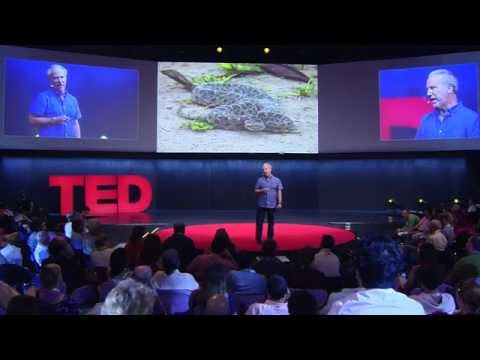
【TED】Mark Plotkin: What the people of the Amazon know that you don’t
0
CUChou posted on 2015/04/06Ever wondered what ancient wisdom about healing plants is hidden in the Amazon? This fascinating talk dives into ethnobotany, exploring how indigenous communities use medicinal frogs and plants, and why their knowledge is crucial for conservation. You'll pick up some advanced vocabulary and gain a deeper cultural understanding of this incredible rainforest!
Learn this video on the APP!
The VoiceTube App has more in-depth practice for videos!