
ability
US /əˈbɪlɪti/
UK /ə'bɪlətɪ/
- Noun (Countable/Uncountable)
- The power, resources or skill to do something
- A particular skill or talent.
A2TOEICMoreaffect
US /əˈfɛkt/
UK /ə'fekt/
- Transitive Verb
- To cause a change in something else
- To pretend to have or feel (something).
- Noun
- (Psychology) Emotion or feeling.
A2TOEICMoreawkward
US /ˈɔkwəd/
UK /ˈɔ:kwəd/
- Adjective
- Lacking smooth movement
- Causing embarrassment or trouble
B1Morebet
US /bet/
UK /bet/
- Verb (Transitive/Intransitive)
- To gamble money to win more money, e.g. on horses
- Used to express certainty or confidence
- Countable Noun
- Act of gambling money on the result of a race etc.
A2Moreblush
US /blʌʃ/
UK /blʌʃ/
- Intransitive Verb
- To turn red, as if in embarrassment or shame
B1Moreclothe
US /kloʊð/
UK /kləʊð/
- Transitive Verb
- To put a certain type of clothing on someone; dress
B1Moreconversation
US /ˌkɑnvɚˈseʃən/
UK /ˌkɒnvəˈseɪʃn/
- Uncountable Noun
- Talking with other people; discussion or chat
- General communication or interaction.
A2Morecringe
US /krɪndʒ/
UK /krɪndʒ/
- Intransitive Verb
- To crouch or move back suddenly, as in fear
- To behave in a servile or submissive way.
- Transitive Verb
- To cause someone to feel embarrassed or uncomfortable.
C1Moredance around
US /dæns əˈraʊnd/
UK /dɑ:ns əˈraund/
- other
- To avoid discussing something directly.
- To move around with light, rhythmic steps.
B2Moreembarrass
US /ɛmˈbærəs/
UK /ɪm'bærəs/
- Transitive Verb
- To cause someone to feel ashamed
A2Moreembarrassed
US /ɪmˈbærəst/
UK /ɪmˈbærəst/
- Transitive Verb
- To cause someone to feel ashamed
- Feeling awkward, self-conscious, or ashamed.
- Adjective
- Ashamed
- Showing signs of embarrassment.
A2Moreembarrassment
US /ɛmˈbærəsmənt/
UK /ɪmˈbærəsmənt/
- Uncountable Noun
- Shame you feel when you did something wrong
- A person, thing, or situation that causes someone to feel ashamed, self-conscious, or uncomfortable.
B1Moreepisode
US /ˈɛpɪˌsod/
UK /'epɪsəʊd/
- Noun
- One separate event in a series of events
- Show which is part of a larger story
B1TOEICMoreextreme
US /ɪkˈstrim/
UK /ɪk'stri:m/
- Adjective
- Very great in degree
- Farthest from a center
- Noun
- Effort that is thought more than is necessary
- The furthest point or limit of something.
B1Moreextremely
US /ɪk'strimlɪ/
UK /ɪkˈstri:mli/
- Adverb
- In a way that is much more than usual or expected
- Remarkably; unusually.
B1Morefantastic
US /fænˈtæstɪk/
UK /fænˈtæstɪk/
- Adjective
- Strange or unusual in design or appearance
- Very large, fast or great
A2Morefor example
US
UK
- Phrase
- As an illustration or instance.
frequently
US /ˈfrikwəntlɪ/
UK /ˈfri:kwəntli/
- Adverb
- Often; regularly
- Repeatedly or many times.
A2TOEICMorego out
US /ɡo aʊt/
UK /ɡəu aut/
- Phrase
- To leave a building (e.g. a house)
- Phrasal Verb
- (Of a fire) to burn out; be extinguished
- Go out of fashion to stop being fashionable
A1Morehabit
US /ˈhæbɪt/
UK /'hæbɪt/
- Noun
- Loose clothing like a cloak, worn by monks, nuns
- Usual way of behaving; something often repeated
A2TOEICMorehorrible
US /ˈhɔrəbəl, ˈhɑr-/
UK /ˈhɒrəbl/
- Adjective
- Very bad; causing annoyance, distaste or fear
A2TOEICMorein particular
US /ɪn pɚˈtɪkjəlɚ/
UK /in pəˈtikjulə/
- Phrase
- Specifically; especially.
- Detailed or precise.
A1Morein the future
US /ɪn ði ˈfjutʃɚ/
UK /in ðə ˈfju:tʃə/
- Phrase
- At a later time; in times to come.
A1Moreintense
US /ɪnˈtɛns/
UK /ɪn'tens/
- Adjective
- Very strong, great or extreme in degree
- Experiencing or showing great force or strength; extreme.
A2TOEICMoreknow about
US /noʊ əˈbaʊt/
UK /nəʊ əˈbaut/
- Phrasal Verb
- To have information or understanding of a subject or situation.
link
US /lɪŋk/
UK /lɪŋk/
- Noun (Countable/Uncountable)
- Any one of the rings that are part of a chain
- Connection between two or more things or people
- Transitive Verb
- To join or connect together
- To associate or connect in one's mind.
A2TOEICMoremuch about
US /mʌtʃ əˈbaʊt/
UK /mʌtʃ əˈbaut/
- Phrase
- A lot of information or knowledge concerning something.
- To a great extent or degree regarding something; caring.
A1Moreof course
US /ʌv kɔː(r)s/
UK /ɔv kɔː(r)s/
- Adverb
- Sure ; Certainly
- Phrase
- For sure; certainly
A2Moreof yours
US /ʌv jʊɚz/
UK /əv jɔ:z/
- other
- Belonging to you; your possession or property.
A1Morepick out
US /pɪk aʊt/
UK /pik aut/
- Phrasal Verb
- To choose or select one item from many
- To distinguish or recognize something or someone from a group.
A1Morepronounce
US /prəˈnaʊns/
UK /prə'naʊns/
- Transitive Verb
- To state something in a legal or official way
- To give your opinion or decision about something
B1Moreride with
US
UK
- Phrasal Verb
- To travel together with someone in a vehicle or on an animal.
- To support or agree with someone's opinion or cause.
silly
US /ˈsɪli/
UK /'sɪlɪ/
- Adjective
- Careless
- Acting funny or playfully
A2Morestupid
US /ˈstu:pɪd/
UK /ˈstju:pɪd/
- Adjective
- Not intelligent; lacking ability to learn easily
- Noun
- A stupid person.
A2Moreswear
US /swɛr/
UK /sweə(r)/
- Intransitive Verb
- To say bad or impolite words to someone
- Transitive Verb
- To make a serious promise to do something
B1Moretalking about
US
UK
- Phrasal Verb
- To discuss a particular topic.
- To be constantly mentioning or bringing up a subject.
A1Moreused to
US /juzd tu/
UK /ˈju:st tə/
- Adjective
- Did regularly before, but don't do now
- Auxiliary Verb
- Have done before, but do not do now
A1Morevocabulary
US /voˈkæbjəˌlɛri/
UK /və'kæbjələrɪ/
- Uncountable Noun
- Words that have to do with a particular subject
- The words that a person knows
B1TOEICMorewave
US /wev/
UK /weɪv/
- Noun (Countable/Uncountable)
- Movement of sound, air or energy
- Deep and strong emotion that is suddenly felt
- Verb (Transitive/Intransitive)
- To cause to move side to side or back and forth
A2More
Vocabulary
- talking about: To discuss a particular topic.
- for example: As an illustration or instance.
- of yours: Belonging to you; your possession or property.
- know about: To have information or understanding of a subject or situation.
- in particular: Specifically; especially.
- much about: A lot of information or knowledge concerning something.
- in the future: At a later time; in times to come.
- go out: To leave a building (e.g. a house)
- used to: Did regularly before, but don't do now
- pick out: To choose or select one item from many
- dance around: To avoid discussing something directly.
- of course: Sure ; Certainly
- ride with: To travel together with someone in a vehicle or on an animal.
- awkward: Lacking smooth movement
- episode: One separate event in a series of events
- intense: Very strong, great or extreme in degree
- extremely: In a way that is much more than usual or expected
- situation: Place, position or area that something is in
- vocabulary: Words that have to do with a particular subject
- realize: To become aware of or understand mentally
- extreme: Very great in degree
- conversation: Talking with other people; discussion or chat
- describe: To tell the appearance, sound, smell of something
- silly: Careless
- ability: The power, resources or skill to do something
- bet: To gamble money to win more money, e.g. on horses
- pronounce: To state something in a legal or official way
- fantastic: Strange or unusual in design or appearance
- affect: To cause a change in something else
- similar: Nearly the same; alike
- swear: To say bad or impolite words to someone
- embarrassed: To cause someone to feel ashamed
- pretty: Being attractive to the eye in a simple way
- horrible: Very bad; causing annoyance, distaste or fear
- frequently: Often; regularly
- social: Involving activity with people, e.g. in free time
- lot: What happens to a person in life from chance; fate
- habit: Loose clothing like a cloak, worn by monks, nuns
- cringe: To crouch or move back suddenly, as in fear
- learn: To get knowledge or skills by study or experience
- adjective: A word that describes a noun, e.g. happy
- language: Words or signs used to communicate messages
- verb: Word that expresses an action or state
- remember: To give someone a gift, e.g. birthday, wedding
- front: Behavior not showing a person's true feelings
- find: To become aware of something that is happening
- laugh: To make a happy sound when something is funny
- embarrass: To cause someone to feel ashamed
- blush: To turn red, as if in embarrassment or shame
- link: Any one of the rings that are part of a chain
- embarrassment: Shame you feel when you did something wrong
- stupid: Not intelligent; lacking ability to learn easily
- wave: Movement of sound, air or energy
- clothe: To put a certain type of clothing on someone; dress
Get the full experience in the app
Learn anywhere with detailed sentence and usage analysis
01:03
She took a brave step forward, leaving behind her comfort zone to chase her dreams.
Vocabulary
- brave
adj. Having courage
- comfort zone
phr. A familiar situation where one feels safe
Explanation
a brave step is a noun phrase, where brave is an adjective modifying the noun step, meaning "a courageous step".
forward is an adverb modifying step, meaning "ahead".
The whole phrase serves as the object, answering the "what" of took (verb) — she took a brave step forward.
Get the full experience in the app
Look up words anytime with pronunciation, part of speech, and usage
brave
US/brev/
UK/breɪv/
adj.Brave
v.t.To bravely face
A2 Elementary
Get the full experience in the app
Practice speaking anytime and get instant pronunciation feedback
Try this speaking exercise.
Try practicing with this sentence.
80
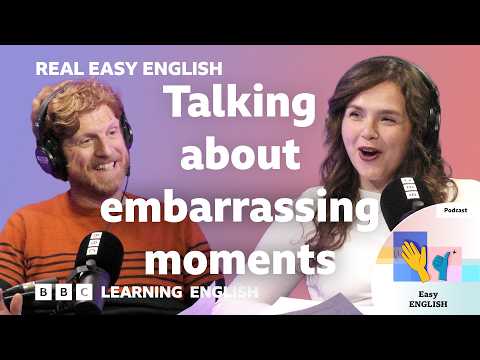
😳🙈🫣 Do you get embarrassed easily? | Improve your listening with Real Easy English
0
Carol Huang posted on 2026/11/23We’ve all had those moments where we just want to disappear, but have you ever wondered how to describe that feeling in English? In this fun episode, you'll learn essential vocabulary like 'mortified,' 'blush,' and 'cringe' while hearing some relatable and hilarious stories about embarrassing blunders. It’s a great way to build your social vocabulary while laughing along with the hosts.
Learn this video on the APP!
The VoiceTube App has more in-depth practice for videos!