
algebra
US /ˈældʒəbrə/
UK /ˈældʒɪbrə/
- Uncountable Noun
- Math using letters or symbols in place of numbers
C1Morealgebraic
US /ˌældʒəˈbreɪk/
UK /ˌældʒɪ'breɪɪk/
- Adjective
- Concerning algebra
C1Moreangle
US /ˈæŋɡəl/
UK /ˈæŋgl/
- Noun
- Place where two lines or surfaces meet
B1TOEICMoreanswer to
US
UK
- Phrasal Verb
- To be responsible to someone and have to explain your actions to them.
- To correspond to or match a description or requirement.
A1Moreas with
US /æz wɪð/
UK /æz wið/
- Preposition
- In the same way that something happens or is true of something else.
A1Moreat first sight
US /æt fɚst saɪt/
UK /æt fə:st sait/
- Phrase
- Immediately on seeing someone or something for the first time; based on a first impression.
A1Moreat least
US /æt list/
UK /æt li:st/
- Adverb
- As a minimum
- Not less than
- Phrase
- No less than; at the minimum
- Used to indicate that something is positive in a bad situation.
C2Moreat some point
US /æt sʌm pɔɪnt/
UK /æt sʌm pɔint/
- Phrase
- At an unspecified time, usually in the future.
A1Moreat will
US /æt wɪl/
UK /æt wil/
- Adverb
- Whenever or wherever you want; without needing permission.
- Adjective
- Relating to an employment agreement where the employer can terminate the employee at any time for any reason that is not illegal.
axis
US /ˈæksɪs/
UK /ˈæksɪs/
- Noun
- A line about which a rotating body turns
B1Morebased on
US
UK
- Phrasal Verb
- To use something as the foundation or starting point for something else.
- Preposition
- Using something as the main idea or foundation.
- Relying on something as evidence or justification.
A1Moreby itself
US /baɪ ɪtˈsɛlf/
UK /bai itˈself/
- Adverb
- Alone; without help or assistance.
- Without any external influence or aid.
A2Morecall it a day
US /kɔl ɪt ə ˈdeɪ/
UK /kɔ:l ɪt ə ˈdeɪ/
- other
- To stop working on something for the rest of the day.
B1Morecancel out
US /ˈkænsəl aʊt/
UK /ˈkænsəl aut/
- Phrasal Verb
- To neutralize or negate the effect of something else.
- To cause something to no longer be valid or effective.
B1Moreclose out
US /kloz aʊt/
UK /kləuz aut/
- Phrasal Verb
- To sell off or eliminate remaining items or inventory, often at discounted prices.
- To terminate or offset an existing financial position or trade.
A1Morecloser than
US
UK
- Phrase
- Nearer in distance compared to something else.
- Having a stronger emotional bond compared to someone else.
A1Morecoefficient
US /ˌkoʊɪˈfɪʃnt/
UK /ˌkəʊɪˈfɪʃnt/
- Adjective
- Number by which another number is multiplied
B2Morecome up to
US
UK
- Phrasal Verb
- To meet expectations
A1Morecomplex
US /kəmˈplɛks, ˈkɑmˌplɛks/
UK /'kɒmpleks/
- Countable Noun
- Group of buildings all used for the same purpose
- Adjective
- Not being simple; having many parts or aspects
A2Morecomponent
US /kəmˈponənt/
UK /kəmˈpəʊnənt/
- Noun (Countable/Uncountable)
- One of the parts that something is made up of
- A constituent part; ingredient.
- Adjective
- Being a part of something
A2Morecoordinate
US /ko'ɔrdəˈnet/
UK /kəʊ'ɔ:dɪneɪt/
- Transitive Verb
- To match styles or colors that go well together
- To cause body parts to move smoothly together
- Noun
- Point on a map defining a location e.g. 135N, 34W
- A matching set of clothes.
B1Morecube
US /kjub/
UK /kju:b/
- Noun
- Solid object that has six square sides
- Transitive Verb
- To cut food into the shape of small cubes
- To multiply a number by itself three times
B2Morecurvature
US /ˈkə:vəˌtʃʊr, -tʃɚ/
UK /ˈkɜ:vətʃə(r)/
- Noun
- Curving or bending, often abnormal, as of spine
B1Moredimension
US /dɪˈmɛnʃən, daɪ-/
UK /daɪˈmenʃn/
- Noun (Countable/Uncountable)
- Number of planes (X, Y, Z axes) an object has
- Measurement in space, e.g. length or diameter
B1Moredivide
US /dɪˈvaɪd/
UK /dɪ'vaɪd/
- Verb (Transitive/Intransitive)
- To split numbers by another number, e.g. 6 / 2 = 3
- To separate something into equal pieces
- Noun
- A separation or distinction.
A2TOEICMoredivine
US /dɪˈvaɪn/
UK /dɪ'vaɪn/
- Adjective
- Concerning or coming from God or a god
- Being very good or wonderful
- Intransitive Verb
- To predict through feeling and without reason
B1Moredo in
US
UK
- Phrasal Verb
- To make completely tired out and exhausted
- To destroy or cause damage to someone
A1Moredot
US /dɑt/
UK /dɒt/
- Transitive Verb
- To place small amounts/things in various places
- To mark something by placing a small, round spot
- Noun
- Small round mark
B1TOEICMoreend up with
US
UK
- Phrasal Verb
- To have something as a result.
A1Morefactor
US /ˈfæktɚ/
UK /'fæktə(r)/
- Noun
- Something that influences a result
- Transitive Verb
- To consider or include in an estimate or judgment
- To find the two numbers a number can be divided by
A2TOEICMorefactor out
US /ˈfæktɚ aʊt/
UK /ˈfæktə aut/
- Phrasal Verb
- To rewrite an expression by removing a common factor from its terms.
- To exclude something when making a decision or calculation.
B2Morefigure out
US /ˈfɪɡjɚ aʊt/
UK /ˈfiɡə aut/
- Phrasal Verb
- To understand the behavior of someone
- To think through logically to find a solution
- Verb (Transitive/Intransitive)
- To understand or find an answer to something.
- To find a solution to a problem or understand something.
A1Morefor example
US
UK
- Phrase
- As an illustration or instance.
formula
US /ˈfɔrmjələ/
UK /'fɔ:mjələ/
- Noun (Countable/Uncountable)
- A mathematical or scientific rule
- Plan, rule or method for doing or making something
A2TOEICMorefound out
US
UK
- Phrasal Verb
- To learn or discover something, often after some effort.
- To become known; be revealed.
B2Moregeometric
US /ˌdʒiəˈmɛtrɪk/
UK /ˌdʒi:əˈmetrɪk/
- Adjective
- With regular mathematical patterns/straight lines
B2Morego back to
US /ɡo bæk tu/
UK /ɡəu bæk tu:/
- Phrasal Verb
- To return to a starting point
A1Morehave on
US /hæv ɑn/
UK /hæv ɔn/
- Phrasal Verb
- To be wearing something.
- To deceive or trick someone, often in a playful way.
A1Morehave to
US /hæv tu/
UK /ˈhæv tə/
- Auxiliary Verb
- Must do
A1Morehell yeah
US
UK
- Interjection
- An enthusiastic expression of agreement or approval.
- Phrase
- Used to strongly affirm a statement.
implement
US /ˈɪmpləmənt/
UK /ˈɪmplɪment/
- Transitive Verb
- To start to do something you plan to do
- Noun (Countable/Uncountable)
- A tool
B1TOEICMorein fact
US /ɪn fækt/
UK /in fækt/
- Adverb
- Used to emphasize the truth of a statement, especially one that contrasts with or contradicts something else.
- Used to introduce a more detailed or surprising piece of information.
- Phrase
- Used to emphasize the truth of a statement, especially one that is surprising or contrary to what might be expected.
C1Morein order to
US /ɪn ˈɔrdɚ tu/
UK /in ˈɔ:də tu:/
- Preposition
- For the purpose of; with the aim of.
- Phrase
- In a specific sequence or arrangement.
- With the aim of; for the purpose of.
C1Morein other words
US
UK
- Phrase
- Stating something in a different way, often to make it clearer or more understandable.
in school
US /ɪn skul/
UK /ɪn sku:l/
- other
- Attending an educational institution.
A1Morein terms of
US
UK
- Phrase
- With regard to; concerning a particular aspect.
A1Morein the end
US /ɪn ði ɛnd/
UK /in ðə end/
- Phrase
- Finally; after a period of time or series of events.
- Ultimately; as the final result or consequence.
A1Moreinstead of
US /ɪnˈstɛd ʌv/
UK /inˈsted ɔv/
- Preposition
- When one thing is replaced by another
- Adverb
- As a substitute or alternative.
A1Moreinteger
US /ˈɪntɪdʒɚ/
UK /ˈɪntɪdʒə(r)/
- Countable Noun
- Math a whole number
B2Moreinterpret
US /ɪnˈtɚprɪt/
UK /ɪn'tɜ:prɪt/
- Verb (Transitive/Intransitive)
- To express so that others understand it
- To translate what is said into another language
A2TOEICMorejust kind of
US
UK
- Phrase
- Used to express a feeling or state in a vague or hesitant way.
- Used to indicate something is approximately or generally similar to something else.
A2Moreknow about
US /noʊ əˈbaʊt/
UK /nəʊ əˈbaut/
- Phrasal Verb
- To have information or understanding of a subject or situation.
look at
US /lʊk æt/
UK /luk æt/
- Phrasal Verb
- To use your eyes to focus on something
- To focus your eyes on something carefully
A1Morelook back
US /lʊk bæk/
UK /luk bæk/
- Phrasal Verb
- To think about past events
A1Morelook into
US /lʊk ˈɪntu/
UK /luk ˈɪntuː/
- Phrasal Verb
- To investigate or try to discover the reasons for
A1Moremagnitude
US /ˈmæɡnɪˌtud, -ˌtjud/
UK /ˈmægnɪtju:d/
- Noun
- Number representing force of an earthquake
- Size or importance
B2Moremuch about
US /mʌtʃ əˈbaʊt/
UK /mʌtʃ əˈbaut/
- Phrase
- A lot of information or knowledge concerning something.
- To a great extent or degree regarding something; caring.
A1Moremultiplication
US /ˌmʌltəplɪˈkeʃən/
UK /ˌmʌltɪplɪˈkeɪʃn/
- Uncountable Noun
- Increase in the number of something
- Process of multiplying one number by another
B1Moremultiply
US /ˈmʌltəˌplaɪ/
UK /ˈmʌltɪplaɪ/
- Verb (Transitive/Intransitive)
- To increase in number by reproducing/having babies
- To increase something by a large quantity
B1Morenegative
US /ˈnɛɡətɪv/
UK /'neɡətɪv/
- Noun
- The opposite to a positive electrical charge
- In grammar, containing words such as 'no' or 'not'
- Adjective
- Being harmful, unwanted or unhelpful
- In mathematics, being less than zero
A2Moreof a sudden
US
UK
- Phrase
- Quickly and unexpectedly; suddenly.
B2Moreof late
US
UK
- Phrase
- Recently; lately.
A1Moreorthogonal
US /ɔ:'θɒgənəl/
UK /ɔ:'θɒgənl/
- Adjective
- Having or determined by right angles
C1Moreout of it
US /aʊt ʌv ɪt/
UK /aut ɔv it/
- Adjective
- Unconscious or not completely alert; dazed or confused.
- Not able to think clearly or react quickly; not with it.
A1Moreover time
US /ˈovɚ taɪm/
UK /ˈəuvə taim/
- Phrase
- Gradually; as time passes.
- During a long period.
- Adverb
- Gradually; as time passes.
B1Morepass around
US
UK
- Phrasal Verb
- To distribute something to a group of people.
A2Morepicking out
US
UK
- Phrasal Verb
- To choose or select one item from many
- The action of distinguishing or recognizing something or someone from a group.
A1Moreplug in
US /plʌɡ ɪn/
UK /plʌɡ in/
- Phrase
B1Morepop out
US /pɑp aʊt/
UK /pɔp aut/
- Phrasal Verb
- To go out somewhere quickly and briefly.
- To appear or emerge suddenly and unexpectedly.
A2Morepositive
US /ˈpɑzɪtɪv/
UK /ˈpɒzətɪv/
- Adjective
- Showing agreement or support for something
- Being sure about something; knowing the truth
- Noun
- A photograph in which light areas are light and dark areas are dark
A2Morerather than
US
UK
- Adverb
- More exactly; more correctly
- Preferably; instead
- Preposition
- Instead of
A1Morerational
US /ˈræʃənəl/
UK /'ræʃnəl/
- Adjective
- Able to think clearly
- A real number that can be written as a ratio of two integers.
- Noun
- A rational person.
A2TOEICMoreread up
US /rid ʌp/
UK /ri:d ʌp/
- Phrasal Verb
- To spend time trying to find out about something so that you know more about it.
A1Morerealm
US /rɛlm/
UK /relm/
- Noun (Countable/Uncountable)
- Area ruled by a king or queen
- Field of knowledge or thought
B2Moreregular
US /ˈrɛɡjəlɚ/
UK /ˈregjələ(r)/
- Adjective
- Having an equal amount of space or time in between
- Occurring or being done frequently
- Noun (Countable/Uncountable)
- Customers who frequently visit a place
- Soldier who has a permanent job in the army
A2TOEICMoreresult
US /rɪˈzʌlt/
UK /rɪ'zʌlt/
- Noun
- Something produced through tests or experiments
- Final score of a competition, election or game
- Intransitive Verb
- To be the outcome of other causes and effects
- To happen or exist as a consequence of something.
A2Moreroot
US /rut, rʊt/
UK /ru:t/
- Noun (Countable/Uncountable)
- Emotional connection with a place, history etc.
- The origin or starting place of something
- Transitive Verb
- To cause a plant to develop or grow roots
- (Animals) to search for e.g. food in earth
A2Morescalar
US /ˈskelɚ, -ˌlɑr/
UK /ˈskeɪlə(r)/
- Adjective
- Variable quantity that cannot be resolved into components
C2Moreseparate
US /'sepəreɪt/
UK /'sepəreɪt/
- Adjective
- Being different from or unrelated to another
- Not connected; different.
- Transitive Verb
- To divide two things by being in between them
- To move things away from each other
A2TOEICMoreseparate out
US
UK
- Phrasal Verb
- To extract or distinguish something from a mixture.
B1Moreset out
US /sɛt aʊt/
UK /set aut/
- Phrasal Verb
- To arrange something in an orderly fashion
- To give in detail in writing
A1Moresnail
US /snel/
UK /sneɪl/
- Noun
- Slow moving creature with soft body and hard shell
B2Morespeak of
US /spik ʌv/
UK /spi:k ɔv/
- Phrasal Verb
- To mention someone or something in conversation.
B1Moresquare
US /skwɛr/
UK /skweə(r)/
- Noun (Countable/Uncountable)
- Shape with 4 equal length sides and 4 equal angles
- The result of multiplying Length by the width
- Adjective
- Being fair or honest
- Multiply a number by itself e.g. 2x2 or 6x6
A2TOEICMorestart on
US /stɑrt ɑn/
UK /stɑ:t ɔn/
- Phrasal Verb
- To begin or start doing something.
- To criticize or complain to someone repeatedly.
A1Morestay in
US /ste ɪn/
UK /stei in/
- Phrasal Verb
- To remain inside one's home.
- Intransitive Verb
- To remain as an inpatient in a hospital.
straight
US /stret/
UK /streɪt/
- Adjective
- Not having curves, bends, or angles
- Not gay; heterosexual
- Adverb
- in a line; immediately; honestly and directly
- In a straight line; directly.
A2TOEICMorestuff
US /stʌf/
UK /stʌf/
- Uncountable Noun
- Generic description for things, materials, objects
- Transitive Verb
- To push material inside something, with force
B1Moresubtraction
US /səbˈtrækʃən/
UK /səb'trækʃn/
- Uncountable Noun
- Act of taking one value away from another
B2Moreswap
US /swɑp/
UK /swɒp/
- Transitive Verb
- To exchange goods without spending money; trade
- Noun
- A trade or exchange of goods without using money
B2TOEICMoresymbol of
US
UK
- Phrase
- Something that represents or stands for something else, especially an object representing an abstract idea.
- A visible sign of something intangible.
B2Moretalking about
US
UK
- Phrasal Verb
- To discuss a particular topic.
- To be constantly mentioning or bringing up a subject.
A1Morethink about
US /θɪŋk əˈbaʊt/
UK /θiŋk əˈbaut/
- Phrasal Verb
- To consider something carefully.
- To remember or call to mind.
A1Morethink of
US /θɪŋk ʌv/
UK /θiŋk ɔv/
- Phrasal Verb
- To look on as (being something specific); consider
- To consider or remember something.
- Verb (Transitive/Intransitive)
- To imagine or call something to mind
A1Moreto do with
US
UK
- Phrasal Verb
- To be about something; concern
A1Moreto the power of
US /tu ðə ˈpaʊɚ əv/
UK /tu ðə ˈpaʊə əv/
- other
- Indicating exponentiation in math; repeated multiplication.
B2Moreunit
US /ˈjunɪt/
UK /ˈju:nɪt/
- Countable Noun
- One apartment in a building
- Group of people, e.g. soldiers, that work together
B2TOEICMoreunity
US /ˈjunɪti/
UK /'ju:nətɪ/
- Uncountable Noun
- Being in full agreement; being joined together
- Quality of having parts that fit or work together
B2Moreup there
US /ʌp ðɛr/
UK /ʌp ðɛə/
- Adverb
- In or to a higher place or position; far away.
- In heaven.
A1Morevector
US /ˈvɛktɚ/
UK /'vektə(r)/
- Noun
- Math a quantity that has both size and direction
B2Morewedge
US /wɛdʒ/
UK /wedʒ/
- Countable Noun
- Golf club designed to hit the ball high in the air
- Triangular shape with a sharp point
- Transitive Verb
- To push something forcefully into a narrow space
- To place something under a door to keep it open
B2Moreweird
US /wɪrd/
UK /wɪəd/
- Adjective
- Odd or unusual; surprising; strange
- Eerily strange or disturbing.
B1Morewhole point
US
UK
- Phrase
- The main purpose or most important aspect of something.
- The primary reason or objective.
A2Morework at
US /wɚk æt/
UK /wə:k æt/
- Phrasal Verb
- To have a job at a particular place or organization.
- To make an effort to improve something.
A1Morework out
US /wɚk aʊt/
UK /wə:k aut/
- Phrasal Verb
- To find a way to do something, by thinking
A1More
Vocabulary
- have to: Must do
- instead of: When one thing is replaced by another
- in other words: Stating something in a different way, often to make it clearer or more understandable.
- by itself: Alone; without help or assistance.
- talking about: To discuss a particular topic.
- figure out: To understand the behavior of someone
- for example: As an illustration or instance.
- to do with: To be about something; concern
- to the power of: Indicating exponentiation in math; repeated multiplication.
- out of it: Unconscious or not completely alert; dazed or confused.
- end up with: To have something as a result.
- at least: As a minimum
- know about: To have information or understanding of a subject or situation.
- think of: To look on as (being something specific); consider
- in order to: For the purpose of; with the aim of.
- in the end: Finally; after a period of time or series of events.
- in fact: Used to emphasize the truth of a statement, especially one that contrasts with or contradicts something else.
- go back to: To return to a starting point
- in school: Attending an educational institution.
- cancel out: To neutralize or negate the effect of something else.
- of a sudden: Quickly and unexpectedly; suddenly.
- set out: To arrange something in an orderly fashion
- rather than: More exactly; more correctly
- think about: To consider something carefully.
- in terms of
- answer to: To be responsible to someone and have to explain your actions to them.
- at first sight: Immediately on seeing someone or something for the first time; based on a first impression.
- at some point: At an unspecified time, usually in the future.
- work out
- of late: Recently; lately.
- as with: In the same way that something happens or is true of something else.
- start on: To begin or start doing something.
- picking out: To choose or select one item from many
- symbol of: Something that represents or stands for something else, especially an object representing an abstract idea.
- whole point: The main purpose or most important aspect of something.
- factor out: To rewrite an expression by removing a common factor from its terms.
- stay in: To remain inside one's home.
- found out: To learn or discover something, often after some effort.
- closer than: Nearer in distance compared to something else.
- separate out: To extract or distinguish something from a mixture.
- plug in
- at will: Whenever or wherever you want; without needing permission.
- just kind of: Used to express a feeling or state in a vague or hesitant way.
- look at: To use your eyes to focus on something
- speak of: To mention someone or something in conversation.
- look back: To think about past events
- hell yeah: An enthusiastic expression of agreement or approval.
- over time: Gradually; as time passes.
- work at: To have a job at a particular place or organization.
- based on: To use something as the foundation or starting point for something else.
- read up: To spend time trying to find out about something so that you know more about it.
- pass around: To distribute something to a group of people.
- call it a day: To stop working on something for the rest of the day.
- pop out: To go out somewhere quickly and briefly.
- much about: A lot of information or knowledge concerning something.
- up there: In or to a higher place or position; far away.
- look into: To investigate or try to discover the reasons for
- have on: To be wearing something.
- come up to: To meet expectations
- do in: To make completely tired out and exhausted
- close out: To sell off or eliminate remaining items or inventory, often at discounted prices.
- stuff: Generic description for things, materials, objects
- weird: Odd or unusual; surprising; strange
- sort: To organize things by putting them into groups
- figure: To appear in a game, play or event
- straight: Not having curves, bends, or angles
- positive: Showing agreement or support for something
- negative: The opposite to a positive electrical charge
- common: Area in a city or town that is open to everyone
- interpret: To express so that others understand it
- express: To send something by fast mail
- complex: Group of buildings all used for the same purpose
- separate: Being different from or unrelated to another
- rational: Able to think clearly
- implement: To start to do something you plan to do
- bit: Device put in a horse's mouth to control it
- component: One of the parts that something is made up of
- divide: To split numbers by another number, e.g. 6 / 2 = 3
- regular: Having an equal amount of space or time in between
- similar: Nearly the same; alike
- formula: A mathematical or scientific rule
- behavior: The way a person or thing acts; manner
- divine: Concerning or coming from God or a god
- form: Sports team or person's current winning record
- realm: Area ruled by a king or queen
- factor: Something that influences a result
- result: Something produced through tests or experiments
- swap: To exchange goods without spending money; trade
- coordinate: To match styles or colors that go well together
- equal: Same in shape, size, or number
- magnitude: Number representing force of an earthquake
- leave: To go away from; depart
- haven: Place where people can feel safe and happy
- root: Emotional connection with a place, history etc.
- lot: What happens to a person in life from chance; fate
- square: Shape with 4 equal length sides and 4 equal angles
- kind: In a caring and helpful manner
- system: Set of organized, planned ideas that work together
- simple: Not hard to understand or do; not complex
- multiply: To increase in number by reproducing/having babies
- dimension: Number of planes (X, Y, Z axes) an object has
- algebra: Math using letters or symbols in place of numbers
- axis: A line about which a rotating body turns
- angle: Place where two lines or surfaces meet
- unit: One apartment in a building
- dot: To place small amounts/things in various places
- unity: Being in full agreement; being joined together
- wedge: Golf club designed to hit the ball high in the air
- cube: Solid object that has six square sides
- multiplication: Increase in the number of something
- snail: Slow moving creature with soft body and hard shell
- geometric: With regular mathematical patterns/straight lines
- curvature: Curving or bending, often abnormal, as of spine
- subtraction: Act of taking one value away from another
- vector: Math a quantity that has both size and direction
- integer: Math a whole number
- coefficient: Number by which another number is multiplied
- orthogonal: Having or determined by right angles
- algebraic: Concerning algebra
- scalar: Variable quantity that cannot be resolved into components
Get the full experience in the app
Learn anywhere with detailed sentence and usage analysis
01:03
She took a brave step forward, leaving behind her comfort zone to chase her dreams.
Vocabulary
- brave
adj. Having courage
- comfort zone
phr. A familiar situation where one feels safe
Explanation
a brave step is a noun phrase, where brave is an adjective modifying the noun step, meaning "a courageous step".
forward is an adverb modifying step, meaning "ahead".
The whole phrase serves as the object, answering the "what" of took (verb) — she took a brave step forward.
Get the full experience in the app
Look up words anytime with pronunciation, part of speech, and usage
brave
US/brev/
UK/breɪv/
adj.Brave
v.t.To bravely face
A2 Elementary
Get the full experience in the app
Practice speaking anytime and get instant pronunciation feedback
Try this speaking exercise.
Try practicing with this sentence.
80
0
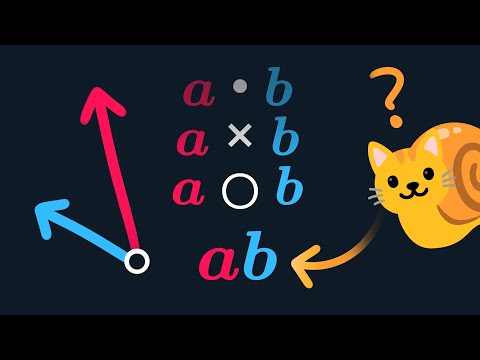
林宜悉 posted on 2026/11/21Ever wondered why math and coding can feel like two different worlds? This talk breaks down the logic behind vector operations while clarifying common terms like the dot product and cross product in a way that finally makes sense for game development. You will pick up plenty of technical vocabulary related to geometry and programming that will help you bridge the gap between art and code.
Learn this video on the APP!
The VoiceTube App has more in-depth practice for videos!