
almost all of
US
UK
- Determiner
- Nearly the entire quantity or number of something.
- Pronoun
- Nearly every person in a group.
A1Moreat the same time
US
UK
- Phrase
- Simultaneously; at the identical moment.
- Nevertheless; however; used to introduce a contrasting or qualifying statement.
A1Moreback out
US /bæk aʊt/
UK /bæk aut/
- Phrasal Verb
- To say you will now not do something you promised
A1Moreback up
US /bæk ʌp/
UK /bæk ʌp/
- Phrasal Verb
- To save a copy of your computer data
- To confirm the truth of what someone says
A1Morebased on
US
UK
- Phrasal Verb
- To use something as the foundation or starting point for something else.
- Preposition
- Using something as the main idea or foundation.
- Relying on something as evidence or justification.
A1Morebasically
US /ˈbesɪkəli,-kli/
UK /ˈbeɪsɪkli/
- Adverb
- Used before you explain something simply, clearly
- In essence; when you consider the most important aspects of something.
A2Morecalculate
US /ˈkælkjəˌlet/
UK /'kælkjʊleɪt/
- Transitive Verb
- To find an answer using mathematics
- To make an educated guess about something
B2Morecentered around
US
UK
- Phrasal Verb
- To have (something) as the main subject or focus.
A2Morecoefficient
US /ˌkoʊɪˈfɪʃnt/
UK /ˌkəʊɪˈfɪʃnt/
- Adjective
- Number by which another number is multiplied
B2Morecombination
US /ˌkɑmbəˈneʃən/
UK /ˌkɒmbɪ'neɪʃn/
- Noun
- Series of letters or numbers needed to open a lock
- Act or result of mixing things together
B1Morecomponent
US /kəmˈponənt/
UK /kəmˈpəʊnənt/
- Noun (Countable/Uncountable)
- One of the parts that something is made up of
- A constituent part; ingredient.
- Adjective
- Being a part of something
A2Morecompress
US /kəmˈprɛs/
UK /kəmˈpres/
- Transitive Verb
- To press tightly together
- To make smaller; reduce in time, size etc.
B1Morecompression
US /kəmˈprɛʃən/
UK /kəm'preʃn/
- Uncountable Noun
- Act of reducing something in time, size, quantity
B2Morecontribute
US /kənˈtrɪbjut/
UK /kən'trɪbju:t/
- Verb (Transitive/Intransitive)
- To be a factor in causing something to happen
- To donate, give (money) or help to something
A2Morecurrent
US /ˈkɚrənt, ˈkʌr-/
UK /'kʌrənt/
- Uncountable Noun
- Electricity flowing through wires
- Movement of water in a river, or air in the sky
- Adjective
- Happening or being in the present time
- In general use or accepted by most people.
A2Moredatum
US /ˈdetəm, ˈdætəm, ˈdɑtəm/
UK /ˈdeɪtəm/
- Noun
- Item of factual information
B1Moredepending on
US
UK
- Phrasal Verb
- To rely on for support (financial or emotional)
- Influenced or determined by.
- Preposition
- Subject to; contingent on
- Relying on someone or something for support or assistance.
A2Morediscrete
US /dɪˈskrit/
UK /dɪˈskri:t/
- Adjective
- Separate; composed of distinct parts
- Constituing a separate thing; distinct.
B2TOEICMoredivide
US /dɪˈvaɪd/
UK /dɪ'vaɪd/
- Verb (Transitive/Intransitive)
- To split numbers by another number, e.g. 6 / 2 = 3
- To separate something into equal pieces
- Noun
- A separation or distinction.
A2TOEICMoredo in
US
UK
- Phrasal Verb
- To make completely tired out and exhausted
- To destroy or cause damage to someone
A1Moreencode
US /ɛnˈkod/
UK /ɪn'kəʊd/
- Transitive Verb
- To change a message or information into code
B2Moreessentially
US /ɪˈsenʃəli/
UK /ɪˈsenʃəli/
- Adverb
- Basically; (said when stating the basic facts)
- Used to emphasize the basic truth or fact of a situation.
A2Moreexact
US /ɪɡˈzækt/
UK /ɪɡ'zækt/
- Adjective
- Completely correct; accurate; specific
- Transitive Verb
- To get something, sometimes using force
A2TOEICMorefamiliar
US /fəˈmɪljɚ/
UK /fəˈmɪliə(r)/
- Adjective
- Well-known or easily recognized
- Having a good knowledge of something.
- Noun
- A close friend or associate.
- (In folklore) a spirit, often in animal form, believed to attend and serve a witch.
A2TOEICMorefor a minute
US
UK
- Phrase
- For a short period of time; briefly.
- Used to indicate a sudden realization or thought.
A1Morefor example
US
UK
- Phrase
- As an illustration or instance.
frequency
US /ˈfrikwənsi/
UK /'fri:kwənsɪ/
- Uncountable Noun
- Number of repetitions of (radio or sound) wave
- How often something happens
B1TOEICMorefunction
US /ˈfʌŋkʃən/
UK /'fʌŋkʃn/
- Noun
- Social event, or party such as a wedding
- Mathematical operation used in calculations
- Intransitive Verb
- To serve a certain purpose or role
- To be operating, working or achieving its purpose
A2TOEICMorehave to
US /hæv tu/
UK /ˈhæv tə/
- Auxiliary Verb
- Must do
A1Moreimpact
US /ˈɪmˌpækt/
UK /'ɪmpækt/
- Noun
- A striking effect or result to hit with force
- Act or force of one thing hitting something else
- Verb (Transitive/Intransitive)
- To hit or strike someone or something with force
- To have a strong effect on someone or something.
A2TOEICMorein a row
US /ɪn e ro/
UK /in ə rəu/
- Phrase
- One after another without a break.
- Arranged in a straight line.
- Idiom
- To have an argument.
A1Morein a sense
US /ɪn e sɛns/
UK /in ə sens/
- Phrase
- In one way of thinking; to some extent; in some ways.
B1Morein fact
US /ɪn fækt/
UK /in fækt/
- Adverb
- Used to emphasize the truth of a statement, especially one that contrasts with or contradicts something else.
- Used to introduce a more detailed or surprising piece of information.
- Phrase
- Used to emphasize the truth of a statement, especially one that is surprising or contrary to what might be expected.
C1Morein practice
US /ɪn ˈpræktɪs/
UK /in ˈpræktis/
- Phrase
- In reality or actual use; as opposed to in theory.
A1Morein reverse
US /ɪn rɪˈvɚs/
UK /in riˈvə:s/
- Adverb
- In the opposite direction.
- In the opposite order.
- Phrase
- Moving or operating backwards.
- With the sequence inverted.
B2Moreinteger
US /ˈɪntɪdʒɚ/
UK /ˈɪntɪdʒə(r)/
- Countable Noun
- Math a whole number
B2Moreinverse
US / ˈɪnˌvə:s/
UK /ɪnˈvɜ:s /
- Adjective
- Being the opposite of something else
- Noun
- Thing that is the complete opposite of another
B2Morelook at
US /lʊk æt/
UK /luk æt/
- Phrasal Verb
- To use your eyes to focus on something
- To focus your eyes on something carefully
A1Moremake for
US /mek fɔr/
UK /meik fɔ:/
- Phrasal Verb
- To go to or toward something/someone for a reason
- To result in; cause
A1Moremultiply
US /ˈmʌltəˌplaɪ/
UK /ˈmʌltɪplaɪ/
- Verb (Transitive/Intransitive)
- To increase in number by reproducing/having babies
- To increase something by a large quantity
B1Morenext to
US /nɛkst tu/
UK /nekst tu:/
- Preposition
- Being located along side another
- In comparison with
- Adverb
- Almost; nearly
A1Moreof course
US /ʌv kɔː(r)s/
UK /ɔv kɔː(r)s/
- Adverb
- Sure ; Certainly
- Phrase
- For sure; certainly
A2Moreon the other hand
US
UK
- Phrase
- Considering a different aspect of the matter; alternatively.
A1Moreon the way
US /ɑn ði we/
UK /ɔn ðə wei/
- Phrase
- During the journey to a particular place.
A1Morepixel
US /ˈpɪksəl, -ˌsɛl/
UK /ˈpɪksl/
- Noun
- Small element forming image on TV/computer screen
C1Moreprocess
US /ˈprɑsˌɛs, ˈproˌsɛs/
UK /prə'ses/
- Transitive Verb
- To organize and use data in a computer
- To deal with official forms in the way required
- Noun (Countable/Uncountable)
- Dealing with official forms in the way required
- Set of changes that occur slowly and naturally
A2TOEICMorequality
US /ˈkwɑlɪti/
UK /'kwɒlətɪ/
- Noun (Countable/Uncountable)
- Feature associated with someone or something
- High level of worth or excellence
- Adjective
- Of a high standard
A2TOEICMorerepresent
US /ˌrɛprɪˈzɛnt/
UK /ˌreprɪ'zent/
- Transitive Verb
- To depict art objects, figures, scenes; to portray
- To show or describe something in a particular way
A2TOEICMorereverse
US /rɪˈvɚs/
UK /rɪ'vɜ:s/
- Noun
- Setting that makes the vehicle go backward
- Instance of a significant change, for the worse
- Verb (Transitive/Intransitive)
- To drive a vehicle backward
- To change to an opposite state, way or condition
B1TOEICMorerid
US /rɪd/
UK /rɪd/
- Transitive Verb
- To cause to no longer have (pest, problem)
- Adjective
- Freed or delivered from something.
A2Moreround to
US /raʊnd tə/
UK /raund tə/
- other
- To visit someone's place informally, usually briefly.
B2Moresame time
US
UK
- Phrase
- Occurring simultaneously or at the same point in time.
- At the identical time as before; recurring at a fixed hour.
- Noun
- An equal duration or period.
A1Moreset to
US /sɛt tu/
UK /set tu:/
- Phrasal Verb
- To energetically begin to do, e.g. making a fire
A1Moreshift
US /ʃɪft/
UK /ʃɪft/
- Verb (Transitive/Intransitive)
- To change in position or direction
- To move something from one place to another
- Noun (Countable/Uncountable)
- A change in a persons plans, opinions or beliefs
- Period of work starting at a certain time
A2Moretalking about
US
UK
- Phrasal Verb
- To discuss a particular topic.
- To be constantly mentioning or bringing up a subject.
A1Moretransform
US /trænsˈfɔrm/
UK /træns'fɔ:m/
- Transitive Verb
- To change the shape completely in a good way
- To convert from one form or substance into another.
C2Moreused to
US /juzd tu/
UK /ˈju:st tə/
- Adjective
- Did regularly before, but don't do now
- Auxiliary Verb
- Have done before, but do not do now
A1Morewave down
US /weɪv daʊn/
UK /weɪv daʊn/
- other
- Signal a vehicle to stop by moving your hand.
B2Morewave in
US /weɪv ɪn/
UK /weɪv ɪn/
- other
- Signal or gesture for someone to enter a place.
B2Morewith it
US /wɪð ɪt/
UK /wið it/
- Adjective
- Intelligent, alert, and up-to-date.
- Understanding and knowledgeable about current trends or information.
A1Morewith just
US
UK
- Phrase
- Using only; with no more than.
- Barely; by a narrow margin.
A2More
Vocabulary
- for example: As an illustration or instance.
- look at: To use your eyes to focus on something
- in practice: In reality or actual use; as opposed to in theory.
- in fact: Used to emphasize the truth of a statement, especially one that contrasts with or contradicts something else.
- do in: To make completely tired out and exhausted
- centered around: To have (something) as the main subject or focus.
- next to: Being located along side another
- round to: To visit someone's place informally, usually briefly.
- have to: Must do
- talking about: To discuss a particular topic.
- with it: Intelligent, alert, and up-to-date.
- back up: To save a copy of your computer data
- wave down: Signal a vehicle to stop by moving your hand.
- at the same time: Simultaneously; at the identical moment.
- same time: Occurring simultaneously or at the same point in time.
- based on: To use something as the foundation or starting point for something else.
- wave in: Signal or gesture for someone to enter a place.
- for a minute: For a short period of time; briefly.
- depending on: To rely on for support (financial or emotional)
- set to: To energetically begin to do, e.g. making a fire
- almost all of: Nearly the entire quantity or number of something.
- with just: Using only; with no more than.
- in a row: One after another without a break.
- on the way: During the journey to a particular place.
- used to: Did regularly before, but don't do now
- in reverse: In the opposite direction.
- of course: Sure ; Certainly
- on the other hand : Considering a different aspect of the matter; alternatively.
- make for: To go to or toward something/someone for a reason
- back out: To say you will now not do something you promised
- in a sense: In one way of thinking; to some extent; in some ways.
- sort: To organize things by putting them into groups
- essentially: Basically; (said when stating the basic facts)
- process: To organize and use data in a computer
- basically: Used before you explain something simply, clearly
- impact: A striking effect or result to hit with force
- completely: In every way or as much as possible
- general: Widespread, normal or usual
- sense: Certain mental feeling or emotion
- familiar: Well-known or easily recognized
- exact: Completely correct; accurate; specific
- combination: Series of letters or numbers needed to open a lock
- rid: To cause to no longer have (pest, problem)
- represent: To depict art objects, figures, scenes; to portray
- current: Electricity flowing through wires
- contribute: To be a factor in causing something to happen
- imagine: To think creatively about; form mental picture of
- increase: To make or become larger in size or amount
- bit: Device put in a horse's mouth to control it
- shift: To change in position or direction
- quality: Feature associated with someone or something
- component: One of the parts that something is made up of
- divide: To split numbers by another number, e.g. 6 / 2 = 3
- reverse: Setting that makes the vehicle go backward
- function: Social event, or party such as a wedding
- effect: An advantage, benefit
- apply: To spread a substance or liquid over a surface
- pretty: Being attractive to the eye in a simple way
- create: To make, cause, or bring into existence
- produce: Fresh foods such as fruits and vegetables
- text: To send a message by phone or other device
- frequency: Number of repetitions of (radio or sound) wave
- lot: What happens to a person in life from chance; fate
- transform: To change the shape completely in a good way
- important: Having power or authority
- multiply: To increase in number by reproducing/having babies
- encode: To change a message or information into code
- calculate: To find an answer using mathematics
- datum: Item of factual information
- compress: To press tightly together
- discrete: Separate; composed of distinct parts
- inverse: Being the opposite of something else
- pixel: Small element forming image on TV/computer screen
- compression: Act of reducing something in time, size, quantity
- integer: Math a whole number
- coefficient: Number by which another number is multiplied
Get the full experience in the app
Learn anywhere with detailed sentence and usage analysis
01:03
She took a brave step forward, leaving behind her comfort zone to chase her dreams.
Vocabulary
- brave
adj. Having courage
- comfort zone
phr. A familiar situation where one feels safe
Explanation
a brave step is a noun phrase, where brave is an adjective modifying the noun step, meaning "a courageous step".
forward is an adverb modifying step, meaning "ahead".
The whole phrase serves as the object, answering the "what" of took (verb) — she took a brave step forward.
Get the full experience in the app
Look up words anytime with pronunciation, part of speech, and usage
brave
US/brev/
UK/breɪv/
adj.Brave
v.t.To bravely face
A2 Elementary
Get the full experience in the app
Practice speaking anytime and get instant pronunciation feedback
Try this speaking exercise.
Try practicing with this sentence.
80
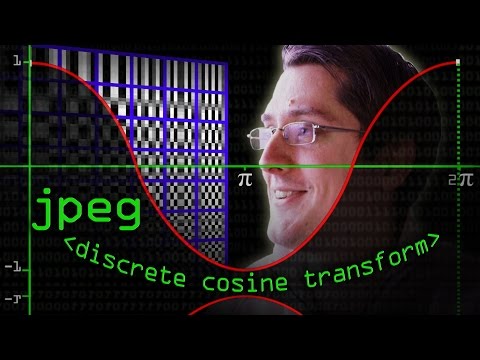
JPEG DCT, Discrete Cosine Transform (JPEG Pt2)- Computerphile
0
林宜悉 posted on 2026/11/21Have you ever wondered how your computer shrinks down massive image files into JPEGs without you noticing? This video breaks down the clever math behind the discrete cosine transform, a process that represents images as combinations of simple waves. It is a fantastic way to sharpen your technical vocabulary while learning exactly how digital compression manages to prioritize the details our eyes actually see.
Learn this video on the APP!
The VoiceTube App has more in-depth practice for videos!