
above the fold
US /əˈbʌv ðə foʊld/
UK /əˈbʌv ðə fəuld/
- other
- Placed in a prominent position seen first, especially on newspapers or websites.
B2Moread
US /æd/
UK /æd/
- Noun (Countable/Uncountable)
- Public notice or advertisement
C2TOEICMorearchitecture
US /ˈɑrkɪˌtɛktʃɚ/
UK /ˈɑ:kɪtektʃə(r)/
- Uncountable Noun
- Design and construction of buildings
- The style or design of a building or buildings.
A2Moreargument
US /ˈɑrɡjəmənt/
UK /ˈɑ:gjumənt/
- Noun (Countable/Uncountable)
- Discussion in which you disagree with someone
- A presentation of reasons for or against an idea
A2TOEICMorearound the world
US /əˈraʊnd ði wɜrld/
UK /əˈraund ðə wɜː(r)ld/
- Phrase
- In or to many countries.
- In various places throughout the world.
A2Moreat least
US /æt list/
UK /æt li:st/
- Adverb
- As a minimum
- Not less than
- Phrase
- No less than; at the minimum
- Used to indicate that something is positive in a bad situation.
C2Moreat some point
US /æt sʌm pɔɪnt/
UK /æt sʌm pɔint/
- Phrase
- At an unspecified time, usually in the future.
A1Moreat work
US /æt wɚk/
UK /æt wə:k/
- Phrase
- Located at one's place of employment
A1Morebring in
US /brɪŋ ɪn/
UK /briŋ in/
- Phrasal Verb
- To earn a certain amount of money or profits
- To add person into existing group, e.g. phone call
A1Morebunch
US /bʌntʃ/
UK /bʌntʃ/
- Noun (Countable/Uncountable)
- A group of things of the same kind
- A group of people.
- Transitive Verb
- To group people or things closely together
B1Moreby design
US
UK
- Phrase
- Intentionally; deliberately.
A2Morecatalog
US /ˈkætlˌɔɡ, -ˌɑɡ/
UK /'kætəlɔ:g/
- Countable Noun
- Book of items that are available for purchase
- Transitive Verb
- To make an organized list of items
B1Moreclarify
US /ˈklærəˌfaɪ/
UK /'klærəfaɪ/
- Transitive Verb
- To make a liquid become clear or pure
- To state again so that a point is clearer
B1Moreclosure
US /ˈkloʊʒə(r)/
UK /ˈkləʊʒə(r)/
- Uncountable Noun
- Feeling of accepting a death, divorce etc.
- Noun (Countable/Uncountable)
- Act of closing something
B2Morecome back
US /kʌm bæk/
UK /kʌm bæk/
- Phrasal Verb
- To reply to someone, often forcefully
- To be remembered
A1Morecommunity
US /kəˈmjunɪti/
UK /kə'mju:nətɪ/
- Noun (Countable/Uncountable)
- Group of people who share a common idea or area
- A feeling of fellowship with others, as a result of sharing common attitudes, interests, and goals.
- Adjective
- Relating to or shared by the people in a particular area.
- Shared or participated in by all members of a group
A2Moreconstructive
US /kənˈstrʌktɪv/
UK /kənˈstrʌktɪv/
- Adjective
- Having positive effective results
B1Morecoordinate with
US
UK
- Phrasal Verb
- To work together efficiently and harmoniously with someone or a group to achieve a common goal.
custom
US /ˈkʌstəm/
UK /ˈkʌstəm/
- Noun (Countable/Uncountable)
- Person's regular, daily habit or practice
- Tradition that most people in a community do
- Adjective
- Specially made to order
- Modified to a particular specification.
A2Moredeal with
US /dil wɪð/
UK /di:l wið/
- Verb (Transitive/Intransitive)
- To buy or sell goods or services.
- Phrasal Verb
- To take action to solve a problem or manage a situation.
- To be about; concern.
A1Moredepending on
US
UK
- Phrasal Verb
- To rely on for support (financial or emotional)
- Influenced or determined by.
- Preposition
- Subject to; contingent on
- Relying on someone or something for support or assistance.
A2Morediscussion
US /dɪˈskʌʃən/
UK /dɪˈskʌʃn/
- Noun (Countable/Uncountable)
- Any long communication about a particular topic
- A detailed treatment of a topic in writing.
A2TOEICMoredraw out
US /drɔ aʊt/
UK /drɔ: aut/
- Phrasal Verb
- To lengthen (far beyond the normal limits)
- To get someone to tell you their real feelings
A1Moredue to
US /du tu/
UK /dju: tu:/
- Preposition
- Because of; owing to
- Adjective
- Attributable to; caused by.
A1Moreelectronic
US /ɪlɛkˈtrɑnɪk, ˌilɛk-/
UK /ɪˌlek'trɒnɪk/
- Adjective
- Operating by use of electricity; digital
- Produced or performed using electronic instruments or devices.
A2Moreelm
US
UK
- Countable Noun
- Type of tree with large, curved branches
B2Moreengage in
US /ɪn'gedʒ ɪn/
UK /ɪnˈɡeɪdʒ in/
- Phrasal Verb
- To participate or become involved in something.
B1Moreengagement
US /ɛnˈɡedʒmənt/
UK /ɪnˈgeɪdʒmənt/
- Noun (Countable/Uncountable)
- Something you must do at a set time; appointment
- Fight between opposing military forces in a war
A2TOEICMoreexpression
US /ɪkˈsprɛʃən/
UK /ɪk'spreʃn/
- Noun (Countable/Uncountable)
- Act of making your thoughts and feelings known
- Group of words that have a specific meaning
A2TOEICMoreface to face
US /fes tu fes/
UK /feis tu: feis/
- Adverb
- (Meeting) while looking at someone
A1Morefall back on
US /fɔl bæk ɑn/
UK /fɔ:l bæk ɔn/
- Phrasal Verb
- To make use of, when you have no other options
A1Morefamily members
US
UK
- Noun (plural)
- People related by blood, marriage, or adoption.
A1Morefeel like
US
UK
- Intransitive Verb
- To have a desire or inclination for something.
- To have a particular quality or sensation; resemble.
A1Morefever pitch
US /ˈfivɚ pɪtʃ/
UK /ˈfi:və pitʃ/
- Noun
- A state of extreme excitement or agitation.
- Adjective
- A very high level of intensity or excitement.
B2Morefigure out
US /ˈfɪɡjɚ aʊt/
UK /ˈfiɡə aut/
- Phrasal Verb
- To understand the behavior of someone
- To think through logically to find a solution
- Verb (Transitive/Intransitive)
- To understand or find an answer to something.
- To find a solution to a problem or understand something.
A1Morefit in
US /fɪt ɪn/
UK /fit in/
- Phrasal Verb
- To mix with others so you get on well with them
A2Morefor example
US
UK
- Phrase
- As an illustration or instance.
found out
US
UK
- Phrasal Verb
- To learn or discover something, often after some effort.
- To become known; be revealed.
B2Morefoundation
US /faʊnˈdeʃən/
UK /faunˈdeiʃən/
- Noun (Countable/Uncountable)
- Base or important starting point
- Underground base on which building is constructed
C1TOEICMorefreedom
US /ˈfridəm/
UK /'fri:dəm/
- Uncountable Noun
- State of being free, not being controlled
B1Morefrontier
US /frʌnˈtɪr, frɑn-, ˈfrʌnˌtɪr, ˈfrɑn-/
UK /'frʌntɪə(r)/
- Noun
- Border crossing between countries
- Most advanced point of development or research
B1TOEICMoreget out of
US /ɡɛt aʊt ʌv/
UK /ɡet aut ɔv/
- Phrasal Verb
- To leave or escape responsibilities, troubles
- To leave a small, enclosed vehicle
A1Morego back to
US /ɡo bæk tu/
UK /ɡəu bæk tu:/
- Phrasal Verb
- To return to a starting point
A1Morego on
US /ɡo ɑn/
UK /ɡəu ɔn/
- Phrasal Verb
- To continue doing something
- To happen (usually negative)
- Interjection
- Used to encourage someone
A1Morego out
US /ɡo aʊt/
UK /ɡəu aut/
- Phrase
- To leave a building (e.g. a house)
- Phrasal Verb
- (Of a fire) to burn out; be extinguished
- Go out of fashion to stop being fashionable
A1Moregoing on
US /ˈɡoɪŋ ɑn/
UK /ˈgəʊɪŋ ɔn/
- Phrasal Verb
- To continue doing something
- To happen (usually negative)
A1Moregot to
US /ɡɑt tu/
UK /gɔt tu:/
- Verb (Transitive/Intransitive)
- To arrive at some place
- To have the opportunity or permission to do something
- Phrasal Verb
- To appeal to the emotions of; move
- To finally begin to start something after a delay
A1Morehave to
US /hæv tu/
UK /ˈhæv tə/
- Auxiliary Verb
- Must do
A1Morehierarchy
US /ˈhaɪəˌrɑrki, ˈhaɪˌrɑr-/
UK /'haɪərɑ:kɪ/
- Noun (Countable/Uncountable)
- Group that manages and controls an organization
- A system for organizing according to importance
B1Morehit upon
US /hɪt əˈpɑn/
UK /hit əˈpɔn/
- Phrasal Verb
- To discover an idea, etc. by chance
- To meet someone unexpectedly.
A1Morein a while
US /ɪn e hwaɪl/
UK /in ə hwail/
- Phrase
- In a short period of time; soon.
- For a short period of time; soon.
A2Morein fact
US /ɪn fækt/
UK /in fækt/
- Adverb
- Used to emphasize the truth of a statement, especially one that contrasts with or contradicts something else.
- Used to introduce a more detailed or surprising piece of information.
- Phrase
- Used to emphasize the truth of a statement, especially one that is surprising or contrary to what might be expected.
C1Morein haste
US /ɪn hest/
UK /in heist/
- Phrase
- With excessive speed or urgency; hurriedly.
in lieu of
US /ɪn lu ʌv/
UK /in lu: ɔv/
- Preposition
- Instead of.
in mind
US /ɪn maɪnd/
UK /in maind/
- Phrase
- Being aware of or considering something.
- To remember or consider something.
A2Morein order to
US /ɪn ˈɔrdɚ tu/
UK /in ˈɔ:də tu:/
- Preposition
- For the purpose of; with the aim of.
- Phrase
- In a specific sequence or arrangement.
- With the aim of; for the purpose of.
C1Morein person
US /ɪn ˈpɜːrsn/
UK /in ˈpɜːsn/
- Adverb
- Physically present; not by proxy or remotely.
- Face-to-face; not through electronic communication.
A1Morein practice
US /ɪn ˈpræktɪs/
UK /in ˈpræktis/
- Phrase
- In reality or actual use; as opposed to in theory.
A1Morein real life
US /ɪn ˈriəl laɪf/
UK /in riəl laif/
- Phrase
- In the physical world; not online or in a fictional setting.
- Actually; genuinely; not made up or fictional.
A2Morein the world
US /ɪn ði wɜrld/
UK /in ðə wɜː(r)ld/
- Phrase
- Used to emphasize a question expressing surprise, confusion, disbelief
- Used to indicate the extent or degree of something, often in a superlative sense
A1Moreinfluential
US /ˌɪnfluˈɛnʃəl/
UK /ˌɪnfluˈenʃl/
- Adjective
- Having the power to cause change; having influence
A2Moreinstead of
US /ɪnˈstɛd ʌv/
UK /inˈsted ɔv/
- Preposition
- When one thing is replaced by another
- Adverb
- As a substitute or alternative.
A1Moreintellectual
US /ˌɪntlˈɛktʃuəl/
UK /ˌɪntəˈlektʃuəl/
- Noun (Countable/Uncountable)
- connected with or using a person’s ability to think in a logical way and understand things
- a person who is well educated and enjoys activities in which they have to think seriously about things
- Adjective
- Relating to the intellect or mental understanding.
- Appealing to or requiring the use of the intellect.
B1Morejump around
US
UK
- Phrasal Verb
- To move about restlessly or energetically; to leap or skip about.
- To switch rapidly between different topics or activities.
A2Morelean into
US
UK
- Phrasal Verb
- To bend or move your body closer to something, often for support or to get a better view.
- To embrace or fully engage with something, especially something difficult or challenging.
B2Moreleft out
US
UK
- Phrasal Verb
- To forget; omit
- To exclude someone or something; to not include.
A1Morelieu of
US
UK
- Preposition
- Instead of
like fun
US /laɪk fʌn/
UK /laɪk fʌn/
- other
- Very fast or with great effort or enthusiasm.
B2Morelook at
US /lʊk æt/
UK /luk æt/
- Phrasal Verb
- To use your eyes to focus on something
- To focus your eyes on something carefully
A1Morelook into
US /lʊk ˈɪntu/
UK /luk ˈɪntuː/
- Phrasal Verb
- To investigate or try to discover the reasons for
A1Morelook to
US
UK
- Phrasal Verb
- Be looking to. be planning to (do something)
- To expect someone to do something for you; rely on
A1Moremess with
US
UK
- Verb (Transitive/Intransitive)
- To interfere with or tamper with something.
- To provoke or annoy someone.
- Phrasal Verb
- To interfere with or tamper with something.
- To tease, provoke, or annoy someone.
B1Moremope around
US /moʊp əˈraʊnd/
UK /məup əˈraund/
- other
- To wander about slowly looking unhappy or depressed.
B2Morenudge
US /nʌdʒ/
UK /nʌdʒ/
- Transitive Verb
- To touch or push something gently
B2Morenumber of people
US /ˈnʌmbɚ ʌv ˈpipəl/
UK /ˈnʌmbə ɔv ˈpi:pl/
- Phrase
- The total count of individuals within a group or gathering.
- A statistical figure representing the population size or a subset thereof.
A1Moreon the ground
US
UK
- Phrase
- Located on the surface of the earth.
- Present and available in a particular place, especially to deal with a situation.
on the internet
US
UK
- Phrase
- Located or available on the internet.
- Using the internet as a medium or platform.
A1Moreon the street
US /ɑn ði strit/
UK /ɔn ðə stri:t/
- Phrase
- Located on or along a public road in a town or city.
- Available or circulating, especially illegally or unofficially.
A1Moreon the whole
US /ɑn ði hol/
UK /ɔn ðə həul/
- Phrase
- Considering everything; generally.
- In summary; taking everything into consideration.
A1Moreon to
US /ɑn tu/
UK /ɔn tu:/
- Preposition
- Toward something; forward
- Aware of someone's activities.
- Adjective
- Aware of someone's deception or illegal activities.
A1Moreonce in a while
US //wʌns ɪn ə waɪl//
UK
- Phrase
- Occasionally; not very often.
- Occasionally; not very often.
A2Moreout of control
US /aʊt ʌv kənˈtrol/
UK /aut ɔv kənˈtrəul/
- Adjective
- Impossible to manage or control.
- Not able to be directed or steered.
A1Moreout of time
US /aʊt ʌv taɪm/
UK /aut ɔv taim/
- Adjective
- Having no more time available to do something.
A1Moreout of work
US /aʊt ʌv wɚk/
UK /aut ɔv wə:k/
- Phrase
- Adjective
- Unemployed; without a job
A1Moreout there
US /aʊt ðɛr/
UK /aut ðɛə/
- Adverb
- In or to a place that is far away
- Existing in the universe
- Adjective
- Unconventional; strange; avant-garde
- Existing or available.
A1Morepathway
US /ˈpæθˌwe, ˈpɑθ-/
UK /ˈpɑ:θweɪ/
- Noun (Countable/Uncountable)
- A path or way that you can walk
B1Morepattern
US /ˈpætən/
UK /'pætn/
- Noun (Countable/Uncountable)
- Model to follow in making or doing something
- Colors or shapes which are repeated on objects
- Transitive Verb
- To copy the way something else is made
- To decorate with a pattern.
A2TOEICMorepick out
US /pɪk aʊt/
UK /pik aut/
- Phrasal Verb
- To choose or select one item from many
- To distinguish or recognize something or someone from a group.
A1Moreprocess
US /ˈprɑsˌɛs, ˈproˌsɛs/
UK /prə'ses/
- Transitive Verb
- To organize and use data in a computer
- To deal with official forms in the way required
- Noun (Countable/Uncountable)
- Dealing with official forms in the way required
- Set of changes that occur slowly and naturally
A2TOEICMorerather than
US
UK
- Adverb
- More exactly; more correctly
- Preferably; instead
- Preposition
- Instead of
A1Morerelate
US /rɪˈlet/
UK /rɪ'leɪt/
- Transitive Verb
- To demonstrate a logical relationship between
- To understand or sympathize with, e.g. a problem
A2TOEICMoreright in front
US
UK
- Phrase
- Directly ahead; in a position immediately before someone or something.
- In a position where something is easily visible or obvious.
A2Moresearch for
US /sɚtʃ fɔr/
UK /sə:tʃ fɔ:/
- Phrasal Verb
- To try to find someone or something.
B1Moresee in
US /si ɪn/
UK /si: in/
- Phrasal Verb
- To accompany someone to the entrance of a building or room.
A1Moreset up
US /sɛt ʌp/
UK /set ʌp/
- Phrasal Verb
- To make arrangements for something; establish
- Verb (Transitive/Intransitive)
- To arrange or prepare something for use.
- To start a business, organization, etc.
A1Moreslip into
US /slɪp ˈɪntu/
UK /slip ˈɪntuː/
- Phrasal Verb
- To quickly put on (a piece of clothing).
- To gradually enter a particular state or situation, especially a negative one.
A1Moresource
US /sɔrs, sors/
UK /sɔ:s/
- Noun (Countable/Uncountable)
- Piece of information; a person giving information
- Place from which something necessary comes
- Adjective
- Produces or provides what is wanted or needed
A2TOEICMorespeak to
US /spik tu/
UK /spi:k tu:/
- Verb (Transitive/Intransitive)
- To address or communicate with someone.
- To indicate or suggest something; to be relevant to.
A1Morespend
US /spɛnd/
UK /spend/
- Transitive Verb
- To use money to pay for something
- To use time in order to do something
A2TOEICMorestep back
US /stɛp bæk/
UK /step bæk/
- Phrasal Verb
- To move backwards; to move away from something.
- To take a break from something; to gain perspective.
A1Morestuff
US /stʌf/
UK /stʌf/
- Uncountable Noun
- Generic description for things, materials, objects
- Transitive Verb
- To push material inside something, with force
B1Moresuch as
US /sʌtʃ æz/
UK /sʌtʃ æz/
- Preposition
- For example; like
A1Moretalking about
US
UK
- Phrasal Verb
- To discuss a particular topic.
- To be constantly mentioning or bringing up a subject.
A1Moreterrible
US /ˈtɛrəbəl/
UK /ˈterəbl/
- Adjective
- Very bad; horrible
- Causing great fear; frightening
A2TOEICMorethink about
US /θɪŋk əˈbaʊt/
UK /θiŋk əˈbaut/
- Phrasal Verb
- To consider something carefully.
- To remember or call to mind.
A1Morethink of
US /θɪŋk ʌv/
UK /θiŋk ɔv/
- Phrasal Verb
- To look on as (being something specific); consider
- To consider or remember something.
- Verb (Transitive/Intransitive)
- To imagine or call something to mind
A1Moreto the point
US /tu ði pɔɪnt/
UK /tu: ðə pɔint/
- Adjective
- Expressing something directly and without unnecessary detail.
- Phrase
- Relevant and pertinent to the matter at hand.
A2Moretry out
US /traɪ aʊt/
UK /trai aut/
- Phrasal Verb
- To try to win a place on a team in a group
- To test briefly to determine how well it works
A1Moreup against
US /ʌp əˈɡenst/
UK /ʌp əˈɡenst/
- Phrase
- Facing or contending with something difficult or challenging.
- In close proximity or contact with something.
viral
US /ˈvaɪrəl/
UK /ˈvaɪrəl/
- Adjective
- Of or caused by a virus
- Becoming very popular by circulating quickly from person to person, especially through the Internet.
B2Moreway to go
US /we tu ɡo/
UK /wei tu: ɡəu/
- Interjection
- An expression of encouragement or approval.
- An expression of sarcasm after someone has made a mistake.
A1Morework at
US /wɚk æt/
UK /wə:k æt/
- Phrasal Verb
- To have a job at a particular place or organization.
- To make an effort to improve something.
A1Morework in
US /wɚk ɪn/
UK /wə:k in/
- Phrasal Verb
- To make an opening for something in your schedule
- To fit person/thing into a schedule or sequence
A1Morework on
US /wɚk ɑn/
UK /wə:k ɔn/
- Phrasal Verb
- To devote effort to improve or develop something
- To try to persuade or influence someone.
A1Morework out
US /wɚk aʊt/
UK /wə:k aut/
- Phrasal Verb
- To find a way to do something, by thinking
A1Morework over
US /wɝk ˈoʊvɚ/
UK /wɜ:k ˈəuvə/
- other
- To physically attack or beat someone severely.
- To revise, review, or improve something by careful effort.
B2Morework together
US /wɚk təˈɡɛðɚ/
UK /wə:k təˈɡeðə/
- Verb (Transitive/Intransitive)
- To collaborate or cooperate with others to achieve a common goal.
A1Moreyell
US /jɛl/
UK /jel/
- Noun
- A sudden loud cry or shout
- Intransitive Verb
- To shout loudly at someone in pain or excitement
B1More
Vocabulary
- have to: Must do
- instead of: When one thing is replaced by another
- going on: To continue doing something
- look at: To use your eyes to focus on something
- on to: Toward something; forward
- deal with
- step back: To move backwards; to move away from something.
- work on: To devote effort to improve or develop something
- think about: To consider something carefully.
- set up
- think of: To look on as (being something specific); consider
- go on: To continue doing something
- feel like: To have a desire or inclination for something.
- rather than: More exactly; more correctly
- such as: For example; like
- go back to: To return to a starting point
- at least: As a minimum
- on the street: Located on or along a public road in a town or city.
- at work: Located at one's place of employment
- depending on: To rely on for support (financial or emotional)
- go out: To leave a building (e.g. a house)
- try out: To try to win a place on a team in a group
- number of people: The total count of individuals within a group or gathering.
- in real life: In the physical world; not online or in a fictional setting.
- on the internet: Located or available on the internet.
- look to: Be looking to. be planning to (do something)
- in fact: Used to emphasize the truth of a statement, especially one that contrasts with or contradicts something else.
- in the world: Used to emphasize a question expressing surprise, confusion, disbelief
- work together: To collaborate or cooperate with others to achieve a common goal.
- in practice: In reality or actual use; as opposed to in theory.
- coordinate with: To work together efficiently and harmoniously with someone or a group to achieve a common goal.
- speak to: To address or communicate with someone.
- found out: To learn or discover something, often after some effort.
- in lieu of: Instead of.
- lieu of: Instead of
- work over: To physically attack or beat someone severely.
- talking about: To discuss a particular topic.
- out of work
- family members: People related by blood, marriage, or adoption.
- work in: To make an opening for something in your schedule
- in order to: For the purpose of; with the aim of.
- to the point: Expressing something directly and without unnecessary detail.
- in mind: Being aware of or considering something.
- out there: In or to a place that is far away
- fit in: To mix with others so you get on well with them
- on the whole: Considering everything; generally.
- draw out: To lengthen (far beyond the normal limits)
- figure out: To understand the behavior of someone
- got to: To arrive at some place
- in haste: With excessive speed or urgency; hurriedly.
- fever pitch: A state of extreme excitement or agitation.
- engage in: To participate or become involved in something.
- left out: To forget; omit
- due to: Because of; owing to
- look into: To investigate or try to discover the reasons for
- right in front: Directly ahead; in a position immediately before someone or something.
- around the world: In or to many countries.
- up against: Facing or contending with something difficult or challenging.
- bring in: To earn a certain amount of money or profits
- lean into: To bend or move your body closer to something, often for support or to get a better view.
- in a while: In a short period of time; soon.
- once in a while: Occasionally; not very often.
- like fun: Very fast or with great effort or enthusiasm.
- way to go: An expression of encouragement or approval.
- search for: To try to find someone or something.
- for example: As an illustration or instance.
- above the fold: Placed in a prominent position seen first, especially on newspapers or websites.
- mess with: To interfere with or tamper with something.
- by design: Intentionally; deliberately.
- see in: To accompany someone to the entrance of a building or room.
- work out
- mope around: To wander about slowly looking unhappy or depressed.
- work at: To have a job at a particular place or organization.
- come back: To reply to someone, often forcefully
- in person: Physically present; not by proxy or remotely.
- at some point: At an unspecified time, usually in the future.
- face to face: (Meeting) while looking at someone
- jump around: To move about restlessly or energetically; to leap or skip about.
- out of control: Impossible to manage or control.
- on the ground: Located on the surface of the earth.
- get out of: To leave or escape responsibilities, troubles
- pick out: To choose or select one item from many
- out of time: Having no more time available to do something.
- hit upon: To discover an idea, etc. by chance
- slip into: To quickly put on (a piece of clothing).
- fall back on: To make use of, when you have no other options
- stuff: Generic description for things, materials, objects
- sort: To organize things by putting them into groups
- process: To organize and use data in a computer
- bunch: A group of things of the same kind
- expression: Act of making your thoughts and feelings known
- pattern: Model to follow in making or doing something
- experience: Thing a person has done or that happened to them
- sense: Certain mental feeling or emotion
- community: Group of people who share a common idea or area
- intellectual: connected with or using a person’s ability to think in a logical way and understand things
- environment: Natural world in which plants and animals live
- viral: Of or caused by a virus
- bit: Device put in a horse's mouth to control it
- hierarchy: Group that manages and controls an organization
- deal: To cope with something - usually troubles
- foundation: Base or important starting point
- behavior: The way a person or thing acts; manner
- architecture: Design and construction of buildings
- labor: To struggle to do something because it's difficult
- pretty: Being attractive to the eye in a simple way
- create: To make, cause, or bring into existence
- engagement: Something you must do at a set time; appointment
- nudge: To touch or push something gently
- relate: To demonstrate a logical relationship between
- argument: Discussion in which you disagree with someone
- project: To predict what will happen in the future
- influential: Having the power to cause change; having influence
- source: Piece of information; a person giving information
- lot: What happens to a person in life from chance; fate
- important: Having power or authority
- place: To put someone in a particular type of situation
- kind: In a caring and helpful manner
- spend: To use money to pay for something
- terrible: Very bad; horrible
- constructive: Having positive effective results
- custom: Person's regular, daily habit or practice
- clarify: To make a liquid become clear or pure
- electronic: Operating by use of electricity; digital
- frontier: Border crossing between countries
- discussion: Any long communication about a particular topic
- pathway: A path or way that you can walk
- yell: A sudden loud cry or shout
- freedom: State of being free, not being controlled
- closure: Feeling of accepting a death, divorce etc.
- catalog: Book of items that are available for purchase
- ad: Public notice or advertisement
- elm: Type of tree with large, curved branches
Get the full experience in the app
Learn anywhere with detailed sentence and usage analysis
01:03
She took a brave step forward, leaving behind her comfort zone to chase her dreams.
Vocabulary
- brave
adj. Having courage
- comfort zone
phr. A familiar situation where one feels safe
Explanation
a brave step is a noun phrase, where brave is an adjective modifying the noun step, meaning "a courageous step".
forward is an adverb modifying step, meaning "ahead".
The whole phrase serves as the object, answering the "what" of took (verb) — she took a brave step forward.
Get the full experience in the app
Look up words anytime with pronunciation, part of speech, and usage
brave
US/brev/
UK/breɪv/
adj.Brave
v.t.To bravely face
A2 Elementary
Get the full experience in the app
Practice speaking anytime and get instant pronunciation feedback
Try this speaking exercise.
Try practicing with this sentence.
80
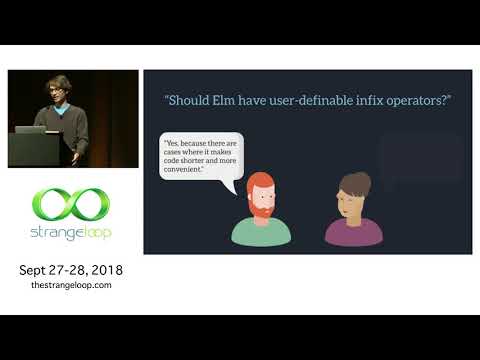
"The Hard Parts of Open Source" by Evan Czaplicki
0
林宜悉 posted on 2026/11/20Ever wonder what goes on behind the scenes of popular open-source projects like Elm? Join creator Evan Czaplicki as he shares the real-world frustrations of building a community, offering you a masterclass in professional communication and navigating complex feedback with phrases like 'on whose authority?' or 'the short answer is.' It’s a great chance to hear a developer speak candidly about the challenges of managing unpaid labor while picking up some authentic, conversational English idioms used in tech discussions.
Learn this video on the APP!
The VoiceTube App has more in-depth practice for videos!