
abide by
US /əˈbaɪd baɪ/
UK /əˈbaid bai/
- Phrasal Verb
- To follow a rule; adhere to
B2Moreabsolutely
US /ˈæbsəˌlutli, ˌæbsəˈlutli/
UK /ˈæbsəlu:tli/
- Adverb
- Completely; totally; very
- Considered independently and without relation to other things; viewed abstractly; as, quantity absolutely considered.
A2Moreabsolutely amazing
US
UK
- Adjective
- Extremely good or impressive; causing great surprise or wonder.
- Remarkably talented or skillful; inspiring awe and admiration.
B1Moreactual
US /ˈæktʃuəl/
UK /ˈæktʃuəl/
- Adjective
- Real or existing in fact, not imagined; real
- Current; existing at the present time.
A2TOEICMoreall over the place
US
UK
- Phrase
- In a state of disorder; scattered everywhere.
- In many different locations; widely distributed.
- Adjective
- Mentally or emotionally disorganized; confused or erratic.
A1Moreamazing
US /ə'meɪzɪŋ/
UK /ə'meɪzɪŋ/
- Adjective
- Surprising in a pleasing way
- Transitive Verb
- To cause wonder; to surprise completely
A2Moreanswer to
US
UK
- Phrasal Verb
- To be responsible to someone and have to explain your actions to them.
- To correspond to or match a description or requirement.
A1Moreas long as
US /æz lɔŋ æz/
UK /æz lɔŋ æz/
- Conjunction
- For the period that; provided that.
- For the length of time that
- Preposition
- On the condition that; providing that.
- Having the same length as.
A1Moreas much a
US
UK
- Adverb
- To the same degree or extent.
B1Moreat night
US /æt naɪt/
UK /æt nait/
- Phrase
- During the night; in the nighttime.
A1Morebased on
US
UK
- Phrasal Verb
- To use something as the foundation or starting point for something else.
- Preposition
- Using something as the main idea or foundation.
- Relying on something as evidence or justification.
A1Morebe with
US /bi wɪð/
UK /bi: wið/
- Phrasal Verb
- To accompany someone; to be in someone's presence.
- To support someone's opinion or cause.
A1Morebear with me
US
UK
- Phrasal Verb
- Be patient with me.
A2Morebook on
US
UK
- Noun
- A book about a particular subject.
- Verb (Transitive/Intransitive)
- To place a bet on something.
A1Morebug
US /bʌɡ/
UK /bʌɡ/
- Transitive Verb
- To bother someone
- To hide an electronic device to spy on someone
- Countable Noun
- An insect
- Problem in the functioning of computer code
B1Moreby doing that
US
UK
- Phrase
- Using that action or method.
A2Morecircuit
US /ˈsɜ:rkɪt/
UK /ˈsɜ:kɪt/
- Noun
- An area where cars race in a circle
- Route for journey all the way around a place
- Intransitive Verb
- To complete a journey all the way round an area
B1Morecloser to home
US
UK
- Phrase
- Nearer to one's place of residence or origin.
- More relevant or pertinent to one's personal life or immediate surroundings.
A1Morecome from
US /kʌm frʌm/
UK /kʌm frɔm/
- Phrasal Verb
- To have as your native country or city
A1Morecomment
US /ˈkɑmɛnt/
UK /'kɒment/
- Noun (Countable/Uncountable)
- Something you say, giving an opinion; remark
- An explanatory note in a computer program.
- Verb (Transitive/Intransitive)
- To say something that gives your opinion
- To add explanatory notes to a computer program.
A2Moreconvey
US /kənˈve/
UK /kən'veɪ/
- Transitive Verb
- To carry or transport something
- To make aware or tell others information
B1Morecouple
US /ˈkʌpəl/
UK /'kʌpl/
- Transitive Verb
- To join something to something else
- (Two animals) to engage in sexual relations
- Noun (Countable/Uncountable)
- Two people in a romantic relationship
- Two of something; two people; a pair
A2Moredying to
US
UK
- Phrase
- Extremely eager or anxious to do or have something.
- To have a very strong desire or need for something.
A1Moreengineering
US /ˌendʒɪˈnɪrɪŋ/
UK /ˌendʒɪˈnɪərɪŋ/
- Uncountable Noun
- The practical application of science to industry
B1Moreera
US /'ɪrə/
UK /'ɪərə/
- Noun
- Period characterized by particular events, people
- A major division of geological time, usually divided into periods.
B1Moreexecute
US /ˈɛksɪˌkjut/
UK /ˈeksɪkju:t/
- Transitive Verb
- To kill someone, usually as an official punishment
- To perform a plan or action
B1TOEICMorefeel like
US
UK
- Intransitive Verb
- To have a desire or inclination for something.
- To have a particular quality or sensation; resemble.
A1Morefigure out
US /ˈfɪɡjɚ aʊt/
UK /ˈfiɡə aut/
- Phrasal Verb
- To understand the behavior of someone
- To think through logically to find a solution
- Verb (Transitive/Intransitive)
- To understand or find an answer to something.
- To find a solution to a problem or understand something.
A1Morefirst three
US
UK
- Determiner
- The initial three items or elements in a series or sequence.
- Adjective
- Referring to the top three positions in a ranking or competition.
A1Morefor too long
US
UK
- Phrase
- For an excessively extended period.
A1Morefork over
US
UK
- Phrasal Verb
- To hand over money or something else, especially when unwillingly.
A2Morefrom scratch
US /frʌm skrætʃ/
UK /frɔm skrætʃ/
- Phrase
- From the very beginning; from nothing.
- From the very beginning; using new materials rather than something that already exists.
A1Morefrom the dead
US /frəm ðə dɛd/
UK /frəm ðə ded/
- other
- Returned to life after being dead.
B2Moregeneration
US /ˌdʒɛnəˈreʃən/
UK /ˌdʒenəˈreɪʃn/
- Noun (Countable/Uncountable)
- Act or process of producing or causing something
- People born and living at about the same time
A2TOEICMorego ahead
US /ɡo əˈhɛd/
UK /ɡəu əˈhed/
- Phrasal Verb
- To start an activity; start doing, working etc.
- To give permission to do something
- Intransitive Verb
- To start or proceed with something
- To proceed despite potential obstacles or doubts.
A1Morego away
US /ɡo əˈwe/
UK /ɡəu əˈwei/
- Phrasal Verb
- To go on vacation
- To leave; depart.
A1Moregoing on
US /ˈɡoɪŋ ɑn/
UK /ˈgəʊɪŋ ɔn/
- Phrasal Verb
- To continue doing something
- To happen (usually negative)
A1Moregone viral
US
UK
- Adjective
- To become very popular by circulating quickly through the Internet.
A1Moregot to
US /ɡɑt tu/
UK /gɔt tu:/
- Verb (Transitive/Intransitive)
- To arrive at some place
- To have the opportunity or permission to do something
- Phrasal Verb
- To appeal to the emotions of; move
- To finally begin to start something after a delay
A1Moregrow up
US /ɡro ʌp/
UK /ɡrəu ʌp/
- Phrasal Verb
- To develop from a child into an adult
A1Morehand up
US
UK
- Phrasal Verb
- To raise one's hand in order to get attention, especially in a classroom.
have to
US /hæv tu/
UK /ˈhæv tə/
- Auxiliary Verb
- Must do
A1Moreherb
US /ɜ:rb/
UK /hɜ:b/
- Noun (Countable/Uncountable)
- Small leafy plant used in medicines or food
B1Morehuge
US /hjudʒ/
UK /hju:dʒ/
- Adjective
- Very very large
A2Morein fact
US /ɪn fækt/
UK /in fækt/
- Adverb
- Used to emphasize the truth of a statement, especially one that contrasts with or contradicts something else.
- Used to introduce a more detailed or surprising piece of information.
- Phrase
- Used to emphasize the truth of a statement, especially one that is surprising or contrary to what might be expected.
C1Morein jest
US /ɪn dʒɛst/
UK /ɪn dʒest/
- other
- Said as a joke, not seriously.
B2Morein particular
US /ɪn pɚˈtɪkjəlɚ/
UK /in pəˈtikjulə/
- Phrase
- Specifically; especially.
- Detailed or precise.
A1Morein perpetuity
US /ɪn ˌpɝpəˈtuɪti/
UK /ɪn ˌpɜ:pəˈtju:ɪti/
- other
- Continuing forever without end.
C1Morein the air
US
UK
- Phrase
- Present or circulating in the atmosphere.
- Felt or sensed by many people; circulating as a rumor or feeling.
- Adjective
- Being broadcast on radio or television.
A1Morein the dark
US /ɪn ði dɑrk/
UK /in ðə dɑ:k/
- Adjective
- Uninformed about something; unaware.
- Phrase
- In a state of secrecy or ignorance.
- In a place with little or no light.
A1Morein the open
US /ɪn ði ˈopən/
UK /in ðə ˈəupən/
- Phrase
- Publicly; not secret.
- Outdoors; not inside a building or covered space.
A1Morein with
US /ɪn wɪð/
UK /in wið/
- Phrase
- Fashionable or popular at the moment.
- Having influence or favor with someone.
- Phrasal Verb
- To introduce or bring something new into a system or organization.
A1Moreinstead of
US /ɪnˈstɛd ʌv/
UK /inˈsted ɔv/
- Preposition
- When one thing is replaced by another
- Adverb
- As a substitute or alternative.
A1Moreinstruction
US /ɪnˈstrʌkʃən/
UK /ɪn'strʌkʃn/
- Noun (Countable/Uncountable)
- A command for someone formally to do something
- Act of teaching or explaining to others
- Uncountable Noun
- Information about how to do or use something
A2TOEICMorejingle
US /ˈdʒɪŋɡəl/
UK /ˈdʒɪŋgl/
- Noun (Countable/Uncountable)
- Light ringing sound like metal things being shaken
- Catchy song as used in ads to sell products
- Intransitive Verb
- To cause light ringing sounds by shaking objects
C1Morejust kind of
US
UK
- Phrase
- Used to express a feeling or state in a vague or hesitant way.
- Used to indicate something is approximately or generally similar to something else.
A2Morekeep it up
US /kip ɪt ʌp/
UK /ki:p it ʌp/
- Phrasal Verb
- To continue doing something well
A1Moreliterature
US /ˈlɪtərəˌtʃʊr, -tʃɚ/
UK /ˈlɪtrətʃə(r)/
- Uncountable Noun
- Writing valued as art, e.g. fiction, drama, poetry
- The body of written works produced in a particular language, country, or age.
A2Morelogical
US /ˈlɑdʒɪkəl/
UK /ˈlɒdʒɪkl/
- Adjective
- Sensible; reasonable
A2Morelook at
US /lʊk æt/
UK /luk æt/
- Phrasal Verb
- To use your eyes to focus on something
- To focus your eyes on something carefully
A1Morelook to
US
UK
- Phrasal Verb
- Be looking to. be planning to (do something)
- To expect someone to do something for you; rely on
A1Moremouth off
US /ˈmaʊθ ɔf/
UK /ˈmauθ ɒf/
- other
- To talk in an angry or rude manner, often complaining or criticizing.
B2Moremuch about
US /mʌtʃ əˈbaʊt/
UK /mʌtʃ əˈbaut/
- Phrase
- A lot of information or knowledge concerning something.
- To a great extent or degree regarding something; caring.
A1Morenarrative
US /ˈnærətɪv/
UK /ˈnærətɪv/
- Noun (Countable/Uncountable)
- The telling of a story
- A spoken or written account of connected events; a story.
- Adjective
- Presented in the form of a story
B1Moreno fear
US /no fɪɚ/
UK /nəʊ fɪə/
- other
- Showing confidence or bravery; not afraid.
B1Moreno matter
US
UK
- Conjunction
- Regardless of; it does not matter.
- Adverb
- Regardless of; it is not important
A1Morenumber of people
US /ˈnʌmbɚ ʌv ˈpipəl/
UK /ˈnʌmbə ɔv ˈpi:pl/
- Phrase
- The total count of individuals within a group or gathering.
- A statistical figure representing the population size or a subset thereof.
A1Moreof a kind
US /ʌv e kaɪnd/
UK /ɔv ə kaind/
- Adjective
- Unique; not like anything else
- Phrase
- Sharing similar characteristics or qualities; alike
A1Moreof course
US /ʌv kɔː(r)s/
UK /ɔv kɔː(r)s/
- Adverb
- Sure ; Certainly
- Phrase
- For sure; certainly
A2Moreof old
US /ʌv oʊld/
UK /əv əuld/
- other
- From a long time ago; in the past.
B2Moreon rails
US /ɑn reɪlz/
UK /ɔn reilz/
- other
- Progressing smoothly and correctly as planned.
B2Moreon the internet
US
UK
- Phrase
- Located or available on the internet.
- Using the internet as a medium or platform.
A1Moreopt in
US
UK
- Phrasal Verb
- To choose to participate in something; to give explicit consent.
A1Moreoral
US /ˈɔrəl/
UK /ˈɔ:rəl/
- Adjective
- Concerning the mouth
- Spoken text
B1Moreoutside of
US /aʊtˈsaɪd ʌv/
UK /ˌautˈsaid ɔv/
- Preposition
- Located or situated beyond the boundaries or confines of something.
- Beyond the scope, range, or limits of something.
A1Morepresentation
US /ˌprɛzənˈteʃən, ˌprizən-/
UK /ˌpreznˈteɪʃn/
- Noun (Countable/Uncountable)
- Act of giving a formal talk about something
- Way in which something is displayed or shown
A2Moreproprietary
US /prəˈpraɪəteri/
UK /prəˈpraɪətri/
- Adjective
- Protected by trademark, patent or copyright
B2Moreput it down
US
UK
- Phrasal Verb
- To place something on a surface.
- To write something down.
A1Moreput together
US /pʊt təˈɡɛðɚ/
UK /put təˈɡeðə/
- Phrasal Verb
- To build or assemble something small, e.g. a toy
- To organize or arrange something.
A1Moreread over
US
UK
- Phrasal Verb
- To review or examine something carefully.
- To read something quickly and superficially.
A1Moreright for
US
UK
- Adjective
- Suitable or appropriate for a particular person, purpose, or situation.
- Correct or most appropriate.
A1Moreroger that
US
UK
- Interjection
- Acknowledge and confirm receipt and understanding of a message or instruction.
- Indicates compliance or affirmation, often used in radio communications.
A1Moreshow of hands
US
UK
- Noun
- A way of voting in which people raise their hands to show that they support something.
A1Moreshut down
US /ʃʌt daʊn/
UK /ʃʌt daun/
- Phrasal Verb
- To close an operating system, e.g. on a computer
- To stop a factory/machine from operating
- Transitive Verb
- To deactivate a nuclear reactor.
- To turn off a computer or other electronic device.
A2Moreshut up
US /ʃʌt ʌp/
UK /ʃʌt ʌp/
- Phrasal Verb
- To close something, e.g. a shop
- To (cause someone to) be silent or not speak
- Interjection
- An expression of disbelief or surprise
A2Moresoul
US /sol/
UK /səʊl/
- Noun
- Central or basic part of something
- Strong, deep emotion in speech or performance
A2Moresource
US /sɔrs, sors/
UK /sɔ:s/
- Noun (Countable/Uncountable)
- Piece of information; a person giving information
- Place from which something necessary comes
- Adjective
- Produces or provides what is wanted or needed
A2TOEICMorespeak to
US /spik tu/
UK /spi:k tu:/
- Verb (Transitive/Intransitive)
- To address or communicate with someone.
- To indicate or suggest something; to be relevant to.
A1Morestay up
US /ste ʌp/
UK /stei ʌp/
- Phrasal Verb
- To not go to bed until late
A1Morestuff
US /stʌf/
UK /stʌf/
- Uncountable Noun
- Generic description for things, materials, objects
- Transitive Verb
- To push material inside something, with force
B1Moresurvive
US /sɚˈvaɪv/
UK /sə'vaɪv/
- Intransitive Verb
- To continue to live despite illness or trouble
A2TOEICMoreswitch
US /swɪtʃ/
UK /swɪtʃ/
- Noun
- A change or shift from one method to another
- Thing you move to turn electrical items on or off
- Transitive Verb
- To exchange or replace something for another thing
A2TOEICMoretake it out of
US /teɪk ɪt aʊt əv/
UK /teɪk ɪt aʊt ɒv/
- other
- To cause someone to feel very tired or exhausted.
B2Moretalking about
US
UK
- Phrasal Verb
- To discuss a particular topic.
- To be constantly mentioning or bringing up a subject.
A1Morethink about
US /θɪŋk əˈbaʊt/
UK /θiŋk əˈbaut/
- Phrasal Verb
- To consider something carefully.
- To remember or call to mind.
A1Morethink of
US /θɪŋk ʌv/
UK /θiŋk ɔv/
- Phrasal Verb
- To look on as (being something specific); consider
- To consider or remember something.
- Verb (Transitive/Intransitive)
- To imagine or call something to mind
A1Morethreat to
US
UK
- Phrase
- A person or thing likely to cause damage or danger.
- A statement of an intention to inflict pain, injury, damage, or other hostile action on someone in retribution for or opposition to something done or not done.
B2Moreto death
US /tu dɛθ/
UK /tu: deθ/
- Phrase
- Extremely; to a great degree
- Until death
B1Moreto do with
US
UK
- Phrasal Verb
- To be about something; concern
A1Moreto let
US /tu lɛt/
UK /tu let/
- Preposition
- Indicates that a property is available for rent.
A2Moreto the point
US /tu ði pɔɪnt/
UK /tu: ðə pɔint/
- Adjective
- Expressing something directly and without unnecessary detail.
- Phrase
- Relevant and pertinent to the matter at hand.
A2Moretradition
US /trəˈdɪʃən/
UK /trəˈdɪʃn/
- Noun (Countable/Uncountable)
- An event, custom or way common to a people or race
- Way of thinking or behaving used for a long time
B1TOEICMoretuck in
US /tʌk ɪn/
UK /tʌk in/
- Phrasal Verb
- To start to eat a meal
- To start eating enthusiastically.
B1Moretv show
US /ˈtiˈvi ʃo/
UK /ˈti:ˈvi: ʃəu/
- Noun
- A television program.
viral
US /ˈvaɪrəl/
UK /ˈvaɪrəl/
- Adjective
- Of or caused by a virus
- Becoming very popular by circulating quickly from person to person, especially through the Internet.
B2Morewarts and all
US /wɔrts ænd ɔl/
UK /wɔ:ts ænd ɔ:l/
- other
- Including all faults or imperfections; completely honest.
B2Morewith it
US /wɪð ɪt/
UK /wið it/
- Adjective
- Intelligent, alert, and up-to-date.
- Understanding and knowledgeable about current trends or information.
A1Morewithin reason
US /wɪðˈɪn ˈrizən/
UK /wiˈðin ˈri:zən/
- Phrase
- Within acceptable or sensible limits; not exceeding what is fair or appropriate.
B1Morework in
US /wɚk ɪn/
UK /wə:k in/
- Phrasal Verb
- To make an opening for something in your schedule
- To fit person/thing into a schedule or sequence
A1Morewrap up
US /ræp ʌp/
UK /ræp ʌp/
- Phrasal Verb
- To complete something, such as a film or project
- To finish; bring something to a conclusion
- Transitive Verb
- To enclose (something) in paper or soft material.
B1Morewrite in
US
UK
- Phrasal Verb
- To add text to a document or form.
- To vote for a candidate whose name is not printed on the ballot by writing it in.
A1More
Vocabulary
- go away: To go on vacation
- of course: Sure ; Certainly
- look at: To use your eyes to focus on something
- work in: To make an opening for something in your schedule
- talking about: To discuss a particular topic.
- outside of: Located or situated beyond the boundaries or confines of something.
- have to: Must do
- in particular: Specifically; especially.
- on the internet: Located or available on the internet.
- in jest: Said as a joke, not seriously.
- in fact: Used to emphasize the truth of a statement, especially one that contrasts with or contradicts something else.
- closer to home: Nearer to one's place of residence or origin.
- from scratch: From the very beginning; from nothing.
- figure out: To understand the behavior of someone
- go ahead: To start an activity; start doing, working etc.
- shut up: To close something, e.g. a shop
- tv show: A television program.
- got to: To arrive at some place
- come from: To have as your native country or city
- be with: To accompany someone; to be in someone's presence.
- with it: Intelligent, alert, and up-to-date.
- much about: A lot of information or knowledge concerning something.
- of old: From a long time ago; in the past.
- just kind of: Used to express a feeling or state in a vague or hesitant way.
- dying to: Extremely eager or anxious to do or have something.
- answer to: To be responsible to someone and have to explain your actions to them.
- book on: A book about a particular subject.
- take it out of: To cause someone to feel very tired or exhausted.
- bear with me: Be patient with me.
- in the air: Present or circulating in the atmosphere.
- write in: To add text to a document or form.
- as much a: To the same degree or extent.
- grow up: To develop from a child into an adult
- think of: To look on as (being something specific); consider
- to do with: To be about something; concern
- feel like: To have a desire or inclination for something.
- to let: Indicates that a property is available for rent.
- instead of: When one thing is replaced by another
- warts and all: Including all faults or imperfections; completely honest.
- shut down: To close an operating system, e.g. on a computer
- at night: During the night; in the nighttime.
- in the dark: Uninformed about something; unaware.
- no fear: Showing confidence or bravery; not afraid.
- absolutely amazing: Extremely good or impressive; causing great surprise or wonder.
- read over: To review or examine something carefully.
- on rails: Progressing smoothly and correctly as planned.
- based on: To use something as the foundation or starting point for something else.
- number of people: The total count of individuals within a group or gathering.
- first three: The initial three items or elements in a series or sequence.
- gone viral: To become very popular by circulating quickly through the Internet.
- for too long: For an excessively extended period.
- put together: To build or assemble something small, e.g. a toy
- mouth off: To talk in an angry or rude manner, often complaining or criticizing.
- put it down: To place something on a surface.
- threat to: A person or thing likely to cause damage or danger.
- in perpetuity: Continuing forever without end.
- all over the place: In a state of disorder; scattered everywhere.
- fork over: To hand over money or something else, especially when unwillingly.
- show of hands: A way of voting in which people raise their hands to show that they support something.
- hand up: To raise one's hand in order to get attention, especially in a classroom.
- keep it up: To continue doing something well
- as long as: For the period that; provided that.
- stay up: To not go to bed until late
- from the dead: Returned to life after being dead.
- roger that: Acknowledge and confirm receipt and understanding of a message or instruction.
- no matter: Regardless of; it does not matter.
- to the point: Expressing something directly and without unnecessary detail.
- look to: Be looking to. be planning to (do something)
- abide by: To follow a rule; adhere to
- to death: Extremely; to a great degree
- of a kind: Unique; not like anything else
- going on: To continue doing something
- in with: Fashionable or popular at the moment.
- tuck in: To start to eat a meal
- within reason: Within acceptable or sensible limits; not exceeding what is fair or appropriate.
- right for: Suitable or appropriate for a particular person, purpose, or situation.
- speak to: To address or communicate with someone.
- wrap up: To complete something, such as a film or project
- in the open: Publicly; not secret.
- think about: To consider something carefully.
- opt in: To choose to participate in something; to give explicit consent.
- by doing that: Using that action or method.
- stuff: Generic description for things, materials, objects
- absolutely: Completely; totally; very
- sense: Certain mental feeling or emotion
- develop: To explain something in steps and in detail
- comment: Something you say, giving an opinion; remark
- narrative: The telling of a story
- viral: Of or caused by a virus
- bit: Device put in a horse's mouth to control it
- presentation: Act of giving a formal talk about something
- convey: To carry or transport something
- mean: Average of a set of numbers
- explain: To make clear or easy to understand by describing
- huge: Very very large
- survive: To continue to live despite illness or trouble
- reason: To think and make conclusions in a logical manner
- couple: To join something to something else
- switch: A change or shift from one method to another
- actual: Real or existing in fact, not imagined; real
- generation: Act or process of producing or causing something
- record: Highest or most extreme level achieved
- era: Period characterized by particular events, people
- source: Piece of information; a person giving information
- literature: Writing valued as art, e.g. fiction, drama, poetry
- instruction: A command for someone formally to do something
- lot: What happens to a person in life from chance; fate
- important: Having power or authority
- kind: In a caring and helpful manner
- learn: To get knowledge or skills by study or experience
- logical: Sensible; reasonable
- build: Your physical shape; physique
- soul: Central or basic part of something
- execute: To kill someone, usually as an official punishment
- language: Words or signs used to communicate messages
- program: To make someone act or think in a certain way
- amazing: Surprising in a pleasing way
- wrong: Action that is harmful, unjust or illegal
- circuit: An area where cars race in a circle
- oral: Concerning the mouth
- tradition: An event, custom or way common to a people or race
- bug: To bother someone
- herb: Small leafy plant used in medicines or food
- proprietary: Protected by trademark, patent or copyright
- engineering: The practical application of science to industry
- jingle: Light ringing sound like metal things being shaken
Get the full experience in the app
Learn anywhere with detailed sentence and usage analysis
01:03
She took a brave step forward, leaving behind her comfort zone to chase her dreams.
Vocabulary
- brave
adj. Having courage
- comfort zone
phr. A familiar situation where one feels safe
Explanation
a brave step is a noun phrase, where brave is an adjective modifying the noun step, meaning "a courageous step".
forward is an adverb modifying step, meaning "ahead".
The whole phrase serves as the object, answering the "what" of took (verb) — she took a brave step forward.
Get the full experience in the app
Look up words anytime with pronunciation, part of speech, and usage
brave
US/brev/
UK/breɪv/
adj.Brave
v.t.To bravely face
A2 Elementary
Get the full experience in the app
Practice speaking anytime and get instant pronunciation feedback
Try this speaking exercise.
Try practicing with this sentence.
80
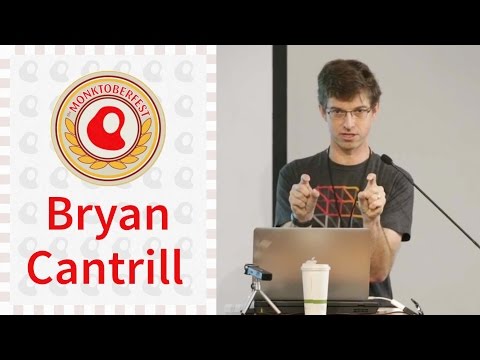
Monktoberfest 2016: Bryan Cantrill - Oral Tradition in Software Engineering
0
林宜悉 posted on 2026/11/19Have you ever wondered how engineering wisdom is passed down like a playground rhyme? Join Bryan Cantrill at Monktoberfest as he explores the fascinating role of oral tradition in software history, offering you a unique chance to pick up industry-specific jargon and storytelling expressions. It is a lively, thought-provoking look at how our human instincts for communication shape the code we build today.
Learn this video on the APP!
The VoiceTube App has more in-depth practice for videos!