
a tremendous amount
US
UK
- Determiner
- A very large quantity or number of something.
B2Moreabsolutely
US /ˈæbsəˌlutli, ˌæbsəˈlutli/
UK /ˈæbsəlu:tli/
- Adverb
- Completely; totally; very
- Considered independently and without relation to other things; viewed abstractly; as, quantity absolutely considered.
A2Moreadversary
US /ˈædvərseri/
UK /ˈædvəsəri/
- Countable Noun
- Opponent who want to fight you for some reason
B2Moreadvice
US /əd'vaɪs/
UK /ədˈvaɪs/
- Uncountable Noun
- Suggestion about what would help someone
- Professional guidance from a lawyer or legal expert.
A2TOEICMoreallocate
US /ˈæləˌket/
UK /ˈæləkeɪt/
- Transitive Verb
- To distribute or set apart for a plan or purpose
B1Moreallocation
US /ˌæləˈkeɪʃn/
UK /ˌæləˈkeɪʃn/
- Uncountable Noun
- Sharing out of work/resources for some purpose
B1Morearchitecture
US /ˈɑrkɪˌtɛktʃɚ/
UK /ˈɑ:kɪtektʃə(r)/
- Uncountable Noun
- Design and construction of buildings
- The style or design of a building or buildings.
A2Morearena
US /əˈrinə/
UK /ə'ri:nə/
- Noun (Countable/Uncountable)
- Place to watch sports, performances, entertainment
B1Morearray
US /ə'reɪ/
UK /əˈreɪ/
- Noun
- A regular order or arrangement of things
- Transitive Verb
- To arrange things in a regular order
B2TOEICMoreas long as
US /æz lɔŋ æz/
UK /æz lɔŋ æz/
- Conjunction
- For the period that; provided that.
- For the length of time that
- Preposition
- On the condition that; providing that.
- Having the same length as.
A1Moreas opposed to
US
UK
- Preposition
- In contrast to; rather than.
- Instead of; in place of.
A1Moreas soon as
US /æz sun æz/
UK /æz su:n æz/
- Phrase
- In a short time after (something happens)
- Without any delay; immediately
- Conjunction
- At the moment that, or immediately after.
A1Moreas with
US /æz wɪð/
UK /æz wið/
- Preposition
- In the same way that something happens or is true of something else.
A1Moreat some point
US /æt sʌm pɔɪnt/
UK /æt sʌm pɔint/
- Phrase
- At an unspecified time, usually in the future.
A1Moreat that time
US /æt ðæt taɪm/
UK /æt ðæt taim/
- Phrase
- During a specific point in the past.
A1Moreat the same time
US
UK
- Phrase
- Simultaneously; at the identical moment.
- Nevertheless; however; used to introduce a contrasting or qualifying statement.
A1Moreautomatically
US /ˌɔtəˈmætɪkl:ɪ/
UK /ˌɔ:tə'mætɪklɪ/
- Adverb
- In a way not requiring control by a person
B1Morebasically
US /ˈbesɪkəli,-kli/
UK /ˈbeɪsɪkli/
- Adverb
- Used before you explain something simply, clearly
- In essence; when you consider the most important aspects of something.
A2Morebug
US /bʌɡ/
UK /bʌɡ/
- Transitive Verb
- To bother someone
- To hide an electronic device to spy on someone
- Countable Noun
- An insect
- Problem in the functioning of computer code
B1Moreby default
US /baɪ dɪˈfɔlt/
UK /bai diˈfɔ:lt/
- Adverb
- Automatically, unless the user specifies otherwise.
- Because of a lack of any other action or choice.
by definition
US /baɪ ˌdɛfəˈnɪʃən/
UK /bai ˌdefiˈniʃən/
- Phrase
- Inherently; as an essential quality or characteristic.
B2Morecharacter
US /ˈkærəktɚ/
UK /'kærəktə(r)/
- Noun
- Person in a story, movie or play
- Writing symbols, e.g. alphabet or Chinese writing
A2Moredatum
US /ˈdetəm, ˈdætəm, ˈdɑtəm/
UK /ˈdeɪtəm/
- Noun
- Item of factual information
B1Moredefault
US /dɪˈfɔlt/
UK /dɪ'fɔ:lt/
- Noun (Countable/Uncountable)
- Automatic setting when no indicated preference
- Failure to meet an agreement or make a payment
- Verb (Transitive/Intransitive)
- To fail to meet as agreed; failure to pay
- To return to a previously determined state
B2TOEICMoredelete
US /diˈlit/
UK /dɪ'li:t/
- Transitive Verb
- To remove or erase something
- Noun
- A key on a computer keyboard used to remove characters or files.
B1TOEICMoredo in
US
UK
- Phrasal Verb
- To make completely tired out and exhausted
- To destroy or cause damage to someone
A1Moreelement
US /ˈɛləmənt/
UK /'elɪmənt/
- Noun (Countable/Uncountable)
- Essential or particular part of something
- A substance that cannot be broken down into simpler substances by chemical means.
A2TOEICMoreentire
US /ɛnˈtaɪr/
UK /ɪn'taɪə(r)/
- Adjective
- Complete or full; with no part left out; whole
- Undivided; not shared or distributed.
A2TOEICMoreflaw in
US
UK
- Noun
- A defect or imperfection in something.
- A weakness or error in an argument or reasoning.
for example
US
UK
- Phrase
- As an illustration or instance.
for some reason
US /fɔr sʌm ˈrizən/
UK /fɔ: sʌm ˈri:zən/
- Phrase
- For a reason that is not known or not easily explained.
A1Morefor the rest
US /fɔr ði rɛst/
UK /fɔ: ðə rest/
- Phrase
- Concerning the remaining people or things.
- During the remaining part of a period of time.
A1Moreframe
US /frem/
UK /freɪm/
- Transitive Verb
- To make a person that is not guilty appear guilty
- To put say or write something in a careful way
- Noun (Countable/Uncountable)
- Structure that holds a picture or photo
- A person's body shape determined by their skeleton
A2TOEICMoregarbage
US /ˈgɑ:rbɪdʒ/
UK /ˈgɑ:bɪdʒ/
- Uncountable Noun
- Waste material that has been thrown out
B1TOEICMoreget out of
US /ɡɛt aʊt ʌv/
UK /ɡet aut ɔv/
- Phrasal Verb
- To leave or escape responsibilities, troubles
- To leave a small, enclosed vehicle
A1Moreget past
US /ɡɛt pæst/
UK /ɡet pɑːst/
- Phrasal Verb
- To overcome an obstacle or difficulty.
- To move beyond someone or something that is blocking your way.
A1Moregoal
US /ɡol/
UK /ɡəʊl/
- Noun (Countable/Uncountable)
- Something you try to do or achieve; an aim
- (Sports) net into which you put a ball to score
A2TOEICMoregoing on
US /ˈɡoɪŋ ɑn/
UK /ˈgəʊɪŋ ɔn/
- Phrasal Verb
- To continue doing something
- To happen (usually negative)
A1Moregot to
US /ɡɑt tu/
UK /gɔt tu:/
- Verb (Transitive/Intransitive)
- To arrive at some place
- To have the opportunity or permission to do something
- Phrasal Verb
- To appeal to the emotions of; move
- To finally begin to start something after a delay
A1Moreguard against
US /ɡɑrd əˈɡenst/
UK /ɡɑ:d əˈɡenst/
- Verb (Transitive/Intransitive)
- To take precautions against something undesirable.
- Phrasal Verb
- To take precautions against something; to protect oneself from something negative.
B1Morehand it out
US /hænd ɪt aʊt/
UK /hænd ɪt aʊt/
- other
- To distribute something to several people by hand.
B1Morehandmade
US /ˈhændˈmed/
UK /ˌhændˈmeɪd/
- Adjective
- Made by hand or a hand process
C2Morehave to
US /hæv tu/
UK /ˈhæv tə/
- Auxiliary Verb
- Must do
A1Morein general
US /ɪn ˈdʒɛnərəl/
UK /in ˈdʒenərəl/
- Phrase
- Typically; usually; on the whole.
- Not specific or detailed; broadly.
- Adjective
- Not detailed or specific; overall.
C2Morein terms of
US
UK
- Phrase
- With regard to; concerning a particular aspect.
A1Morein the middle of
US
UK
- Phrase
- In the central part or point of something.
- Engaged or occupied with something.
A2Morein the past
US
UK
- Phrase
- During a former period of time; previously.
A1Moreindividual
US /ˌɪndəˈvɪdʒuəl/
UK /ˌɪndɪˈvɪdʒuəl/
- Countable Noun
- Single person, looked at separately from others
- A single thing or item, especially when part of a set or group.
- Adjective
- Made for use by one single person
- Having a distinct manner different from others
A2Moreinstead of
US /ɪnˈstɛd ʌv/
UK /inˈsted ɔv/
- Preposition
- When one thing is replaced by another
- Adverb
- As a substitute or alternative.
A1Morejust kind of
US
UK
- Phrase
- Used to express a feeling or state in a vague or hesitant way.
- Used to indicate something is approximately or generally similar to something else.
A2Morelifetime
US /ˈlaɪfˌtaɪm/
UK /ˈlaɪftaɪm/
- Noun (Countable/Uncountable)
- The time between birth and death
- An opportunity that is unlikely to occur again.
- Adjective
- Lasting for the duration of someone's life or the existence of something.
B1Morelike new
US /laɪk nu/
UK /laɪk nju:/
- other
- In very good, almost perfect condition as if unused.
A2Moreliterally
US /ˈlɪtərəli/
UK
- Adverb
- In a literal manner or sense; exactly as stated.
- Used for emphasis to describe something that is actually true, often to highlight surprise or intensity.
B1Morelook at
US /lʊk æt/
UK /luk æt/
- Phrasal Verb
- To use your eyes to focus on something
- To focus your eyes on something carefully
A1Moremicro
US /ˈmaɪkro/
UK /'maɪkrəʊ/
- Noun
- A prefix meaning 'very small'
B2Moremove on
US /muv ɑn/
UK /mu:v ɔn/
- Phrasal Verb
- To decide to change or go to a different place
- To start talking about something different.
A1Moremove out
US /muv aʊt/
UK /mu:v aut/
- Phrasal Verb
- To leave a house or flat permanently.
- To advance from a defensive position.
A2Moreof course
US /ʌv kɔː(r)s/
UK /ɔv kɔː(r)s/
- Adverb
- Sure ; Certainly
- Phrase
- For sure; certainly
A2Moreoff we go
US
UK
- Interjection
- An expression used to indicate the start of a journey or activity.
- Phrase
- An expression used to signal the commencement of an activity or task.
A1Moreout of it
US /aʊt ʌv ɪt/
UK /aut ɔv it/
- Adjective
- Unconscious or not completely alert; dazed or confused.
- Not able to think clearly or react quickly; not with it.
A1Moreoverhead
US /ˌoʊvərˈhed/
UK /ˌəʊvəˈhed/
- Adjective
- Located above your head or in the sky
- Uncountable Noun
- Regular and necessary cost, such as rent and heat
B1TOEICMoreparanoia
US /ˌpærəˈnɔɪə/
UK /ˌpærəˈnɔɪə/
- Uncountable Noun
- Disorder in which you fear people want to harm you
C1Morepast it
US
UK
- Adjective
- No longer capable or effective due to age or declining condition.
- Beyond the point of being useful or functional.
A1Moreperformance
US / pɚˈfɔrməns/
UK /pə'fɔ:məns/
- Noun
- Act of doing something
- Activity done to entertain an audience
A2TOEICMorerather than
US
UK
- Adverb
- More exactly; more correctly
- Preferably; instead
- Preposition
- Instead of
A1Morerun through
US
UK
- Phrasal Verb
- To pierce with a sharp pointed object
- To practice or rehearse quickly, e.g. for a play
A1Moresame time
US
UK
- Phrase
- Occurring simultaneously or at the same point in time.
- At the identical time as before; recurring at a fixed hour.
- Noun
- An equal duration or period.
A1Morescope
US /skoʊp/
UK /skəʊp/
- Noun (Countable/Uncountable)
- Opportunity for action or thought
- Range of things included or dealt with
- Verb (Transitive/Intransitive)
- to look at especially for the purpose of evaluation —usually used with out
B1TOEICMoreseparate
US /'sepəreɪt/
UK /'sepəreɪt/
- Adjective
- Being different from or unrelated to another
- Not connected; different.
- Transitive Verb
- To divide two things by being in between them
- To move things away from each other
A2TOEICMoreshow up
US /ʃo ʌp/
UK /ʃəu ʌp/
- Phrasal Verb
- To arrive or be seen at a place, e.g. a party
- To be noticeably better than (someone else)
A1Moresit around
US /sit əˈraʊnd/
UK /sit əˈraund/
- Phrasal Verb
- To spend time idly; to do nothing in particular.
A1Morespend
US /spɛnd/
UK /spend/
- Transitive Verb
- To use money to pay for something
- To use time in order to do something
A2TOEICMorestructure
US /ˈstrʌk.tʃɚ/
UK /ˈstrʌk.tʃə/
- Noun (Countable/Uncountable)
- The way in which the parts of a system or object are arranged or organized, or a system arranged in this way
- A building or other man-made object.
- Transitive Verb
- To plan, organize, or arrange the parts of something
A2TOEICMorestub
US /stʌb/
UK /stʌb/
- Noun
- A stand-in piece of programming code
- Part of a ticket you keep to prove you paid
- Transitive Verb
- To cut a tree back and allow it to regrow
B2Morestuff
US /stʌf/
UK /stʌf/
- Uncountable Noun
- Generic description for things, materials, objects
- Transitive Verb
- To push material inside something, with force
B1Moretalking about
US
UK
- Phrasal Verb
- To discuss a particular topic.
- To be constantly mentioning or bringing up a subject.
A1Morethe following
US
UK
- Adjective
- Next in order or sequence.
- Uncountable Noun
- What is about to be said or written.
B1Morethink about
US /θɪŋk əˈbaʊt/
UK /θiŋk əˈbaut/
- Phrasal Verb
- To consider something carefully.
- To remember or call to mind.
A1Morethink of
US /θɪŋk ʌv/
UK /θiŋk ɔv/
- Phrasal Verb
- To look on as (being something specific); consider
- To consider or remember something.
- Verb (Transitive/Intransitive)
- To imagine or call something to mind
A1Moretiny
US /ˈtaɪni/
UK /'taɪnɪ/
- Adjective
- Very, very small
A2Moreto do with
US
UK
- Phrasal Verb
- To be about something; concern
A1Moreto the point
US /tu ði pɔɪnt/
UK /tu: ðə pɔint/
- Adjective
- Expressing something directly and without unnecessary detail.
- Phrase
- Relevant and pertinent to the matter at hand.
A2Moretrivial
US /ˈtrɪviəl/
UK /'trɪvɪəl/
- Adjective
- Small; unimportant; worthless
- Easy and simple
B2TOEICMoreused to
US /juzd tu/
UK /ˈju:st tə/
- Adjective
- Did regularly before, but don't do now
- Auxiliary Verb
- Have done before, but do not do now
A1Morewith respect to
US /wɪð rɪˈspɛkt tu/
UK /wið risˈpekt tu:/
- Preposition
- In relation to; regarding.
- Phrase
- In relation to; concerning.
A1Morework on
US /wɚk ɑn/
UK /wə:k ɔn/
- Phrasal Verb
- To devote effort to improve or develop something
- To try to persuade or influence someone.
A1Morework together
US /wɚk təˈɡɛðɚ/
UK /wə:k təˈɡeðə/
- Verb (Transitive/Intransitive)
- To collaborate or cooperate with others to achieve a common goal.
A1More
Vocabulary
- have to: Must do
- at some point: At an unspecified time, usually in the future.
- think about: To consider something carefully.
- talking about: To discuss a particular topic.
- think of: To look on as (being something specific); consider
- for example: As an illustration or instance.
- look at: To use your eyes to focus on something
- do in: To make completely tired out and exhausted
- going on: To continue doing something
- used to: Did regularly before, but don't do now
- in terms of
- in general: Typically; usually; on the whole.
- by default: Automatically, unless the user specifies otherwise.
- the following: Next in order or sequence.
- with respect to: In relation to; regarding.
- get past: To overcome an obstacle or difficulty.
- at the same time: Simultaneously; at the identical moment.
- same time: Occurring simultaneously or at the same point in time.
- show up: To arrive or be seen at a place, e.g. a party
- got to: To arrive at some place
- flaw in: A defect or imperfection in something.
- sit around: To spend time idly; to do nothing in particular.
- move on: To decide to change or go to a different place
- get out of: To leave or escape responsibilities, troubles
- out of it: Unconscious or not completely alert; dazed or confused.
- as soon as: In a short time after (something happens)
- past it: No longer capable or effective due to age or declining condition.
- move out: To leave a house or flat permanently.
- to do with: To be about something; concern
- as opposed to: In contrast to; rather than.
- work together: To collaborate or cooperate with others to achieve a common goal.
- guard against: To take precautions against something undesirable.
- a tremendous amount: A very large quantity or number of something.
- of course: Sure ; Certainly
- work on: To devote effort to improve or develop something
- by definition: Inherently; as an essential quality or characteristic.
- instead of: When one thing is replaced by another
- at that time: During a specific point in the past.
- like new: In very good, almost perfect condition as if unused.
- to the point: Expressing something directly and without unnecessary detail.
- as long as: For the period that; provided that.
- off we go: An expression used to indicate the start of a journey or activity.
- rather than: More exactly; more correctly
- in the middle of: In the central part or point of something.
- as with: In the same way that something happens or is true of something else.
- for some reason: For a reason that is not known or not easily explained.
- run through: To pierce with a sharp pointed object
- for the rest: Concerning the remaining people or things.
- hand it out: To distribute something to several people by hand.
- just kind of: Used to express a feeling or state in a vague or hesitant way.
- in the past: During a former period of time; previously.
- literally: In a literal manner or sense; exactly as stated.
- stuff: Generic description for things, materials, objects
- sort: To organize things by putting them into groups
- entire: Complete or full; with no part left out; whole
- absolutely: Completely; totally; very
- individual: Single person, looked at separately from others
- basically: Used before you explain something simply, clearly
- structure: The way in which the parts of a system or object are arranged or organized, or a system arranged in this way
- character: Person in a story, movie or play
- general: Widespread, normal or usual
- sense: Certain mental feeling or emotion
- crap: Impolite way of saying something is not good; Faeces
- amount: Quantity of something
- default: Automatic setting when no indicated preference
- failure: When things go wrong; lack of function
- separate: Being different from or unrelated to another
- trivial: Small; unimportant; worthless
- automatically: In a way not requiring control by a person
- brain: To strike someone forcefully on the head
- advice: Suggestion about what would help someone
- frame: To make a person that is not guilty appear guilty
- similar: Nearly the same; alike
- tiny: Very, very small
- architecture: Design and construction of buildings
- pretty: Being attractive to the eye in a simple way
- create: To make, cause, or bring into existence
- performance: Act of doing something
- reason: To think and make conclusions in a logical manner
- throw: To use your arm to make something fly in the air
- rest: Time when one relaxes, sleeps, or is inactive
- element: Essential or particular part of something
- scope: Opportunity for action or thought
- stage: To organize an event to gain public interest
- goal: Something you try to do or achieve; an aim
- lot: What happens to a person in life from chance; fate
- array: A regular order or arrangement of things
- spend: To use money to pay for something
- paranoia: Disorder in which you fear people want to harm you
- arena: Place to watch sports, performances, entertainment
- allocate: To distribute or set apart for a plan or purpose
- overhead: Located above your head or in the sky
- bug: To bother someone
- lifetime: The time between birth and death
- adversary: Opponent who want to fight you for some reason
- datum: Item of factual information
- garbage: Waste material that has been thrown out
- allocation: Sharing out of work/resources for some purpose
- micro: A prefix meaning 'very small'
- delete: To remove or erase something
- stub: A stand-in piece of programming code
- handmade: Made by hand or a hand process
Get the full experience in the app
Learn anywhere with detailed sentence and usage analysis
01:03
She took a brave step forward, leaving behind her comfort zone to chase her dreams.
Vocabulary
- brave
adj. Having courage
- comfort zone
phr. A familiar situation where one feels safe
Explanation
a brave step is a noun phrase, where brave is an adjective modifying the noun step, meaning "a courageous step".
forward is an adverb modifying step, meaning "ahead".
The whole phrase serves as the object, answering the "what" of took (verb) — she took a brave step forward.
Get the full experience in the app
Look up words anytime with pronunciation, part of speech, and usage
brave
US/brev/
UK/breɪv/
adj.Brave
v.t.To bravely face
A2 Elementary
Get the full experience in the app
Practice speaking anytime and get instant pronunciation feedback
Try this speaking exercise.
Try practicing with this sentence.
80
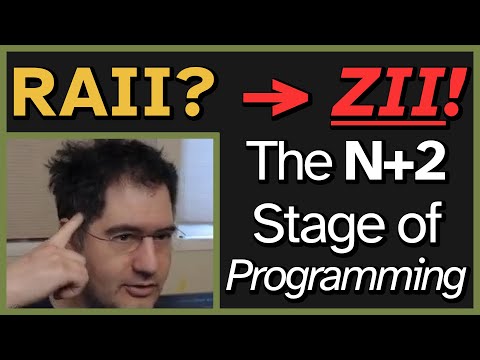
Casey Muratori | Smart-Pointers, RAII, ZII? Becoming an N+2 programmer
0
林宜悉 posted on 2026/11/19Ever wonder why top-tier game developers often skip tools like Smart Pointers? This video challenges common programming assumptions, guiding you toward more efficient architectural patterns like 'group thinking' that can help you level up your coding skills.
Learn this video on the APP!
The VoiceTube App has more in-depth practice for videos!