
affect
US /əˈfɛkt/
UK /ə'fekt/
- Transitive Verb
- To cause a change in something else
- To pretend to have or feel (something).
- Noun
- (Psychology) Emotion or feeling.
A2TOEICMoreanswer to
US
UK
- Phrasal Verb
- To be responsible to someone and have to explain your actions to them.
- To correspond to or match a description or requirement.
A1Moreappointment
US /əˈpɔɪntmənt/
UK /əˈpɔɪntmənt/
- Noun
- Job, position or duty that is offered to a person
- Time you arranged to meet someone or do something
A2TOEICMoreat a time
US /æt e taɪm/
UK /æt ə taim/
- Phrase
- Separately; one by one
- Simultaneously; together
A1Moreat least
US /æt list/
UK /æt li:st/
- Adverb
- As a minimum
- Not less than
- Phrase
- No less than; at the minimum
- Used to indicate that something is positive in a bad situation.
C2Moreat night
US /æt naɪt/
UK /æt nait/
- Phrase
- During the night; in the nighttime.
A1Moreat some point
US /æt sʌm pɔɪnt/
UK /æt sʌm pɔint/
- Phrase
- At an unspecified time, usually in the future.
A1Moreat that time
US /æt ðæt taɪm/
UK /æt ðæt taim/
- Phrase
- During a specific point in the past.
A1Moreat the same time
US
UK
- Phrase
- Simultaneously; at the identical moment.
- Nevertheless; however; used to introduce a contrasting or qualifying statement.
A1Moreback down
US /bæk daʊn/
UK /bæk daun/
- Phrasal Verb
- To admit you were wrong; stop claiming
A1Moreback then
US
UK
- Phrase
- At that time in the past.
A1Morebipolar
US /ˌbaɪˈpoʊlər/
UK /ˌbaɪˈpəʊlə(r)/
- Adjective
- (Disorder) exhibiting extremes of behavior
- Having two opposite poles
B2Morebottom
US /ˈbɑtəm/
UK /'bɒtəm/
- Noun
- The part of your body you sit on
- Lowest position, often in a company or contest
- Verb (Transitive/Intransitive)
- To hit the lowest part of something
- To provide with a bottom.
A2TOEICMorebuild up
US /bɪld ʌp/
UK /bild ʌp/
- Phrasal Verb
- To increase the amount; collect something
- To develop or increase something in stages
- Verb (Transitive/Intransitive)
- To increase or develop something gradually.
- To praise or encourage someone.
A1Moreclock on
US /klɑk ɑn/
UK /klɒk ɒn/
- other
- To register the start time of work using a time clock.
B1Morecome for
US /kʌm fɔr/
UK /kʌm fɔ:/
- Phrasal Verb
- To arrive to collect someone or something.
- To attack someone.
A1Morecouple
US /ˈkʌpəl/
UK /'kʌpl/
- Transitive Verb
- To join something to something else
- (Two animals) to engage in sexual relations
- Noun (Countable/Uncountable)
- Two people in a romantic relationship
- Two of something; two people; a pair
A2Moredeal with
US /dil wɪð/
UK /di:l wið/
- Verb (Transitive/Intransitive)
- To buy or sell goods or services.
- Phrasal Verb
- To take action to solve a problem or manage a situation.
- To be about; concern.
A1Moredepress
US /dɪˈprɛs/
UK /dɪ'pres/
- Transitive Verb
- To make someone feel sad or miserable
- To push something down
B2Moredepression
US /dɪˈprɛʃən/
UK /dɪ'preʃn/
- Noun (Countable/Uncountable)
- Medical condition of a lack of vitality
- Period of unemployment and low economic activity
B2Moredevelopment
US /dɪˈvɛləpmənt/
UK /dɪ'veləpmənt/
- Noun (Countable/Uncountable)
- Act or process of growing bigger or more advanced
- A new event related to a previous event
A2TOEICMoredoor knob
US
UK
- Countable Noun
- A round handle used for opening or closing a door.
A1Moredropping the ball
US
UK
- Idiom
- To make a mistake or error, especially one that causes problems for others.
A1Moreever since
US /ˈɛvɚ sɪns/
UK /ˈevə sins/
- Adverb
- Continuously from a past time until now.
- Conjunction
- From the time that; because.
B2Moreexcuse
US /ɪkˈskjuz/
UK /ɪk'skju:s/
- Transitive Verb
- To allow someone not to do (jury service, etc.)
- To explain acting in a bad or impolite manner
- Noun
- Note explaining why someone cannot do or attend
- Reason why you did or didn't do something
A2Morefeel like
US
UK
- Intransitive Verb
- To have a desire or inclination for something.
- To have a particular quality or sensation; resemble.
A1Morefor the rest
US /fɔr ði rɛst/
UK /fɔ: ðə rest/
- Phrase
- Concerning the remaining people or things.
- During the remaining part of a period of time.
A1Morefound out
US
UK
- Phrasal Verb
- To learn or discover something, often after some effort.
- To become known; be revealed.
B2Morefrom top to bottom
US /frəm tɑp tu ˈbɑtəm/
UK /frəm tɒp tə ˈbɒtəm/
- other
- Completely or thoroughly; in every part.
B1Moreget into it
US
UK
- Phrasal Verb
- To become interested in something and enjoy it.
- To start a career or profession.
- Intransitive Verb
- To become interested in something.
A1Moreget out of
US /ɡɛt aʊt ʌv/
UK /ɡet aut ɔv/
- Phrasal Verb
- To leave or escape responsibilities, troubles
- To leave a small, enclosed vehicle
A1Morego out
US /ɡo aʊt/
UK /ɡəu aut/
- Phrase
- To leave a building (e.g. a house)
- Phrasal Verb
- (Of a fire) to burn out; be extinguished
- Go out of fashion to stop being fashionable
A1Moregoing on
US /ˈɡoɪŋ ɑn/
UK /ˈgəʊɪŋ ɔn/
- Phrasal Verb
- To continue doing something
- To happen (usually negative)
A1Moregot to
US /ɡɑt tu/
UK /gɔt tu:/
- Verb (Transitive/Intransitive)
- To arrive at some place
- To have the opportunity or permission to do something
- Phrasal Verb
- To appeal to the emotions of; move
- To finally begin to start something after a delay
A1Morehave to
US /hæv tu/
UK /ˈhæv tə/
- Auxiliary Verb
- Must do
A1Moreillness
US /ˈɪlnɪs/
UK /ˈɪlnəs/
- Uncountable Noun
- Unhealthy condition of the mind or body
- A particular instance or type of disease.
A2Morein a while
US /ɪn e hwaɪl/
UK /in ə hwail/
- Phrase
- In a short period of time; soon.
- For a short period of time; soon.
A2Morein order to
US /ɪn ˈɔrdɚ tu/
UK /in ˈɔ:də tu:/
- Preposition
- For the purpose of; with the aim of.
- Phrase
- In a specific sequence or arrangement.
- With the aim of; for the purpose of.
C1Morein that order
US
UK
- Phrase
- Following the sequence or arrangement previously mentioned or understood.
C1Morein the front row
US /ɪn ðə ˈfrʌnt ro/
UK /in ðə ˈfrʌnt rəu/
- other
- Seated in the first row closest to the front.
A2Morein turn
US
UK
- Adverb
- One after the other in a sequence or rotation.
A1Moreinside of
US /ɪnˈsaɪd ʌv/
UK /inˈsaid ɔv/
- Preposition
- Within; in the inner part of.
- Within a certain period of time.
A1Morelie in
US /lai ɪn/
UK /lai in/
- Phrasal Verb
- To stay in bed later than usual in the morning.
A2Morelike anything
US /laɪk ˈɛniθɪŋ/
UK /laɪk ˈeniθɪŋ/
- other
- Used to emphasize strong intensity or effort.
B2Morelinear
US /ˈlɪniər/
UK /ˈlɪniə(r)/
- Adjective
- Made of lines
- Series of progressing from one stage to another
B1Morelook to
US
UK
- Phrasal Verb
- Be looking to. be planning to (do something)
- To expect someone to do something for you; rely on
A1Moremental
US /ˈmɛntl/
UK /ˈmentl/
- Adjective
- Concerning the mind
A2TOEICMorementally
US /ˈmɛntl:ɪ/
UK /ˈmentəli/
- Adverb
- With or in the mind and thoughts
A2Moremove to
US /muv tu/
UK /mu:v tu:/
- Phrasal Verb
- To change the place where you live or work.
- Verb (Transitive/Intransitive)
- To proceed to the next stage or action.
A2Moreno matter
US
UK
- Conjunction
- Regardless of; it does not matter.
- Adverb
- Regardless of; it is not important
A1Moreobvious
US /ˈɑbviəs/
UK /ˈɒbviəs/
- Adjective
- Easily understood and clear; plain to see
- Easy to see or notice.
A2TOEICMoreof course
US /ʌv kɔː(r)s/
UK /ɔv kɔː(r)s/
- Adverb
- Sure ; Certainly
- Phrase
- For sure; certainly
A2Moreoff the charts
US
UK
- Adjective
- Extremely high or impressive; beyond normal measurement or scale.
- Adverb
- To an extreme degree; exceptionally.
B2Moreonce in a while
US //wʌns ɪn ə waɪl//
UK
- Phrase
- Occasionally; not very often.
- Occasionally; not very often.
A2Moreout there
US /aʊt ðɛr/
UK /aut ðɛə/
- Adverb
- In or to a place that is far away
- Existing in the universe
- Adjective
- Unconventional; strange; avant-garde
- Existing or available.
A1Moreover time
US /ˈovɚ taɪm/
UK /ˈəuvə taim/
- Phrase
- Gradually; as time passes.
- During a long period.
- Adverb
- Gradually; as time passes.
B1Moreoverdose
US / ˈovɚˈdos/
UK /'əʊvədəʊs/
- Intransitive Verb
- To take too many drugs, so that you might die
- Noun
- Taking too many drugs, so that you might die
B2Morepopulation
US /ˌpɑpjəˈleʃən/
UK /ˌpɒpjuˈleɪʃn/
- Noun (Countable/Uncountable)
- Number of people who live in a country, area etc.
- A group of individuals of one species living in a particular area.
A2TOEICMorepressure
US /ˈprɛʃɚ/
UK /'preʃə(r)/
- Noun (Countable/Uncountable)
- Anxiety caused by difficult problems
- Force, weight when pressing against a thing
- Transitive Verb
- To apply force to something
- To persuade or force someone to do something
A2TOEICMorepsychiatrist
US /saɪ'kaɪətrɪst/
UK /saɪˈkaɪətrɪst/
- Countable Noun
- Doctor who treats psychological disorders
- Doctor who treats psychological disorders
B2Morepunctuation
US /ˌpʌŋktʃuˈeʃən/
UK /ˌpʌŋktʃuˈeɪʃn/
- Noun
- Marks used in piece of writing, such as ? ; and !
B2Morereluctant
US /rɪˈlʌktənt/
UK /rɪˈlʌktənt/
- Adjective
- Experiencing or expressing unwillingness to do
- Showing doubt or unwillingness.
B1Moresame time
US
UK
- Phrase
- Occurring simultaneously or at the same point in time.
- At the identical time as before; recurring at a fixed hour.
- Noun
- An equal duration or period.
A1Moreseek out
US /sik aʊt/
UK /si:k aut/
- Phrasal Verb
- To look for and find someone or something, especially when it is not easy to find.
B2Moreset up
US /sɛt ʌp/
UK /set ʌp/
- Phrasal Verb
- To make arrangements for something; establish
- Verb (Transitive/Intransitive)
- To arrange or prepare something for use.
- To start a business, organization, etc.
A1Moreshame
US /ʃem/
UK /ʃeɪm/
- Uncountable Noun
- Feeling of guilt because you did something wrong
- Transitive Verb
- To make someone feel ashamed
A2Moreshow up
US /ʃo ʌp/
UK /ʃəu ʌp/
- Phrasal Verb
- To arrive or be seen at a place, e.g. a party
- To be noticeably better than (someone else)
A1Moreshut off
US /ʃʌt ɔf/
UK /ʃʌt ɔf/
- Phrasal Verb
- To stop the movement of something, such as water
- To isolate oneself from others.
A2Moreshut up
US /ʃʌt ʌp/
UK /ʃʌt ʌp/
- Phrasal Verb
- To close something, e.g. a shop
- To (cause someone to) be silent or not speak
- Interjection
- An expression of disbelief or surprise
A2Morestay up
US /ste ʌp/
UK /stei ʌp/
- Phrasal Verb
- To not go to bed until late
A1Morestigma
US /ˈstɪɡmə/
UK /'stɪɡmə/
- Noun
- Mark of shame or disgrace
B2TOEICMorestruggle
US /ˈstrʌɡəl/
UK /'strʌɡl/
- Verb (Transitive/Intransitive)
- To try very hard to do something difficult
- To fight or struggle violently
- Noun (Countable/Uncountable)
- Strong efforts made to do something difficult
- A difficult or challenging situation or task
A2Morestuff
US /stʌf/
UK /stʌf/
- Uncountable Noun
- Generic description for things, materials, objects
- Transitive Verb
- To push material inside something, with force
B1Moretalk about it
US /tɔk əˈbaʊt ɪt/
UK /tɔ:k əˈbaut it/
- Verb (Transitive/Intransitive)
- To discuss a particular subject.
A1Moretalking about
US
UK
- Phrasal Verb
- To discuss a particular topic.
- To be constantly mentioning or bringing up a subject.
A1Moretend
US /tɛnd/
UK /tend/
- Intransitive Verb
- To move or act in a certain manner
- Transitive Verb
- To take care of
A2Moretherapist
US /ˈθɛrəpɪst/
UK /ˈθerəpɪst/
- Noun (Countable/Uncountable)
- Person skilled in a particular type of therapy
B2Morethink about
US /θɪŋk əˈbaʊt/
UK /θiŋk əˈbaut/
- Phrasal Verb
- To consider something carefully.
- To remember or call to mind.
A1Moreto the point
US /tu ði pɔɪnt/
UK /tu: ðə pɔint/
- Adjective
- Expressing something directly and without unnecessary detail.
- Phrase
- Relevant and pertinent to the matter at hand.
A2Morewake up
US /wek ʌp/
UK /weik ʌp/
- Phrasal Verb
- To stop sleeping
- To become fully aware and alert to a situation.
A1Morework on
US /wɚk ɑn/
UK /wə:k ɔn/
- Phrasal Verb
- To devote effort to improve or develop something
- To try to persuade or influence someone.
A1Moreyellow pages
US
UK
- Noun (plural)
- A telephone directory with listings of businesses, often printed on yellow paper.
A1More
Vocabulary
- have to: Must do
- set up
- feel like: To have a desire or inclination for something.
- going on: To continue doing something
- deal with
- at least: As a minimum
- back then: At that time in the past.
- get out of: To leave or escape responsibilities, troubles
- in order to: For the purpose of; with the aim of.
- over time: Gradually; as time passes.
- inside of: Within; in the inner part of.
- got to: To arrive at some place
- found out: To learn or discover something, often after some effort.
- in a while: In a short period of time; soon.
- once in a while: Occasionally; not very often.
- at night: During the night; in the nighttime.
- at that time: During a specific point in the past.
- from top to bottom: Completely or thoroughly; in every part.
- no matter: Regardless of; it does not matter.
- back down: To admit you were wrong; stop claiming
- clock on: To register the start time of work using a time clock.
- door knob: A round handle used for opening or closing a door.
- like anything: Used to emphasize strong intensity or effort.
- answer to: To be responsible to someone and have to explain your actions to them.
- go out: To leave a building (e.g. a house)
- at the same time: Simultaneously; at the identical moment.
- same time: Occurring simultaneously or at the same point in time.
- off the charts: Extremely high or impressive; beyond normal measurement or scale.
- build up: To increase the amount; collect something
- in that order: Following the sequence or arrangement previously mentioned or understood.
- look to: Be looking to. be planning to (do something)
- move to: To change the place where you live or work.
- shut off: To stop the movement of something, such as water
- to the point: Expressing something directly and without unnecessary detail.
- dropping the ball: To make a mistake or error, especially one that causes problems for others.
- show up: To arrive or be seen at a place, e.g. a party
- work on: To devote effort to improve or develop something
- ever since: Continuously from a past time until now.
- at some point: At an unspecified time, usually in the future.
- get into it: To become interested in something and enjoy it.
- at a time: Separately; one by one
- wake up: To stop sleeping
- seek out: To look for and find someone or something, especially when it is not easy to find.
- yellow pages: A telephone directory with listings of businesses, often printed on yellow paper.
- in turn: One after the other in a sequence or rotation.
- talk about it: To discuss a particular subject.
- think about: To consider something carefully.
- lie in: To stay in bed later than usual in the morning.
- come for: To arrive to collect someone or something.
- of course: Sure ; Certainly
- for the rest: Concerning the remaining people or things.
- stay up: To not go to bed until late
- shut up: To close something, e.g. a shop
- out there: In or to a place that is far away
- in the front row: Seated in the first row closest to the front.
- talking about: To discuss a particular topic.
- stuff: Generic description for things, materials, objects
- struggle: To try very hard to do something difficult
- obvious: Easily understood and clear; plain to see
- mental: Concerning the mind
- depression: Medical condition of a lack of vitality
- tend: To move or act in a certain manner
- stigma: Mark of shame or disgrace
- pressure: Anxiety caused by difficult problems
- reluctant: Experiencing or expressing unwillingness to do
- bit: Device put in a horse's mouth to control it
- affect: To cause a change in something else
- brain: To strike someone forcefully on the head
- therapist: Person skilled in a particular type of therapy
- population: Number of people who live in a country, area etc.
- illness: Unhealthy condition of the mind or body
- pretty: Being attractive to the eye in a simple way
- couple: To join something to something else
- mentally: With or in the mind and thoughts
- shame: Feeling of guilt because you did something wrong
- appointment: Job, position or duty that is offered to a person
- excuse: To allow someone not to do (jury service, etc.)
- development: Act or process of growing bigger or more advanced
- punctuation: Marks used in piece of writing, such as ? ; and !
- bottom: The part of your body you sit on
- lot: What happens to a person in life from chance; fate
- place: To put someone in a particular type of situation
- kind: In a caring and helpful manner
- order: Religious or social group, as of nuns
- control: A device designed to operate a machine
- head: To hit a ball with your head in a game
- worse: Comparative of 'bad'; more bad
- afraid: Worried that something bad will happen; scared
- great: Very good; better than before
- find: To become aware of something that is happening
- set: Prepared for something; ready
- overdose: To take too many drugs, so that you might die
- hard: Difficult to do; difficult to understand
- psychiatrist: Doctor who treats psychological disorders
- bipolar: (Disorder) exhibiting extremes of behavior
- depress: To make someone feel sad or miserable
- linear: Made of lines
Get the full experience in the app
Learn anywhere with detailed sentence and usage analysis
01:03
She took a brave step forward, leaving behind her comfort zone to chase her dreams.
Vocabulary
- brave
adj. Having courage
- comfort zone
phr. A familiar situation where one feels safe
Explanation
a brave step is a noun phrase, where brave is an adjective modifying the noun step, meaning "a courageous step".
forward is an adverb modifying step, meaning "ahead".
The whole phrase serves as the object, answering the "what" of took (verb) — she took a brave step forward.
Get the full experience in the app
Look up words anytime with pronunciation, part of speech, and usage
brave
US/brev/
UK/breɪv/
adj.Brave
v.t.To bravely face
A2 Elementary
Get the full experience in the app
Practice speaking anytime and get instant pronunciation feedback
Try this speaking exercise.
Try practicing with this sentence.
80
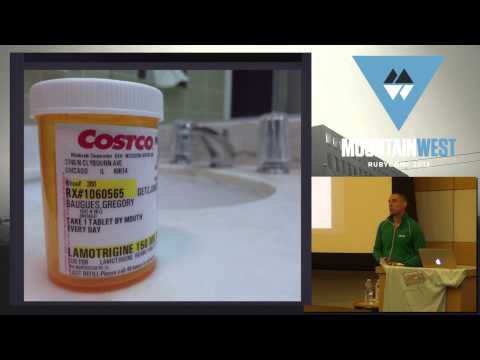
MountainWest RubyConf 2013 Devs and Depression by Greg Baugues
0
林宜悉 posted on 2026/11/18In this deeply personal talk, developer Greg Baugues shares his experiences navigating bipolar disorder and ADD while working in the tech industry. It is a powerful chance to pick up authentic, emotive vocabulary for discussing mental health and personal challenges in a professional setting.
Learn this video on the APP!
The VoiceTube App has more in-depth practice for videos!