
ahead of time
US
UK
- Phrase
- Before the scheduled time; early.
A1Moreall over the place
US
UK
- Phrase
- In a state of disorder; scattered everywhere.
- In many different locations; widely distributed.
- Adjective
- Mentally or emotionally disorganized; confused or erratic.
A1Moreanswer for
US /ˈænsɚ fər/
UK /ˈɑ:nsə fə/
- other
- Be responsible for and explain one's actions.
C1Moreas soon as
US /æz sun æz/
UK /æz su:n æz/
- Phrase
- In a short time after (something happens)
- Without any delay; immediately
- Conjunction
- At the moment that, or immediately after.
A1Moreaside from
US /əˈsaɪd frʌm/
UK /əˈsaid frɔm/
- Phrase
A1Moreat a time
US /æt e taɪm/
UK /æt ə taim/
- Phrase
- Separately; one by one
- Simultaneously; together
A1Moreat least
US /æt list/
UK /æt li:st/
- Adverb
- As a minimum
- Not less than
- Phrase
- No less than; at the minimum
- Used to indicate that something is positive in a bad situation.
C2Moreat once
US /æt wʌns/
UK /æt wʌns/
- Adverb
- Immediately; without delay
- At the same time; simultaneously
A2Moreat the same time
US
UK
- Phrase
- Simultaneously; at the identical moment.
- Nevertheless; however; used to introduce a contrasting or qualifying statement.
A1Moreawesome
US /ˈɔsəm/
UK /'ɔ:səm/
- Adjective
- Great; wonderful; stupendous
B2TOEICMoreback down
US /bæk daʊn/
UK /bæk daun/
- Phrasal Verb
- To admit you were wrong; stop claiming
A1Moreback up
US /bæk ʌp/
UK /bæk ʌp/
- Phrasal Verb
- To save a copy of your computer data
- To confirm the truth of what someone says
A1Morebetter understanding
US
UK
- Uncountable Noun
- An improved level of comprehension or knowledge.
B2Morebinge
US /bɪndʒ/
UK /bɪndʒ/
- Verb (Transitive/Intransitive)
- To eat or drink too much at one time
C1Moreblast
US /blæst/
UK /blɑ:st/
- Transitive Verb
- To attack someone with words
- To destroy something with explosives
- Noun (Countable/Uncountable)
- Destructive wave of air from an explosion
- Strong current of wind
B1Morebright
US /braɪt/
UK /braɪt/
- Adjective
- Cheerful and happy (manner)
- (Of color) light and easy to see; vivid
A2Morebunch
US /bʌntʃ/
UK /bʌntʃ/
- Noun (Countable/Uncountable)
- A group of things of the same kind
- A group of people.
- Transitive Verb
- To group people or things closely together
B1Morecame off
US
UK
- Phrasal Verb
- To succeed in doing; complete something
- To detach or come away from something in pieces
A1Morechalk
US /tʃɔk/
UK /tʃɔ:k/
- Transitive Verb
- To draw or write something with chalk
- Uncountable Noun
- Hard white powder used for drawing on boards
- Soft white rock made of limestone
B1Morecome from
US /kʌm frʌm/
UK /kʌm frɔm/
- Phrasal Verb
- To have as your native country or city
A1Morecome up
US /kʌm ʌp/
UK /kʌm ʌp/
- Phrasal Verb
- To come closer to someone; approach
- (Of sun) to rise into the sky in the morning
A1Morecome up with
US /kʌm ʌp wɪð/
UK /kʌm ʌp wið/
- Phrasal Verb
- To think of an idea or solution; produce
A1Moreconversation
US /ˌkɑnvɚˈseʃən/
UK /ˌkɒnvəˈseɪʃn/
- Uncountable Noun
- Talking with other people; discussion or chat
- General communication or interaction.
A2Morecouple
US /ˈkʌpəl/
UK /'kʌpl/
- Transitive Verb
- To join something to something else
- (Two animals) to engage in sexual relations
- Noun (Countable/Uncountable)
- Two people in a romantic relationship
- Two of something; two people; a pair
A2Morecrack
US /kræk/
UK /kræk/
- Noun (Countable/Uncountable)
- Attempt to achieve a goal or objective
- Unexpected and hard hit to the body
- Verb (Transitive/Intransitive)
- To attempt to achieve a goal or objective
- To hit someone or something hard and unexpectedly
B1Morecrack up
US /kræk ʌp/
UK /kræk ʌp/
- Phrasal Verb
- To suddenly burst out laughing
- To have a mental or physical breakdown
B1Moreearly bird
US
UK
- Noun
- A person who gets up or arrives early.
- Someone who takes the opportunity to do something before other people will have an advantage over them.
A1Moreembarrass
US /ɛmˈbærəs/
UK /ɪm'bærəs/
- Transitive Verb
- To cause someone to feel ashamed
A2Moreepisode
US /ˈɛpɪˌsod/
UK /'epɪsəʊd/
- Noun
- One separate event in a series of events
- Show which is part of a larger story
B1TOEICMorefeel like
US
UK
- Intransitive Verb
- To have a desire or inclination for something.
- To have a particular quality or sensation; resemble.
A1Morefor example
US
UK
- Phrase
- As an illustration or instance.
for myself
US /fɚ maɪˈsɛlf/
UK /fə maɪˈself/
- other
- Done for one's own benefit or use.
A1Morefrom the heart
US /frəm ðə hɑrt/
UK /frəm ðə hɑ:t/
- other
- In a very sincere and genuine way.
B1Morego back to
US /ɡo bæk tu/
UK /ɡəu bæk tu:/
- Phrasal Verb
- To return to a starting point
A1Moregoing on
US /ˈɡoɪŋ ɑn/
UK /ˈgəʊɪŋ ɔn/
- Phrasal Verb
- To continue doing something
- To happen (usually negative)
A1Moregot to
US /ɡɑt tu/
UK /gɔt tu:/
- Verb (Transitive/Intransitive)
- To arrive at some place
- To have the opportunity or permission to do something
- Phrasal Verb
- To appeal to the emotions of; move
- To finally begin to start something after a delay
A1Moreguilty
US /ˈɡɪlti/
UK /'ɡɪltɪ/
- Adjective
- Responsible for doing something wrong
- Feeling or showing guilt; having a sense of remorse.
A2TOEICMorehanging out
US
UK
- Phrasal Verb
- To spend time with your friends
- To spend times with friends or relax doing nothing
A2Morehave on
US /hæv ɑn/
UK /hæv ɔn/
- Phrasal Verb
- To be wearing something.
- To deceive or trick someone, often in a playful way.
A1Morehave to
US /hæv tu/
UK /ˈhæv tə/
- Auxiliary Verb
- Must do
A1Morehitch
US /hɪtʃ/
UK /hɪtʃ/
- Verb (Transitive/Intransitive)
- To ask for and get (a ride in someone's car)
- Transitive Verb
- To attach a trailer to a car; tow
B2Moreidiom
US /ˈɪdiəm/
UK /ˈɪdiəm/
- Noun
- Phrase with a special, metaphoric meaning
B2Morein a row
US /ɪn e ro/
UK /in ə rəu/
- Phrase
- One after another without a break.
- Arranged in a straight line.
- Idiom
- To have an argument.
A1Morein addition to
US /ɪn əˈdɪʃən tu/
UK /in əˈdiʃən tu:/
- Preposition
- Besides; as well as
- Phrase
- Besides; as well as.
- Furthermore; moreover.
B1Morein order to
US /ɪn ˈɔrdɚ tu/
UK /in ˈɔ:də tu:/
- Preposition
- For the purpose of; with the aim of.
- Phrase
- In a specific sequence or arrangement.
- With the aim of; for the purpose of.
C1Morein particular
US /ɪn pɚˈtɪkjəlɚ/
UK /in pəˈtikjulə/
- Phrase
- Specifically; especially.
- Detailed or precise.
A1Morein terms of
US
UK
- Phrase
- With regard to; concerning a particular aspect.
A1Morein the future
US /ɪn ði ˈfjutʃɚ/
UK /in ðə ˈfju:tʃə/
- Phrase
- At a later time; in times to come.
A1Morein the past
US
UK
- Phrase
- During a former period of time; previously.
A1Morein town
US /ɪn taʊn/
UK /in taun/
- Phrase
- Present or available in the local area or city.
- Available or present in a particular place.
A1Morein trouble
US /ɪn ˈtrʌbəl/
UK /in ˈtrʌbl/
- Adjective
- Experiencing difficulties, problems, or legal issues.
- other
- In serious trouble or difficulty.
A1Moreinterview
US /ˈɪntɚˌvju/
UK /'ɪntəvju:/
- Transitive Verb
- To formally ask questions about a given topic
- Noun
- Meeting to ask questions to get information
A2TOEICMorejust kind of
US
UK
- Phrase
- Used to express a feeling or state in a vague or hesitant way.
- Used to indicate something is approximately or generally similar to something else.
A2Morelack
US /læk/
UK /læk/
- Verb (Transitive/Intransitive)
- To not have, or not have enough, of something
- Uncountable Noun
- The state of not having or not having enough of
A2TOEICMorelook at
US /lʊk æt/
UK /luk æt/
- Phrasal Verb
- To use your eyes to focus on something
- To focus your eyes on something carefully
A1Morelook for
US /lʊk fɔr/
UK /luk fɔ:/
- Phrasal Verb
- To try to find a thing or person that is lost
- To expect or anticipate something.
A1Morelook up to
US /lʊk ʌp tu/
UK /luk ʌp tu:/
- Phrasal Verb
- To respect or admire someone
A1Moremake up
US /mek ʌp/
UK /meik ʌp/
- Phrasal Verb
- To invent or create a story
- To add up to
- Verb (Transitive/Intransitive)
- To invent a story, excuse, etc.
- To compensate for something lost, missed, or deficient.
A1Morenacho
US /'nɑ:ˌtʃoʊ/
UK /'nɑ:tʃəʊ/
- Countable Noun
- Tortilla chip topped with cheese and chili pepper
C2Morenext to
US /nɛkst tu/
UK /nekst tu:/
- Preposition
- Being located along side another
- In comparison with
- Adverb
- Almost; nearly
A1Moreof course
US /ʌv kɔː(r)s/
UK /ɔv kɔː(r)s/
- Adverb
- Sure ; Certainly
- Phrase
- For sure; certainly
A2Moreof means
US /ʌv minz/
UK /əv mi:nz/
- other
- Having resources or wealth available for use.
B2Moreof yours
US /ʌv jʊɚz/
UK /əv jɔ:z/
- other
- Belonging to you; your possession or property.
A1Moreoff guard
US /ɔf ɡɑrd/
UK /ɔf ɡɑ:d/
- Adjective
- In a vulnerable state; not alert or cautious.
- Unprepared for something; surprised.
A2Moreoff the ground
US /ɔf ði ɡraʊnd/
UK /ɔf ðə ɡraund/
- Phrase
- Having started or begun to operate or succeed.
- Airborne; having left the ground.
A1Moreon the table
US /ɑn ði ˈtebəl/
UK /ɔn ðə ˈteibl/
- Phrase
- Located on the surface of a table.
- Available for consideration or discussion.
A1Moreopportunity
US /ˌɑpɚˈtunɪti, -ˈtju-/
UK /ˌɒpə'tju:nətɪ/
- Noun (Countable/Uncountable)
- Time, situation when a thing might be done; chance
- A favorable time or occasion for doing something.
A2TOEICMoreout of the ordinary
US
UK
- Adjective
- Unusual or remarkable; not typical.
- Exceptional; remarkably better than others of its kind.
- Phrase
- Beyond what is usual, common, or expected.
A1Moreout there
US /aʊt ðɛr/
UK /aut ðɛə/
- Adverb
- In or to a place that is far away
- Existing in the universe
- Adjective
- Unconventional; strange; avant-garde
- Existing or available.
A1Moreover to
US
UK
- Preposition
- Used to hand over to someone else to speak
- The responsibility is now yours
owl
US /aʊl/
UK /aʊl/
- Noun
- Bird with large eyes that hunts at night
B1Morepedal
US /ˈpɛdl/
UK /ˈpedl/
- Noun
- Lever worked by the foot, e.g. the brakes of a car
- Verb (Transitive/Intransitive)
- To operate or move something with the foot.
B1Morephrase
US /frez/
UK /freɪz/
- Noun
- Common expression or saying
- Section of musical notes in a piece of music
- Verb (Transitive/Intransitive)
- To choose words to say what you mean clearly
A2Moreplay on
US
UK
- Phrasal Verb
- To exploit or take advantage of something, such as someone's emotions or weaknesses.
A1Morepleasure
US /ˈplɛʒɚ/
UK /'pleʒə(r)/
- Noun (Countable/Uncountable)
- Feeling of happiness, enjoyment, or satisfaction
- A thing that causes enjoyment or delight.
- Transitive Verb
- To give someone pleasure or satisfaction.
A2TOEICMorepodcast
US /'pɑ:dkæst/
UK /'pɒdkɑ:st/
- Noun (Countable/Uncountable)
- A digital recording (e.g. radio show) for download
A2Morerather than
US
UK
- Adverb
- More exactly; more correctly
- Preferably; instead
- Preposition
- Instead of
A1Morerelationship
US /rɪˈleʃənˌʃɪp/
UK /rɪˈleɪʃnʃɪp/
- Noun (Countable/Uncountable)
- Connection between two or more people or things
- Way people interact or live with each other
A2TOEICMorerole
US /rol/
UK /rəʊl/
- Noun
- Character played by an actor
- Part you play in an activity; job; responsibility
A2Moreroll
US /rol/
UK /rəʊl/
- Countable Noun
- Small, round piece of bread for one person to eat
- Photographic film wrapped round and round itself
- Verb (Transitive/Intransitive)
- To continue along as time normally progresses
- To produce a very deep and continuous sound
A2TOEICMoresame time
US
UK
- Phrase
- Occurring simultaneously or at the same point in time.
- At the identical time as before; recurring at a fixed hour.
- Noun
- An equal duration or period.
A1Moresearch for
US /sɚtʃ fɔr/
UK /sə:tʃ fɔ:/
- Phrasal Verb
- To try to find someone or something.
B1Moresee in
US /si ɪn/
UK /si: in/
- Phrasal Verb
- To accompany someone to the entrance of a building or room.
A1Moresettle on
US /ˈsɛtl ɑn/
UK /ˈsetl ɔn/
- Phrasal Verb
- To decide definitely to do or have something.
B2Moresocial conditioning
US
UK
- Uncountable Noun
- The sociological process of training individuals in a society to respond in a manner generally approved by the society in general and peer groups within society.
B1Morestart off
US /stɑrt ɔf/
UK /stɑ:t ɔf/
- Phrasal Verb
- To begin or commence something.
- To begin a journey.
B2Morestay up
US /ste ʌp/
UK /stei ʌp/
- Phrasal Verb
- To not go to bed until late
A1Morethink about
US /θɪŋk əˈbaʊt/
UK /θiŋk əˈbaut/
- Phrasal Verb
- To consider something carefully.
- To remember or call to mind.
A1Morethink of
US /θɪŋk ʌv/
UK /θiŋk ɔv/
- Phrasal Verb
- To look on as (being something specific); consider
- To consider or remember something.
- Verb (Transitive/Intransitive)
- To imagine or call something to mind
A1Moreto die for
US /tu daɪ fɔr/
UK /tu: dai fɔ:/
- Adjective
- Extremely desirable or enjoyable.
- Intransitive Verb
- To be willing to sacrifice one's life for someone or something.
A1Moreto do with
US
UK
- Phrasal Verb
- To be about something; concern
A1Moretrash
US /træʃ/
UK /træʃ/
- Uncountable Noun
- Garbage or anything that is worthless
- Transitive Verb
- To throw away in the garbage
- To criticize; claim person/thing is inferior
B2TOEICMoreuncomfortable
US /ʌnˈkʌmfətəbəl, -ˈkʌmftə-/
UK /ʌnˈkʌmftəbl/
- Adjective
- Not being relaxed; worried about something
- Causing or feeling slight pain or physical unease.
B1Moreup to something
US
UK
- Phrase
- Doing something; planning something, often secret or mischievous.
- Capable of doing something; equal to a task.
A1Moreused to
US /juzd tu/
UK /ˈju:st tə/
- Adjective
- Did regularly before, but don't do now
- Auxiliary Verb
- Have done before, but do not do now
A1Morewake up
US /wek ʌp/
UK /weik ʌp/
- Phrasal Verb
- To stop sleeping
- To become fully aware and alert to a situation.
A1Moreweight
US /wet/
UK /weɪt/
- Uncountable Noun
- How heavy something is
- Metal object to measure how heavy something is
A2TOEICMorewith it
US /wɪð ɪt/
UK /wið it/
- Adjective
- Intelligent, alert, and up-to-date.
- Understanding and knowledgeable about current trends or information.
A1Morewithout a hitch
US /wɪˈðaʊt ə hɪtʃ/
UK /wɪˈðaʊt ə hɪtʃ/
- other
- Without any problems or difficulties; smoothly.
B2Morewrap
US /ræp/
UK /ræp/
- Countable Noun
- Piece of clothing worn loosely on the shoulders
- Thin bread filled with food and rolled
- Transitive Verb
- To be or move around something
- To cover something with paper or a cloth e.g. gift
B1More
Vocabulary
- have to: Must do
- come up with: To think of an idea or solution; produce
- feel like: To have a desire or inclination for something.
- crack up: To suddenly burst out laughing
- hanging out: To spend time with your friends
- used to: Did regularly before, but don't do now
- look up to: To respect or admire someone
- going on: To continue doing something
- ahead of time: Before the scheduled time; early.
- think about: To consider something carefully.
- off guard: In a vulnerable state; not alert or cautious.
- on the table: Located on the surface of a table.
- in town: Present or available in the local area or city.
- to die for: Extremely desirable or enjoyable.
- without a hitch: Without any problems or difficulties; smoothly.
- back up: To save a copy of your computer data
- stay up: To not go to bed until late
- early bird: A person who gets up or arrives early.
- think of: To look on as (being something specific); consider
- come up: To come closer to someone; approach
- better understanding: An improved level of comprehension or knowledge.
- search for: To try to find someone or something.
- start off: To begin or commence something.
- in particular: Specifically; especially.
- off the ground: Having started or begun to operate or succeed.
- over to: Used to hand over to someone else to speak
- back down: To admit you were wrong; stop claiming
- social conditioning: The sociological process of training individuals in a society to respond in a manner generally approved by the society in general and peer groups within society.
- at the same time: Simultaneously; at the identical moment.
- same time: Occurring simultaneously or at the same point in time.
- see in: To accompany someone to the entrance of a building or room.
- in the future: At a later time; in times to come.
- in order to: For the purpose of; with the aim of.
- of course: Sure ; Certainly
- out there: In or to a place that is far away
- for myself: Done for one's own benefit or use.
- got to: To arrive at some place
- in addition to: Besides; as well as
- of means: Having resources or wealth available for use.
- at least: As a minimum
- settle on: To decide definitely to do or have something.
- rather than: More exactly; more correctly
- next to: Being located along side another
- out of the ordinary : Unusual or remarkable; not typical.
- just kind of: Used to express a feeling or state in a vague or hesitant way.
- play on: To exploit or take advantage of something, such as someone's emotions or weaknesses.
- all over the place: In a state of disorder; scattered everywhere.
- came off: To succeed in doing; complete something
- come from: To have as your native country or city
- have on: To be wearing something.
- with it: Intelligent, alert, and up-to-date.
- for example: As an illustration or instance.
- of yours: Belonging to you; your possession or property.
- wake up: To stop sleeping
- as soon as: In a short time after (something happens)
- go back to: To return to a starting point
- in a row: One after another without a break.
- in the past: During a former period of time; previously.
- at a time: Separately; one by one
- at once: Immediately; without delay
- look at: To use your eyes to focus on something
- in terms of
- aside from
- in trouble: Experiencing difficulties, problems, or legal issues.
- make up: To invent or create a story
- from the heart: In a very sincere and genuine way.
- answer for: Be responsible for and explain one's actions.
- up to something: Doing something; planning something, often secret or mischievous.
- to do with: To be about something; concern
- look for: To try to find a thing or person that is lost
- episode: One separate event in a series of events
- sort: To organize things by putting them into groups
- phrase: Common expression or saying
- bunch: A group of things of the same kind
- awesome: Great; wonderful; stupendous
- opportunity: Time, situation when a thing might be done; chance
- common: Area in a city or town that is open to everyone
- binge: To eat or drink too much at one time
- conversation: Talking with other people; discussion or chat
- wrap: Piece of clothing worn loosely on the shoulders
- describe: To tell the appearance, sound, smell of something
- crack: Attempt to achieve a goal or objective
- relationship: Connection between two or more people or things
- guilty: Responsible for doing something wrong
- bit: Device put in a horse's mouth to control it
- lack: To not have, or not have enough, of something
- blast: To attack someone with words
- idiom: Phrase with a special, metaphoric meaning
- couple: To join something to something else
- guess: To give an answer without knowing if it is correct
- fair: Neither very good nor very bad; average
- pleasure: Feeling of happiness, enjoyment, or satisfaction
- role: Character played by an actor
- mind: To be bothered or upset by something
- favorite: A thing that someone likes best or enjoys most
- lot: What happens to a person in life from chance; fate
- kind: In a caring and helpful manner
- order: Religious or social group, as of nuns
- roll: Small, round piece of bread for one person to eat
- interview: To formally ask questions about a given topic
- language: Words or signs used to communicate messages
- point: An item to be discussed
- head: To hit a ball with your head in a game
- bright: Cheerful and happy (manner)
- great: Very good; better than before
- podcast: A digital recording (e.g. radio show) for download
- embarrass: To cause someone to feel ashamed
- trash: Garbage or anything that is worthless
- weight: How heavy something is
- pedal: Lever worked by the foot, e.g. the brakes of a car
- uncomfortable: Not being relaxed; worried about something
- owl: Bird with large eyes that hunts at night
- chalk: To draw or write something with chalk
- hitch: To ask for and get (a ride in someone's car)
- nacho: Tortilla chip topped with cheese and chili pepper
Get the full experience in the app
Learn anywhere with detailed sentence and usage analysis
01:03
She took a brave step forward, leaving behind her comfort zone to chase her dreams.
Vocabulary
- brave
adj. Having courage
- comfort zone
phr. A familiar situation where one feels safe
Explanation
a brave step is a noun phrase, where brave is an adjective modifying the noun step, meaning "a courageous step".
forward is an adverb modifying step, meaning "ahead".
The whole phrase serves as the object, answering the "what" of took (verb) — she took a brave step forward.
Get the full experience in the app
Look up words anytime with pronunciation, part of speech, and usage
brave
US/brev/
UK/breɪv/
adj.Brave
v.t.To bravely face
A2 Elementary
Get the full experience in the app
Practice speaking anytime and get instant pronunciation feedback
Try this speaking exercise.
Try practicing with this sentence.
80
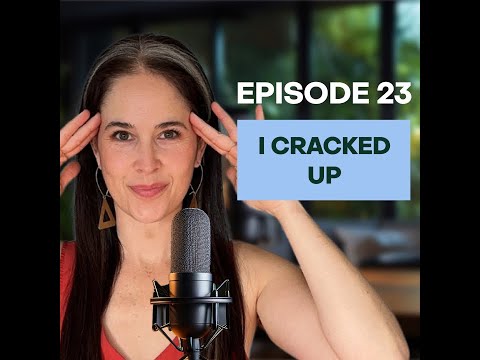
I Cracked Up: Idioms and Phrases┃Learn American English Pronunciation On the Go
0
d45612363 posted on 2026/11/18Ever wonder how native speakers naturally use idioms like "crack up" or "have a blast" in everyday conversation? In this lively episode, you will join an authentic chat that breaks down common phrasal verbs and expressions so you can confidently add them to your own vocabulary. It is a fantastic way to learn how to keep a conversation moving while sounding more like a local.
Learn this video on the APP!
The VoiceTube App has more in-depth practice for videos!