
absolutely
US /ˈæbsəˌlutli, ˌæbsəˈlutli/
UK /ˈæbsəlu:tli/
- Adverb
- Completely; totally; very
- Considered independently and without relation to other things; viewed abstractly; as, quantity absolutely considered.
A2Moreassist
US /əˈsɪst/
UK /əˈsɪst/
- Verb (Transitive/Intransitive)
- To help
A2TOEICMoreat a glance
US /æt e ɡlæns/
UK /æt ə ɡlɑ:ns/
- Phrase
- Immediately; instantly upon looking.
A1Moreat the moment
US
UK
- Adverb
- At this time; now
A1Moreback then
US
UK
- Phrase
- At that time in the past.
A1Morebluff
US /blʌf/
UK /blʌf/
- Verb (Transitive/Intransitive)
- To pretend to do something to trick someone
- Noun
- Attempt to fool or trick someone
B2Moreblunt
US /blʌnt/
UK /blʌnt/
- Adjective
- Without a sharp edge or point
- Speaking directly; without trying to be polite or kind
- Transitive Verb
- To make dull or lessen the sharpness of something
B1Morebooth
US /bu:θ/
UK /bu:ð/
- Noun (Countable/Uncountable)
- Small area where someone does something privately
- Covered stand used for selling or displaying goods
B2Moreby hand
US /baɪ hænd/
UK /bai hænd/
- Phrase
- Done manually; not by machine.
- Delivered personally; not by mail or electronically.
A1Moreby now
US /baɪ naʊ/
UK /bai nau/
- Phrase
- At the present time or already; before the present.
A2Morecall someone's bluff
US /kɔl ˈsʌmwʌnz blʌf/
UK /kɔ:l ˈsʌmwʌnz blʌf/
- other
- To challenge someone to prove they are telling the truth.
B2Morecome back
US /kʌm bæk/
UK /kʌm bæk/
- Phrasal Verb
- To reply to someone, often forcefully
- To be remembered
A1Morecome from
US /kʌm frʌm/
UK /kʌm frɔm/
- Phrasal Verb
- To have as your native country or city
A1Morecommence
US /kəˈmɛns/
UK /kə'mens/
- Verb (Transitive/Intransitive)
- To begin or start
B1Moreconqueror
US /'kɒŋkərə/
UK /'kɒŋkərə/
- Noun (Countable/Uncountable)
- Someone who takes control of a country by force
- A title or epithet given to a person who has conquered a territory or people.
B2Morecorrect
US /kəˈrɛkt/
UK /kə'rekt/
- Adjective
- Being suitable and appropriate for an occasion
- True or accurate
- Transitive Verb
- To fix a problem
- To write marks on a piece of work to show mistakes
A2Moreduke
US /duk, djuk/
UK /dju:k/
- Noun
- Title given to a man below the rank of prince
- Proper Noun
- Person's name
B1Moreembroider
US /ɛmˈbrɔɪdɚ/
UK /ɪm'brɔɪdə(r)/
- Transitive Verb
- To add details to a story to make it interesting
- To sew a decorative pattern onto
- Noun
- Ornamentation on a piece of clothing.
B2Moreentrench
US /ɛnˈtrɛntʃ/
UK /ɪn'trentʃ/
- Transitive Verb
- To make an opinion fixed so it is hard to change
C1Morefilm
US /fɪlm/
UK /fɪlm/
- Noun (Countable/Uncountable)
- Thin layer that covers something
- Movie
- Transitive Verb
- To record moving action with a camera
A2Morefor example
US
UK
- Phrase
- As an illustration or instance.
formal
US / ˈfɔrməl/
UK /'fɔ:ml/
- Adjective
- Observing rules and procedures strictly
- Behaving well, politely; wearing your best clothes
A2TOEICMoregather
US /ˈɡæðɚ/
UK /ˈgæðə(r)/
- Transitive Verb
- To bring objects together into one place
- To collect foods such as wild berries or crops
- Noun
- Fold in cloth, as in a full skirt
A2TOEICMoregeneralization
US //ˌʤɛnərəlɪˈzeɪʃən//
UK
- Noun
- Making a statement about a group from limited data
B2Moreglance
US /glæns/
UK /glɑ:ns/
- Noun
- Quick or temporary look at
- Intransitive Verb
- To look somewhere quickly and then look away
A2Moregrip
US /ɡrɪp/
UK /ɡrɪp/
- Verb (Transitive/Intransitive)
- To hold someone's interest
- To hold something in your hand very firmly
- Noun (Countable/Uncountable)
- Strong understanding of an idea
- Control over something or someone
A2Morehalfway through
US
UK
- Adverb
- At or in the middle of a period of time or an activity.
- Phrase
- Having completed approximately half of something.
A2Morehandwritten
US /ˌhændˈrɪtn/
UK /ˌhændˈrɪtn/
- Adjective
- Being written by hand (i.e. not typed)
B2Morehave to
US /hæv tu/
UK /ˈhæv tə/
- Auxiliary Verb
- Must do
A1Morein fact
US /ɪn fækt/
UK /in fækt/
- Adverb
- Used to emphasize the truth of a statement, especially one that contrasts with or contradicts something else.
- Used to introduce a more detailed or surprising piece of information.
- Phrase
- Used to emphasize the truth of a statement, especially one that is surprising or contrary to what might be expected.
C1Morein theory
US /ɪn ˈθiəri/
UK /in ˈθiəri/
- Adverb
- According to the stated ideas or principles
- Phrase
- According to the theoretical possibilities rather than actual practice.
B2Moreinquire
US /ɪnˈkwaɪr/
UK /ɪn'kwaɪə(r)/
- Verb (Transitive/Intransitive)
- To ask a question to get information
B1Moreinvasion
US /ɪnˈveʒən/
UK /ɪnˈveɪʒn/
- Uncountable Noun
- Entry into a place to cause harm
- An unwelcome intrusion into another's domain.
B1Morelatin
US /ˈlætn/
UK /ˈlætɪn/
- Uncountable Noun
- Ancient Roman language affecting many languages
- Adjective
- Of or typical of a Spanish-speaking culture
C2Morelean on
US /lin ɑn/
UK /li:n ɔn/
- Phrasal Verb
- To depend on someone for support or help.
- To put pressure on someone, often through intimidation.
liberty
US /ˈlɪbəti/
UK /'lɪbətɪ/
- Uncountable Noun
- Doing as one wants without asking
- Power to do what you choose
- Adjective
- Not imprisoned; free.
B1Morelift
US /lɪft/
UK /lɪft/
- Noun
- Picking someone up in a car and taking to a place
- Machine carrying people up or down to other floors
- Transitive Verb
- To stop or cancel something, such as a rule
- To move something to higher position
A2Morelike a man
US /laɪk ə mæn/
UK /laɪk ə mæn/
- other
- To act bravely or responsibly.
A2Moreloan
US /lon/
UK /ləʊn/
- Transitive Verb
- To give money, etc. that must be paid back
- Noun (Countable/Uncountable)
- Act of allowing someone to borrow something
A2TOEICMoremanor
US /ˈmænɚ/
UK /ˈmænə(r)/
- Noun
- History main house or mansion on an estate
B1Moremansion
US /ˈmænʃən/
UK /ˈmænʃn/
- Noun (Countable/Uncountable)
- Very large, expensive home
- Historically, the main residence of a lord or wealthy person.
B2Moremonotonous
US /məˈnɑ:tənəs/
UK /məˈnɒtənəs/
- Adjective
- Lacking in variety; always the same, and so boring
- Lacking in variation in tone or pitch.
C1Moremutton
US /ˈmʌtn/
UK /ˈmʌtn/
- Uncountable Noun
- Meat from a mature domestic sheep
C1Morenext to
US /nɛkst tu/
UK /nekst tu:/
- Preposition
- Being located along side another
- In comparison with
- Adverb
- Almost; nearly
A1Morenod off
US /nɑd ɔf/
UK /nɔd ɔf/
- Phrasal Verb
- To fall asleep (usually without planning to)
- Phrase
A2Morenovelist
US /ˈnɑvəlɪst/
UK /ˈnɒvəlɪst/
- Countable Noun
- Author who writes novels
- Adjective
- Relating to novels or novelists.
B1Moreof old
US /ʌv oʊld/
UK /əv əuld/
- other
- From a long time ago; in the past.
B2Morepermission
US /pɚˈmɪʃən/
UK /pəˈmɪʃn/
- Noun (Countable/Uncountable)
- Right to do something as allowed by another
- Formal authorization from an authority.
A2Morephrasal
US
UK
- Adjective
- Concerning or consisting of a phrase
B1Moreposh
US /pɑ:ʃ/
UK /pɒʃ/
- Adjective
- Seeming expensive; of/typical of the upper class
B2Morepronounce
US /prəˈnaʊns/
UK /prə'naʊns/
- Transitive Verb
- To state something in a legal or official way
- To give your opinion or decision about something
B1Moreprosecute
US /ˈprɑsɪˌkjut/
UK /'prɒsɪkju:t/
- Transitive Verb
- To try to prove someone legally guilty of a crime
- To proceed with something, such as a transaction
B2Morepurchase
US
UK
- Transitive Verb
- To buy something; to get by paying money for it
- Noun (Countable/Uncountable)
- Something that you bought
- Strong hold on something; grip
A2TOEICMorereplica
US /ˈrɛplɪkə/
UK /ˈreplɪkə/
- Noun
- An exact copy of something
B2Morerequire
US /rɪˈkwaɪr/
UK /rɪ'kwaɪə(r)/
- Transitive Verb
- To demand that someone does something
- To need to do something, to make it necessary
A2TOEICMoresheep
US /ʃip/
UK /ʃi:p/
- Noun (Countable/Uncountable)
- Animal with a woolly coat raised for meat or wool
- Noun
- Person who behaves as others do, without thinking
B1Moresolicitor
US /səˈlɪsɪtɚ/
UK /səˈlɪsɪtə(r)/
- Countable Noun
- Type of lawyer who does not speak in court
B2Moretapestry
US /ˈtæpɪstri/
UK /ˈtæpəstri/
- Noun (Countable/Uncountable)
- Ornamental woven cloths made into a picture/scene
B2Morethink about
US /θɪŋk əˈbaʊt/
UK /θiŋk əˈbaut/
- Phrasal Verb
- To consider something carefully.
- To remember or call to mind.
A1Morethreaten
US /ˈθrɛtn/
UK /ˈθretn/
- Transitive Verb
- To cause something potential harm, or put at risk
- To say you may harm or hurt someone
A2Morethrill
US /θrɪl/
UK /θrɪl/
- Noun (Countable/Uncountable)
- Thing/event causing sudden excitement or pleasure
- A sudden feeling of fear or excitement.
- Verb (Transitive/Intransitive)
- To feel sudden excitement or pleasure
- To cause someone to feel excited and pleased.
A2Moreto do with
US
UK
- Phrasal Verb
- To be about something; concern
A1Moretrespass
US /ˈtrɛspəs, -ˌpæs/
UK /'trespəs/
- Intransitive Verb
- To enter property without permission
- Noun
- A sin; an offense.
B2Moreturned out
US
UK
- Phrasal Verb
- To arrive for a public event or entertainment
- To happen to be in the end
- Transitive Verb
- To extinguish or switch off lights.
A1More
Vocabulary
- at the moment: At this time; now
- have to: Must do
- by hand: Done manually; not by machine.
- of old: From a long time ago; in the past.
- like a man: To act bravely or responsibly.
- come back: To reply to someone, often forcefully
- come from: To have as your native country or city
- halfway through: At or in the middle of a period of time or an activity.
- nod off: To fall asleep (usually without planning to)
- back then: At that time in the past.
- for example: As an illustration or instance.
- next to: Being located along side another
- to do with: To be about something; concern
- turned out: To arrive for a public event or entertainment
- in fact: Used to emphasize the truth of a statement, especially one that contrasts with or contradicts something else.
- think about: To consider something carefully.
- in theory: According to the stated ideas or principles
- call someone's bluff: To challenge someone to prove they are telling the truth.
- lean on: To depend on someone for support or help.
- by now: At the present time or already; before the present.
- at a glance: Immediately; instantly upon looking.
- absolutely: Completely; totally; very
- completely: In every way or as much as possible
- permission: Right to do something as allowed by another
- pronounce: To state something in a legal or official way
- bit: Device put in a horse's mouth to control it
- mean: Average of a set of numbers
- grip: To hold someone's interest
- require: To demand that someone does something
- plain: Obvious; clearly so, true
- purchase: To buy something; to get by paying money for it
- glance: Quick or temporary look at
- lift: Picking someone up in a car and taking to a place
- film: Thin layer that covers something
- thrill: Thing/event causing sudden excitement or pleasure
- fair: Neither very good nor very bad; average
- blunt: Without a sharp edge or point
- formal: Observing rules and procedures strictly
- correct: Being suitable and appropriate for an occasion
- invasion: Entry into a place to cause harm
- favorite: A thing that someone likes best or enjoys most
- lot: What happens to a person in life from chance; fate
- sound: Sensible, dependable and reliable
- sign: Indication that something exists or will happen
- phrasal: Concerning or consisting of a phrase
- loan: To give money, etc. that must be paid back
- gather: To bring objects together into one place
- threaten: To cause something potential harm, or put at risk
- language: Words or signs used to communicate messages
- mansion: Very large, expensive home
- verb: Word that expresses an action or state
- land: Region or country
- monotonous: Lacking in variety; always the same, and so boring
- liberty: Doing as one wants without asking
- booth: Small area where someone does something privately
- assist: To help
- reply: Answer to someone's question
- prosecute: To try to prove someone legally guilty of a crime
- replica: An exact copy of something
- inquire: To ask a question to get information
- posh: Seeming expensive; of/typical of the upper class
- full: Containing all the parts; complete
- people: Persons sharing culture, country, background, etc.
- bluff: To pretend to do something to trick someone
- commence: To begin or start
- tapestry: Ornamental woven cloths made into a picture/scene
- conqueror: Someone who takes control of a country by force
- entrench: To make an opinion fixed so it is hard to change
- generalization: Making a statement about a group from limited data
- mutton: Meat from a mature domestic sheep
- duke: Title given to a man below the rank of prince
- novelist: Author who writes novels
- latin: Ancient Roman language affecting many languages
- trespass: To enter property without permission
- sheep: Animal with a woolly coat raised for meat or wool
- embroider: To add details to a story to make it interesting
- manor: History main house or mansion on an estate
- solicitor: Type of lawyer who does not speak in court
- handwritten: Being written by hand (i.e. not typed)
Get the full experience in the app
Learn anywhere with detailed sentence and usage analysis
01:03
She took a brave step forward, leaving behind her comfort zone to chase her dreams.
Vocabulary
- brave
adj. Having courage
- comfort zone
phr. A familiar situation where one feels safe
Explanation
a brave step is a noun phrase, where brave is an adjective modifying the noun step, meaning "a courageous step".
forward is an adverb modifying step, meaning "ahead".
The whole phrase serves as the object, answering the "what" of took (verb) — she took a brave step forward.
Get the full experience in the app
Look up words anytime with pronunciation, part of speech, and usage
brave
US/brev/
UK/breɪv/
adj.Brave
v.t.To bravely face
A2 Elementary
Get the full experience in the app
Practice speaking anytime and get instant pronunciation feedback
Try this speaking exercise.
Try practicing with this sentence.
80
0
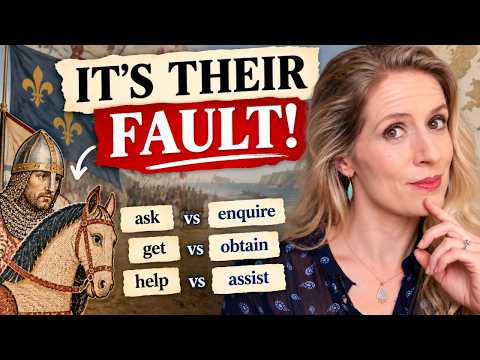
Susan posted on 2026/11/16Have you ever wondered why English has pairs like 'help' and 'assist' or 'house' and 'mansion'? This video dives into the fascinating history of 1066 to show you how French and Old English shaped our daily speech and how to pick the right word for every situation. You'll even pick up some handy conversational idioms like 'nod off' and 'call someone's bluff' to make your English sound more natural.
Learn this video on the APP!
The VoiceTube App has more in-depth practice for videos!