
along with
US /əˈlɔŋ wɪð/
UK /əˈlɔŋ wið/
- Preposition
- In addition to; together with.
- Adverb
- In company or together with someone or something.
- Including; in addition to.
A2Morearound the world
US /əˈraʊnd ði wɜrld/
UK /əˈraund ðə wɜː(r)ld/
- Phrase
- In or to many countries.
- In various places throughout the world.
A2Morearray
US /ə'reɪ/
UK /əˈreɪ/
- Noun
- A regular order or arrangement of things
- Transitive Verb
- To arrange things in a regular order
B2TOEICMoreas follows
US
UK
- Phrase
- Used to introduce a list or explanation.
A1Moreas long as
US /æz lɔŋ æz/
UK /æz lɔŋ æz/
- Conjunction
- For the period that; provided that.
- For the length of time that
- Preposition
- On the condition that; providing that.
- Having the same length as.
A1Moreat work
US /æt wɚk/
UK /æt wə:k/
- Phrase
- Located at one's place of employment
A1Moreautonomy
US /ɔˈtɑnəmi/
UK /ɔ:'tɒnəmɪ/
- Uncountable Noun
- The power to make independent decisions
B1Morecognitive
US /ˈkɑɡnɪtɪv/
UK /ˈkɒgnətɪv/
- Adjective
- The process of knowing and remembering
- Relating to the ability to think and reason.
C1Morecomplicate
US /ˈkɑ:mplɪkeɪt/
UK /ˈkɒmplɪkeɪt/
- Transitive Verb
- To make more difficult to do, understand or use
B1Moreconceptual
US /kənˈsɛptʃuəl/
UK /kənˈseptʃuəl/
- Adjective
- Including concepts or the forming of concepts
B1Moreconclusion
US /kənˈkluʒən/
UK /kənˈklu:ʒn/
- Noun
- End of something; finish
- Judgment or opinion after thinking for a while
A2Moreconspiracy
US /kənˈspɪrəsi/
UK /kən'spɪrəsɪ/
- Noun
- Plan made in secret to do something illegal
B2Morecontrary to
US /ˈkɑnˌtrɛri tu/
UK /ˈkɔntrəri tu:/
- Preposition
- In opposition to; against.
- Differing from; not in agreement with.
A1Moredirect
US /dɪˈrɛkt, daɪ-/
UK /də'rekt/
- Transitive Verb
- To tell someone in a very clear way to do something
- To show the way by conducting or leading
- Adverb
- Coming straight from something
A2TOEICMoredirection
US /dɪˈrɛkʃən, daɪ-/
UK /də'rekʃn/
- Noun (Countable/Uncountable)
- When someone tells people what to do
- Describes the way you are going, e.g. North
A2TOEICMoreemerge
US /ɪˈmɚdʒ/
UK /ɪ'mɜ:dʒ/
- Intransitive Verb
- To rise or appear out of some background
- To become known or apparent.
A2TOEICMoreequivalent
US /ɪˈkwɪvələnt/
UK /ɪˈkwɪvələnt/
- Adjective
- Equal to something in value, use or meaning
- Having the same meaning or significance.
- Noun
- Thing like another in quality, quantity or degree
B1TOEICMoreessentially
US /ɪˈsenʃəli/
UK /ɪˈsenʃəli/
- Adverb
- Basically; (said when stating the basic facts)
- Used to emphasize the basic truth or fact of a situation.
A2Moreexperiment
US /ɪkˈspɛrəmənt/
UK /ɪk'sperɪmənt/
- Noun (Countable/Uncountable)
- Test performed to assess new ideas or theories
- A course of action tentatively adopted without being sure of the eventual outcome.
- Verb (Transitive/Intransitive)
- To create and perform tests to research something
- To try something new that you haven't tried before
A2TOEICMorefly in the face of
US /flaɪ ɪn ðə feɪs ʌv/
UK /flai in ðə feis ov/
- other
- To openly contradict or oppose something established.
B2Morefollow along
US /ˈfɑlo əˈlɔŋ/
UK /ˈfɔləu əˈlɔŋ/
- Phrasal Verb
- To agree to do or act the same as others
A1Morefor free
US /fɔr fri/
UK /fɔ: fri:/
- Phrase
- Without charge; at no cost.
- Adjective
- Available without payment.
A2Morefor someone
US /fɚ ˈsʌmwʌn/
UK /fə ˈsʌmwʌn/
- other
- On behalf of or intended for a particular person.
A1Morefound out
US
UK
- Phrasal Verb
- To learn or discover something, often after some effort.
- To become known; be revealed.
B2Morefreaky
US /ˈfriki/
UK /'fri:kɪ/
- Adjective
- Strange and somewhat frightening
- Causing feelings of fear and disgust; unpleasant
C2Moreget out of
US /ɡɛt aʊt ʌv/
UK /ɡet aut ɔv/
- Phrasal Verb
- To leave or escape responsibilities, troubles
- To leave a small, enclosed vehicle
A1Moreget past
US /ɡɛt pæst/
UK /ɡet pɑːst/
- Phrasal Verb
- To overcome an obstacle or difficulty.
- To move beyond someone or something that is blocking your way.
A1Moregoing on
US /ˈɡoɪŋ ɑn/
UK /ˈgəʊɪŋ ɔn/
- Phrasal Verb
- To continue doing something
- To happen (usually negative)
A1Morehave to
US /hæv tu/
UK /ˈhæv tə/
- Auxiliary Verb
- Must do
A1Morein fact
US /ɪn fækt/
UK /in fækt/
- Adverb
- Used to emphasize the truth of a statement, especially one that contrasts with or contradicts something else.
- Used to introduce a more detailed or surprising piece of information.
- Phrase
- Used to emphasize the truth of a statement, especially one that is surprising or contrary to what might be expected.
C1Morein the face of
US //ɪn ðə feɪs ɑv//
UK
- Phrase
- When confronted with something difficult or challenging.
- Despite; in defiance of; when confronted with.
A1Morein time
US /ɪn taɪm/
UK /in taim/
- Adverb
- Eventually; after a period of time.
- Not late; with enough time to spare.
- Phrase
- Eventually; before it is too late.
- According to the scheduled time; punctual.
A1Morein ways
US
UK
- Phrase
- In a manner or by methods that.
- In certain respects or aspects.
A1Moreinnovation
US /ˌɪnəˈveʃən/
UK /ˌɪnəˈveɪʃn/
- Uncountable Noun
- Process of creating new ideas or inventions
- A new thing or method that is introduced.
B1TOEICMorelead to
US /lid tu/
UK /li:d tu:/
- Phrasal Verb
- To result in some action
- Verb (Transitive/Intransitive)
- To have something as a consequence or result.
A1Morelook at
US /lʊk æt/
UK /luk æt/
- Phrasal Verb
- To use your eyes to focus on something
- To focus your eyes on something carefully
A1Morelook into
US /lʊk ˈɪntu/
UK /luk ˈɪntuː/
- Phrasal Verb
- To investigate or try to discover the reasons for
A1Moremainstream
US /ˈmenˌstrim/
UK /ˈmeɪnstri:m/
- Noun
- Prevailing current of thought
- Adjective
- considered normal, and having or using ideas, beliefs, etc. that are accepted by most people
- Considered normal because it reflects what is done or accepted by most people
C2Moremedium well
US
UK
- Adjective
- A steak cooked so that it is slightly pink in the center.
A1Moremonetary
US /ˈmɑnɪˌtɛri, ˈmʌn-/
UK /ˈmʌnɪtri/
- Adjective
- Concerning a country's economic system
- Relating to money or currency.
B2TOEICMoremotivator
US /'moʊtɪveɪtə(r)/
UK /'məʊtɪveɪtə(r)/
- Noun
- The reason you have the will to do something
- A person or thing that motivates someone.
B1Morenortheastern
US /ˌnɔ:θ'i:stən/
UK /ˌnɔ:θ'i:stən/
- Adjective
- Area in both the north and east
C2Moreoff the table
US
UK
- Phrase
- No longer being considered or discussed.
- Removed from the table.
A1Moreout there
US /aʊt ðɛr/
UK /aut ðɛə/
- Adverb
- In or to a place that is far away
- Existing in the universe
- Adjective
- Unconventional; strange; avant-garde
- Existing or available.
A1Moreperformance
US / pɚˈfɔrməns/
UK /pə'fɔ:məns/
- Noun
- Act of doing something
- Activity done to entertain an audience
A2TOEICMorepoint out
US /pɔɪnt aʊt/
UK /pɔint aut/
- Phrasal Verb
- To make others aware of an idea
- To draw attention to something or someone
A1Morepurpose
US /ˈpɚpəs/
UK /'pɜ:pəs/
- Noun (Countable/Uncountable)
- Reason for which something is done; aim; goal
- A person's sense of resolve or determination.
- Adverb
- With clear intention or determination.
- Intentionally; deliberately.
A2TOEICMorerather than
US
UK
- Adverb
- More exactly; more correctly
- Preferably; instead
- Preposition
- Instead of
A1Moreresearch
US /rɪˈsɚtʃ, ˈriˌsɚtʃ/
UK /rɪ'sɜ:tʃ/
- Verb (Transitive/Intransitive)
- To study in order to discover new ideas and facts
- To study the market relating to marketing products and services.
- Noun (Countable/Uncountable)
- Study done to discover new ideas and facts
- A particular area or topic of study.
A2TOEICMorereward
US /rɪˈwɔrd/
UK /rɪ'wɔ:d/
- Transitive Verb
- To give something because of someone's good work
- To give someone money for helping the police
- Noun
- Money given for information about criminals
- Something given in recognition of service, effort, or achievement.
A2TOEICMorerudimentary
US /ˌrudəˈmɛntəri, -ˈmɛntri/
UK /ˌru:dɪˈmentri/
- Adjective
- Being or involving basic facts or principles
B2Morerun afoul of
US
UK
- Phrasal Verb
- To come into conflict with; to violate or transgress.
A1Moresignificant
US /sɪɡˈnɪfɪkənt/
UK /sɪgˈnɪfɪkənt/
- Adjective
- Large enough to be noticed or have an effect
- Having meaning; important; noticeable
A2TOEICMoresocialist
US /ˈsoʊʃəlɪst/
UK /ˈsəʊʃəlɪst/
- Adjective
- Of socialism; being a socialist
- Noun
- Supporter of free benefits under state control
B1Moresophisticated
US /səˈfɪstɪˌketɪd/
UK /səˈfɪstɪkeɪtɪd/
- Adjective
- Making a good sounding but misleading argument
- Wise in the way of the world; having refined taste
- Transitive Verb
- To make someone more worldly and experienced
B1TOEICMorestuff
US /stʌf/
UK /stʌf/
- Uncountable Noun
- Generic description for things, materials, objects
- Transitive Verb
- To push material inside something, with force
B1Moretask
US /tæsk/
UK /tɑ:sk/
- Noun (Countable/Uncountable)
- Big or small piece of work someone has to do
- Transitive Verb
- To be given something to do, e.g. wash dishes
A2TOEICMoretechnically
US /ˈtɛknɪkl:ɪ/
UK /ˈteknɪkli/
- Adverb
- In an exact and particular manner
- With technical skill or expertise.
A2Moreto some extent
US /tu sʌm ɪkˈstɛnt/
UK /tu: sʌm iksˈtent/
- Phrase
- Partially; not completely.
A1Moretopic
US /ˈtɑpɪk/
UK /'tɒpɪk/
- Noun (Countable/Uncountable)
- Subject or issue people talk or write about
A2TOEICMoretranscendent
US /trænˈsɛndənt/
UK /trænˈsendənt/
- Adjective
- Beyond the range of human experience/understanding
B2TOEICMoreunbelievably
US /ˌʌnbɪˈlivəblɪ/
UK /ˌʌnbɪˈli:vəblɪ/
- Adverb
- Very; exceptionally
B1Moreurge
US /ɚdʒ/
UK /ɜ:dʒ/
- Noun (Countable/Uncountable)
- A strong desire for something
- Strong pressure on someone to do something
- Transitive Verb
- To drive something forward
- To ask or encourage someone to do something
A2Morevery top
US
UK
- Noun
- The highest point or part of something.
- Adjective
- The most important or successful.
want in
US
UK
- Intransitive Verb
- To desire to participate or be included in something.
A1Morework on
US /wɚk ɑn/
UK /wə:k ɔn/
- Phrasal Verb
- To devote effort to improve or develop something
- To try to persuade or influence someone.
A1More
Vocabulary
- work on: To devote effort to improve or develop something
- lead to: To result in some action
- for free: Without charge; at no cost.
- medium well: A steak cooked so that it is slightly pink in the center.
- very top: The highest point or part of something.
- found out: To learn or discover something, often after some effort.
- as long as: For the period that; provided that.
- contrary to: In opposition to; against.
- point out: To make others aware of an idea
- as follows: Used to introduce a list or explanation.
- to some extent: Partially; not completely.
- follow along: To agree to do or act the same as others
- have to: Must do
- in fact: Used to emphasize the truth of a statement, especially one that contrasts with or contradicts something else.
- at work: Located at one's place of employment
- off the table: No longer being considered or discussed.
- out there: In or to a place that is far away
- run afoul of: To come into conflict with; to violate or transgress.
- want in: To desire to participate or be included in something.
- get out of: To leave or escape responsibilities, troubles
- in ways: In a manner or by methods that.
- in time: Eventually; after a period of time.
- around the world: In or to many countries.
- rather than: More exactly; more correctly
- in the face of: When confronted with something difficult or challenging.
- fly in the face of: To openly contradict or oppose something established.
- going on: To continue doing something
- for someone: On behalf of or intended for a particular person.
- look into: To investigate or try to discover the reasons for
- along with: In addition to; together with.
- look at: To use your eyes to focus on something
- get past: To overcome an obstacle or difficulty.
- stuff: Generic description for things, materials, objects
- cognitive: The process of knowing and remembering
- sort: To organize things by putting them into groups
- essentially: Basically; (said when stating the basic facts)
- equivalent: Equal to something in value, use or meaning
- significant: Large enough to be noticed or have an effect
- sophisticated: Making a good sounding but misleading argument
- urge: A strong desire for something
- experiment: Test performed to assess new ideas or theories
- purpose: Reason for which something is done; aim; goal
- reward: To give something because of someone's good work
- imagine: To think creatively about; form mental picture of
- research: To study in order to discover new ideas and facts
- bit: Device put in a horse's mouth to control it
- exist: To be present, alive or real
- autonomy: The power to make independent decisions
- task: Big or small piece of work someone has to do
- innovation: Process of creating new ideas or inventions
- direct: To tell someone in a very clear way to do something
- behavior: The way a person or thing acts; manner
- emerge: To rise or appear out of some background
- direction: When someone tells people what to do
- conclusion: End of something; finish
- pretty: Being attractive to the eye in a simple way
- performance: Act of doing something
- conspiracy: Plan made in secret to do something illegal
- technically: In an exact and particular manner
- lead: Wire for electricity, computer, etc.; cable
- topic: Subject or issue people talk or write about
- strange: Unusual or odd; surprising because unexpected
- leave: To go away from; depart
- monetary: Concerning a country's economic system
- company: Good feeling from being with someone else
- array: A regular order or arrangement of things
- complicate: To make more difficult to do, understand or use
- place: To put someone in a particular type of situation
- mainstream: Prevailing current of thought
- kind: In a caring and helpful manner
- offer: Price you say you are willing to pay for something
- great: Very good; better than before
- find: To become aware of something that is happening
- rudimentary: Being or involving basic facts or principles
- conceptual: Including concepts or the forming of concepts
- freaky: Strange and somewhat frightening
- motivator: The reason you have the will to do something
- transcendent: Beyond the range of human experience/understanding
- socialist: Of socialism; being a socialist
- unbelievably: Very; exceptionally
- northeastern: Area in both the north and east
Get the full experience in the app
Learn anywhere with detailed sentence and usage analysis
01:03
She took a brave step forward, leaving behind her comfort zone to chase her dreams.
Vocabulary
- brave
adj. Having courage
- comfort zone
phr. A familiar situation where one feels safe
Explanation
a brave step is a noun phrase, where brave is an adjective modifying the noun step, meaning "a courageous step".
forward is an adverb modifying step, meaning "ahead".
The whole phrase serves as the object, answering the "what" of took (verb) — she took a brave step forward.
Get the full experience in the app
Look up words anytime with pronunciation, part of speech, and usage
brave
US/brev/
UK/breɪv/
adj.Brave
v.t.To bravely face
A2 Elementary
Get the full experience in the app
Practice speaking anytime and get instant pronunciation feedback
Try this speaking exercise.
Try practicing with this sentence.
80
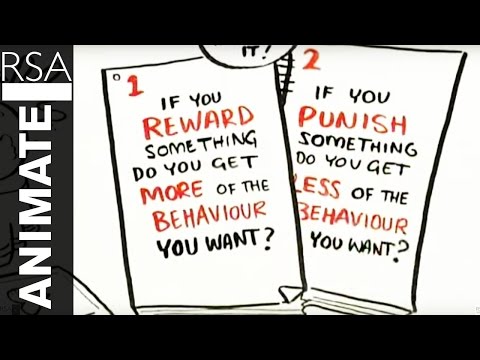
RSA ANIMATE: Drive: The surprising truth about what motivates us
0
林宜悉 posted on 2026/11/15Have you ever wondered if big cash bonuses actually make you work better? This eye-opening talk explores why traditional 'carrots and sticks' incentives often fail for creative tasks and introduces the powerful drivers of autonomy, mastery, and purpose. It is a fantastic way to sharpen your professional vocabulary while learning the surprising science behind what truly keeps us motivated.
Learn this video on the APP!
The VoiceTube App has more in-depth practice for videos!