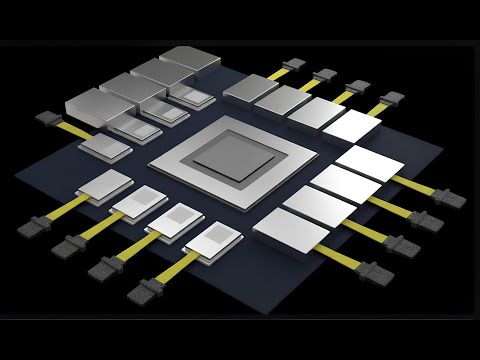

achieve
US /əˈtʃiv/
UK /ə'tʃi:v/
- Transitive Verb
- To succeed in doing good, usually by working hard
- To succeed in reaching a particular goal, status, or standard, often after effort or perseverance.
A2TOEICMoreadjacent
US /əˈdʒesənt/
UK /əˈdʒeɪsnt/
- Adjective
- Being close or near to a border, wall, or point
- (In geometry) having a common vertex and side.
B1Moreback into
US /bæk ˈɪntu/
UK /bæk ˈɪntuː/
- Phrasal Verb
- To drive a vehicle backwards into a space or area.
- To accidentally collide with something while moving backwards.
A1Morebreak down
US /brek daʊn/
UK /breik daun/
- Phrasal Verb
- To forcibly break, destroy or make collapse
- (Machine) to stop working or become weaker
A1Morecapacity
US /kəˈpæsɪti/
UK /kə'pæsətɪ/
- Noun (Countable/Uncountable)
- Ability to hold, involve or contain (e.g. liquids)
- Largest amount of something that can be produced
B1Morechannel
US /ˈtʃænəl/
UK /'tʃænl/
- Noun (Countable/Uncountable)
- Long hole dug in the ground, e.g. to move water
- TV or radio station or its programs
- Transitive Verb
- To dig a long hole for carrying water
- To send (e.g. money) to a certain place or person
B1Morechief among them
US
UK
- Phrase
- Most importantly; the most significant of a group.
A1Morechip
US /tʃɪp/
UK /tʃɪp/
- Transitive Verb
- To break a small piece off something such as a cup
- To break into small pieces, often with a tool
- Noun (Countable/Uncountable)
- Small piece that has broken off (e.g. from cup)
- Piece of computer hardware that does calculations
B1Morechip into
US /tʃɪp ˈɪntu/
UK /tʃɪp ˈɪntə/
- other
- To contribute money to a common cause.
B2Morecomplex
US /kəmˈplɛks, ˈkɑmˌplɛks/
UK /'kɒmpleks/
- Countable Noun
- Group of buildings all used for the same purpose
- Adjective
- Not being simple; having many parts or aspects
A2Morecomponent
US /kəmˈponənt/
UK /kəmˈpəʊnənt/
- Noun (Countable/Uncountable)
- One of the parts that something is made up of
- A constituent part; ingredient.
- Adjective
- Being a part of something
A2Moreconsumption
US /kənˈsʌmpʃən/
UK /kənˈsʌmpʃn/
- Noun (Countable/Uncountable)
- The act of buying and using products
- The act of using energy, food or materials; the amount used
B1Moreconventional
US /kənˈvɛnʃənəl/
UK /kən'venʃənl/
- Adjective
- Following the common attitudes and practices
- Non-nuclear
B2Morecounterpart
US /ˈkaʊntərpɑ:rt/
UK /ˈkaʊntəpɑ:t/
- Countable Noun
- Person/thing having same function/characteristics
B2Moredegrade
US /dɪˈɡred/
UK /dɪ'ɡreɪd/
- Transitive Verb
- To reduce in amount or strength
B2Moredemand
US /dɪˈmænd/
UK /dɪ'mɑ:nd/
- Noun (Countable/Uncountable)
- Desire customers have to buy product, service
- A strong request for someone to do something
- Transitive Verb
- To strongly request someone to do something
- To need something.
A2TOEICMoredifferential
US /ˌdɪfəˈrɛnʃəl/
UK /ˌdɪfəˈrenʃl/
- Adjective
- Different, as in treatment; discriminatory
- Relating to or based on a difference; involving derivatives.
- Noun
- A gear to let back wheels spin at different speeds
- An infinitesimal change in a variable; a derivative.
B2Moredivide
US /dɪˈvaɪd/
UK /dɪ'vaɪd/
- Verb (Transitive/Intransitive)
- To split numbers by another number, e.g. 6 / 2 = 3
- To separate something into equal pieces
- Noun
- A separation or distinction.
A2TOEICMoredominate
US /ˈdɑməˌnet/
UK /'dɒmɪneɪt/
- Verb (Transitive/Intransitive)
- To be taller, bigger, or more physically obvious
- To control; rule; enjoy a commanding position in
B1TOEICMoreexceed
US /ɪkˈsid/
UK /ɪk'si:d/
- Transitive Verb
- To be greater in number, degree than something
- To go above or beyond a limit or rule
B1TOEICMoreexcessive
US /ɪkˈsɛsɪv/
UK /ɪkˈsesɪv/
- Adjective
- Beyond what is usual or proper
B2Moreextremely
US /ɪk'strimlɪ/
UK /ɪkˈstri:mli/
- Adverb
- In a way that is much more than usual or expected
- Remarkably; unusually.
B1Morefiber
US /'faɪbə/
UK /'faɪbə/
- Noun (Countable/Uncountable)
- Basic character and nature of a person
- Stringy substance found in food, e.g. wholewheat
C2Morefit into
US /fɪt ˈɪntu/
UK /fit ˈɪntuː/
- Phrasal Verb
- To be small enough to go inside something.
- To feel like you belong to a group.
A2Moregenerate
US /ˈdʒɛnəˌret/
UK /ˈdʒenəreɪt/
- Transitive Verb
- To create or be produced or bring into existence
- To create electricity, heat, energy and power
A2TOEICMorein parallel
US /ɪn ˈpærəˌlɛl/
UK /in ˈpærəlel/
- Adverb
- Done at the same time; simultaneously.
- Adjective
- Relating to a system where multiple operations are carried out simultaneously, especially in computing.
C2Moreintegrity
US /ɪnˈtɛɡrɪti/
UK /ɪnˈtegrəti/
- Uncountable Noun
- Quality of being honest, fair and honorable
- The state of being whole and undivided.
B1TOEICMorelatency
US /ˈletn:si/
UK /'leɪtənsɪ/
- Uncountable Noun
- State of being not yet evident or active
B2Moremassive
US /ˈmæsɪv/
UK /ˈmæsɪv/
- Adjective
- Very big; large; too big
- Large or imposing in scale or scope.
B1Moremount
US /maʊnt/
UK /maʊnt/
- Transitive Verb
- To attach something to something else
- To set a picture, jewel etc. in
- Noun
- An attachment used to keep something in place
- Horse that someone is riding
B2Morenegative
US /ˈnɛɡətɪv/
UK /'neɡətɪv/
- Noun
- The opposite to a positive electrical charge
- In grammar, containing words such as 'no' or 'not'
- Adjective
- Being harmful, unwanted or unhelpful
- In mathematics, being less than zero
A2Morenext to
US /nɛkst tu/
UK /nekst tu:/
- Preposition
- Being located along side another
- In comparison with
- Adverb
- Almost; nearly
A1Moreoptical
US /ˈɑptɪkəl/
UK /ˈɒptɪkl/
- Adjective
- Concerning vision or helping people see
B1Moreparallel
US /ˈpærəˌlɛl/
UK /'pærəlel/
- Verb (Transitive/Intransitive)
- To be equal to, or like, something else
- To compare
- Noun (Countable/Uncountable)
- A line on a map a set distance from the equator
- A similarity; a comparison.
B1Morepath
US /pæθ, pɑθ/
UK /pɑ:θ/
- Noun
- Method of living leading to a particular result
- Track made with stones, by walking over the ground
A2TOEICMorepositive
US /ˈpɑzɪtɪv/
UK /ˈpɒzətɪv/
- Adjective
- Showing agreement or support for something
- Being sure about something; knowing the truth
- Noun
- A photograph in which light areas are light and dark areas are dark
A2Moreprimary
US /ˈpraɪˌmɛri, -məri/
UK /'praɪmərɪ/
- Adjective
- Most important, most basic or essential
- Happening first; earliest
B2Moreprocess
US /ˈprɑsˌɛs, ˈproˌsɛs/
UK /prə'ses/
- Transitive Verb
- To organize and use data in a computer
- To deal with official forms in the way required
- Noun (Countable/Uncountable)
- Dealing with official forms in the way required
- Set of changes that occur slowly and naturally
A2TOEICMorerack
US /ræk/
UK /ræk/
- Noun
- A frame, stand, hook on which things are hung
- Transitive Verb
- To cause someone pain or suffering
B1Morereach
US /ritʃ/
UK /ri:tʃ/
- Verb (Transitive/Intransitive)
- To come to or arrive at a goal or destination
- To be long enough to get to a certain place
- Uncountable Noun
- Power or control someone has over something
A2TOEICMorerely
US /rɪˈlaɪ/
UK /rɪ'laɪ/
- Intransitive Verb
- Depend on with full trust or confidence
- To trust or have confidence in someone.
B2TOEICMoreremovable
US /rɪˈmuvəbəl/
UK /rɪˈmu:vəbl/
- Adjective
- Able to be taken away or taken off
B2Morerequire
US /rɪˈkwaɪr/
UK /rɪ'kwaɪə(r)/
- Transitive Verb
- To demand that someone does something
- To need to do something, to make it necessary
A2TOEICMoreresult
US /rɪˈzʌlt/
UK /rɪ'zʌlt/
- Noun
- Something produced through tests or experiments
- Final score of a competition, election or game
- Intransitive Verb
- To be the outcome of other causes and effects
- To happen or exist as a consequence of something.
A2Moreset to
US /sɛt tu/
UK /set tu:/
- Phrasal Verb
- To energetically begin to do, e.g. making a fire
A1Moresignificant
US /sɪɡˈnɪfɪkənt/
UK /sɪgˈnɪfɪkənt/
- Adjective
- Large enough to be noticed or have an effect
- Having meaning; important; noticeable
A2TOEICMorestraightforward
US /stretˈfɔrwəd/
UK /ˌstreɪtˈfɔ:wəd/
- Adjective
- Easy to do or understand; not complicated
- Honest and open; not trying to hide anything.
B1TOEICMoresynchronization
US /ˌsɪŋkrənaɪ'zeɪʃn/
UK /ˌsɪŋkrənaɪ'zeɪʃn/
- Uncountable Noun
- Adjustment causing two things to work in unison
C1Moresynchronize
US
UK
- Transitive Verb
- To make two things work at the same time
C2Morethe bottom line
US /ði ˈbɑtəm laɪn/
UK /ðə ˈbɔtəm lain/
- Noun
- The most important thing; the essential point.
- The net income or profit of a company.
A2Morethe following
US
UK
- Adjective
- Next in order or sequence.
- Uncountable Noun
- What is about to be said or written.
B1Morethink of
US /θɪŋk ʌv/
UK /θiŋk ɔv/
- Phrasal Verb
- To look on as (being something specific); consider
- To consider or remember something.
- Verb (Transitive/Intransitive)
- To imagine or call something to mind
A1Moretransmit
US /trænsˈmɪt, trænz-/
UK /trænsˈmɪt/
- Transitive Verb
- To broadcast by using signals to a radio/TV
- To broadcast by using signals to a radio/TV
B1Moretypical
US /ˈtɪpɪkəl/
UK /ˈtɪpɪkl/
- Adjective
- Normal; usual; expected
- Serving as a representative example of a particular type.
A2Moreused to
US /juzd tu/
UK /ˈju:st tə/
- Adjective
- Did regularly before, but don't do now
- Auxiliary Verb
- Have done before, but do not do now
A1Morevice
US /ˌvaɪ.sə/
UK /ˌvaɪs/
- Noun
- used as part of the title of particular positions. The person who holds one of these positions is next below in authority to the person who holds the full position and can act for them
- Noun (Countable/Uncountable)
- a moral fault or weakness in someone's character
- illegal and immoral activities, especially involving illegal sex, drugs, etc.
B2More
Vocabulary
- break down: To forcibly break, destroy or make collapse
- set to: To energetically begin to do, e.g. making a fire
- the following: Next in order or sequence.
- in parallel: Done at the same time; simultaneously.
- fit into: To be small enough to go inside something.
- chip into: To contribute money to a common cause.
- back into: To drive a vehicle backwards into a space or area.
- used to: Did regularly before, but don't do now
- think of: To look on as (being something specific); consider
- next to: Being located along side another
- the bottom line: The most important thing; the essential point.
- chief among them: Most importantly; the most significant of a group.
- massive: Very big; large; too big
- significant: Large enough to be noticed or have an effect
- process: To organize and use data in a computer
- extremely: In a way that is much more than usual or expected
- present: Being in attendance; being there; having turned up
- positive: Showing agreement or support for something
- negative: The opposite to a positive electrical charge
- integrity: Quality of being honest, fair and honorable
- effective: Working efficiently to produce a desired result
- capacity: Ability to hold, involve or contain (e.g. liquids)
- achieve: To succeed in doing good, usually by working hard
- straightforward: Easy to do or understand; not complicated
- consumption: The act of buying and using products
- complex: Group of buildings all used for the same purpose
- demand: Desire customers have to buy product, service
- excessive: Beyond what is usual or proper
- component: One of the parts that something is made up of
- divide: To split numbers by another number, e.g. 6 / 2 = 3
- conventional: Following the common attitudes and practices
- vice: used as part of the title of particular positions. The person who holds one of these positions is next below in authority to the person who holds the full position and can act for them
- reach: To come to or arrive at a goal or destination
- path: Method of living leading to a particular result
- require: To demand that someone does something
- primary: Most important, most basic or essential
- typical: Normal; usual; expected
- parallel: To be equal to, or like, something else
- generate: To create or be produced or bring into existence
- result: Something produced through tests or experiments
- rate: To assess something or consider its qualities
- ground: To break (coffee, etc.) into tiny bits with machine
- fiber: Basic character and nature of a person
- dominate: To be taller, bigger, or more physically obvious
- rely: Depend on with full trust or confidence
- counterpart: Person/thing having same function/characteristics
- channel: Long hole dug in the ground, e.g. to move water
- information: Collection of facts and details about something
- modern: Of the present time; up to date; contemporary
- suit: To be appropriate for a given situation
- chip: To break a small piece off something such as a cup
- exceed: To be greater in number, degree than something
- transmit: To broadcast by using signals to a radio/TV
- rack: A frame, stand, hook on which things are hung
- optical: Concerning vision or helping people see
- front: Behavior not showing a person's true feelings
- space: Empty area kept for a specific reason, like a car
- hard: Difficult to do; difficult to understand
- make: To arrange or prepare something e.g. dinner
- include: To make someone, something part of a group
- adjacent: Being close or near to a border, wall, or point
- fast: In a way that is difficult to move or change
- mount: To attach something to something else
- hold: To agree to keep something for someone
- train: Line of people, animals moving the same direction
- degrade: To reduce in amount or strength
- synchronize: To make two things work at the same time
- latency: State of being not yet evident or active
- synchronization: Adjustment causing two things to work in unison
- differential: Different, as in treatment; discriminatory
- removable: Able to be taken away or taken off
Get the full experience in the app
Learn anywhere with detailed sentence and usage analysis
01:03
She took a brave step forward, leaving behind her comfort zone to chase her dreams.
Vocabulary
- brave
adj. Having courage
- comfort zone
phr. A familiar situation where one feels safe
Explanation
a brave step is a noun phrase, where brave is an adjective modifying the noun step, meaning "a courageous step".
forward is an adverb modifying step, meaning "ahead".
The whole phrase serves as the object, answering the "what" of took (verb) — she took a brave step forward.
Get the full experience in the app
Look up words anytime with pronunciation, part of speech, and usage
brave
US/brev/
UK/breɪv/
adj.Brave
v.t.To bravely face
A2 Elementary
Get the full experience in the app
Practice speaking anytime and get instant pronunciation feedback
Try this speaking exercise.
Try practicing with this sentence.
80
Co-Packaged Optics: Why Traditional Pluggable Transceivers Are Struggling to Keep Up With AI
0
佛斯特 posted on 2026/11/15Ever wonder how massive AI data centers keep up with such huge data demands? This video explores why traditional pluggable transceivers are struggling and how innovative co-packaged optics are changing the game for next-generation networking. It is a fantastic way to pick up technical vocabulary like 'signal integrity' and 'latency' while learning about the hardware driving today's AI breakthroughs.
Learn this video on the APP!
The VoiceTube App has more in-depth practice for videos!