
access
US /ˈæksɛs/
UK /'ækses/
- Noun (Countable/Uncountable)
- Way to enter a place, e.g. a station or stadium
- The opportunity or right to use something or to see someone.
- Transitive Verb
- To be able to use or have permission to use
A2TOEICMoreaffect
US /əˈfɛkt/
UK /ə'fekt/
- Transitive Verb
- To cause a change in something else
- To pretend to have or feel (something).
- Noun
- (Psychology) Emotion or feeling.
A2TOEICMoreafford
US /əˈfɔrd, əˈford/
UK /ə'fɔ:d/
- Transitive Verb
- To make available, to provide
- To have enough money to pay for something
A2TOEICMoreall the rage
US
UK
- Phrase
- Being the current popular thing
B1Moreas a whole
US /æz e hol/
UK /æz ə həul/
- Phrase
- Considering everything together; in general.
- Complete; not divided or incomplete.
- Adjective
- Complete; not divided or fragmented.
A1Moreas for
US /æz fɔr/
UK /æz fɔ:/
- Preposition
- Concerning; regarding.
- Phrase
- Used to introduce a new topic or aspect of a subject.
A1Moreat fault
US /æt fɔlt/
UK /æt fɔ:lt/
- Adjective
- Responsible for something negative or undesirable; deserving blame.
- Phrase
- Culpable; deserving of blame or censure.
A1Moreat some point
US /æt sʌm pɔɪnt/
UK /æt sʌm pɔint/
- Phrase
- At an unspecified time, usually in the future.
A1Moreblack and white
US /blæk ənd hwaɪt/
UK /blæk ænd hwait/
- Phrase
- Adjective
- Showing images only in black, grey, and white, not in colour.
A1Moreburden
US /ˈbɚdn/
UK /'bɜ:dn/
- Transitive Verb
- To weigh down with a load; impose a task upon
- Noun (Countable/Uncountable)
- Something difficult to do, manage, or accept
- Something that is carried with difficulty; an oppressive load.
B1Morecombination
US /ˌkɑmbəˈneʃən/
UK /ˌkɒmbɪ'neɪʃn/
- Noun
- Series of letters or numbers needed to open a lock
- Act or result of mixing things together
B1Morecompared with
US /kəmˈpɛrd wɪð/
UK /kəmˈpeəd wið/
- Preposition
- In relation to
- Verb (Transitive/Intransitive)
- To have examined the differences or similarities between two or more things.
A1Moredatum
US /ˈdetəm, ˈdætəm, ˈdɑtəm/
UK /ˈdeɪtəm/
- Noun
- Item of factual information
B1Morediabetes
US /ˌdaɪəˈbitɪs, -tiz/
UK /ˌdaɪəˈbi:ti:z/
- Noun (Countable/Uncountable)
- Illness where there is too much sugar in the blood
- A form of diabetes, usually diagnosed in children and young adults, in which the body does not produce insulin.
B2Moredisease
US /dɪˈziz/
UK /dɪˈzi:z/
- Noun (Countable/Uncountable)
- Illness that affects a person, animal, or plant
- A disorder of structure or function in a plant, especially one caused by a pathogen.
- Transitive Verb
- To affect with disease; to corrupt or sicken.
A2TOEICMoreeffectiveness
US /əˈfɛktɪvnɪs/
UK /ɪˌfek'tɪvnɪs/
- Uncountable Noun
- Degree of how well something works or is done
B2Morefactor in
US /ˈfæktɚ ɪn/
UK /ˈfæktə in/
- Phrasal Verb
- To include something as an important element when making a decision or calculation.
B2Morefade
US /fed/
UK /feɪd/
- Intransitive Verb
- To cause to lose brightness of color
- To lose strength or freshness
A2TOEICMorefascinating
US /ˈfæsəˌnetɪŋ/
UK /ˈfæsɪneɪtɪŋ/
- Transitive Verb
- To attract or interest greatly
- To hold someone captive with a gaze or other means.
- Adjective
- Having your attention fixated as though by a spell
B1Morefrequency
US /ˈfrikwənsi/
UK /'fri:kwənsɪ/
- Uncountable Noun
- Number of repetitions of (radio or sound) wave
- How often something happens
B1TOEICMoregenetic
US /dʒəˈnɛtɪk/
UK /dʒəˈnetɪk/
- Adjective
- Of, relating to, or controlled by genes
- Relating to genes or heredity.
B1Moregreedy
US /ˈɡridi/
UK /'ɡri:dɪ/
- Adjective
- Wanting to have more of something than you need
B1Morehealthcare
US /'helθker/
UK /'helθkeə/
- Uncountable Noun
- Nursing care to prevent illness or recover from it
B1Moreheckler
US
UK
- Countable Noun
- Person intentionally interrupting a public speaker
C2Morehousehold
US /ˈhaʊsˌhold/
UK /'haʊshəʊld/
- Adjective
- Being in everyday use; common
- Relating to a house or home.
- Noun (Countable/Uncountable)
- Concerning a home
- Family or other group living together in a house
B1Moreidentify
US /aɪˈdɛntəˌfaɪ/
UK /aɪ'dentɪfaɪ/
- Transitive Verb
- To indicate who or what someone or something is
- To say exactly what something is
B1TOEICMoreillness
US /ˈɪlnɪs/
UK /ˈɪlnəs/
- Uncountable Noun
- Unhealthy condition of the mind or body
- A particular instance or type of disease.
A2Morein fact
US /ɪn fækt/
UK /in fækt/
- Adverb
- Used to emphasize the truth of a statement, especially one that contrasts with or contradicts something else.
- Used to introduce a more detailed or surprising piece of information.
- Phrase
- Used to emphasize the truth of a statement, especially one that is surprising or contrary to what might be expected.
C1Morein general
US /ɪn ˈdʒɛnərəl/
UK /in ˈdʒenərəl/
- Phrase
- Typically; usually; on the whole.
- Not specific or detailed; broadly.
- Adjective
- Not detailed or specific; overall.
C2Morein particular
US /ɪn pɚˈtɪkjəlɚ/
UK /in pəˈtikjulə/
- Phrase
- Specifically; especially.
- Detailed or precise.
A1Morein terms of
US
UK
- Phrase
- With regard to; concerning a particular aspect.
A1Morein the first place
US
UK
- Phrase
- To begin with; as the first point or consideration.
- From the beginning; initially.
A1Moreinfluence
US / ˈɪnfluəns/
UK /'ɪnflʊəns/
- Verb (Transitive/Intransitive)
- To affect or change something indirectly
- To persuade someone to do something.
- Noun (Countable/Uncountable)
- The power to affect what happens, to persuade etc.
- A person or thing that affects someone or something in an important way.
A2TOEICMoreinsecurity
US /ˌɪnsɪˈkjʊrətɪ/
UK /ˌɪnsɪ'kjʊərətɪ/
- Uncountable Noun
- Lack of confidence or certainty about yourself
- State of feeling unsafe
B1Moreinsulin
US /ˈɪnsəlɪn/
UK /ˈɪnsjəlɪn/
- Uncountable Noun
- Substance in the body processing sugar into energy
B2Morelabel
US /ˈlebəl/
UK /'leɪbl/
- Noun (Countable/Uncountable)
- A (luxury) brand owned by a company
- A word or term used to describe a person, thing
- Transitive Verb
- To use a term to describe, often negatively
- To attach material to identify something
A2Morelook at
US /lʊk æt/
UK /luk æt/
- Phrasal Verb
- To use your eyes to focus on something
- To focus your eyes on something carefully
A1Moreminority
US /məˈnɔrɪti, -ˈnɑr-, maɪ-/
UK /maɪ'nɒrətɪ/
- Noun (Countable/Uncountable)
- Group that is smaller and different from the rest
- Part that is less than half the whole; small part
- Adjective
- Being part of a smaller group within a larger one.
B1TOEICMoremiracle
US /ˈmɪrəkəl/
UK /'mɪrəkl/
- Noun (Countable/Uncountable)
- Amazing, seemingly impossible thing that happened
- A remarkable event or development that brings very welcome consequences.
B1Moreof course
US /ʌv kɔː(r)s/
UK /ɔv kɔː(r)s/
- Adverb
- Sure ; Certainly
- Phrase
- For sure; certainly
A2Moreplay out
US
UK
- Phrasal Verb
- To use up or exhaust
- To develop or happen in a particular way.
A1Morepopulation
US /ˌpɑpjəˈleʃən/
UK /ˌpɒpjuˈleɪʃn/
- Noun (Countable/Uncountable)
- Number of people who live in a country, area etc.
- A group of individuals of one species living in a particular area.
A2TOEICMoreprescribe
US /prɪˈskraɪb/
UK /prɪ'skraɪb/
- Transitive Verb
- (Of doctors) to say what medicine should be taken
- To set down rules or guidelines
B2Morerace
US /res/
UK /reɪs/
- Noun (Countable/Uncountable)
- Speed contest between people, animals or vehicles
- People who share physical features or culture
- Intransitive Verb
- To take part in a running or swimming competition
- To move or go at a very fast pace
A2Morerelease
US /rɪ'li:s/
UK /rɪ'li:s/
- Transitive Verb
- To free someone from a responsibility or burden
- To allow a film, music etc. to be sold/distributed
- Noun
- Act of freeing someone from a duty or burden
- Introduction of a new product, film, book, etc.
A2TOEICMoresee in
US /si ɪn/
UK /si: in/
- Phrasal Verb
- To accompany someone to the entrance of a building or room.
A1Moreshame
US /ʃem/
UK /ʃeɪm/
- Uncountable Noun
- Feeling of guilt because you did something wrong
- Transitive Verb
- To make someone feel ashamed
A2Moreshow up
US /ʃo ʌp/
UK /ʃəu ʌp/
- Phrasal Verb
- To arrive or be seen at a place, e.g. a party
- To be noticeably better than (someone else)
A1Morestatus
US /ˈstetəs, ˈstætəs/
UK /'steɪtəs/
- Uncountable Noun
- Position or rank relative to others in a society
- Legal position of a person or thing
A2TOEICMoresuffer from
US /ˈsʌfɚ frʌm/
UK /ˈsʌfə frɔm/
- Intransitive Verb
- To experience pain or distress; to be badly affected by.
A1Moretask
US /tæsk/
UK /tɑ:sk/
- Noun (Countable/Uncountable)
- Big or small piece of work someone has to do
- Transitive Verb
- To be given something to do, e.g. wash dishes
A2TOEICMoretend
US /tɛnd/
UK /tend/
- Intransitive Verb
- To move or act in a certain manner
- Transitive Verb
- To take care of
A2Moreto do with
US
UK
- Phrasal Verb
- To be about something; concern
A1Moretypically
US /ˈtɪpɪklɪ/
UK /ˈtɪpɪkli/
- Adverb
- In a normal or usual way
B1Moreultimately
US /ˈʌltəmɪtli/
UK /ˈʌltɪmətli/
- Adverb
- Done or considered as the final and most important
- Fundamentally; at the most basic level.
B1TOEICMoreused to
US /juzd tu/
UK /ˈju:st tə/
- Adjective
- Did regularly before, but don't do now
- Auxiliary Verb
- Have done before, but do not do now
A1Morewith it
US /wɪð ɪt/
UK /wið it/
- Adjective
- Intelligent, alert, and up-to-date.
- Understanding and knowledgeable about current trends or information.
A1More
Vocabulary
- with it: Intelligent, alert, and up-to-date.
- in fact: Used to emphasize the truth of a statement, especially one that contrasts with or contradicts something else.
- all the rage: Being the current popular thing
- suffer from: To experience pain or distress; to be badly affected by.
- at some point: At an unspecified time, usually in the future.
- look at: To use your eyes to focus on something
- in general: Typically; usually; on the whole.
- in particular: Specifically; especially.
- of course: Sure ; Certainly
- as for: Concerning; regarding.
- show up: To arrive or be seen at a place, e.g. a party
- to do with: To be about something; concern
- as a whole: Considering everything together; in general.
- compared with: In relation to
- at fault: Responsible for something negative or undesirable; deserving blame.
- black and white
- used to: Did regularly before, but don't do now
- play out: To use up or exhaust
- see in: To accompany someone to the entrance of a building or room.
- factor in: To include something as an important element when making a decision or calculation.
- in terms of
- in the first place: To begin with; as the first point or consideration.
- ultimately: Done or considered as the final and most important
- access: Way to enter a place, e.g. a station or stadium
- diabetes: Illness where there is too much sugar in the blood
- fascinating: To attract or interest greatly
- improve: To make, or become, something better
- term: Conditions applying to an agreement, contract
- typically: In a normal or usual way
- tend: To move or act in a certain manner
- treat: To pay for the food or enjoyment of someone else
- expect: To believe something is probably going to happen
- combination: Series of letters or numbers needed to open a lock
- identify: To indicate who or what someone or something is
- disease: Illness that affects a person, animal, or plant
- influence: To affect or change something indirectly
- burden: To weigh down with a load; impose a task upon
- status: Position or rank relative to others in a society
- affect: To cause a change in something else
- afford: To make available, to provide
- task: Big or small piece of work someone has to do
- deal: To cope with something - usually troubles
- genetic: Of, relating to, or controlled by genes
- address: Exact street location of a place
- behavior: The way a person or thing acts; manner
- form: Sports team or person's current winning record
- population: Number of people who live in a country, area etc.
- release: To free someone from a responsibility or burden
- fade: To cause to lose brightness of color
- illness: Unhealthy condition of the mind or body
- household: Being in everyday use; common
- nervous: Concerning the system of nerves in the body
- insulin: Substance in the body processing sugar into energy
- lead: Wire for electricity, computer, etc.; cable
- minority: Group that is smaller and different from the rest
- shame: Feeling of guilt because you did something wrong
- race: Speed contest between people, animals or vehicles
- frequency: Number of repetitions of (radio or sound) wave
- notice: To become aware by sight, touch, or hearing
- insecurity: Lack of confidence or certainty about yourself
- century: Period of 100 years
- important: Having power or authority
- kind: In a caring and helpful manner
- fully: Completely or entirely
- label: A (luxury) brand owned by a company
- miracle: Amazing, seemingly impossible thing that happened
- prescribe: (Of doctors) to say what medicine should be taken
- greedy: Wanting to have more of something than you need
- effectiveness: Degree of how well something works or is done
- datum: Item of factual information
- healthcare: Nursing care to prevent illness or recover from it
- heckler: Person intentionally interrupting a public speaker
Get the full experience in the app
Learn anywhere with detailed sentence and usage analysis
01:03
She took a brave step forward, leaving behind her comfort zone to chase her dreams.
Vocabulary
- brave
adj. Having courage
- comfort zone
phr. A familiar situation where one feels safe
Explanation
a brave step is a noun phrase, where brave is an adjective modifying the noun step, meaning "a courageous step".
forward is an adverb modifying step, meaning "ahead".
The whole phrase serves as the object, answering the "what" of took (verb) — she took a brave step forward.
Get the full experience in the app
Look up words anytime with pronunciation, part of speech, and usage
brave
US/brev/
UK/breɪv/
adj.Brave
v.t.To bravely face
A2 Elementary
Get the full experience in the app
Practice speaking anytime and get instant pronunciation feedback
Try this speaking exercise.
Try practicing with this sentence.
80
0
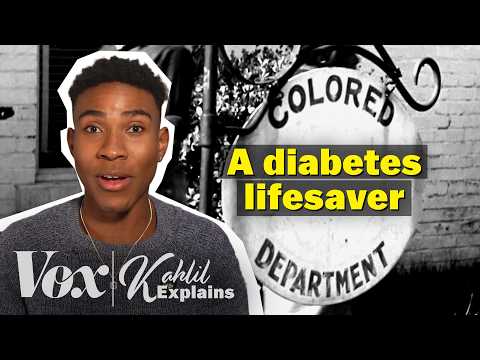
林宜悉 posted on 2026/11/14Have you ever wondered why life-saving medications like Ozempic aren't reaching everyone equally? This eye-opening video explores the historical misconceptions and modern barriers affecting healthcare access for Black Americans, while helping you expand your vocabulary around health equity and systemic issues.
Learn this video on the APP!
The VoiceTube App has more in-depth practice for videos!