
assume
US /əˈsum/
UK /ə'sju:m/
- Transitive Verb
- To act in a false manner to mislead others
- To believe, based on the evidence; suppose
A2TOEICMoreat a time
US /æt e taɪm/
UK /æt ə taim/
- Phrase
- Separately; one by one
- Simultaneously; together
A1Moreat least
US /æt list/
UK /æt li:st/
- Adverb
- As a minimum
- Not less than
- Phrase
- No less than; at the minimum
- Used to indicate that something is positive in a bad situation.
C2Moreat the same time
US
UK
- Phrase
- Simultaneously; at the identical moment.
- Nevertheless; however; used to introduce a contrasting or qualifying statement.
A1Morebased on
US
UK
- Phrasal Verb
- To use something as the foundation or starting point for something else.
- Preposition
- Using something as the main idea or foundation.
- Relying on something as evidence or justification.
A1Morebreak out
US /brek aʊt/
UK /breik aut/
- Phrasal Verb
- To isolate some information from other data
A1Morecare of
US /kɛr ʌv/
UK /kɛə ɔv/
- Preposition
- Used in an address to indicate the person who will receive the mail for someone else.
A2Moreceo
US
UK
- Abbreviation
- CEO for Chief Operating Officer
C2Morechess
US /tʃɛs/
UK /tʃes/
- Noun (Countable/Uncountable)
- Game of mental strategy for two players
- The set of pieces used to play the game of chess.
B1Morecognitive
US /ˈkɑɡnɪtɪv/
UK /ˈkɒgnətɪv/
- Adjective
- The process of knowing and remembering
- Relating to the ability to think and reason.
C1Morecompile
US /kəmˈpaɪl/
UK /kəm'paɪl/
- Transitive Verb
- To put programming data into a computer
- To gather (articles) for a book
- Intransitive Verb
- To undergo the process of being converted into machine language.
B1Morecompress
US /kəmˈprɛs/
UK /kəmˈpres/
- Transitive Verb
- To press tightly together
- To make smaller; reduce in time, size etc.
B1Moreconcept
US /ˈkɑnˌsɛpt/
UK /'kɒnsept/
- Noun (Countable/Uncountable)
- Abstract idea of something or how it works
- A plan or intention; a conception.
A2TOEICMoreconnect
US /kəˈnɛkt/
UK /kə'nekt/
- Transitive Verb
- To associate a thing with something else
- To join or attach things together
A2Moreconsolidate
US /kənˈsɑ:lɪdeɪt/
UK /kənˈsɒlɪdeɪt/
- Transitive Verb
- To combine into one; make bigger or stronger
B1Moreconsumption
US /kənˈsʌmpʃən/
UK /kənˈsʌmpʃn/
- Noun (Countable/Uncountable)
- The act of buying and using products
- The act of using energy, food or materials; the amount used
B1Morecritic
US /ˈkrɪtɪk/
UK /'krɪtɪk/
- Noun (Countable/Uncountable)
- Person who judges (e.g. art) and gives opinions
- A person who tends to find fault or express adverse criticism.
A2Morecut down
US /kʌt daʊn/
UK /kʌt daun/
- Phrasal Verb
- To reduce your use of something
- To fell a tree.
A1Moredo in
US
UK
- Phrasal Verb
- To make completely tired out and exhausted
- To destroy or cause damage to someone
A1Moreentire
US /ɛnˈtaɪr/
UK /ɪn'taɪə(r)/
- Adjective
- Complete or full; with no part left out; whole
- Undivided; not shared or distributed.
A2TOEICMorefailure rate
US /ˈfeljɚ ret/
UK /ˈfeiljə reit/
- Noun
- The percentage or proportion of something that fails.
- The frequency with which an engineering system or component fails, expressed in failures per unit of time.
B1Morefor instance
US /fɔr ˈɪnstəns/
UK /fɔ: ˈinstəns/
- Adverb
- As an example.
- Phrase
- As an example.
- As an illustration or case in point
B1Morefrom birth
US
UK
- Phrase
- Since the time someone was born
- Inherently; from the beginning of life
B1Moreget about
US /ɡɛt əˈbaʊt/
UK /ɡet əˈbaut/
- Phrasal Verb
- To go out a lot; travel widely
A1Moreget out of
US /ɡɛt aʊt ʌv/
UK /ɡet aut ɔv/
- Phrasal Verb
- To leave or escape responsibilities, troubles
- To leave a small, enclosed vehicle
A1Moregot to
US /ɡɑt tu/
UK /gɔt tu:/
- Verb (Transitive/Intransitive)
- To arrive at some place
- To have the opportunity or permission to do something
- Phrasal Verb
- To appeal to the emotions of; move
- To finally begin to start something after a delay
A1Morehave to
US /hæv tu/
UK /ˈhæv tə/
- Auxiliary Verb
- Must do
A1Morein fact
US /ɪn fækt/
UK /in fækt/
- Adverb
- Used to emphasize the truth of a statement, especially one that contrasts with or contradicts something else.
- Used to introduce a more detailed or surprising piece of information.
- Phrase
- Used to emphasize the truth of a statement, especially one that is surprising or contrary to what might be expected.
C1Morein parallel
US /ɪn ˈpærəˌlɛl/
UK /in ˈpærəlel/
- Adverb
- Done at the same time; simultaneously.
- Adjective
- Relating to a system where multiple operations are carried out simultaneously, especially in computing.
C2Morein reverse
US /ɪn rɪˈvɚs/
UK /in riˈvə:s/
- Adverb
- In the opposite direction.
- In the opposite order.
- Phrase
- Moving or operating backwards.
- With the sequence inverted.
B2Morein school
US /ɪn skul/
UK /ɪn sku:l/
- other
- Attending an educational institution.
A1Morein terms of
US
UK
- Phrase
- With regard to; concerning a particular aspect.
A1Morein the world
US /ɪn ði wɜrld/
UK /in ðə wɜː(r)ld/
- Phrase
- Used to emphasize a question expressing surprise, confusion, disbelief
- Used to indicate the extent or degree of something, often in a superlative sense
A1Morelie down
US
UK
- Phrasal Verb
- To put your body in a flat position, as to sleep
- Phrase
A2Moreliterally
US /ˈlɪtərəli/
UK
- Adverb
- In a literal manner or sense; exactly as stated.
- Used for emphasis to describe something that is actually true, often to highlight surprise or intensity.
B1Morelook at
US /lʊk æt/
UK /luk æt/
- Phrasal Verb
- To use your eyes to focus on something
- To focus your eyes on something carefully
A1Moreloop
US /lup/
UK /lu:p/
- Noun (Countable/Uncountable)
- A circle or curved shape, as when you tie a lace
- A circle of rope or string to put around something
- Transitive Verb
- To put a circle of rope around something
B2TOEICMoremaster
US /ˈmæstɚ/
UK /'mɑ:stə(r)/
- Transitive Verb
- To gain control over something
- To learn to do something very well
- Adjective
- Being very skilled at doing something
- Being the main or most important thing or part
A2Morememorize
US /ˈmɛməˌraɪz/
UK /ˈmeməraɪz/
- Transitive Verb
- To study something so that you remember it
A2Moremicro
US /ˈmaɪkro/
UK /'maɪkrəʊ/
- Noun
- A prefix meaning 'very small'
B2Moremore than once
US
UK
- Phrase
- On more than one occasion; repeatedly.
move to
US /muv tu/
UK /mu:v tu:/
- Phrasal Verb
- To change the place where you live or work.
- Verb (Transitive/Intransitive)
- To proceed to the next stage or action.
A2Moreno matter
US
UK
- Conjunction
- Regardless of; it does not matter.
- Adverb
- Regardless of; it is not important
A1Moreof course
US /ʌv kɔː(r)s/
UK /ɔv kɔː(r)s/
- Adverb
- Sure ; Certainly
- Phrase
- For sure; certainly
A2Morepractice
US /ˈpræktɪs/
UK /'præktɪs/
- Noun
- The office and place for legal or medical work
- Doing something many times to become better at it
- Verb (Transitive/Intransitive)
- To work as a doctor or lawyer
- To live according to the teachings of a religion
A2TOEICMoreregion
US /ˈridʒən/
UK /'ri:dʒən/
- Noun (Countable/Uncountable)
- Part of a country, of the world, area, etc.
- A part of the body
A2TOEICMoreresearch
US /rɪˈsɚtʃ, ˈriˌsɚtʃ/
UK /rɪ'sɜ:tʃ/
- Verb (Transitive/Intransitive)
- To study in order to discover new ideas and facts
- To study the market relating to marketing products and services.
- Noun (Countable/Uncountable)
- Study done to discover new ideas and facts
- A particular area or topic of study.
A2TOEICMoreretain
US /rɪˈten/
UK /rɪ'teɪn/
- Transitive Verb
- To continue to have or use; keep the quality of
- To keep one thing inside another for a time
A2Moresame time
US
UK
- Phrase
- Occurring simultaneously or at the same point in time.
- At the identical time as before; recurring at a fixed hour.
- Noun
- An equal duration or period.
A1Moresequence
US /ˈsikwəns, -ˌkwɛns/
UK /'si:kwəns/
- Noun
- Part of a movie showing one part of the story
- A particular order in which related events, movements, or things follow each other.
- Transitive Verb
- To arrange things in an order they should happen
A2TOEICMoreserial
US /ˈsɪriəl/
UK /ˈsɪəriəl/
- Noun
- Story that is told is several parts on TV or radio
- Adjective
- Arranged according to a particular system or order
- Repeating the same actions in the same way
B2Moreslow burn
US /sloʊ bɝn/
UK /sləu bɜ:n/
- other
- A gradual increase of anger or tension over time.
B2Moresprint
US /sprɪnt/
UK /sprɪnt/
- Intransitive Verb
- To race or move at full speed
- Noun
- A race run at full speed
B1Morestruggle
US /ˈstrʌɡəl/
UK /'strʌɡl/
- Verb (Transitive/Intransitive)
- To try very hard to do something difficult
- To fight or struggle violently
- Noun (Countable/Uncountable)
- Strong efforts made to do something difficult
- A difficult or challenging situation or task
A2Moretalking about
US
UK
- Phrasal Verb
- To discuss a particular topic.
- To be constantly mentioning or bringing up a subject.
A1Moretheory
US /ˈθiəri, ˈθɪri/
UK /ˈθiəri/
- Noun (Countable/Uncountable)
- Ideas or principles that explain facts or events
- An idea or belief about something
A2TOEICMorethink about
US /θɪŋk əˈbaʊt/
UK /θiŋk əˈbaut/
- Phrasal Verb
- To consider something carefully.
- To remember or call to mind.
A1Moretrap
US /træp/
UK /træp/
- Countable Noun
- Device used for catching animals
- Vehicle pulled by a single horse
- Transitive Verb
- To use a device to catch animals or people
- To hold, e.g. a nerve, so that it cannot move
A2Moreturn off
US
UK
- Phrasal Verb
- To make someone feel negatively about something
A1More
Vocabulary
- have to: Must do
- at a time: Separately; one by one
- based on: To use something as the foundation or starting point for something else.
- think about: To consider something carefully.
- in school: Attending an educational institution.
- in the world: Used to emphasize a question expressing surprise, confusion, disbelief
- failure rate: The percentage or proportion of something that fails.
- in parallel: Done at the same time; simultaneously.
- of course: Sure ; Certainly
- break out
- more than once: On more than one occasion; repeatedly.
- move to: To change the place where you live or work.
- cut down: To reduce your use of something
- from birth: Since the time someone was born
- care of: Used in an address to indicate the person who will receive the mail for someone else.
- get about: To go out a lot; travel widely
- at least: As a minimum
- look at: To use your eyes to focus on something
- in fact: Used to emphasize the truth of a statement, especially one that contrasts with or contradicts something else.
- slow burn: A gradual increase of anger or tension over time.
- turn off
- no matter: Regardless of; it does not matter.
- got to: To arrive at some place
- in terms of
- talking about: To discuss a particular topic.
- do in: To make completely tired out and exhausted
- lie down: To put your body in a flat position, as to sleep
- for instance: As an example.
- in reverse: In the opposite direction.
- get out of: To leave or escape responsibilities, troubles
- at the same time: Simultaneously; at the identical moment.
- same time: Occurring simultaneously or at the same point in time.
- literally: In a literal manner or sense; exactly as stated.
- cognitive: The process of knowing and remembering
- entire: Complete or full; with no part left out; whole
- assume: To act in a false manner to mislead others
- struggle: To try very hard to do something difficult
- practice: The office and place for legal or medical work
- term: Conditions applying to an agreement, contract
- concept: Abstract idea of something or how it works
- consumption: The act of buying and using products
- research: To study in order to discover new ideas and facts
- failure: When things go wrong; lack of function
- theory: Ideas or principles that explain facts or events
- brain: To strike someone forcefully on the head
- region: Part of a country, of the world, area, etc.
- sequence: Part of a movie showing one part of the story
- trap: Device used for catching animals
- retain: To continue to have or use; keep the quality of
- consolidate: To combine into one; make bigger or stronger
- rest: Time when one relaxes, sleeps, or is inactive
- break: To create a new record e.g. running the 100m dash
- stage: To organize an event to gain public interest
- loop: A circle or curved shape, as when you tie a lace
- lot: What happens to a person in life from chance; fate
- master: To gain control over something
- important: Having power or authority
- single: One run in cricket or a hit baseball
- sprint: To race or move at full speed
- manage: To survive hardships and difficulties; to cope
- learn: To get knowledge or skills by study or experience
- memorize: To study something so that you remember it
- system: Set of organized, planned ideas that work together
- simple: Not hard to understand or do; not complex
- build: Your physical shape; physique
- information: Collection of facts and details about something
- connect: To associate a thing with something else
- critic: Person who judges (e.g. art) and gives opinions
- serial: Story that is told is several parts on TV or radio
- compress: To press tightly together
- compile: To put programming data into a computer
- chess: Game of mental strategy for two players
- micro: A prefix meaning 'very small'
- ceo: CEO for Chief Operating Officer
Get the full experience in the app
Learn anywhere with detailed sentence and usage analysis
01:03
She took a brave step forward, leaving behind her comfort zone to chase her dreams.
Vocabulary
- brave
adj. Having courage
- comfort zone
phr. A familiar situation where one feels safe
Explanation
a brave step is a noun phrase, where brave is an adjective modifying the noun step, meaning "a courageous step".
forward is an adverb modifying step, meaning "ahead".
The whole phrase serves as the object, answering the "what" of took (verb) — she took a brave step forward.
Get the full experience in the app
Look up words anytime with pronunciation, part of speech, and usage
brave
US/brev/
UK/breɪv/
adj.Brave
v.t.To bravely face
A2 Elementary
Get the full experience in the app
Practice speaking anytime and get instant pronunciation feedback
Try this speaking exercise.
Try practicing with this sentence.
80
0
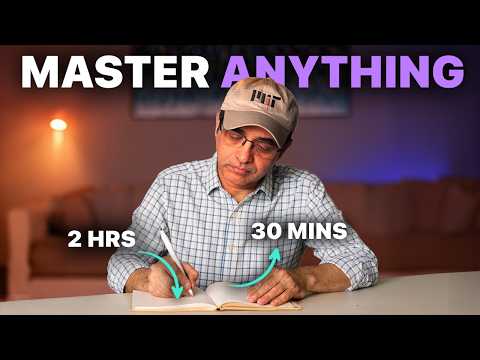
蔡軒 posted on 2026/11/02Stop struggling with information overload and learn how the top 1% of achievers actually process knowledge. This video introduces the '3C protocol'—compress, compile, and consolidate—offering you practical tools to sharpen your focus and master new skills faster than ever.
Learn this video on the APP!
The VoiceTube App has more in-depth practice for videos!