
based on
US
UK
- Phrasal Verb
- To use something as the foundation or starting point for something else.
- Preposition
- Using something as the main idea or foundation.
- Relying on something as evidence or justification.
A1Morebring back
US /brɪŋ bæk/
UK /briŋ bæk/
- Phrasal Verb
- To cause to remember
- To return something
A1Moreburden
US /ˈbɚdn/
UK /'bɜ:dn/
- Transitive Verb
- To weigh down with a load; impose a task upon
- Noun (Countable/Uncountable)
- Something difficult to do, manage, or accept
- Something that is carried with difficulty; an oppressive load.
B1Moreby all means
US
UK
- Adverb
- Certainly; of course
- Phrase
- In every possible way; using every method possible
- Certainly; of course
A2Moreby hand
US /baɪ hænd/
UK /bai hænd/
- Phrase
- Done manually; not by machine.
- Delivered personally; not by mail or electronically.
A1Morecare of
US /kɛr ʌv/
UK /kɛə ɔv/
- Preposition
- Used in an address to indicate the person who will receive the mail for someone else.
A2Moredefeat
US /dɪˈfit/
UK /dɪ'fi:t/
- Transitive Verb
- To beat an enemy, team, disease
- To prevent something from succeeding.
- Noun
- When you lose a fight, game or competition
- The feeling of having been beaten.
B1Moredepend
US /dɪˈpend/
UK /dɪˈpend/
- Verb (Transitive/Intransitive)
- Be controlled or determined by (someone/something)
- To rely on someone or something for support, help, or existence.
B1TOEICMorefeedback
US /ˈfidˌbæk/
UK /ˈfi:dbæk/
- Noun (Countable/Uncountable)
- A response or opinion, about a service, etc.
- Information about reactions to a product, a person's performance of a task, etc. which is used as a basis for improvement.
- Verb (Transitive/Intransitive)
- To give information or opinions about something to someone, especially in order to improve it.
B1TOEICMorefly through
US
UK
- Phrasal Verb
- To move or pass through something very quickly.
- To complete something quickly and easily.
A1Morefog
US /fɔ:g/
UK /fɒg/
- Uncountable Noun
- Cloudy air that makes seeing things difficult
- Intransitive Verb
- To have water drops on it so you cannot see out
B1Morefor example
US
UK
- Phrase
- As an illustration or instance.
for instance
US /fɔr ˈɪnstəns/
UK /fɔ: ˈinstəns/
- Adverb
- As an example.
- Phrase
- As an example.
- As an illustration or case in point
B1Moreframework
US /ˈfreɪmwɜ:rk/
UK /ˈfreɪmwɜ:k/
- Noun
- Skeleton structure of a building or construction
- Basic structure of something
B1TOEICMorefreedom
US /ˈfridəm/
UK /'fri:dəm/
- Uncountable Noun
- State of being free, not being controlled
B1Moregenerate
US /ˈdʒɛnəˌret/
UK /ˈdʒenəreɪt/
- Transitive Verb
- To create or be produced or bring into existence
- To create electricity, heat, energy and power
A2TOEICMorego ahead
US /ɡo əˈhɛd/
UK /ɡəu əˈhed/
- Phrasal Verb
- To start an activity; start doing, working etc.
- To give permission to do something
- Intransitive Verb
- To start or proceed with something
- To proceed despite potential obstacles or doubts.
A1Morehand off
US
UK
- Transitive Verb
- To transfer responsibility or control to someone else.
- Phrasal Verb
- To transfer or pass something to someone else, especially responsibility or control.
A1Morehave to
US /hæv tu/
UK /ˈhæv tə/
- Auxiliary Verb
- Must do
A1Morein the end
US /ɪn ði ɛnd/
UK /in ðə end/
- Phrase
- Finally; after a period of time or series of events.
- Ultimately; as the final result or consequence.
A1Morein the world
US /ɪn ði wɜrld/
UK /in ðə wɜː(r)ld/
- Phrase
- Used to emphasize a question expressing surprise, confusion, disbelief
- Used to indicate the extent or degree of something, often in a superlative sense
A1Moreinstance
US /ˈɪnstəns/
UK /'ɪnstəns/
- Noun (Countable/Uncountable)
- An example of something; case
- An occurrence of something.
- Transitive Verb
- To give as an example of something else
A2TOEICMoreintellectual
US /ˌɪntlˈɛktʃuəl/
UK /ˌɪntəˈlektʃuəl/
- Noun (Countable/Uncountable)
- connected with or using a person’s ability to think in a logical way and understand things
- a person who is well educated and enjoys activities in which they have to think seriously about things
- Adjective
- Relating to the intellect or mental understanding.
- Appealing to or requiring the use of the intellect.
B1Moreintrospection
US /ˌɪntrəˈspɛkʃən/
UK /ˌɪntrəˈspekʃn/
- Uncountable Noun
- Thinking deeply within yourself, about yourself
- A process of self-examination of one's thoughts, feelings and motives.
C2TOEICMoreintuition
US /ˌɪntuˈɪʃən, -tju-/
UK /ˌɪntjuˈɪʃn/
- Noun (Countable/Uncountable)
- Natural ability to guess or feel things
B2Morejourney
US /ˈdʒɚni/
UK /'dʒɜ:nɪ/
- Noun
- Act of traveling from one place to another; trip
- Intransitive Verb
- To travel through a place
A2TOEICMorejudge
US /dʒʌdʒ/
UK /dʒʌdʒ/
- Noun (Countable/Uncountable)
- Person who decides on the results of a contest
- Person who has the power to make a decision
- Verb (Transitive/Intransitive)
- To reach a decision about who won a contest
- To form an opinion after careful consideration
A2TOEICMorelight up
US /laɪt ʌp/
UK /lait ʌp/
- Phrasal Verb
- To illuminate something; to make something brighter with light.
- To ignite a cigarette, cigar, or pipe for smoking.
A1Morelive on
US /lɪv ɒn/
UK /lɪv ɒn/
- Phrasal Verb
- To continue to exist or be remembered.
- To eat a particular type of food as the main thing.
B2Moremessy
US /ˈmɛsi/
UK /'mesɪ/
- Adjective
- Being complex or difficult to fix
- Being untidy or dirty
A2Morenext to
US /nɛkst tu/
UK /nekst tu:/
- Preposition
- Being located along side another
- In comparison with
- Adverb
- Almost; nearly
A1Moreno matter
US
UK
- Conjunction
- Regardless of; it does not matter.
- Adverb
- Regardless of; it is not important
A1Moreof course
US /ʌv kɔː(r)s/
UK /ɔv kɔː(r)s/
- Adverb
- Sure ; Certainly
- Phrase
- For sure; certainly
A2Moreof itself
US /ʌv ɪtˈself/
UK /əv ɪtˈself/
- other
- Happening automatically without external cause or help.
B1Moreon paper
US /ɑn ˈpeɪpər/
UK /ɔn ˈpeipə/
- Phrase
- In theory or as a plan, but not necessarily in reality.
- Recorded in writing; documented.
A1Moreon schedule
US
UK
- Phrase
- According to the timetable; not delayed.
- Adjective
- Planned or expected to happen at a particular time.
B2Moreoutsource
US /ˈaʊtˌsɔrs, -ˌsors/
UK /ˈaʊtsɔ:s/
- Transitive Verb
- To obtain goods or services from outside suppliers
C2Morephrase
US /frez/
UK /freɪz/
- Noun
- Common expression or saying
- Section of musical notes in a piece of music
- Verb (Transitive/Intransitive)
- To choose words to say what you mean clearly
A2Morephysical
US /ˈfɪzɪkəl/
UK /ˈfɪzɪkl/
- Countable Noun
- Health check at the doctors' or hospital
- Adjective
- Concerning the body of a person
- Concerning things that can be seen or touched
A2Morepolish
US /ˈpɑlɪʃ/
UK /'pɒlɪʃ/
- Uncountable Noun
- Act of making something clean and shiny
- A cream used to make shoes etc. shiny
- Transitive Verb
- To make something smooth and shiny by rubbing it
- To make something smooth and shiny by rubbing it
B1Moreprecise
US /prɪˈsaɪs/
UK /prɪ'saɪs/
- Adjective
- (Of language details etc.) Very accurate and exact
- (Of a time, place, quality) exact
A2TOEICMorepressure
US /ˈprɛʃɚ/
UK /'preʃə(r)/
- Noun (Countable/Uncountable)
- Anxiety caused by difficult problems
- Force, weight when pressing against a thing
- Transitive Verb
- To apply force to something
- To persuade or force someone to do something
A2TOEICMoreprompt
US /prɑmpt/
UK /prɒmpt/
- Noun
- Message on a computer requiring attention
- Encouragement to ask someone else to talk
- Transitive Verb
- To display a message to requires a user to act
- To say something to encourage someone else to talk
B1Moreresearch
US /rɪˈsɚtʃ, ˈriˌsɚtʃ/
UK /rɪ'sɜ:tʃ/
- Verb (Transitive/Intransitive)
- To study in order to discover new ideas and facts
- To study the market relating to marketing products and services.
- Noun (Countable/Uncountable)
- Study done to discover new ideas and facts
- A particular area or topic of study.
A2TOEICMoresequence
US /ˈsikwəns, -ˌkwɛns/
UK /'si:kwəns/
- Noun
- Part of a movie showing one part of the story
- A particular order in which related events, movements, or things follow each other.
- Transitive Verb
- To arrange things in an order they should happen
A2TOEICMoreshy away from
US
UK
- Phrasal Verb
- To avoid something because of nervousness or a lack of confidence.
A2Moreshying away
US
UK
- Phrasal Verb
- To avoid something because of nervousness or a lack of confidence.
A2Moresit down
US /sit daʊn/
UK /sit daun/
- Phrasal Verb
- To take a seat
A1Moresolitude
US /ˈsɑlɪˌtud, -ˌtjud/
UK /'sɒlɪtju:d/
- Uncountable Noun
- State of preferring to be alone
B2Morestare
US /stɛr/
UK /steə(r)/
- Verb (Transitive/Intransitive)
- To look at someone or something for a long time
- Noun
- A long look at something or someone for a reason
A2Morestart on
US /stɑrt ɑn/
UK /stɑ:t ɔn/
- Phrasal Verb
- To begin or start doing something.
- To criticize or complain to someone repeatedly.
A1Morestick
US /stɪk/
UK /stɪk/
- Verb (Transitive/Intransitive)
- To push a sharp or pointed object into something
- To join together using glue or paste
- Countable Noun
- Long thin piece of wood from a tree
A2Morestructure
US /ˈstrʌk.tʃɚ/
UK /ˈstrʌk.tʃə/
- Noun (Countable/Uncountable)
- The way in which the parts of a system or object are arranged or organized, or a system arranged in this way
- A building or other man-made object.
- Transitive Verb
- To plan, organize, or arrange the parts of something
A2TOEICMorethink about
US /θɪŋk əˈbaʊt/
UK /θiŋk əˈbaut/
- Phrasal Verb
- To consider something carefully.
- To remember or call to mind.
A1Morethink of
US /θɪŋk ʌv/
UK /θiŋk ɔv/
- Phrasal Verb
- To look on as (being something specific); consider
- To consider or remember something.
- Verb (Transitive/Intransitive)
- To imagine or call something to mind
A1Morethink on
US
UK
- Phrasal Verb
- To consider something carefully before making a decision.
A1Moreunique
US /juˈnik/
UK /jʊ'ni:k/
- Adjective
- Unlike other things; being the only one like it
- Remarkably special or unusual.
A2TOEICMoreused to
US /juzd tu/
UK /ˈju:st tə/
- Adjective
- Did regularly before, but don't do now
- Auxiliary Verb
- Have done before, but do not do now
A1Morewith it
US /wɪð ɪt/
UK /wið it/
- Adjective
- Intelligent, alert, and up-to-date.
- Understanding and knowledgeable about current trends or information.
A1More
Vocabulary
- on paper: In theory or as a plan, but not necessarily in reality.
- by hand: Done manually; not by machine.
- have to: Must do
- with it: Intelligent, alert, and up-to-date.
- think on: To consider something carefully before making a decision.
- used to: Did regularly before, but don't do now
- bring back: To cause to remember
- hand off: To transfer responsibility or control to someone else.
- light up: To illuminate something; to make something brighter with light.
- for instance: As an example.
- start on: To begin or start doing something.
- live on: To continue to exist or be remembered.
- of course: Sure ; Certainly
- in the world: Used to emphasize a question expressing surprise, confusion, disbelief
- fly through: To move or pass through something very quickly.
- shying away: To avoid something because of nervousness or a lack of confidence.
- shy away from: To avoid something because of nervousness or a lack of confidence.
- next to: Being located along side another
- no matter: Regardless of; it does not matter.
- sit down: To take a seat
- on schedule: According to the timetable; not delayed.
- go ahead: To start an activity; start doing, working etc.
- of itself: Happening automatically without external cause or help.
- care of: Used in an address to indicate the person who will receive the mail for someone else.
- think about: To consider something carefully.
- by all means: Certainly; of course
- for example: As an illustration or instance.
- based on: To use something as the foundation or starting point for something else.
- in the end: Finally; after a period of time or series of events.
- think of: To look on as (being something specific); consider
- stick: To push a sharp or pointed object into something
- phrase: Common expression or saying
- physical: Health check at the doctors' or hospital
- journey: Act of traveling from one place to another; trip
- structure: The way in which the parts of a system or object are arranged or organized, or a system arranged in this way
- instance: An example of something; case
- intuition: Natural ability to guess or feel things
- intellectual: connected with or using a person’s ability to think in a logical way and understand things
- unique: Unlike other things; being the only one like it
- research: To study in order to discover new ideas and facts
- pressure: Anxiety caused by difficult problems
- stare: To look at someone or something for a long time
- precise: (Of language details etc.) Very accurate and exact
- burden: To weigh down with a load; impose a task upon
- solitude: State of preferring to be alone
- brain: To strike someone forcefully on the head
- draw: To attract attention to someone or something
- prompt: Message on a computer requiring attention
- judge: Person who decides on the results of a contest
- messy: Being complex or difficult to fix
- form: Sports team or person's current winning record
- sequence: Part of a movie showing one part of the story
- generate: To create or be produced or bring into existence
- create: To make, cause, or bring into existence
- defeat: To beat an enemy, team, disease
- shape: The outer form of something, what it looks like
- mind: To be bothered or upset by something
- leave: To go away from; depart
- framework: Skeleton structure of a building or construction
- feedback: A response or opinion, about a service, etc.
- moment: Very short or brief period of time
- depend: Be controlled or determined by (someone/something)
- important: Having power or authority
- single: One run in cricket or a hit baseball
- learn: To get knowledge or skills by study or experience
- system: Set of organized, planned ideas that work together
- polish: Act of making something clean and shiny
- piece: A counter in a board game
- point: An item to be discussed
- great: Very good; better than before
- introspection: Thinking deeply within yourself, about yourself
- freedom: State of being free, not being controlled
- fog: Cloudy air that makes seeing things difficult
- outsource: To obtain goods or services from outside suppliers
Get the full experience in the app
Learn anywhere with detailed sentence and usage analysis
01:03
She took a brave step forward, leaving behind her comfort zone to chase her dreams.
Vocabulary
- brave
adj. Having courage
- comfort zone
phr. A familiar situation where one feels safe
Explanation
a brave step is a noun phrase, where brave is an adjective modifying the noun step, meaning "a courageous step".
forward is an adverb modifying step, meaning "ahead".
The whole phrase serves as the object, answering the "what" of took (verb) — she took a brave step forward.
Get the full experience in the app
Look up words anytime with pronunciation, part of speech, and usage
brave
US/brev/
UK/breɪv/
adj.Brave
v.t.To bravely face
A2 Elementary
Get the full experience in the app
Practice speaking anytime and get instant pronunciation feedback
Try this speaking exercise.
Try practicing with this sentence.
80
0
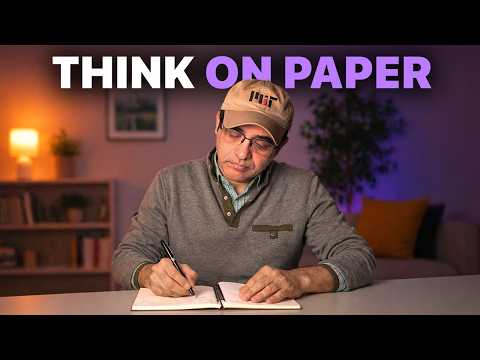
蔡軒 posted on 2026/11/02Ever feel like your best ideas get lost in the digital noise? This video explains why returning to the classic habit of writing on paper can actually sharpen your thinking and help you master new skills, while introducing useful vocabulary related to productivity and mental clarity. It’s a refreshing look at how to embrace 'desired difficulty' and trust your own brain over the latest AI prompts.
Learn this video on the APP!
The VoiceTube App has more in-depth practice for videos!