introspection
US /ˌɪntrəˈspɛkʃən/
・UK /ˌɪntrəˈspekʃn/
C2TOEIC
n. (u.)Uncountable NounThinking deeply within yourself, about yourself
My analytical nature causes me to exhibit deep introspection about life
n. (u.)Uncountable NounA process of self-examination of one's thoughts, feelings and motives.
Introspection was a key method used in early psychological research.
Video subtitles
Before You Get Back With Your Ex — Watch THIS

- News that two people who had a harrowing break-up are now trying to get back together again a few months or years down the line tends, among sensible people, to raise at the very least suspicion, if not outright irritation and despair. Why are these two cursed lovers heading back to the old chaos and drama? Isn't this just a fantasy sprung from naivety, loneliness and most probably short-term lust? Shouldn't they keep faith with their original choice, double down on the highs and lows of dating and perhaps each buy a dog? And yet, to deny ex-couples any legitimate chance to revisit their situation also feels excessively punitive and in its way naïve, insisting blindly that people can never change, that psychotherapy and introspection, books and conversations, time and long walks have nothing whatsoever to teach us, is as foolish as to assume that change can come readily and lightly. For every misguided attempt to resume a relationship, there must be a proportion of equally misguided refusals to countenance a new start, born not out of wisdom so much as pre-emptive fear and disbelief that people are, occasionally, able to learn a new thing or two. We need to make progress a tool with which to strip the matter of sentiment and rationally distinguish mature from sentimental plans. What follows is a sequence of questions, amounting to a kind of examination, that exes who are meeting up again after a long break should discuss with one another – and as importantly, with themselves – before coming anywhere near to holding hands, let alone – and here we must be very definitive – going to bed.
News that two people who had a harrowing break-up are now trying to get back together again a few months or years down the line tends, among sensible people, to raise at the very least suspicion, if not outright irritation and despair. Why are these two cursed lovers heading back to the old chaos and drama? Isn't this just a fantasy sprung from naivety, loneliness and most probably short-term lust? Shouldn't they keep faith with their original choice, double down on the highs and lows of dating and perhaps each buy a dog? And yet, to deny ex-couples any legitimate chance to revisit their situation also feels excessively punitive and in its way naïve, insisting blindly that people can never change, that psychotherapy and introspection, books and conversations, time and long walks have nothing whatsoever to teach us, is as foolish as to assume that change can come readily and lightly. For every misguided attempt to resume a relationship, there must be a proportion of equally misguided refusals to countenance a new start, born not out of wisdom so much as pre-emptive fear and disbelief that people are, occasionally, able to learn a new thing or two. We need to make progress a tool with which to strip the matter of sentiment and rationally distinguish mature from sentimental plans. What follows is a sequence of questions, amounting to a kind of examination, that exes who are meeting up again after a long break should discuss with one another – and as importantly, with themselves – before coming anywhere near to holding hands, let alone – and here we must be very definitive – going to bed.
- Insisting blindly that people can never change, that psychotherapy and introspection, books and conversations, time and long walks have nothing whatsoever to teach us, is as foolish as to assume that change can come readily and lightly.
Insisting blindly that people can never change, that psychotherapy and introspection, books and conversations, time and long walks have nothing whatsoever to teach us, is as foolish as to assume that change can come readily and lightly.
5 SHOCKING Benefits Of Meditation (Animated)

- introspection.
introspection.
- compassion and introspection.
compassion and introspection.
What is the Stream of Consciousness?
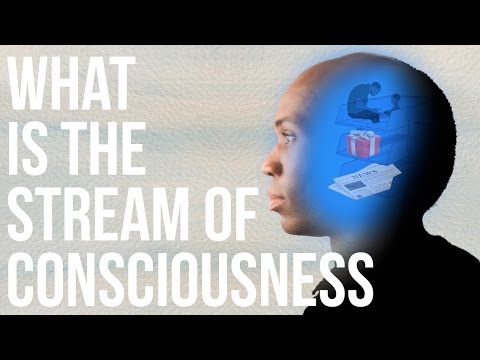
- and there are some alternatives to proper introspection.
and there are some alternatives to proper introspection.
- There can naturally be a temptation to avoid the hard work and there are some alternatives to proper introspection.
There can naturally be a temptation to avoid the hard work and there are some alternatives to proper introspection.
Master Data Analysis with ChatGPT (in just 12 minutes)

- Diving right in, the framework I learned is called DIG: Description, Introspection, and Goal Setting.
Diving right in, the framework I learned is called DIG: Description, Introspection, and Goal Setting.
- Diving right in, the framework I learned is called DIG, description, introspection, and goal setting.
Diving right in, the framework I learned is called DIG, description, introspection, and goal setting.
5 Signs You Have a Lone Wolf Personality, not Lonely
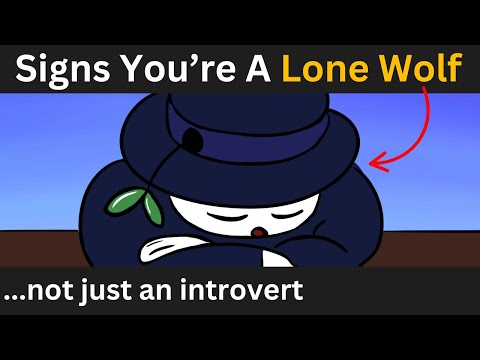
- Like introverts, lone wolves are prone to introspection and self-reflection.
Like introverts, lone wolves are prone to introspection and self-reflection.
- Like introverts, lone wolves are prone to introspection and self-reflection.
Like introverts, lone wolves are prone to introspection and self-reflection.
How to practice self care without spending money

- Now, self-care for me, it's always involved planning and introspection.
Now, self-care for me, it's always involved planning and introspection.
- For me, it's always involved planning and introspection.
For me, it's always involved planning and introspection.
Conscious Parenting: What Parents Can Do To Raise Conscious Children

- And authenticity then becomes the core principle of the family life: authenticity, worth, self-orientation, inner introspection, inner reflection.
And authenticity then becomes the core principle of the family life: authenticity, worth, self-orientation, inner introspection, inner reflection.
- Authenticity, worth, self orientation, inner introspection, inner reflection.
Authenticity, worth, self orientation, inner introspection, inner reflection.
Telling a Story from the Inside Out

- It took their team a lot of introspection to arrive at the emotional truth that is the core of their story.
It took their team a lot of introspection to arrive at the emotional truth that is the core of their story.
- It took their team a lot of introspection to arrive at the emotional truth that is the
It took their team a lot of introspection to arrive at the emotional truth that is the
The Universe 25 Experiment [All Mice Died]
![The Universe 25 Experiment [All Mice Died]](https://img.youtube.com/vi/7ReBJfxHjFU/hqdefault.jpg)
- They just ate, slept, and groomed, wrapped in narcissistic introspection.
They just ate, slept, and groomed, wrapped in narcissistic introspection.
- They just ate, slept, and groomed, wrapped in narcissistic introspection.
They just ate, slept, and groomed, wrapped in narcissistic introspection.
My Career Advice for Anyone Feeling Stuck Right Now | 5 Key Truths

- There's all kinds of fears that are going to come up in this process of introspection.
There's all kinds of fears that are going to come up in this process of introspection.
- There's all kinds of fears that are going to come up in this process of introspection.
There's all kinds of fears that are going to come up in this process of introspection.