
abortion
US /əˈbɔ:rʃn/
UK /əˈbɔ:ʃn/
- Noun
- A medical operation to stop having a baby
B1Moreabsolutely
US /ˈæbsəˌlutli, ˌæbsəˈlutli/
UK /ˈæbsəlu:tli/
- Adverb
- Completely; totally; very
- Considered independently and without relation to other things; viewed abstractly; as, quantity absolutely considered.
A2Moreadore
US /əˈdɔr, əˈdor/
UK /ə'dɔ:(r)/
- Transitive Verb
- To love very much; to give honor to
B2Moreagent
US /ˈedʒənt/
UK /'eɪdʒənt/
- Noun
- Chemical with the power to make chemical reactions
- Person who represents or decides for others
A2TOEICMorearound the Horn
US /əˈraʊnd ðə hɔrn/
UK /əˈraʊnd ðə hɔ:n/
- other
- To sail around the southern tip of South America, Cape Horn.
C1Morearound the world
US /əˈraʊnd ði wɜrld/
UK /əˈraund ðə wɜː(r)ld/
- Phrase
- In or to many countries.
- In various places throughout the world.
A2Moreas soon as
US /æz sun æz/
UK /æz su:n æz/
- Phrase
- In a short time after (something happens)
- Without any delay; immediately
- Conjunction
- At the moment that, or immediately after.
A1Moreat night
US /æt naɪt/
UK /æt nait/
- Phrase
- During the night; in the nighttime.
A1Moreattention
US /əˈtɛnʃən/
UK /əˈtenʃn/
- Noun (Countable/Uncountable)
- Taking notice of someone or something
- Noun
- (Soldiers) Standing with straight backs
A2TOEICMorebroadcast
US /ˈbrɔdˌkæst/
UK /'brɔ:dkɑ:st/
- Transitive Verb
- To send out signals by radio or television
- To make widely known.
- Noun (Countable/Uncountable)
- Program sent out from a radio or TV station
- The transmission of signals over the airwaves.
A2TOEICMorebucket
US /ˈbʌkɪt/
UK /'bʌkɪt/
- Countable Noun
- Open container with a handle used to carry liquids
- A scoop-like container attached to machinery, used for digging or lifting materials.
- Uncountable Noun
- The amount held by a bucket.
B1Morecelebrity
US /səˈlɛbrɪti/
UK /sə'lebrətɪ/
- Countable Noun
- A (famous) entertainer known by many people
- Uncountable Noun
- The state of being well-known or famous.
B2Morechildhood
US /ˈtʃaɪldˌhʊd/
UK /ˈtʃaɪldhʊd/
- Uncountable Noun
- The time when you are a child
B1Moreclassic
US / ˈklæsɪk/
UK /'klæsɪk/
- Adjective
- Having a simple, basic design or style
- (Of song, etc.) popular and famous for a long time
- Noun
- Something popular or famous for a long time
A2Morecome up with
US /kʌm ʌp wɪð/
UK /kʌm ʌp wið/
- Phrasal Verb
- To think of an idea or solution; produce
A1Moreconcept
US /ˈkɑnˌsɛpt/
UK /'kɒnsept/
- Noun (Countable/Uncountable)
- Abstract idea of something or how it works
- A plan or intention; a conception.
A2TOEICMorecontext
US /ˈkɑnˌtɛkst/
UK /ˈkɒntekst/
- Noun (Countable/Uncountable)
- Set of facts surrounding a person or event
- The circumstances that form the setting for an event, statement, or idea, and in terms of which it can be fully understood and assessed.
A2Morecut out
US /kʌt aʊt/
UK /kʌt aut/
- Phrasal Verb
- To leave out of something, e.g. a social event
- To cut something from, e.g. a picture from a book
- Verb (Transitive/Intransitive)
- To stop doing or using something.
- To be naturally suited or fitted for something.
A1Morecut through
US /kʌt θru/
UK /kʌt θru:/
- Phrasal Verb
- To pass or go directly through something, often overcoming an obstacle.
- To overcome resistance or opposition effectively.
- Verb (Transitive/Intransitive)
- To make a path or opening by cutting.
- To deeply affect someone's emotions or defenses.
distract
US /dɪˈstrækt/
UK /dɪ'strækt/
- Transitive Verb
- To draw someone's attention away from something
B1TOEICMoredrop by
US /drɑp baɪ/
UK /drɔp bai/
- Phrasal Verb
- To visit someone or some place for a short time
A1Moreepisode
US /ˈɛpɪˌsod/
UK /'epɪsəʊd/
- Noun
- One separate event in a series of events
- Show which is part of a larger story
B1TOEICMoreexcellent
US /ˈɛksələnt/
UK /ˈeksələnt/
- Adjective
- Extremely good
- Very skilled; having great ability.
A2TOEICMorefor someone
US /fɚ ˈsʌmwʌn/
UK /fə ˈsʌmwʌn/
- other
- On behalf of or intended for a particular person.
A1Morefrustrate
US /ˈfrʌsˌtret/
UK /frʌ'streɪt/
- Transitive Verb
- To make annoyed because things don't go well
- To prevent (a plan or intention) from succeeding.
B1TOEICMoregag
US /ɡæɡ/
UK /gæg/
- Transitive Verb
- To cover someone's mouth so they cannot speak
- To force someone to not talk about something
- Noun (Countable/Uncountable)
- Prank, trick, or joke
B2Moregive it up
US
UK
- Phrasal Verb
- To stop trying to do something
A1Morego around
US /ɡo əˈraʊnd/
UK /ɡəu əˈraund/
- Phrasal Verb
- (Of news, gossip) to be known; circulate
- To go here and there, from place to place; wander
A1Morego with the flow
US /goʊ wɪð ðə floʊ/
UK /gəu wɪð ðə fləu/
- other
- To accept and adapt to events without resistance.
B1Morehilarious
US /hɪˈlɛriəs, -ˈlær-, haɪ-/
UK /hɪˈleəriəs/
- Adjective
- Extremely amusing; very funny
B2Morehold on
US /hold ɑn/
UK /həuld ɔn/
- Phrasal Verb
- To wait for someone (e.g. on a phone call)
- To wait for a short time.
A1Morehomage
US /ˈhɑmɪdʒ/
UK /'hɒmɪdʒ/
- Uncountable Noun
- Giving honor or respect to someone for achievement
B2Morehorn
US /hɔ:rn/
UK /hɔ:n/
- Noun (Countable/Uncountable)
- Device that makes a loud warning noise
- (Animals) hard pointed structure growing on heads
B1Morehorrible
US /ˈhɔrəbəl, ˈhɑr-/
UK /ˈhɒrəbl/
- Adjective
- Very bad; causing annoyance, distaste or fear
A2TOEICMorehorseman
US /ˈhɔ:rsmən/
UK /ˈhɔ:smən/
- Countable Noun
- Person skilled in riding horses
C2Morein my book
US /ɪn maɪ bʊk/
UK /ɪn maɪ bʊk/
- other
- According to my personal opinion or belief.
B2Morein stride
US
UK
- Phrase
- To deal with problems or difficulties calmly and without allowing them to influence what you are doing
A1Morekill me
US
UK
- Interjection
- An exaggerated expression of frustration or annoyance.
- Phrase
- A direct request to end one's life, often due to unbearable suffering.
A2Morelean into
US
UK
- Phrasal Verb
- To bend or move your body closer to something, often for support or to get a better view.
- To embrace or fully engage with something, especially something difficult or challenging.
B2Morelook for
US /lʊk fɔr/
UK /luk fɔ:/
- Phrasal Verb
- To try to find a thing or person that is lost
- To expect or anticipate something.
A1Moremilitary
US /ˈmɪlɪˌtɛri/
UK /'mɪlətrɪ/
- Noun
- Army or armed forces
- Adjective
- Concerning the army or navy
B1Morenavy
US /ˈnevi/
UK /ˈneɪvi/
- Noun (Countable/Uncountable)
- Very dark shade of blue
- Armed force consisting of ships, sailors etc.
B1Moreno shame
US
UK
- Adjective
- Without a sense of embarrassment or guilt.
- Showing a lack of hesitation or embarrassment in a way that is admirable or amusing; bold.
- Phrase
- Without apology or regret.
A1Moreobvious
US /ˈɑbviəs/
UK /ˈɒbviəs/
- Adjective
- Easily understood and clear; plain to see
- Easy to see or notice.
A2TOEICMoreon the news
US
UK
- Phrase
- Reported or broadcasted as part of a news program.
A1Moreout of control
US /aʊt ʌv kənˈtrol/
UK /aut ɔv kənˈtrəul/
- Adjective
- Impossible to manage or control.
- Not able to be directed or steered.
A1Morepelican
US /ˈpɛlɪkən/
UK /'pelɪkən/
- Countable Noun
- Large bird that has a long deep bill to catch fish
B2Morepretty solid
US
UK
- Adjective
- Quite strong, reliable, or convincing.
- Fairly firm or well-established; not easily broken or changed.
B2Morepseudo
US
UK
- Adjective
- Not genuine but having the appearance of
- (computing) being not actually but having the appearance of; quasi-
- Prefix
- A prefix meaning false or spurious.
C2Morerandy
US /ˈrændi/
UK /'rændɪ/
- Adjective
- Wanting to have sex (often)
B2Morereality
US /riˈælɪti/
UK /rɪ'ælətɪ/
- Noun (Countable/Uncountable)
- What is true, as opposed to what is imagined
- The state of things as they actually exist, rather than as they may appear or might be imagined.
A2Morereference
US /ˈrɛfərəns, ˈrɛfrəns/
UK /'refrəns/
- Noun
- A letter of recommendation, e.g. for a job
- Note in a book, etc. giving source of information
- Transitive Verb
- To cite a piece of research in speech or writing
- Mention or refer to.
A2TOEICMorerise above
US /raɪz əˈbʌv/
UK /raiz əˈbʌv/
- Phrasal Verb
- To overcome or surmount a difficult situation or challenge.
- To not allow oneself to be affected by negative emotions or behaviors.
A1Moreroot out
US /rut aʊt/
UK /ru:t aut/
- Phrasal Verb
- To find and get rid of something completely, especially something unpleasant or unwanted.
B2Moreseal
US /sil/
UK /si:l/
- Transitive Verb
- To close tightly to protect it from leaking
- To close an envelop or package
- Noun
- Large fish-eating animal that lives on sea or land
- Official mark made in hot wax to close a document
B1Moreseal in
US /sil ɪn/
UK /si:l ɪn/
- other
- To close something tightly so that nothing can enter or escape.
B2Moresneeze
US /sniz/
UK /sni:z/
- Noun
- Act of air suddenly being forced out of nose/mouth
- Intransitive Verb
- To suddenly force air out of nose/mouth
B1Moresuppose
US /səˈpoʊz/
UK /sə'pəʊz/
- Verb (Transitive/Intransitive)
- To imagine or guess what might happen
- Conjunction
- What if
A2TOEICMorethe least bit
US /ði list bɪt/
UK /ðə li:st bit/
- Phrase
- Not at all; to the smallest degree.
- Not at all concerned or interested.
A2Moretoaster
US /ˈtoʊstə(r)/
UK /ˈtəʊstə(r)/
- Noun
- Electrical appliance for making toast
B1Moretruth
US /truθ/
UK /tru:θ/
- Uncountable Noun
- Real facts about something
A2Moreultimately
US /ˈʌltəmɪtli/
UK /ˈʌltɪmətli/
- Adverb
- Done or considered as the final and most important
- Fundamentally; at the most basic level.
B1TOEICMoreuniverse
US /ˈjunəˌvɚs/
UK /ˈju:nɪvɜ:s/
- Noun (Countable/Uncountable)
- All of space that contains planets and stars
- Things surrounding a person, affecting their life
B2Moreused to
US /juzd tu/
UK /ˈju:st tə/
- Adjective
- Did regularly before, but don't do now
- Auxiliary Verb
- Have done before, but do not do now
A1Morevisual
US /ˈvɪʒuəl/
UK /'vɪʒʊəl/
- Adjective
- Of or relating to vision
- Noun
- Pictures/images used to help audience understand
- A picture, map, piece of film, or other visual representation.
A2More
Vocabulary
- used to: Did regularly before, but don't do now
- in my book: According to my personal opinion or belief.
- around the Horn: To sail around the southern tip of South America, Cape Horn.
- go around: (Of news, gossip) to be known; circulate
- at night: During the night; in the nighttime.
- drop by: To visit someone or some place for a short time
- pretty solid: Quite strong, reliable, or convincing.
- give it up: To stop trying to do something
- hold on: To wait for someone (e.g. on a phone call)
- on the news: Reported or broadcasted as part of a news program.
- as soon as: In a short time after (something happens)
- no shame: Without a sense of embarrassment or guilt.
- the least bit: Not at all; to the smallest degree.
- seal in: To close something tightly so that nothing can enter or escape.
- rise above: To overcome or surmount a difficult situation or challenge.
- cut through: To pass or go directly through something, often overcoming an obstacle.
- out of control: Impossible to manage or control.
- kill me: An exaggerated expression of frustration or annoyance.
- come up with: To think of an idea or solution; produce
- go with the flow: To accept and adapt to events without resistance.
- in stride: To deal with problems or difficulties calmly and without allowing them to influence what you are doing
- around the world: In or to many countries.
- root out: To find and get rid of something completely, especially something unpleasant or unwanted.
- for someone: On behalf of or intended for a particular person.
- look for: To try to find a thing or person that is lost
- lean into: To bend or move your body closer to something, often for support or to get a better view.
- cut out: To leave out of something, e.g. a social event
- ultimately: Done or considered as the final and most important
- episode: One separate event in a series of events
- absolutely: Completely; totally; very
- obvious: Easily understood and clear; plain to see
- context: Set of facts surrounding a person or event
- hilarious: Extremely amusing; very funny
- concept: Abstract idea of something or how it works
- immediately: Without any delay; straight away
- distract: To draw someone's attention away from something
- suppose: To imagine or guess what might happen
- reality: What is true, as opposed to what is imagined
- celebrity: A (famous) entertainer known by many people
- military: Army or armed forces
- reference: A letter of recommendation, e.g. for a job
- universe: All of space that contains planets and stars
- attention: Taking notice of someone or something
- apply: To spread a substance or liquid over a surface
- suddenly: In an unexpected or very quick manner
- pretty: Being attractive to the eye in a simple way
- horrible: Very bad; causing annoyance, distaste or fear
- reason: To think and make conclusions in a logical manner
- seal: To close tightly to protect it from leaking
- visual: Of or relating to vision
- frustrate: To make annoyed because things don't go well
- agent: Chemical with the power to make chemical reactions
- important: Having power or authority
- kind: In a caring and helpful manner
- fact: Something that is known or proved to be true
- government: Group of people and system that rule a nation
- bucket: Open container with a handle used to carry liquids
- point: An item to be discussed
- worse: Comparative of 'bad'; more bad
- excellent: Extremely good
- great: Very good; better than before
- front: Behavior not showing a person's true feelings
- person: Man, woman or child
- secretary: Office worker who makes appointments, etc.
- sneeze: Act of air suddenly being forced out of nose/mouth
- adore: To love very much; to give honor to
- broadcast: To send out signals by radio or television
- truth: Real facts about something
- classic: Having a simple, basic design or style
- childhood: The time when you are a child
- abortion: A medical operation to stop having a baby
- homage: Giving honor or respect to someone for achievement
- horn: Device that makes a loud warning noise
- pseudo: Not genuine but having the appearance of
- gag: To cover someone's mouth so they cannot speak
- navy: Very dark shade of blue
- toaster: Electrical appliance for making toast
- pelican: Large bird that has a long deep bill to catch fish
- randy: Wanting to have sex (often)
- horseman: Person skilled in riding horses
Get the full experience in the app
Learn anywhere with detailed sentence and usage analysis
01:03
She took a brave step forward, leaving behind her comfort zone to chase her dreams.
Vocabulary
- brave
adj. Having courage
- comfort zone
phr. A familiar situation where one feels safe
Explanation
a brave step is a noun phrase, where brave is an adjective modifying the noun step, meaning "a courageous step".
forward is an adverb modifying step, meaning "ahead".
The whole phrase serves as the object, answering the "what" of took (verb) — she took a brave step forward.
Get the full experience in the app
Look up words anytime with pronunciation, part of speech, and usage
brave
US/brev/
UK/breɪv/
adj.Brave
v.t.To bravely face
A2 Elementary
Get the full experience in the app
Practice speaking anytime and get instant pronunciation feedback
Try this speaking exercise.
Try practicing with this sentence.
80
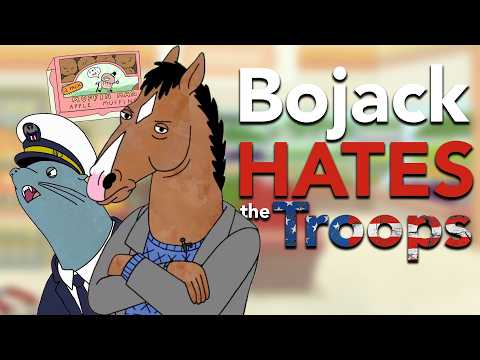
Every Reason to Love "Bojack Hates the Troops" (Bojack Horseman S1E2)
0
張文柏 posted on 2026/10/23Dive into the hilarious world of BoJack Horseman as we break down the clever wordplay and visual gags that make the episode 'BoJack Hates the Troops' so memorable. You will get a deep dive into the show’s witty dialogue, including fun idioms like 'calling dibs' and how to spot a perfectly timed punchline.
Learn this video on the APP!
The VoiceTube App has more in-depth practice for videos!