
affect
US /əˈfɛkt/
UK /ə'fekt/
- Transitive Verb
- To cause a change in something else
- To pretend to have or feel (something).
- Noun
- (Psychology) Emotion or feeling.
A2TOEICMoreautomatically
US /ˌɔtəˈmætɪkl:ɪ/
UK /ˌɔ:tə'mætɪklɪ/
- Adverb
- In a way not requiring control by a person
B1Morecare of
US /kɛr ʌv/
UK /kɛə ɔv/
- Preposition
- Used in an address to indicate the person who will receive the mail for someone else.
A2Morecholesterol
US /kəˈlestərɔ:l/
UK /kəˈlestərɒl/
- Uncountable Noun
- Substance in the body that may cause heart disease
- Noun
- A test to measure the amount of cholesterol in your blood.
B2Morecognitive
US /ˈkɑɡnɪtɪv/
UK /ˈkɒgnətɪv/
- Adjective
- The process of knowing and remembering
- Relating to the ability to think and reason.
C1Morecoordination
US /koʊˌɔ:rdɪˈneɪʃn/
UK /kəʊˌɔ:dɪˈneɪʃn/
- Uncountable Noun
- When parts of your body work well together
- Planning to meet a shared goal
B1Moredecrease
US /dɪˈkris/
UK /dɪˈkri:s/
- Verb (Transitive/Intransitive)
- To reduce the size, amount or number of something
- Uncountable Noun
- Amount by which something has been reduced
B1TOEICMoredepend
US /dɪˈpend/
UK /dɪˈpend/
- Verb (Transitive/Intransitive)
- Be controlled or determined by (someone/something)
- To rely on someone or something for support, help, or existence.
B1TOEICMoredepending on
US
UK
- Phrasal Verb
- To rely on for support (financial or emotional)
- Influenced or determined by.
- Preposition
- Subject to; contingent on
- Relying on someone or something for support or assistance.
A2Moredeserve
US /dɪˈzɚv/
UK /dɪ'zɜ:v/
- Transitive Verb
- To be worthy of, e.g. getting praise or attention
A2TOEICMorediabetes
US /ˌdaɪəˈbitɪs, -tiz/
UK /ˌdaɪəˈbi:ti:z/
- Noun (Countable/Uncountable)
- Illness where there is too much sugar in the blood
- A form of diabetes, usually diagnosed in children and young adults, in which the body does not produce insulin.
B2Moredisease
US /dɪˈziz/
UK /dɪˈzi:z/
- Noun (Countable/Uncountable)
- Illness that affects a person, animal, or plant
- A disorder of structure or function in a plant, especially one caused by a pathogen.
- Transitive Verb
- To affect with disease; to corrupt or sicken.
A2TOEICMoreemotional
US /ɪˈmoʃənəl/
UK /ɪˈməʊʃənl/
- Adjective
- Causing, feeling, or appealing to the emotions
- Relating to or characterized by emotion
A2Moreextensively
US /ɪkˈstɛnsɪvlɪ/
UK /ɪk'stensɪvlɪ/
- Adverb
- Very much or often; to a large degree
- In a widespread manner; to a great extent.
B2Morefamiliar
US /fəˈmɪljɚ/
UK /fəˈmɪliə(r)/
- Adjective
- Well-known or easily recognized
- Having a good knowledge of something.
- Noun
- A close friend or associate.
- (In folklore) a spirit, often in animal form, believed to attend and serve a witch.
A2TOEICMorefluid
US /ˈfluɪd/
UK /'flu:ɪd/
- Noun (Countable/Uncountable)
- A material that can easily flow, e.g. water
- Liquid that flows smoothly, such as water
- Adjective
- Able to move smoothly or gracefully
- Liable to change; unstable.
B2Morefor example
US
UK
- Phrase
- As an illustration or instance.
frontal
US /ˈfrʌntl:/
UK /ˈfrʌntl/
- Adjective
- Belonging to the forward part
- Relating to the front part of something, especially the front of the head or brain.
- Noun
- The bone that forms the front part of the skull above the eyes.
B1Moregradual
US /ˈɡrædʒuəl/
UK /ˈgrædʒuəl/
- Adjective
- Moving slowly by small amounts, over time
- Noun
- A gently sloping path or surface.
B1Moregradually
US /ˈɡrædʒʊəlɪ/
UK /ˈgrædʒuəli/
- Adverb
- Occurring in a slow manner over a period of time
- Little by little; in a slow and progressive manner.
B1TOEICMorehalfway
US /ˌhæfˈweɪ/
UK /ˌhɑ:fˈweɪ/
- Adverb
- A middle point between two extremes
- At or to a point equidistant between two places.
- Adjective
- Located at or being at a point equidistant between two places.
- Partially completed; at an intermediate stage.
B2Morehalfway through
US
UK
- Adverb
- At or in the middle of a period of time or an activity.
- Phrase
- Having completed approximately half of something.
A2Moreinfluence
US / ˈɪnfluəns/
UK /'ɪnflʊəns/
- Verb (Transitive/Intransitive)
- To affect or change something indirectly
- To persuade someone to do something.
- Noun (Countable/Uncountable)
- The power to affect what happens, to persuade etc.
- A person or thing that affects someone or something in an important way.
A2TOEICMorekitty
US /ˈkɪti/
UK /'kɪtɪ/
- Countable Noun
- Amount of money a group of people share
- Money contributed for expenses by group of people
- Proper Noun
- Person's name
B2Moreneurological
US /ˌnjʊrəˈlɑdʒɪkəl/
UK /ˌnjʊərəˈlɒdʒɪkl/
- Adjective
- Concerning, used in or practicing neurology
B2Morenutritious
US /nuˈtrɪʃəs/
UK /njuˈtrɪʃəs/
- Adjective
- Providing nourishment; good to include in the diet
B1Moreoccur
US /əˈkɚ/
UK /əˈkɜ:(r)/
- Intransitive Verb
- To come to pass or to happen
- To be found to exist; to be present.
A2TOEICMoreper year
US
UK
- Phrase
- For each year; annually.
A2Morepersonality
US /ˌpɚsəˈnælɪti/
UK /ˌpɜ:səˈnæləti/
- Noun (Countable/Uncountable)
- Way someone is or reacts to life or other people
- Person who is famous; celebrity
A2Moreprocess
US /ˈprɑsˌɛs, ˈproˌsɛs/
UK /prə'ses/
- Transitive Verb
- To organize and use data in a computer
- To deal with official forms in the way required
- Noun (Countable/Uncountable)
- Dealing with official forms in the way required
- Set of changes that occur slowly and naturally
A2TOEICMoreprogress
US /ˈprɑɡˌrɛs, -rəs, ˈproˌɡrɛs/
UK /'prəʊɡres/
- Verb (Transitive/Intransitive)
- To move forward or toward a place or goal
- To make progress; develop or improve.
- Uncountable Noun
- Act of moving forward
- The process of improving or developing something over a period of time.
A2TOEICMorerecognize
US /ˈrek.əɡ.naɪz/
UK /ˈrek.əɡ.naɪz/
- Transitive Verb
- To accept the truth or reality of something
- To consider something as important or special
A2TOEICMorerecommend
US /ˌrɛkəˈmɛnd/
UK /ˌrekə'mend/
- Transitive Verb
- To advise or suggest that someone do something
- To endorse or support something publicly.
A2TOEICMorereduction
US /rɪˈdʌkʃən/
UK /rɪ'dʌkʃn/
- Noun
- Act of making something smaller
B1Moreregion
US /ˈridʒən/
UK /'ri:dʒən/
- Noun (Countable/Uncountable)
- Part of a country, of the world, area, etc.
- A part of the body
A2TOEICMorerequire
US /rɪˈkwaɪr/
UK /rɪ'kwaɪə(r)/
- Transitive Verb
- To demand that someone does something
- To need to do something, to make it necessary
A2TOEICMoreroughly
US /ˈrʌflɪ/
UK /ˈrʌfli/
- Adverb
- Approximately; (of numbers) about; around
- In a manner that is violent or not careful
B1Moresevere
US /səˈvɪr/
UK /sɪ'vɪə(r)/
- Adjective
- Very bad; harsh
- (Of clothes, etc.) plain; simple; not decorated
A2TOEICMoreshrink
US /ʃrɪŋk/
UK /ʃrɪŋk/
- Intransitive Verb
- To become smaller
- Noun
- A rude name for a psychiatrist
B1Moresketch
US /skɛtʃ/
UK /sketʃ/
- Noun
- Brief account of something without many details
- A drawing made quickly that lacks detail
- Transitive Verb
- To make a rough plan or idea of something
- To draw images roughly with a pencil
B1Morestroke
US /strok/
UK /strəʊk/
- Noun (Countable/Uncountable)
- When blood cannot get to brain, causing damage
- Mark made by a pen, pencil or brush
- Transitive Verb
- To rub your hand in a caring way on something
B1Moresubtle
US /ˈsʌtl/
UK /'sʌtl/
- Adjective
- Delicate or slight so it is difficult to perceive
- Clever or indirect but hides the true purpose
B1Moresuch as
US /sʌtʃ æz/
UK /sʌtʃ æz/
- Preposition
- For example; like
A1Moretraditionally
US /trə'dɪʃənəlɪ/
UK /trə'dɪʃənəlɪ/
- Adverb
- Something done in a customary, traditional manner
B2Moretrain of thought
US /tren ʌv θɔt/
UK /trein ɔv θɔ:t/
- Noun
- A connected series of thoughts.
A1Morezoom
US /zum/
UK /zu:m/
- Noun
- Camera lens used to magnify images
- Intransitive Verb
- To move along or go somewhere very quickly
B1More
Vocabulary
- such as: For example; like
- train of thought: A connected series of thoughts.
- halfway through: At or in the middle of a period of time or an activity.
- for example: As an illustration or instance.
- depending on: To rely on for support (financial or emotional)
- care of: Used in an address to indicate the person who will receive the mail for someone else.
- per year: For each year; annually.
- cognitive: The process of knowing and remembering
- process: To organize and use data in a computer
- subtle: Delicate or slight so it is difficult to perceive
- recognize: To accept the truth or reality of something
- deserve: To be worthy of, e.g. getting praise or attention
- recommend: To advise or suggest that someone do something
- progress: To move forward or toward a place or goal
- diabetes: Illness where there is too much sugar in the blood
- matter: To be of great importance; to count
- severe: Very bad; harsh
- familiar: Well-known or easily recognized
- expect: To believe something is probably going to happen
- cholesterol: Substance in the body that may cause heart disease
- disease: Illness that affects a person, animal, or plant
- emotional: Causing, feeling, or appealing to the emotions
- roughly: Approximately; (of numbers) about; around
- measure: Plan to achieve a desired result
- influence: To affect or change something indirectly
- fluid: A material that can easily flow, e.g. water
- stroke: When blood cannot get to brain, causing damage
- shrink: To become smaller
- automatically: In a way not requiring control by a person
- affect: To cause a change in something else
- brain: To strike someone forcefully on the head
- personality: Way someone is or reacts to life or other people
- occur: To come to pass or to happen
- gradually: Occurring in a slow manner over a period of time
- behavior: The way a person or thing acts; manner
- explain: To make clear or easy to understand by describing
- hippocampus: A part of the brain that is part of the limbic system and is important for memory
- region: Part of a country, of the world, area, etc.
- require: To demand that someone does something
- neurological: Concerning, used in or practicing neurology
- mood: Emotion or a state of mind; how you feel
- amygdala: Almond-shaped structure in the brain's anterior
- normal: Standard or regular way of doing something
- activity: An action or task, e.g. sports, washing clothes
- reduction: Act of making something smaller
- depend: Be controlled or determined by (someone/something)
- decrease: To reduce the size, amount or number of something
- manage: To survive hardships and difficulties; to cope
- coordination: When parts of your body work well together
- control: A device designed to operate a machine
- gradual: Moving slowly by small amounts, over time
- sketch: Brief account of something without many details
- great: Very good; better than before
- remember: To give someone a gift, e.g. birthday, wedding
- halfway: A middle point between two extremes
- nutritious: Providing nourishment; good to include in the diet
- extensively: Very much or often; to a large degree
- frontal: Belonging to the forward part
- zoom: Camera lens used to magnify images
- traditionally: Something done in a customary, traditional manner
- kitty: Amount of money a group of people share
Get the full experience in the app
Learn anywhere with detailed sentence and usage analysis
01:03
She took a brave step forward, leaving behind her comfort zone to chase her dreams.
Vocabulary
- brave
adj. Having courage
- comfort zone
phr. A familiar situation where one feels safe
Explanation
a brave step is a noun phrase, where brave is an adjective modifying the noun step, meaning "a courageous step".
forward is an adverb modifying step, meaning "ahead".
The whole phrase serves as the object, answering the "what" of took (verb) — she took a brave step forward.
Get the full experience in the app
Look up words anytime with pronunciation, part of speech, and usage
brave
US/brev/
UK/breɪv/
adj.Brave
v.t.To bravely face
A2 Elementary
Get the full experience in the app
Practice speaking anytime and get instant pronunciation feedback
Try this speaking exercise.
Try practicing with this sentence.
80
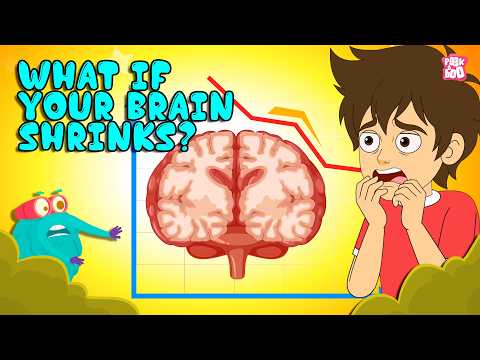
What If Your Brain Shrinks? 🧠😱 | What is Brain Atrophy? | Why It Happens? | Dr. Binocs Show
0
yasijinnishi posted on 2026/10/20Have you ever wondered if your brain really gets smaller as you grow older? Join Dr. Binocs to explore the science behind brain atrophy and learn some handy scientific vocabulary while discovering how to keep your mind sharp with healthy lifestyle habits.
Learn this video on the APP!
The VoiceTube App has more in-depth practice for videos!