
act on
US /ækt ɑn/
UK /ækt ɔn/
- Verb (Transitive/Intransitive)
- To have an effect on something.
- To take formal action or make a decision regarding something.
- Phrasal Verb
- To take action as a result of information received.
- To have an effect on something.
B1Morealso known as
US
UK
- Phrase
- Also called; alternatively named.
- Identified by another term; synonymous with.
A1Moreaortic
US /eɪ'ɔ:tɪk/
UK /eɪ'ɔ:tɪk/
- Adjective
- Belonging to the aorta artery of the heart
C2Morearch
US /ɑ:rtʃ/
UK /ɑ:tʃ/
- Noun
- Curved part of a structure (e.g. on a bridge)
- Adjective
- Chief; the most important or typical (of a type)
B1Morearterial
US /ɑrˈtɪriəl/
UK /ɑ:'tɪərɪəl/
- Adjective
- Concerning, involving or contained in the arteries
B2Moreartery
US /ˈɑrtəri/
UK /ˈɑ:təri/
- Noun (Countable/Uncountable)
- Tubes that carry blood from the heart to the body
- Important road, rail or water way
B2Moreas well as
US /æz wɛl æz/
UK /æz wel æz/
- Adverb
- Also; in addition to
- Preposition
- In addition to; and also.
A1Moreas with
US /æz wɪð/
UK /æz wið/
- Preposition
- In the same way that something happens or is true of something else.
A1Morecalcium
US /ˈkælsiəm/
UK /'kælsɪəm/
- Uncountable Noun
- A substance important for making bones and teeth
- A substance containing calcium, taken to improve health.
C2Morecardiac
US /ˈkɑ:rdiæk/
UK /ˈkɑ:diæk/
- Adjective
- Concerning the heart
B2Morecarotid
US
UK
- Noun
- Of two major arteries supplying blood to head/neck
C2Morechannel
US /ˈtʃænəl/
UK /'tʃænl/
- Noun (Countable/Uncountable)
- Long hole dug in the ground, e.g. to move water
- TV or radio station or its programs
- Transitive Verb
- To dig a long hole for carrying water
- To send (e.g. money) to a certain place or person
B1Moreconcentration
US /ˌkɑ:nsnˈtreɪʃn/
UK /ˌkɒnsnˈtreɪʃn/
- Noun (Countable/Uncountable)
- Amount or number of something in a thing or place
- Paying (a lot of) attention to a task
A2Morecontract in
US /ˈkɑntrækt ɪn/
UK /ˈkɒntrækt ɪn/
- other
- To formally engage someone by contract.
C2Morecontraction
US /kənˈtrækʃən/
UK /kənˈtrækʃn/
- Uncountable Noun
- Process of becoming smaller in length/size
- Involuntary, often painful tightening of a muscle
B2Morecoronary
US /ˈkɒrən(ə)ri/
UK /'kɒrənrɪ/
- Adjective
- Concerning the heart
B2Moredemand
US /dɪˈmænd/
UK /dɪ'mɑ:nd/
- Noun (Countable/Uncountable)
- Desire customers have to buy product, service
- A strong request for someone to do something
- Transitive Verb
- To strongly request someone to do something
- To need something.
A2TOEICMoredetermine
US /dɪˈtɚmɪn/
UK /dɪ'tɜ:mɪn/
- Transitive Verb
- To control exactly how something will be or act
- To establish the facts about; discover
A2TOEICMoredilate
US /daɪˈlet,ˈdaɪˌlet/
UK /daɪˈleɪt/
- Verb (Transitive/Intransitive)
- (Of the iris of the eye, etc.) to get bigger
- Intransitive Verb
- To become wider, larger, or more open.
C1TOEICMoredisease
US /dɪˈziz/
UK /dɪˈzi:z/
- Noun (Countable/Uncountable)
- Illness that affects a person, animal, or plant
- A disorder of structure or function in a plant, especially one caused by a pathogen.
- Transitive Verb
- To affect with disease; to corrupt or sicken.
A2TOEICMoredue to
US /du tu/
UK /dju: tu:/
- Preposition
- Because of; owing to
- Adjective
- Attributable to; caused by.
A1Moreend in
US /ɛnd ɪn/
UK /end in/
- Phrasal Verb
- To have something as the final result.
for example
US
UK
- Phrase
- As an illustration or instance.
generate
US /ˈdʒɛnəˌret/
UK /ˈdʒenəreɪt/
- Transitive Verb
- To create or be produced or bring into existence
- To create electricity, heat, energy and power
A2TOEICMorein blood
US /ɪn blʌd/
UK /in blʌd/
- other
- Covered or stained with blood, literally or figuratively.
C2Morein order to
US /ɪn ˈɔrdɚ tu/
UK /in ˈɔ:də tu:/
- Preposition
- For the purpose of; with the aim of.
- Phrase
- In a specific sequence or arrangement.
- With the aim of; for the purpose of.
C1Moreinflux
US /ˈɪnˌflʌks/
UK /ˈɪnflʌks/
- Noun (Countable/Uncountable)
- Sudden arrival of many people or things
- The flowing in of a river or stream.
B2TOEICMoreinvolve
US /ɪnˈvɑlv/
UK /ɪn'vɒlv/
- Transitive Verb
- To have or be included as a part of something
- To cause (a person or group) to take part in an event or activity.
A2TOEICMoreion
US /ˈaɪən/
UK /'aɪən/
- Noun (Countable/Uncountable)
- Atoms with either a positive or negative charge
B2Moremaintain
US /menˈten/
UK /meɪn'teɪn/
- Transitive Verb
- To keep saying something a certain way
- To keep (machine) working by checking, repairing
A2TOEICMoremembrane
US /ˈmɛmˌbren/
UK /'membreɪn/
- Noun (Countable/Uncountable)
- Outside covering of a cell
- A thin covering of tissue or of a cell
B2Morenegative
US /ˈnɛɡətɪv/
UK /'neɡətɪv/
- Noun
- The opposite to a positive electrical charge
- In grammar, containing words such as 'no' or 'not'
- Adjective
- Being harmful, unwanted or unhelpful
- In mathematics, being less than zero
A2Morenode
US //noʊd//
UK
- Noun
- A junction point in a network or stem
- Raised area caused by a mass of cells in the body
B1Moreoccur
US /əˈkɚ/
UK /əˈkɜ:(r)/
- Intransitive Verb
- To come to pass or to happen
- To be found to exist; to be present.
A2TOEICMoreoccurrence
US /əˈkɚrəns/
UK /əˈkʌrəns/
- Noun (Countable/Uncountable)
- Specific instance of something happening
- The fact or frequency of something happening.
B1TOEICMoreoxygen
US /ˈɑksɪdʒən/
UK /'ɒksɪdʒən/
- Uncountable Noun
- A gas in the air that we need to breathe
- Oxygen administered as a medical treatment.
B1Morepathway
US /ˈpæθˌwe, ˈpɑθ-/
UK /ˈpɑ:θweɪ/
- Noun (Countable/Uncountable)
- A path or way that you can walk
B1Morephysiological
US /ˌfɪziəˈlɑdʒɪkəl/
UK /ˌfɪzɪə'lɒdʒɪkl/
- Adjective
- Of or relating to functions of the body
- Consistent with the normal functioning of an organism.
B1Moreplaque
US /plæk/
UK /plæk/
- Noun (Countable/Uncountable)
- Sign on building as a reminder of an event/person
- Hard matter that can build up on your teeth
B2TOEICMorepoint out
US /pɔɪnt aʊt/
UK /pɔint aut/
- Phrasal Verb
- To make others aware of an idea
- To draw attention to something or someone
A1Morepotent
US /ˈpotnt/
UK /'pəʊtnt/
- Adjective
- (Of men) being able to make a woman pregnant
- Having a powerful effect, e.g. on the body or mind
B2Morepotential
US /pəˈtɛnʃəl/
UK /pəˈtenʃl/
- Adjective
- Capable of happening or becoming reality
- Having or showing the capacity to develop into something in the future.
- Uncountable Noun
- someone's or something's ability to develop, achieve, or succeed
A2TOEICMorepotentially
US /pəˈtɛnʃəlɪ/
UK /pə'tenʃəlɪ/
- Adverb
- That could happen or become reality
B1Morepressure
US /ˈprɛʃɚ/
UK /'preʃə(r)/
- Noun (Countable/Uncountable)
- Anxiety caused by difficult problems
- Force, weight when pressing against a thing
- Transitive Verb
- To apply force to something
- To persuade or force someone to do something
A2TOEICMoreprevent
US /prɪˈvɛnt/
UK /prɪ'vent/
- Transitive Verb
- To stop something from happening or existing
A2TOEICMorepropagation
US /ˌprɑpəˈɡeʃən/
UK /ˌprɒpə'ɡeɪʃn/
- Uncountable Noun
- Spreading of something (a belief or practice)
- Act of producing a new plant from an existing one
B2TOEICMorerapid
US /ˈræpɪd/
UK /ˈræpɪd/
- Adjective
- Moving or happening very quickly
- Noun
- Rough and fast-moving part of a river
B1Morerate as
US
UK
- Phrasal Verb
- To consider someone or something to be of a particular quality or standard.
B1Morereduction
US /rɪˈdʌkʃən/
UK /rɪ'dʌkʃn/
- Noun
- Act of making something smaller
B1Morerefer
US /rɪˈfɚ/
UK /rɪ'fɜ:(r)/
- Verb (Transitive/Intransitive)
- To talk about or write about something
- To give information about something
A2TOEICMorereflex
US /ˈriˌflɛks/
UK /ˈri:fleks/
- Noun
- Body's physical reaction done unconsciously
- Response done quickly and without thinking
B2Moreresponse
US /rɪˈspɑns/
UK /riˈspɔns/
- Noun
- Something said/written as an answer to something
- Reaction to something that has occurred
A2TOEICMorerestore
US /rɪˈstɔr, -ˈstor/
UK /rɪˈstɔ:(r)/
- Transitive Verb
- To return a thing to its original condition
B1Moreslight
US /slaɪt/
UK /slaɪt/
- Adjective
- Small (amount, quality)
- Appearing thin, delicate and physically weak
- Transitive Verb
- To ignore or treat rudely and with no respect
B1Morespecific
US /spɪˈsɪfɪk/
UK /spəˈsɪfɪk/
- Adjective
- Precise; particular; just about that thing
- Concerning one particular thing or kind of thing
A2Moresuch as
US /sʌtʃ æz/
UK /sʌtʃ æz/
- Preposition
- For example; like
A1Moresystemic
US /sɪˈstɛmɪk/
UK /sɪ'stemɪk/
- Adjective
- Affecting the entire body, system
- Relating to or affecting the entire body or a system.
B2Moreused to
US /juzd tu/
UK /ˈju:st tə/
- Adjective
- Did regularly before, but don't do now
- Auxiliary Verb
- Have done before, but do not do now
A1Morevascular
US /ˈvæskjəlɚ/
UK /ˈvæskjələ(r)/
- Adjective
- Of tubes through which fluids flow in body/plant
C1Morevelocity
US /vəˈlɑsɪti/
UK /və'lɒsətɪ/
- Noun (Countable/Uncountable)
- Speed in a given direction
- The rate of change of an object's position with respect to time; a vector quantity.
B1Moreventricle
US /ˈvɛntrɪkəl/
UK /ˈventrɪkl/
- Noun
- Chamber of the heart that pumps blood to arteries
C2Morevessel
US /ˈvɛsəl/
UK /ˈvesl/
- Countable Noun
- Container, such as a cup, for holding liquids
- A ship or boat; something that carries things
B1TOEICMorevoltage
US /ˈvoʊltɪdʒ/
UK /ˈvəʊltɪdʒ/
- Noun (Countable/Uncountable)
- Measured force of electricity
B1More
Vocabulary
- act on: To have an effect on something.
- used to: Did regularly before, but don't do now
- for example: As an illustration or instance.
- end in: To have something as the final result.
- as well as: Also; in addition to
- point out: To make others aware of an idea
- due to: Because of; owing to
- as with: In the same way that something happens or is true of something else.
- in order to: For the purpose of; with the aim of.
- in blood: Covered or stained with blood, literally or figuratively.
- such as: For example; like
- contract in: To formally engage someone by contract.
- also known as: Also called; alternatively named.
- rate as: To consider someone or something to be of a particular quality or standard.
- specific: Precise; particular; just about that thing
- potential: Capable of happening or becoming reality
- present: Being in attendance; being there; having turned up
- term: Conditions applying to an agreement, contract
- determine: To control exactly how something will be or act
- experience: Thing a person has done or that happened to them
- potentially: That could happen or become reality
- negative: The opposite to a positive electrical charge
- disease: Illness that affects a person, animal, or plant
- demand: Desire customers have to buy product, service
- pressure: Anxiety caused by difficult problems
- increase: To make or become larger in size or amount
- prevent: To stop something from happening or existing
- contract: To become ill as a result of getting a disease
- concentration: Amount or number of something in a thing or place
- mean: Average of a set of numbers
- occur: To come to pass or to happen
- maintain: To keep saying something a certain way
- response: Something said/written as an answer to something
- vessel: Container, such as a cup, for holding liquids
- refer: To talk about or write about something
- generate: To create or be produced or bring into existence
- involve: To have or be included as a part of something
- pretty: Being attractive to the eye in a simple way
- drop: Distance between a higher and a lower level
- rate: To assess something or consider its qualities
- lead: Wire for electricity, computer, etc.; cable
- contraction: Process of becoming smaller in length/size
- calcium: A substance important for making bones and teeth
- oxygen: A gas in the air that we need to breathe
- influx: Sudden arrival of many people or things
- potent: (Of men) being able to make a woman pregnant
- slight: Small (amount, quality)
- discuss: To talk about seriously or in great detail
- dilate: (Of the iris of the eye, etc.) to get bigger
- velocity: Speed in a given direction
- reduction: Act of making something smaller
- rapid: Moving or happening very quickly
- channel: Long hole dug in the ground, e.g. to move water
- important: Having power or authority
- cardiac: Concerning the heart
- physiological: Of or relating to functions of the body
- pain: Strong feeling of hurt or discomfort
- restore: To return a thing to its original condition
- order: Religious or social group, as of nuns
- manage: To survive hardships and difficulties; to cope
- artery: Tubes that carry blood from the heart to the body
- membrane: Outside covering of a cell
- occurrence: Specific instance of something happening
- plaque: Sign on building as a reminder of an event/person
- pathway: A path or way that you can walk
- reflex: Body's physical reaction done unconsciously
- coronary: Concerning the heart
- arch: Curved part of a structure (e.g. on a bridge)
- node: A junction point in a network or stem
- ventricle: Chamber of the heart that pumps blood to arteries
- vascular: Of tubes through which fluids flow in body/plant
- systemic: Affecting the entire body, system
- ion: Atoms with either a positive or negative charge
- voltage: Measured force of electricity
- arterial: Concerning, involving or contained in the arteries
- propagation: Spreading of something (a belief or practice)
- carotid: Of two major arteries supplying blood to head/neck
- aortic: Belonging to the aorta artery of the heart
Get the full experience in the app
Learn anywhere with detailed sentence and usage analysis
01:03
She took a brave step forward, leaving behind her comfort zone to chase her dreams.
Vocabulary
- brave
adj. Having courage
- comfort zone
phr. A familiar situation where one feels safe
Explanation
a brave step is a noun phrase, where brave is an adjective modifying the noun step, meaning "a courageous step".
forward is an adverb modifying step, meaning "ahead".
The whole phrase serves as the object, answering the "what" of took (verb) — she took a brave step forward.
Get the full experience in the app
Look up words anytime with pronunciation, part of speech, and usage
brave
US/brev/
UK/breɪv/
adj.Brave
v.t.To bravely face
A2 Elementary
Get the full experience in the app
Practice speaking anytime and get instant pronunciation feedback
Try this speaking exercise.
Try practicing with this sentence.
80
0
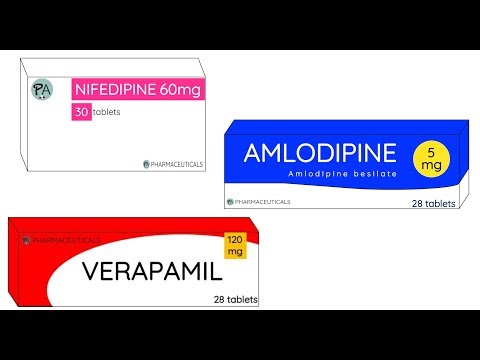
Xie posted on 2026/10/15Ever wondered how medication actually lowers blood pressure? This video breaks down how different classes of calcium channel blockers—from dihydropyridines like amlodipine to verapamil—work to relax blood vessels and manage heart rate. You’ll sharpen your medical vocabulary while learning the key differences between these essential treatments.
Learn this video on the APP!
The VoiceTube App has more in-depth practice for videos!