
account of
US /əˈkaʊnt ʌv/
UK /əˈkaunt ɔv/
- Noun
- A spoken or written description of an event.
- Preposition
- Because of; for the reason of.
B1Moreafter all
US /ˈæftɚ ɔl/
UK /ˈɑ:ftə ɔ:l/
- Adverb
- In spite of what was expected; used to introduce a statement that supports a previous statement or explains why it was made
- Considering everything; used to indicate that something is happening or is true despite some difficulty or obstacle
- Phrase
- Despite what was expected or thought; in spite of everything.
- Taking everything into consideration; considering that.
B1Morealong with
US /əˈlɔŋ wɪð/
UK /əˈlɔŋ wið/
- Preposition
- In addition to; together with.
- Adverb
- In company or together with someone or something.
- Including; in addition to.
A2Moreas a whole
US /æz e hol/
UK /æz ə həul/
- Phrase
- Considering everything together; in general.
- Complete; not divided or incomplete.
- Adjective
- Complete; not divided or fragmented.
A1Moreat any rate
US
UK
- Phrase
- Whatever happens; in any case; anyway.
at least
US /æt list/
UK /æt li:st/
- Adverb
- As a minimum
- Not less than
- Phrase
- No less than; at the minimum
- Used to indicate that something is positive in a bad situation.
C2Moreat school
US
UK
- Phrase
- Present and attending school.
A1Moreback out
US /bæk aʊt/
UK /bæk aut/
- Phrasal Verb
- To say you will now not do something you promised
A1Morebased on
US
UK
- Phrasal Verb
- To use something as the foundation or starting point for something else.
- Preposition
- Using something as the main idea or foundation.
- Relying on something as evidence or justification.
A1Morebasically
US /ˈbesɪkəli,-kli/
UK /ˈbeɪsɪkli/
- Adverb
- Used before you explain something simply, clearly
- In essence; when you consider the most important aspects of something.
A2Morebook on
US
UK
- Noun
- A book about a particular subject.
- Verb (Transitive/Intransitive)
- To place a bet on something.
A1Morebronze
US /brɑ:nz/
UK /brɒnz/
- Noun (Countable/Uncountable)
- Having a yellowish olive-brown color
- Alloy of tin and copper with a dark tan color
B1Moreby god
US
UK
- Interjection
- An expression of surprise, shock, or emphasis.
- An expression of strong promise or determination.
B2Moreby no manner of means
US /baɪ no ˈmænɚ əv minz/
UK /baɪ nəʊ ˈmænə əv mi:nz/
- other
- Absolutely not; in no way or circumstance.
C1Moreby virtue of
US /baɪ ˈvɚtʃu ʌv/
UK /bai ˈvə:tju: ɔv/
- Phrase
- By reason of; because of.
C2Morecall attention to
US
UK
- Phrasal Verb
- To make someone notice something.
A2Morecharacter
US /ˈkærəktɚ/
UK /'kærəktə(r)/
- Noun
- Person in a story, movie or play
- Writing symbols, e.g. alphabet or Chinese writing
A2Morecome back
US /kʌm bæk/
UK /kʌm bæk/
- Phrasal Verb
- To reply to someone, often forcefully
- To be remembered
A1Morecommunity
US /kəˈmjunɪti/
UK /kə'mju:nətɪ/
- Noun (Countable/Uncountable)
- Group of people who share a common idea or area
- A feeling of fellowship with others, as a result of sharing common attitudes, interests, and goals.
- Adjective
- Relating to or shared by the people in a particular area.
- Shared or participated in by all members of a group
A2Morecomplicate
US /ˈkɑ:mplɪkeɪt/
UK /ˈkɒmplɪkeɪt/
- Transitive Verb
- To make more difficult to do, understand or use
B1Moreconcern
US /kənˈsɚn/
UK /kənˈsɜ:n/
- Verb (Transitive/Intransitive)
- To be about a particular topic
- To have a direct impact on someone
- Noun (Countable/Uncountable)
- Company, firm or business
- Feeling of worry or anxiety
A2TOEICMoreconcern about
US
UK
- Intransitive Verb
- To worry about something.
B2Morecontext
US /ˈkɑnˌtɛkst/
UK /ˈkɒntekst/
- Noun (Countable/Uncountable)
- Set of facts surrounding a person or event
- The circumstances that form the setting for an event, statement, or idea, and in terms of which it can be fully understood and assessed.
A2Morecouple
US /ˈkʌpəl/
UK /'kʌpl/
- Transitive Verb
- To join something to something else
- (Two animals) to engage in sexual relations
- Noun (Countable/Uncountable)
- Two people in a romantic relationship
- Two of something; two people; a pair
A2Morecut down
US /kʌt daʊn/
UK /kʌt daun/
- Phrasal Verb
- To reduce your use of something
- To fell a tree.
A1Morecut out
US /kʌt aʊt/
UK /kʌt aut/
- Phrasal Verb
- To leave out of something, e.g. a social event
- To cut something from, e.g. a picture from a book
- Verb (Transitive/Intransitive)
- To stop doing or using something.
- To be naturally suited or fitted for something.
A1Moredecide on
US
UK
- Phrasal Verb
- To choose something, especially after thinking carefully about several possibilities
A2Morediffers from
US
UK
- Phrasal Verb
- To not be the same as something else
- Intransitive Verb
- Is not the same as; is not like
B1Moreearn it
US
UK
- Verb (Transitive/Intransitive)
- To deserve something as a result of one's actions or efforts.
A2Moreeat out
US
UK
- Phrasal Verb
- To eat at a restaurant
A1Moreeducation
US /ˌɛdʒəˈkeʃən/
UK /ˌedʒuˈkeɪʃn/
- Uncountable Noun
- Academic field studying the practice of teaching
- Process of giving or receiving teaching
A2TOEICMoreessentially
US /ɪˈsenʃəli/
UK /ɪˈsenʃəli/
- Adverb
- Basically; (said when stating the basic facts)
- Used to emphasize the basic truth or fact of a situation.
A2Moreevidence of
US
UK
- Phrase
- Facts, objects, or signs that make you believe that something is true.
- Something that shows that something else exists or is true.
A1Morefeel like
US
UK
- Intransitive Verb
- To have a desire or inclination for something.
- To have a particular quality or sensation; resemble.
A1Morefor a minute
US
UK
- Phrase
- For a short period of time; briefly.
- Used to indicate a sudden realization or thought.
A1Morefor example
US
UK
- Phrase
- As an illustration or instance.
from time to time
US
UK
- Phrase
- Occasionally; sometimes but not regularly.
- At intervals; now and then.
A1Moreget into it
US
UK
- Phrasal Verb
- To become interested in something and enjoy it.
- To start a career or profession.
- Intransitive Verb
- To become interested in something.
A1Moreget out of
US /ɡɛt aʊt ʌv/
UK /ɡet aut ɔv/
- Phrasal Verb
- To leave or escape responsibilities, troubles
- To leave a small, enclosed vehicle
A1Moregive in
US /ɡɪv ɪn/
UK /ɡiv in/
- Phrasal Verb
- To submit work; hand in
- To stop resisting; to surrender
A1Morego back to
US /ɡo bæk tu/
UK /ɡəu bæk tu:/
- Phrasal Verb
- To return to a starting point
A1Morego on
US /ɡo ɑn/
UK /ɡəu ɔn/
- Phrasal Verb
- To continue doing something
- To happen (usually negative)
- Interjection
- Used to encourage someone
A1Morego out
US /ɡo aʊt/
UK /ɡəu aut/
- Phrase
- To leave a building (e.g. a house)
- Phrasal Verb
- (Of a fire) to burn out; be extinguished
- Go out of fashion to stop being fashionable
A1Moregoing on
US /ˈɡoɪŋ ɑn/
UK /ˈgəʊɪŋ ɔn/
- Phrasal Verb
- To continue doing something
- To happen (usually negative)
A1Moregot to
US /ɡɑt tu/
UK /gɔt tu:/
- Verb (Transitive/Intransitive)
- To arrive at some place
- To have the opportunity or permission to do something
- Phrasal Verb
- To appeal to the emotions of; move
- To finally begin to start something after a delay
A1Morehave on
US /hæv ɑn/
UK /hæv ɔn/
- Phrasal Verb
- To be wearing something.
- To deceive or trick someone, often in a playful way.
A1Morehave to
US /hæv tu/
UK /ˈhæv tə/
- Auxiliary Verb
- Must do
A1Morehave words
US /hæv wɝdz/
UK /hæv wɜ:dz/
- other
- To argue or quarrel with someone.
B2Moreideology
US /ˌaɪdiˈɑlədʒi, ˌɪdi-/
UK /ˌaɪdɪ'ɒlədʒɪ/
- Uncountable Noun
- Ideas or beliefs which form theory and policy
B1TOEICMorein a sense
US /ɪn e sɛns/
UK /in ə sens/
- Phrase
- In one way of thinking; to some extent; in some ways.
B1Morein another way
US
UK
- Phrase
- Using a different method or approach.
- Stated differently; put in other words.
in case of
US /ɪn kes ʌv/
UK /in keis ɔv/
- Preposition
- If something happens; in the event of.
- If something happens.
- Conjunction
- To be prepared for something that might happen.
A1Morein charge
US /ɪn tʃɑrdʒ/
UK /in tʃɑ:dʒ/
- Adverb
- To be responsible for
A1Morein fact
US /ɪn fækt/
UK /in fækt/
- Adverb
- Used to emphasize the truth of a statement, especially one that contrasts with or contradicts something else.
- Used to introduce a more detailed or surprising piece of information.
- Phrase
- Used to emphasize the truth of a statement, especially one that is surprising or contrary to what might be expected.
C1Morein general
US /ɪn ˈdʒɛnərəl/
UK /in ˈdʒenərəl/
- Phrase
- Typically; usually; on the whole.
- Not specific or detailed; broadly.
- Adjective
- Not detailed or specific; overall.
C2Morein mind
US /ɪn maɪnd/
UK /in maind/
- Phrase
- Being aware of or considering something.
- To remember or consider something.
A2Morein order to
US /ɪn ˈɔrdɚ tu/
UK /in ˈɔ:də tu:/
- Preposition
- For the purpose of; with the aim of.
- Phrase
- In a specific sequence or arrangement.
- With the aim of; for the purpose of.
C1Morein other words
US
UK
- Phrase
- Stating something in a different way, often to make it clearer or more understandable.
in part
US /ɪn pɑrt/
UK /in pɑ:t/
- Adverb
- To some extent; partially.
A1Morein particular
US /ɪn pɚˈtɪkjəlɚ/
UK /in pəˈtikjulə/
- Phrase
- Specifically; especially.
- Detailed or precise.
A1Morein reality
US /ɪn riˈælɪti/
UK /in riˈæliti/
- Phrase
- Actually; in fact; truly.
B2Morein relation to
US /ɪn rɪˈleʃən tu/
UK /in riˈleiʃən tu:/
- Phrase
- Concerning; with reference to; regarding.
- Compared with.
B1Morein the way
US /ɪn ði we/
UK /in ðə wei/
- Phrase
- Obstructing someone or something; hindering progress.
- Stored or placed so as to be available or ready when needed.
A1Morein the world
US /ɪn ði wɜrld/
UK /in ðə wɜː(r)ld/
- Phrase
- Used to emphasize a question expressing surprise, confusion, disbelief
- Used to indicate the extent or degree of something, often in a superlative sense
A1Morein turn
US
UK
- Adverb
- One after the other in a sequence or rotation.
A1Morein with
US /ɪn wɪð/
UK /in wið/
- Phrase
- Fashionable or popular at the moment.
- Having influence or favor with someone.
- Phrasal Verb
- To introduce or bring something new into a system or organization.
A1Moreinstead of
US /ɪnˈstɛd ʌv/
UK /inˈsted ɔv/
- Preposition
- When one thing is replaced by another
- Adverb
- As a substitute or alternative.
A1Moreliberal
US /ˈlɪbərəl, ˈlɪbrəl/
UK /'lɪbərəl/
- Noun
- Someone who is open-minded and favors progress
- Adjective
- Open-minded; willing to hear others' opinions
- Political party for freedom and social change
B1TOEICMorelie in
US /lai ɪn/
UK /lai in/
- Phrasal Verb
- To stay in bed later than usual in the morning.
A2Morelook at
US /lʊk æt/
UK /luk æt/
- Phrasal Verb
- To use your eyes to focus on something
- To focus your eyes on something carefully
A1Moremajor
US /ˈmedʒɚ/
UK /'meɪdʒə(r)/
- Countable Noun
- High-ranking officer in the army
- Main subject you study at university
- Adjective
- Main league; esp. referring to American baseball
- Important, serious, or large in scope, size
A2TOEICMoremajor in
US
UK
- Verb (Transitive/Intransitive)
- To specialize in a particular subject at college or university.
A1Moremention
US /ˈmɛnʃən/
UK /'menʃn/
- Transitive Verb
- To refer to or talk or write about something
- Uncountable Noun
- Act of referring to or talking about something
- A formal acknowledgement of something
A2TOEICMoremeritocracy
US /ˌmerɪ'tɑ:krəsɪ/
UK /ˌmerɪ'tɒkrəsɪ/
- Noun
- System where those with talent have power
C1Moremuch about
US /mʌtʃ əˈbaʊt/
UK /mʌtʃ əˈbaut/
- Phrase
- A lot of information or knowledge concerning something.
- To a great extent or degree regarding something; caring.
A1Morenoble
US /'noʊbl/
UK /'nəʊbl/
- Adjective
- Being admirable and honorable in character
- Concerning or being a member a high social class
- Countable Noun
- Titled peer of the realm e.g. a lord, duke
B1Morenotion
US /ˈnoʃən/
UK /ˈnəuʃən/
- Noun
- Sudden idea or desire to do something
B1TOEICMoreof course
US /ʌv kɔː(r)s/
UK /ɔv kɔː(r)s/
- Adverb
- Sure ; Certainly
- Phrase
- For sure; certainly
A2Moreof means
US /ʌv minz/
UK /əv mi:nz/
- other
- Having resources or wealth available for use.
B2Moreoffensive to
US
UK
- Adjective
- Causing someone to feel resentful, upset, or annoyed.
- Disgusting; repulsive.
on the basis of
US
UK
- Phrase
- Because of; using as a reason or justification.
A1Moreon the other hand
US
UK
- Phrase
- Considering a different aspect of the matter; alternatively.
A1Moreon the part of
US
UK
- Phrase
- By or done by (someone); concerning someone.
- As far as (someone or something) is concerned; by (someone or something).
A1Moreon to
US /ɑn tu/
UK /ɔn tu:/
- Preposition
- Toward something; forward
- Aware of someone's activities.
- Adjective
- Aware of someone's deception or illegal activities.
A1Moreover time
US /ˈovɚ taɪm/
UK /ˈəuvə taim/
- Phrase
- Gradually; as time passes.
- During a long period.
- Adverb
- Gradually; as time passes.
B1Morepreschool
US /ˈpriˈskul/
UK /ˈpri:sku:l/
- Noun
- Educational institution before primary school
B1Moreprogressive
US /prəˈɡrɛsɪv/
UK /prəˈgresɪv/
- Adjective
- Believing in modern ideas about social change
- Increasing in extent or severity; occurring in gradual stages.
- Noun (Countable/Uncountable)
- People believing in bringing about social change
- A person advocating or implementing social reform or new, liberal ideas.
A2Morerather than
US
UK
- Adverb
- More exactly; more correctly
- Preferably; instead
- Preposition
- Instead of
A1Morerun along
US /rʌn əˈlɔŋ/
UK /rʌn əˈlɔŋ/
- Phrasal Verb
- To go away; leave (often in commands)
A1Morerun on
US /rʌn ɑn/
UK /rʌn ɔn/
- Phrasal Verb
- To continue longer than expected, e.g. a meeting
- To talk without stopping, often on the same topic
- Intransitive Verb
- To continue without a break or clear separation, especially in writing.
A1Moresame time
US
UK
- Phrase
- Occurring simultaneously or at the same point in time.
- At the identical time as before; recurring at a fixed hour.
- Noun
- An equal duration or period.
A1Morescience
US /ˈsaɪəns/
UK /'saɪəns/
- Uncountable Noun
- Study of the physical world, based on facts
A2TOEICMoresit down
US /sit daʊn/
UK /sit daun/
- Phrasal Verb
- To take a seat
A1Moresociety
US /səˈsaɪɪti/
UK /sə'saɪətɪ/
- Noun (Countable/Uncountable)
- A group who meet to share values or interests
- Group of people living together
A2TOEICMorestop by
US /stɑp baɪ/
UK /stɔp bai/
- Phrasal Verb
- To visit someone or some place for a short time
A1Morestrike out
US /straɪk aʊt/
UK /straik aut/
- Phrasal Verb
- To not hit the ball when playing baseball
A2Moretake on
US /tek ɑn/
UK /teik ɔn/
- Phrasal Verb
- To acquire a new characteristic
- To accept a new responsibility, role
A1Moretake pity on
US /tek ˈpɪti ɑn/
UK /teik ˈpiti ɔn/
- Verb (Transitive/Intransitive)
- To feel compassion or sorrow for someone's suffering and offer help or kindness.
A1Moretalking about
US
UK
- Phrasal Verb
- To discuss a particular topic.
- To be constantly mentioning or bringing up a subject.
A1Morethe whole story
US
UK
- Phrase
- The complete and unabridged account of something.
- The complete truth about a situation, including all the details.
A2Morethink about
US /θɪŋk əˈbaʊt/
UK /θiŋk əˈbaut/
- Phrasal Verb
- To consider something carefully.
- To remember or call to mind.
A1Moreto a large extent
US /tə ə ˌlɑrdʒ ɪkˈstɛnt/
UK /tə ə ˌlɑ:dʒ ikˈstent/
- other
- Mostly or for the most part; primarily.
B2Moreto a man
US /tə ə ˈmæn/
UK /tə ə ˈmæn/
- other
- Every single person involved without exception.
B2Moreto do with
US
UK
- Phrasal Verb
- To be about something; concern
A1Moreto some extent
US /tu sʌm ɪkˈstɛnt/
UK /tu: sʌm iksˈtent/
- Phrase
- Partially; not completely.
A1Moreto the exclusion of
US /tu ði ɪksˈkluzjən əv/
UK /tu ði ɪksˈklu:ʒən əv/
- other
- Including only one thing and leaving out others.
C1Moretrack
US /træk/
UK /træk/
- Transitive Verb
- To use marks to follow a wild animal
- To move a certain way/follow a particular course
- Noun
- A circular course for running
- Course or way someone takes, e.g. in education
A2TOEICMoreturn to
US /tɚn tu/
UK /tə:n tu:/
- Phrasal Verb
- To go to someone for help, advice, or information.
- To start doing or using something, often something bad or undesirable.
A1Moreused to
US /juzd tu/
UK /ˈju:st tə/
- Adjective
- Did regularly before, but don't do now
- Auxiliary Verb
- Have done before, but do not do now
A1Moreversion
US /ˈvɚʒən, -ʃən/
UK /ˈvə:ʃən/
- Noun
- Different way that someone interprets something
- New or different form of something
A2TOEICMorevirtuous
US /ˈvɜ:rtʃuəs/
UK /ˈvɜ:tʃuəs/
- Adjective
- Having moral goodness
- Exhibiting moral virtue; righteous.
B1Morewind up
US //ˈwaɪndˌʌp//
UK //ˈwaɪndˌʌp//
- Phrasal Verb
- To be brought to a state of great tension
- To close or finalize something
- Verb (Transitive/Intransitive)
- To arrive or end up in a particular state, situation, or place, especially unintentionally.
- To bring something to an end; to conclude or finish something.
A1Morewith it
US /wɪð ɪt/
UK /wið it/
- Adjective
- Intelligent, alert, and up-to-date.
- Understanding and knowledgeable about current trends or information.
A1Morewith respect to
US /wɪð rɪˈspɛkt tu/
UK /wið risˈpekt tu:/
- Preposition
- In relation to; regarding.
- Phrase
- In relation to; concerning.
A1Morework on
US /wɚk ɑn/
UK /wə:k ɔn/
- Phrasal Verb
- To devote effort to improve or develop something
- To try to persuade or influence someone.
A1Morewrite down
US /raɪt daʊn/
UK /rait daun/
- Phrasal Verb
- To record in writing
A1More
Vocabulary
- have to: Must do
- at least: As a minimum
- in general: Typically; usually; on the whole.
- turn to: To go to someone for help, advice, or information.
- in particular: Specifically; especially.
- for example: As an illustration or instance.
- in fact: Used to emphasize the truth of a statement, especially one that contrasts with or contradicts something else.
- based on: To use something as the foundation or starting point for something else.
- of course: Sure ; Certainly
- used to: Did regularly before, but don't do now
- after all: In spite of what was expected; used to introduce a statement that supports a previous statement or explains why it was made
- go on: To continue doing something
- look at: To use your eyes to focus on something
- in order to: For the purpose of; with the aim of.
- much about: A lot of information or knowledge concerning something.
- get out of: To leave or escape responsibilities, troubles
- along with: In addition to; together with.
- back out: To say you will now not do something you promised
- in a sense: In one way of thinking; to some extent; in some ways.
- cut out: To leave out of something, e.g. a social event
- offensive to: Causing someone to feel resentful, upset, or annoyed.
- cut down: To reduce your use of something
- on the part of: By or done by (someone); concerning someone.
- going on: To continue doing something
- talking about: To discuss a particular topic.
- on to: Toward something; forward
- major in: To specialize in a particular subject at college or university.
- in the world: Used to emphasize a question expressing surprise, confusion, disbelief
- in turn: One after the other in a sequence or rotation.
- in relation to: Concerning; with reference to; regarding.
- from time to time: Occasionally; sometimes but not regularly.
- differs from: To not be the same as something else
- take on: To acquire a new characteristic
- run along: To go away; leave (often in commands)
- run on: To continue longer than expected, e.g. a meeting
- concern about: To worry about something.
- give in: To submit work; hand in
- rather than: More exactly; more correctly
- stop by: To visit someone or some place for a short time
- to a man: Every single person involved without exception.
- work on: To devote effort to improve or develop something
- in charge: To be responsible for
- to do with: To be about something; concern
- strike out: To not hit the ball when playing baseball
- with respect to: In relation to; regarding.
- same time: Occurring simultaneously or at the same point in time.
- eat out: To eat at a restaurant
- over time: Gradually; as time passes.
- think about: To consider something carefully.
- in another way: Using a different method or approach.
- have on: To be wearing something.
- go back to: To return to a starting point
- book on: A book about a particular subject.
- with it: Intelligent, alert, and up-to-date.
- at any rate: Whatever happens; in any case; anyway.
- on the basis of: Because of; using as a reason or justification.
- in mind: Being aware of or considering something.
- as a whole: Considering everything together; in general.
- in case of: If something happens; in the event of.
- in other words: Stating something in a different way, often to make it clearer or more understandable.
- have words: To argue or quarrel with someone.
- to a large extent: Mostly or for the most part; primarily.
- in the way: Obstructing someone or something; hindering progress.
- in part: To some extent; partially.
- evidence of: Facts, objects, or signs that make you believe that something is true.
- account of: A spoken or written description of an event.
- in reality: Actually; in fact; truly.
- to the exclusion of: Including only one thing and leaving out others.
- in with: Fashionable or popular at the moment.
- wind up: To be brought to a state of great tension
- call attention to: To make someone notice something.
- the whole story: The complete and unabridged account of something.
- by god: An expression of surprise, shock, or emphasis.
- earn it: To deserve something as a result of one's actions or efforts.
- feel like: To have a desire or inclination for something.
- take pity on: To feel compassion or sorrow for someone's suffering and offer help or kindness.
- of means: Having resources or wealth available for use.
- by no manner of means: Absolutely not; in no way or circumstance.
- by virtue of: By reason of; because of.
- get into it: To become interested in something and enjoy it.
- lie in: To stay in bed later than usual in the morning.
- write down: To record in writing
- for a minute: For a short period of time; briefly.
- sit down: To take a seat
- got to: To arrive at some place
- instead of: When one thing is replaced by another
- on the other hand : Considering a different aspect of the matter; alternatively.
- at school: Present and attending school.
- come back: To reply to someone, often forcefully
- decide on: To choose something, especially after thinking carefully about several possibilities
- go out: To leave a building (e.g. a house)
- to some extent: Partially; not completely.
- sort: To organize things by putting them into groups
- essentially: Basically; (said when stating the basic facts)
- context: Set of facts surrounding a person or event
- basically: Used before you explain something simply, clearly
- character: Person in a story, movie or play
- general: Widespread, normal or usual
- sense: Certain mental feeling or emotion
- develop: To explain something in steps and in detail
- community: Group of people who share a common idea or area
- track: To use marks to follow a wild animal
- version: Different way that someone interprets something
- bit: Device put in a horse's mouth to control it
- notion: Sudden idea or desire to do something
- concern: To be about a particular topic
- mention: To refer to or talk or write about something
- society: A group who meet to share values or interests
- couple: To join something to something else
- progressive: Believing in modern ideas about social change
- major: High-ranking officer in the army
- ideology: Ideas or beliefs which form theory and policy
- social: Involving activity with people, e.g. in free time
- noble: Being admirable and honorable in character
- haven: Place where people can feel safe and happy
- moment: Very short or brief period of time
- lot: What happens to a person in life from chance; fate
- complicate: To make more difficult to do, understand or use
- century: Period of 100 years
- important: Having power or authority
- science: Study of the physical world, based on facts
- kind: In a caring and helpful manner
- fact: Something that is known or proved to be true
- liberal: Someone who is open-minded and favors progress
- act: To behave in a certain way
- education: Academic field studying the practice of teaching
- modern: Of the present time; up to date; contemporary
- virtuous: Having moral goodness
- bronze: Having a yellowish olive-brown color
- meritocracy: System where those with talent have power
- preschool: Educational institution before primary school
Get the full experience in the app
Learn anywhere with detailed sentence and usage analysis
01:03
She took a brave step forward, leaving behind her comfort zone to chase her dreams.
Vocabulary
- brave
adj. Having courage
- comfort zone
phr. A familiar situation where one feels safe
Explanation
a brave step is a noun phrase, where brave is an adjective modifying the noun step, meaning "a courageous step".
forward is an adverb modifying step, meaning "ahead".
The whole phrase serves as the object, answering the "what" of took (verb) — she took a brave step forward.
Get the full experience in the app
Look up words anytime with pronunciation, part of speech, and usage
brave
US/brev/
UK/breɪv/
adj.Brave
v.t.To bravely face
A2 Elementary
Get the full experience in the app
Practice speaking anytime and get instant pronunciation feedback
Try this speaking exercise.
Try practicing with this sentence.
80
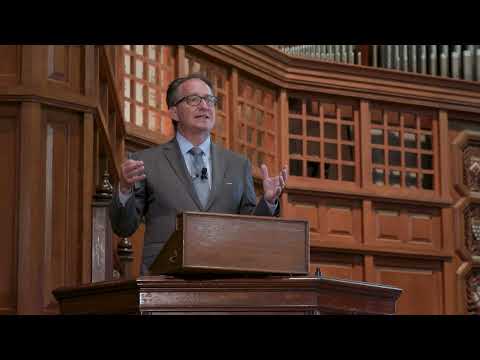
The Noble Lie - Purposes of College Education, Lecture 7
0
林宜悉 posted on 2026/10/13Ever wonder why schools focus so much on building character? This lecture explores Plato's 'Noble Lie' and the fascinating connection between ancient educational philosophies and the modern progressive systems we see in classrooms today. You will pick up key academic vocabulary like 'autonomy' and 'virtuous' while comparing how different societies aim to shape a student's values.
Learn this video on the APP!
The VoiceTube App has more in-depth practice for videos!