
airborne
US /ˈerbɔ:rn/
UK /ˈeəbɔ:n/
- Adjective
- Being in the air
- Transmitted through the air.
- Noun
- A military unit trained to be transported by air and parachute into combat.
- An operation involving the dropping of troops by parachute from aircraft.
C1Moreantibiotic
US /ˌæntibaɪˈɑ:tɪk/
UK /ˌæntibaɪˈɒtɪk/
- Adjective
- (Drug) used to fight certain kinds of diseases
- Noun
- Medicine that kills bacteria to fight infections
B1Moreasap
US
UK
- Adverb
- Shortened form of 'As soon as possible'
C2Morebacteria
US /bækˈtɪriə/
UK /bæk'tɪərɪə/
- Noun (plural)
- The very small creatures that can cause disease
B2Morebacterium
US /bækˈtɪriəm/
UK /bæk'tɪərɪəm/
- Countable Noun
- The very small creatures that can cause disease
B2Morebiological
US /ˌbaɪəˈlɑdʒɪkəl/
UK /ˌbaɪəˈlɒdʒɪkl/
- Adjective
- Being related to life and living things
- A substance, such as a detergent, that contains enzymes.
B1Morebite
US /baɪt/
UK /baɪt/
- Noun (Countable/Uncountable)
- Amount of food taken into your mouth at one time
- Wound left from being bitten
- Intransitive Verb
- (E.g. of fish) to take bait and be caught
A2Moreblock
US /blɑk/
UK /blɒk/
- Noun (Countable/Uncountable)
- Solid piece of material used for building
- A piece of wood, chocolate etc.
- Transitive Verb
- To stop from going forward or making progress
- To obstruct or prevent the movement or passage of.
A2Morebreak it down
US
UK
- Phrasal Verb
- To simplify something complex into smaller, more manageable parts.
- To explain something in a detailed and understandable way.
A2Morecause
US /kɔz/
UK /kɔ:z/
- Noun
- Belief, goal or organization that people support
- Reason for
- Transitive Verb
- To make something happen; create effect or result
A2Moreconcern
US /kənˈsɚn/
UK /kənˈsɜ:n/
- Verb (Transitive/Intransitive)
- To be about a particular topic
- To have a direct impact on someone
- Noun (Countable/Uncountable)
- Company, firm or business
- Feeling of worry or anxiety
A2TOEICMorecontagious
US /kənˈtedʒəs/
UK /kənˈteɪdʒəs/
- Adjective
- Able to be passed on by touch
- (of a disease) able to be transmitted by infection.
C2Morecontaminate
US /kənˈtæməˌnet/
UK /kənˈtæmɪneɪt/
- Transitive Verb
- To make impure by adding a harmful element
B2Moredespite the fact
US
UK
- Preposition
- In spite of; notwithstanding.
- Conjunction
- Even though; although.
A2Moredisease
US /dɪˈziz/
UK /dɪˈzi:z/
- Noun (Countable/Uncountable)
- Illness that affects a person, animal, or plant
- A disorder of structure or function in a plant, especially one caused by a pathogen.
- Transitive Verb
- To affect with disease; to corrupt or sicken.
A2TOEICMoreexpose
US /ɪkˈspoʊz/
UK /ɪk'spəʊz/
- Transitive Verb
- To make visible, without covering or protection
- To allow light through a cameras lens onto film
A2TOEICMoreface to face
US /fes tu fes/
UK /feis tu: feis/
- Adverb
- (Meeting) while looking at someone
A1Morefatal
US /ˈfetl/
UK /ˈfeɪtl/
- Adjective
- Causing death; having very bad consequences
- Causing negative results
B1Morefavorable
US /ˈfevərəbəl, ˈfevrə-/
UK /'feɪvərəbl/
- Adjective
- When a good result or positive outcome is likely
B2TOEICMoreflea
US /fli/
UK /fli:/
- Countable Noun
- Small blood-sucking insect that makes you itch
B2Moreflu
US /flu/
UK /flu:/
- Noun (Countable/Uncountable)
- Illness causing headache, fever etc.
- A specific instance or bout of influenza.
B2Moregoing on
US /ˈɡoɪŋ ɑn/
UK /ˈgəʊɪŋ ɔn/
- Phrasal Verb
- To continue doing something
- To happen (usually negative)
A1Morehousehold
US /ˈhaʊsˌhold/
UK /'haʊshəʊld/
- Adjective
- Being in everyday use; common
- Relating to a house or home.
- Noun (Countable/Uncountable)
- Concerning a home
- Family or other group living together in a house
B1Morehunger
US /ˈhʌŋɡɚ/
UK /ˈhʌŋgə(r)/
- Noun (Countable/Uncountable)
- Strong desire or need
- Need for food; a severe lack of food
- Intransitive Verb
- To feel hunger; to suffer from a lack of food.
B2Moreimmune
US /ɪˈmjoon/
UK /ɪˈmju:n/
- Adjective
- Having a special protection from, e.g. the law
- Protected against a particular disease or condition because of antibodies or vaccination.
B1Morein check
US /ɪn tʃɛk/
UK /in tʃek/
- Phrase
- Under control; restrained.
- Verified or confirmed to be correct or accurate.
in fact
US /ɪn fækt/
UK /in fækt/
- Adverb
- Used to emphasize the truth of a statement, especially one that contrasts with or contradicts something else.
- Used to introduce a more detailed or surprising piece of information.
- Phrase
- Used to emphasize the truth of a statement, especially one that is surprising or contrary to what might be expected.
C1Moreinflammation
US /ˌɪnfləˈmeʃən/
UK /ˌɪnfləˈmeɪʃn/
- Noun (Countable/Uncountable)
- Painful swelling in the body due to illness
- A condition in which a part of the body becomes reddened, swollen, hot, and often painful, especially as a reaction to injury or infection.
B2Moreinhalation
US /ˌɪnhəˈleʃən/
UK /ˌɪnhə'leɪʃn/
- Uncountable Noun
- Act of breathing
B2Moreinside of
US /ɪnˈsaɪd ʌv/
UK /inˈsaid ɔv/
- Preposition
- Within; in the inner part of.
- Within a certain period of time.
A1Moreintensely
US /ɪnˈtɛnslɪ/
UK /ɪn'tenslɪ/
- Adverb
- In a manner that is very strong or extreme
A2Moreliquid
US /ˈlɪkwɪd/
UK /ˈlɪkwɪd/
- Adjective
- (Of wealth) being able to be spent as cash
- In a state of being uncertain
- Noun (Countable/Uncountable)
- Something that is similar to the state of water
- A drink; beverage.
A2Morelymph
US /lɪmf/
UK /lɪmf/
- Uncountable Noun
- Clear fluid containing white blood cells
C1Moremajor
US /ˈmedʒɚ/
UK /'meɪdʒə(r)/
- Countable Noun
- High-ranking officer in the army
- Main subject you study at university
- Adjective
- Main league; esp. referring to American baseball
- Important, serious, or large in scope, size
A2TOEICMoremedication
US /ˌmɛdɪˈkeʃən/
UK /ˌmedɪˈkeɪʃn/
- Noun (Countable/Uncountable)
- Substance to relieve pain or cure sickness
B2Moreminimize
US /ˈmɪnəˌmaɪz/
UK /'mɪnɪmaɪz/
- Transitive Verb
- To make something seem small or less important
B1Moremultiply
US /ˈmʌltəˌplaɪ/
UK /ˈmʌltɪplaɪ/
- Verb (Transitive/Intransitive)
- To increase in number by reproducing/having babies
- To increase something by a large quantity
B1Moreout of control
US /aʊt ʌv kənˈtrol/
UK /aut ɔv kənˈtrəul/
- Adjective
- Impossible to manage or control.
- Not able to be directed or steered.
A1Moreoutbreak
US /ˈaʊtˌbrek/
UK /ˈaʊtbreɪk/
- Noun (Countable/Uncountable)
- Sudden occurrence of illness, discontent etc.
- A sudden occurrence of something unwelcome, such as war or disease.
B2Moreoxygen
US /ˈɑksɪdʒən/
UK /'ɒksɪdʒən/
- Uncountable Noun
- A gas in the air that we need to breathe
- Oxygen administered as a medical treatment.
B1Morepass from
US
UK
- Phrasal Verb
- To be transferred or transmitted from one person or thing to another.
- To be inherited or bequeathed from one person to another.
A1Moreplague
US /pleɡ/
UK /pleɪɡ/
- Transitive Verb
- To cause to have continual problems with something
- Noun (Countable/Uncountable)
- (Deadly) disease passing rapidly between people
- An unusually large number of insects or animals infesting a place and causing damage.
B1Moreplug
US /plʌɡ/
UK /plʌg/
- Noun
- Wood, rubber or metal used to block a hole
- Thing on a wire to connect to electricity supply
- Transitive Verb
- To use an object to block a hole
- To promote or advertise a product
B1TOEICMorepop up
US /pɑp ʌp/
UK /pɔp ʌp/
- Intransitive Verb
- To appear suddenly.
- Phrasal Verb
- To appear suddenly and unexpectedly.
- To appear on a computer screen.
A1Morepopped
US /pɒpt/
UK /pɒpt/
- Verb (Transitive/Intransitive)
- To cause something to open or burst suddenly
- To go to or in a place for a brief period of time
B2Morepose
US /poʊz/
UK /pəʊz/
- Verb (Transitive/Intransitive)
- To be or exist as (a problem, threat etc.)
- To suggest an idea, question or solution
- Noun
- False behavior to gain respect or liking
B1TOEICMorequarantine
US /ˈkwɔrənˌtin, ˈkwɑr-/
UK /'kwɒrənti:n/
- Transitive Verb
- To isolate ill people to prevent disease spreading
- Noun (Countable/Uncountable)
- The place to isolate sick plants, animals
C1Morerather than
US
UK
- Adverb
- More exactly; more correctly
- Preferably; instead
- Preposition
- Instead of
A1Morerecorded history
US
UK
- Uncountable Noun
- The period of time for which written records exist.
A2Morerodent
US /ˈroʊdnt/
UK /ˈrəʊdnt/
- Noun
- Animal that gnaws/bites, e.g. rat, mouse, rabbit
B2Moresanitary
US /ˈsænɪˌtɛri/
UK /ˈsænətri/
- Adjective
- Designed to keep things clean to prevent disease
C1TOEICMorescarce
US /skers/
UK /skeəs/
- Adjective
- Not many; Not plentiful or abundant
B2TOEICMoresiege
US /sidʒ/
UK /si:dʒ/
- Noun
- Surrounding an enemy to prevent them getting food
C2TOEICMorespread
US /sprɛd/
UK /spred/
- Noun (Countable/Uncountable)
- A big meal, often laid out as a buffet
- The distance between two things
- Verb (Transitive/Intransitive)
- To place over a large area; to cover a large area
- (Of ideas, gossip) to pass to and affect others
A2TOEICMorestockpile
US /ˈstɑ:kpaɪl/
UK /ˈstɒkpaɪl/
- Noun (Countable/Uncountable)
- Large supply of something kept for future use
- Transitive Verb
- To keep a large supply of something for future use
C1Morestomach
US /ˈstʌmək/
UK /'stʌmək/
- Noun
- Place in the body where food is processed
- Verb (Transitive/Intransitive)
- to be able to accept something unpleasant
A2Moresuch as
US /sʌtʃ æz/
UK /sʌtʃ æz/
- Preposition
- For example; like
A1Moresuppress
US /səˈprɛs/
UK /səˈpres/
- Transitive Verb
- To prevent the display of emotion or feeling
- To use force to prevent something happening
B1TOEICMoreswell
US /swɛl/
UK /swel/
- Intransitive Verb
- To feel overcome due to a strong emotion
- To increase in size or number larger than normal
- Uncountable Noun
- Being overcome from feeling a strong emotion
- Act of growing in size or increasing in number
B1Morethanks to
US /θæŋks tu/
UK /θæŋks tu:/
- Preposition
- Because of; as a result of.
A1Moretissue
US /ˈtɪʃu/
UK /ˈtɪʃu:/
- Noun (Countable/Uncountable)
- Substance formed by cells of living thing; flesh
- Kind of thin, light paper used to pack objects
A2Moretoss
US /tɔ:s/
UK /tɒs/
- Transitive Verb
- To throw something into the air, e.g. casually
- To mix ingredients lightly.
- Intransitive Verb
- To move about restlessly; to writhe or fidget.
- To be thrown about violently.
B1Moreunion
US /ˈjunjən/
UK /'ju:nɪən/
- Noun (Countable/Uncountable)
- Act of joining two or more things into one
- Marriage
- Proper Noun
- The United States of America, especially during the Civil War.
A2TOEICMoreverify
US /ˈvɛrəˌfaɪ/
UK /'verɪfaɪ/
- Transitive Verb
- To prove that something is right, accurate or true
B2TOEICMoreversion
US /ˈvɚʒən, -ʃən/
UK /ˈvə:ʃən/
- Noun
- Different way that someone interprets something
- New or different form of something
A2TOEICMorewitness
US /ˈwɪtnɪs/
UK /'wɪtnəs/
- Transitive Verb
- To see the signing of an official document
- To see an event take place (usually a crime)
- Noun (Countable/Uncountable)
- Person who was present to see an event take place
- Evidence or proof of something
B1TOEICMorewound
US /waʊnd/
UK /waʊnd/
- Transitive Verb
- To rotate a part of say a watch to make it work
- To hurt someone emotionally
- Noun (Countable/Uncountable)
- Sadness or displeasure caused by a bad memory
- Physical injury, especially that suffered in war
A2More
Vocabulary
- going on: To continue doing something
- break it down: To simplify something complex into smaller, more manageable parts.
- recorded history: The period of time for which written records exist.
- inside of: Within; in the inner part of.
- despite the fact: In spite of; notwithstanding.
- rather than: More exactly; more correctly
- pass from: To be transferred or transmitted from one person or thing to another.
- face to face: (Meeting) while looking at someone
- such as: For example; like
- out of control: Impossible to manage or control.
- in fact: Used to emphasize the truth of a statement, especially one that contrasts with or contradicts something else.
- pop up: To appear suddenly.
- in check: Under control; restrained.
- thanks to: Because of; as a result of.
- immune: Having a special protection from, e.g. the law
- contagious: Able to be passed on by touch
- bacteria: The very small creatures that can cause disease
- disease: Illness that affects a person, animal, or plant
- inflammation: Painful swelling in the body due to illness
- version: Different way that someone interprets something
- spread: A big meal, often laid out as a buffet
- contract: To become ill as a result of getting a disease
- quarantine: To isolate ill people to prevent disease spreading
- concern: To be about a particular topic
- toss: To throw something into the air, e.g. casually
- suppress: To prevent the display of emotion or feeling
- cause: Belief, goal or organization that people support
- fatal: Causing death; having very bad consequences
- plague: To cause to have continual problems with something
- witness: To see the signing of an official document
- household: Being in everyday use; common
- risk: To do something potentially dangerous or foolish
- oxygen: A gas in the air that we need to breathe
- tissue: Substance formed by cells of living thing; flesh
- major: High-ranking officer in the army
- outbreak: Sudden occurrence of illness, discontent etc.
- suggest: To mention something that could be done; propose
- expose: To make visible, without covering or protection
- plug: Wood, rubber or metal used to block a hole
- coronavirus: Any of a group of RNA viruses that cause a variety of diseases in humans and other animals.
- swell: To feel overcome due to a strong emotion
- wound: To rotate a part of say a watch to make it work
- intensely: In a manner that is very strong or extreme
- scarce: Not many; Not plentiful or abundant
- stomach: Place in the body where food is processed
- biological: Being related to life and living things
- century: Period of 100 years
- liquid: (Of wealth) being able to be spent as cash
- block: Solid piece of material used for building
- multiply: To increase in number by reproducing/having babies
- verify: To prove that something is right, accurate or true
- rodent: Animal that gnaws/bites, e.g. rat, mouse, rabbit
- contaminate: To make impure by adding a harmful element
- medication: Substance to relieve pain or cure sickness
- union: Act of joining two or more things into one
- bite: Amount of food taken into your mouth at one time
- siege: Surrounding an enemy to prevent them getting food
- antibiotic: (Drug) used to fight certain kinds of diseases
- fast: In a way that is difficult to move or change
- pose: To be or exist as (a problem, threat etc.)
- minimize: To make something seem small or less important
- stockpile: Large supply of something kept for future use
- airborne: Being in the air
- understand: To know the meaning of language, what someone says
- case: Container used to carry things, e.g. clothes
- bacterium: The very small creatures that can cause disease
- inhalation: Act of breathing
- human: A person; a man, woman or child
- flea: Small blood-sucking insect that makes you itch
- sanitary: Designed to keep things clean to prevent disease
- people: Persons sharing culture, country, background, etc.
- popped: To cause something to open or burst suddenly
- soviet: Elected government council in a communist country
- flu: Illness causing headache, fever etc.
- favorable: When a good result or positive outcome is likely
- face: To cover a surface with something like paint
- large: Big; of great size; broad, tall, wide, or fat
- early: Coming/happening before others in a time sequence
- sick: Having a physical or mental illness
- hunger: Strong desire or need
- lymph: Clear fluid containing white blood cells
- asap: Shortened form of 'As soon as possible'
Get the full experience in the app
Learn anywhere with detailed sentence and usage analysis
01:03
She took a brave step forward, leaving behind her comfort zone to chase her dreams.
Vocabulary
- brave
adj. Having courage
- comfort zone
phr. A familiar situation where one feels safe
Explanation
a brave step is a noun phrase, where brave is an adjective modifying the noun step, meaning "a courageous step".
forward is an adverb modifying step, meaning "ahead".
The whole phrase serves as the object, answering the "what" of took (verb) — she took a brave step forward.
Get the full experience in the app
Look up words anytime with pronunciation, part of speech, and usage
brave
US/brev/
UK/breɪv/
adj.Brave
v.t.To bravely face
A2 Elementary
Get the full experience in the app
Practice speaking anytime and get instant pronunciation feedback
Try this speaking exercise.
Try practicing with this sentence.
80
0
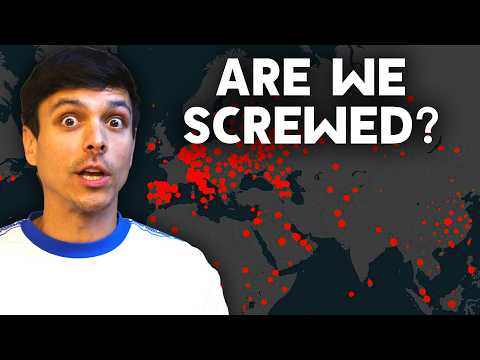
林宜悉 posted on 2026/10/10Ever wondered if the Black Death is actually making a comeback? This video breaks down the science behind the plague, explaining how it spreads and why modern medicine makes a global pandemic unlikely, while helping you pick up some fascinating medical and scientific vocabulary along the way.
Learn this video on the APP!
The VoiceTube App has more in-depth practice for videos!