liquid
US /ˈlɪkwɪd/
・UK /ˈlɪkwɪd/
A2
adj.Adjective(Of wealth) being able to be spent as cash
My liquid assets are in a savings account
adj.AdjectiveIn a state of being uncertain
The contract isn’t decided, the situation is liquid at the moment
n. (c./u.)Noun (Countable/Uncountable)Something that is similar to the state of water
The iron was so hot that it became liquid
adj.AdjectiveMoving in a flowing manner, like water or oil
The liquid chocolate will become solid when it cools
n. (c./u.)Noun (Countable/Uncountable)A drink; beverage.
The doctor told him to drink plenty of liquids.
adj.AdjectiveSmooth and flowing in sound or movement.
The singer had a liquid voice.
Video subtitles
Why Smoking makes People look Old? | #aumsum
- During sublimation, a solid on heating, converts directly into vapor without passing through the intermediate liquid state.
During sublimation, a solid on heating, converts directly into vapor without passing through the intermediate liquid state.
- During sublimation, a solid on heating converts directly into vapor without passing through the intermediate liquid state.
During sublimation, a solid on heating converts directly into vapor without passing through the intermediate liquid state.
Should You Wipe Off Your Sweat?
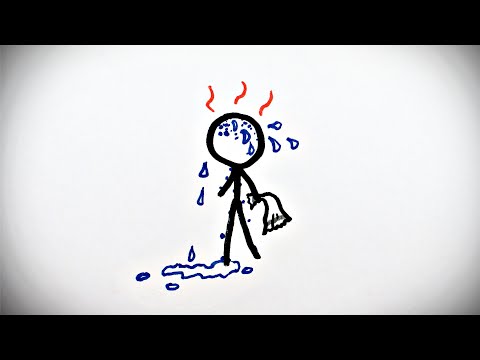
- This direct transfer of heat is the basic idea behind the radiators in car engines, liquid cooling of fancy gaming computers, and water cooling of power plants.
This direct transfer of heat is the basic idea behind the radiators in car engines, liquid cooling of fancy gaming computers, and water cooling of power plants.
- heat is the basic idea behind the radiators in car engines, liquid cooling of fancy gaming computers,
heat is the basic idea behind the radiators in car engines, liquid cooling of fancy gaming computers,
Amazing Earth Facts To Blow Your Mind
- Two of those elements make up the liquid vital for life: water.
Two of those elements make up the liquid vital for life: water.
- Two of those elements make up the liquid vital for life: water.
Two of those elements make up the liquid vital for life: water.
This Much Will Kill You

- Too much liquid in general can be dangerous as well.
Too much liquid in general can be dangerous as well.
- Too much liquid in general can be dangerous as well.
Too much liquid in general can be dangerous as well.
Smoking vs Vaping
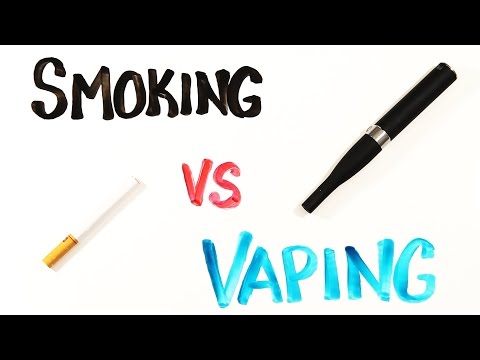
- For e-cigarettes, using a liquid solution instead of dried tobacco has become popular; this e-liquid contains water, nicotine, a base and occasionally flavorings, and vaporizes at a much lower temperature.
For e-cigarettes, using a liquid solution instead of dried tobacco has become popular; this e-liquid contains water, nicotine, a base and occasionally flavorings, and vaporizes at a much lower temperature.
- The “e-liquid” contains a base similar to that used in cosmetics and food which helps maintain moisture without creating sogginess.
The “e-liquid” contains a base similar to that used in cosmetics and food which helps maintain moisture without creating sogginess.
2,000 new species on extinction list: COP28: BBC News Review

- and it doesn't have to just be a liquid, like in this headline.
and it doesn't have to just be a liquid, like in this headline.
Your Microwave's Most Underrated Button | Techniquely with Lan Lam

- When you're microwaving a liquid, you don't need to reduce the power because heat transfers through liquids much more efficiently than it does through solids.
When you're microwaving a liquid, you don't need to reduce the power because heat transfers through liquids much more efficiently than it does through solids.
No-Torch Crème Brûlée

- vanilla extract, and enough heavy cream to give you one half cup total of liquid. That's
vanilla extract, and enough heavy cream to give you one half cup total of liquid. That's
- liquid, and now compare how they look when the custard is done. I know they seem underdone,
liquid, and now compare how they look when the custard is done. I know they seem underdone,
The Vocabulary Show: Kitchens & cooking - Learn 28 English words and phrases in 11 minutes! ??

- This is the liquid or spice that you put over food before cooking it.
This is the liquid or spice that you put over food before cooking it.
- But, in the kitchen, we use it when we are pouring a liquid slowly and evenly on or in something.
But, in the kitchen, we use it when we are pouring a liquid slowly and evenly on or in something.
Taiwan's Best Roast Chicken is Cooked The Ancient Way | Street Eats | Bon Appétit

- That's the yellow on the top and a little bit of liquid on the bottom.
That's the yellow on the top and a little bit of liquid on the bottom.
- That's the yellow on the top and a little bit of liquid on the bottom.
That's the yellow on the top and a little bit of liquid on the bottom.