
adopt
US /əˈdɑ:pt/
UK /əˈdɒpt/
- Transitive Verb
- To legally take a child into your family
- To take on responsibility for something
A2TOEICMoreafar
US /əˈfɑr/
UK /ə'fɑ:(r)/
- Adverb
- From far away
C1Moreaffair
US /əˈfɛr/
UK /ə'feə(r)/
- Noun
- Secret sexual relationship between two people
- Event or a set of events, often unpleasant ones
A2Moreafter all
US /ˈæftɚ ɔl/
UK /ˈɑ:ftə ɔ:l/
- Adverb
- In spite of what was expected; used to introduce a statement that supports a previous statement or explains why it was made
- Considering everything; used to indicate that something is happening or is true despite some difficulty or obstacle
- Phrase
- Despite what was expected or thought; in spite of everything.
- Taking everything into consideration; considering that.
B1Moreappeal
US /əˈpil/
UK /ə'pi:l/
- Uncountable Noun
- Ability to attract interest, attention, or desire
- Verb (Transitive/Intransitive)
- To attract interest, attention, or desire
- To request a judge or others to change a decision
A2TOEICMoreas one
US
UK
- Adverb
- Acting or moving together at the same time.
- In complete agreement or unity.
- Phrase
- With a single voice or opinion; unanimously.
- In perfect harmony or unison.
A1Moreas well as
US /æz wɛl æz/
UK /æz wel æz/
- Adverb
- Also; in addition to
- Preposition
- In addition to; and also.
A1Moreasylum
US /əˈsaɪləm/
UK /ə'saɪləm/
- Uncountable Noun
- Allowing persecuted people to stay in your country
- Countable Noun
- A hospital for mentally ill people
B2Moreat least
US /æt list/
UK /æt li:st/
- Adverb
- As a minimum
- Not less than
- Phrase
- No less than; at the minimum
- Used to indicate that something is positive in a bad situation.
C2Moreat the sight of
US /ət ðə ˈsaɪt ʌv/
UK /ət ðə ˈsaɪt əv/
- other
- When seeing something, especially suddenly or unexpectedly.
A2Morebachelor
US /ˈbætʃəlɚ, ˈbætʃlɚ/
UK /'bætʃələ(r)/
- Noun
- Person who earned a first degree at a university
- Man who has never married
B2Morebenevolent
US /bəˈnɛvələnt/
UK /bəˈnevələnt/
- Adjective
- Aiming to do good or benefit someone
B2Morebriefly
US /ˈbriːfli/
UK /ˈbri:fli/
- Adverb
- Using little time or resources
B1Morebustle
US /ˈbʌsəl/
UK /ˈbʌsl/
- Intransitive Verb
- To move energetically or busily
B2Moreby sight
US /baɪ saɪt/
UK /baɪ saɪt/
- other
- Based on visual recognition rather than personal acquaintance.
B2Morecome over to
US
UK
- Phrasal Verb
- To visit someone's house
A1Moreconviction
US /kənˈvɪkʃən/
UK /kən'vɪkʃn/
- Noun
- Act of finding someone guilty of a crime
- Strong belief in something, e.g. not needing proof
B1TOEICMorecove
US /kov/
UK /kəʊv/
- Noun
- Small, sheltered inlet or bay
C1Moredecide on
US
UK
- Phrasal Verb
- To choose something, especially after thinking carefully about several possibilities
A2Moredischarge
US /dɪsˈtʃɑ:rdʒ/
UK /dɪsˈtʃɑ:dʒ/
- Transitive Verb
- To complete a task that has been assigned
- To produce or release a substance
- Noun (Countable/Uncountable)
- A substance that has been released
- The retirement of someone from service e.g. army
B1Moredispose
US /dɪˈspoz/
UK /dɪ'spəʊz/
- Transitive Verb
- To get rid of by throwing away
B1TOEICMoreescape
US /ɪˈskep/
UK /ɪ'skeɪp/
- Noun (Countable/Uncountable)
- Act to briefly ignoring boring or bad things
- The 'esc key' on a keyboard
- Verb (Transitive/Intransitive)
- To avoid something undesirable, dangerous or bad
- To get away from a place where you are being kept
A2Morefaint
US /fent/
UK /feɪnt/
- Intransitive Verb
- To suddenly become unconscious and fall down
- Adjective
- Lacking strength; weak; lacking clarity
- Very small, as in a chance or hope
A2Morefancy
US /ˈfænsi/
UK /'fænsɪ/
- Verb (Transitive/Intransitive)
- To want to have or do something; feel like
- To imagine or suppose that something will happen
- Adjective
- Unusual and attractive in design
A2TOEICMorefault
US /fɔlt/
UK /fɔ:lt/
- Noun (Countable/Uncountable)
- A failure or negative aspect of
- Crack in the earth where earthquakes can happen
- Transitive Verb
- To blame someone, something for a negative result
A2Morefeminine
US /ˈfɛmənɪn/
UK /ˈfemənɪn/
- Adjective
- Concerning or relating to females
- Having qualities or appearance traditionally associated with women.
- Noun
- A woman or girl.
- Qualities or characteristics considered typical of women.
B2Moreglorious
US /ˈɡlɔriəs,ˈɡlor-/
UK /ˈglɔ:riəs/
- Adjective
- (Of a hero, achievements) deserving praise and awe
- Magnificent; wonderfully impressive.
B1Morego back to
US /ɡo bæk tu/
UK /ɡəu bæk tu:/
- Phrasal Verb
- To return to a starting point
A1Morego out
US /ɡo aʊt/
UK /ɡəu aut/
- Phrase
- To leave a building (e.g. a house)
- Phrasal Verb
- (Of a fire) to burn out; be extinguished
- Go out of fashion to stop being fashionable
A1Morehave to
US /hæv tu/
UK /ˈhæv tə/
- Auxiliary Verb
- Must do
A1Morehold your tongue
US /hoʊld jʊr tʌŋ/
UK /hould jɔ: tʌŋ/
- other
- To stop yourself from saying something you might regret.
B1Moreimpression
US /ɪmˈprɛʃən/
UK /ɪmˈpreʃn/
- Noun (Countable/Uncountable)
- Effect or feeling resulting from an experience
- Act of pressing into a material to make a pattern
B1TOEICMorein fact
US /ɪn fækt/
UK /in fækt/
- Adverb
- Used to emphasize the truth of a statement, especially one that contrasts with or contradicts something else.
- Used to introduce a more detailed or surprising piece of information.
- Phrase
- Used to emphasize the truth of a statement, especially one that is surprising or contrary to what might be expected.
C1Moreinterfere
US /ˌɪntɚˈfɪr/
UK /ˌɪntə'fɪə(r)/
- Intransitive Verb
- To get involved in something not your business
- Transitive Verb
- To prevent a process or activity from continuing or being carried out properly.
B1TOEICMoremake up
US /mek ʌp/
UK /meik ʌp/
- Phrasal Verb
- To invent or create a story
- To add up to
- Verb (Transitive/Intransitive)
- To invent a story, excuse, etc.
- To compensate for something lost, missed, or deficient.
A1Moremingle
US /ˈmɪŋɡəl/
UK /ˈmɪŋgl/
- Intransitive Verb
- To mix or come into contact, as people at a party
B2Moremisery
US /ˈmɪzəri/
UK /'mɪzərɪ/
- Uncountable Noun
- Thing that causes unhappiness
- Extreme suffering or unhappiness
B1Moremortal
US /ˈmɔrtl/
UK /ˈmɔ:təl/
- Adjective
- Destined to die; causing death
- Noun
- People who will die
B1Moremuch about
US /mʌtʃ əˈbaʊt/
UK /mʌtʃ əˈbaut/
- Phrase
- A lot of information or knowledge concerning something.
- To a great extent or degree regarding something; caring.
A1Moremute
US /mjut/
UK /mju:t/
- Adjective
- Not willing or being unable to speak
- Noun
- Device used to make trombone, etc. sound quieter
B2Moreof yours
US /ʌv jʊɚz/
UK /əv jɔ:z/
- other
- Belonging to you; your possession or property.
A1Moreore
US /ɔr, or/
UK /ɔ:(r)/
- Noun (Countable/Uncountable)
- Rock containing valuable metal
- A source or supply of something.
B2Moreorphan
US /ˈɔ:rfn/
UK /ˈɔ:fn/
- Countable Noun
- Child whose parents have died
- Transitive Verb
- To cause a child to become an orphan.
B2Moreounce
US /aʊns/
UK /aʊns/
- Noun (Countable/Uncountable)
- Unit of weight equal to 1/16 pound or 28 grams
- (Often in negative) very small amount of something
B2Moreover to
US
UK
- Preposition
- Used to hand over to someone else to speak
- The responsibility is now yours
particle
US /ˈpɑrtɪkəl/
UK /ˈpɑ:tɪkl/
- Noun
- Adverb or preposition that joins with a verb
- Tiny piece or quantity of something
B1Morequeer
US /kwɪr/
UK /kwɪə(r)/
- Noun
- Offensive term for a gay person
- Adjective
- (Offensive) being gay; homosexual
- Odd or unusual; strange
B2Morereckon
US /ˈrɛkən/
UK /ˈrekən/
- Verb (Transitive/Intransitive)
- To believe or expect that something is true
A2Morescold
US /skold/
UK /skəʊld/
- Verb (Transitive/Intransitive)
- To speak angrily and give negative criticism
- Transitive Verb
- To tell off someone who did something wrong
B1Moresharp
US /ʃɑrp/
UK /ʃɑ:p/
- Proper Noun
- Person's name
- Adjective
- Being very clear and easy to see
- (Of clothes) nicely or stylishly
A2TOEICMoreshatter
US /ˈʃætɚ/
UK /'ʃætə(r)/
- Verb (Transitive/Intransitive)
- To break into small pieces
B1Moresight
US /saɪt/
UK /saɪt/
- Transitive Verb
- To aim (a gun) at something to get your range
- To see something rare or unusual
- Noun (Countable/Uncountable)
- Things or people that one can see
- Range or distance that someone can see
A2TOEICMoresit down
US /sit daʊn/
UK /sit daun/
- Phrasal Verb
- To take a seat
A1Moresmother
US /ˈsmʌðɚ/
UK /'smʌðə(r)/
- Transitive Verb
- To cover something or someone completely
- To conceal bad news to stop others knowing
B2Morespoil
US /spɔɪl/
UK /spɔɪl/
- Transitive Verb
- To damage something, usually by treating it poorly
- To overindulge and harm the character of a child
- Intransitive Verb
- (Of food) to go bad
A2Morestare
US /stɛr/
UK /steə(r)/
- Verb (Transitive/Intransitive)
- To look at someone or something for a long time
- Noun
- A long look at something or someone for a reason
A2Morestrain
US /stren/
UK /streɪn/
- Transitive Verb
- To remove the water from (food) using a colander
- To injure a muscle, leg etc. by using it too much
- Noun (Countable/Uncountable)
- Injury to a muscle, leg etc. through overuse
- Type or variation of a disease or bacillus
B2Morestring
US /strɪŋ/
UK /strɪŋ/
- Transitive Verb
- To tie or connect things together with a thread
- Noun (Countable/Uncountable)
- A line of connected objects
- Thick thread; thin rope
A2Moresuppose
US /səˈpoʊz/
UK /sə'pəʊz/
- Verb (Transitive/Intransitive)
- To imagine or guess what might happen
- Conjunction
- What if
A2TOEICMoreterrible
US /ˈtɛrəbəl/
UK /ˈterəbl/
- Adjective
- Very bad; horrible
- Causing great fear; frightening
A2TOEICMoreto do with
US
UK
- Phrasal Verb
- To be about something; concern
A1Moreto hand
US
UK
- Transitive Verb
- To give or pass something to someone using your hand.
- To offer assistance or help.
A1Moreto let
US /tu lɛt/
UK /tu let/
- Preposition
- Indicates that a property is available for rent.
A2Moreto the point
US /tu ði pɔɪnt/
UK /tu: ðə pɔint/
- Adjective
- Expressing something directly and without unnecessary detail.
- Phrase
- Relevant and pertinent to the matter at hand.
A2Moretoe
US /toʊ/
UK /təʊ/
- Noun
- One of the five parts at the end of your foot
- Front part of a sock or shoe
B1Moreunexpectedly
US /ˌʌnɪkˈspɛktɪdlɪ/
UK /ˌʌnɪk'spektɪdlɪ/
- Adverb
- In a surprising way because not expected
- In a way that was not expected; surprisingly.
B1Moreused to
US /juzd tu/
UK /ˈju:st tə/
- Adjective
- Did regularly before, but don't do now
- Auxiliary Verb
- Have done before, but do not do now
A1Morewiggle
US /ˈwɪɡəl/
UK /'wɪɡl/
- Intransitive Verb
- To move from side to side with short fast movement
C1Morewink
US /wɪŋk/
UK /wɪŋk/
- Intransitive Verb
- To quickly close one eye, as when making a signal
B1Moreword of mouth
US /wɚd ʌv maʊθ/
UK /wə:d ɔv mauθ/
- Uncountable Noun
- Information spread by people telling each other.
A1More
Vocabulary
- over to: Used to hand over to someone else to speak
- have to: Must do
- after all: In spite of what was expected; used to introduce a statement that supports a previous statement or explains why it was made
- as well as: Also; in addition to
- come over to: To visit someone's house
- word of mouth: Information spread by people telling each other.
- to do with: To be about something; concern
- by sight: Based on visual recognition rather than personal acquaintance.
- go out: To leave a building (e.g. a house)
- as one: Acting or moving together at the same time.
- at the sight of: When seeing something, especially suddenly or unexpectedly.
- to hand: To give or pass something to someone using your hand.
- in fact: Used to emphasize the truth of a statement, especially one that contrasts with or contradicts something else.
- decide on: To choose something, especially after thinking carefully about several possibilities
- make up: To invent or create a story
- of yours: Belonging to you; your possession or property.
- to let: Indicates that a property is available for rent.
- go back to: To return to a starting point
- sit down: To take a seat
- hold your tongue: To stop yourself from saying something you might regret.
- at least: As a minimum
- used to: Did regularly before, but don't do now
- to the point: Expressing something directly and without unnecessary detail.
- much about: A lot of information or knowledge concerning something.
- sort: To organize things by putting them into groups
- matter: To be of great importance; to count
- interfere: To get involved in something not your business
- strain: To remove the water from (food) using a colander
- fancy: To want to have or do something; feel like
- suppose: To imagine or guess what might happen
- stare: To look at someone or something for a long time
- impression: Effect or feeling resulting from an experience
- escape: Act to briefly ignoring boring or bad things
- appeal: Ability to attract interest, attention, or desire
- adopt: To legally take a child into your family
- spoil: To damage something, usually by treating it poorly
- asylum: Allowing persecuted people to stay in your country
- conviction: Act of finding someone guilty of a crime
- reckon: To believe or expect that something is true
- string: To tie or connect things together with a thread
- misery: Thing that causes unhappiness
- mind: To be bothered or upset by something
- fault: A failure or negative aspect of
- briefly: Using little time or resources
- affair: Secret sexual relationship between two people
- shatter: To break into small pieces
- sight: To aim (a gun) at something to get your range
- mingle: To mix or come into contact, as people at a party
- kind: In a caring and helpful manner
- sharp: Person's name
- bachelor: Person who earned a first degree at a university
- terrible: Very bad; horrible
- faint: To suddenly become unconscious and fall down
- ounce: Unit of weight equal to 1/16 pound or 28 grams
- particle: Adverb or preposition that joins with a verb
- bring: To take or go with someone to a place
- glorious: (Of a hero, achievements) deserving praise and awe
- mortal: Destined to die; causing death
- feminine: Concerning or relating to females
- mistake: Something done wrong/calculated wrong; error
- dispose: To get rid of by throwing away
- benevolent: Aiming to do good or benefit someone
- wiggle: To move from side to side with short fast movement
- real: Actually existing or happening, not imagined
- think: To have an idea about something without certainty
- feel: To be aware of or experience an emotion, sensation
- discharge: To complete a task that has been assigned
- orphan: Child whose parents have died
- want: To desire or wish for something; hope for a thing
- unexpectedly: In a surprising way because not expected
- bustle: To move energetically or busily
- stay: To keep trying without giving up
- keep: Large, strong tower in the middle of a castle
- queer: Offensive term for a gay person
- tell: To (strongly) advise a person to do something
- scold: To speak angrily and give negative criticism
- put: To move or place a thing in a particular position
- wink: To quickly close one eye, as when making a signal
- word: Unit of language that has a meaning
- toe: One of the five parts at the end of your foot
- afar: From far away
- smother: To cover something or someone completely
- mute: Not willing or being unable to speak
- cove: Small, sheltered inlet or bay
- ore: Rock containing valuable metal
Get the full experience in the app
Learn anywhere with detailed sentence and usage analysis
01:03
She took a brave step forward, leaving behind her comfort zone to chase her dreams.
Vocabulary
- brave
adj. Having courage
- comfort zone
phr. A familiar situation where one feels safe
Explanation
a brave step is a noun phrase, where brave is an adjective modifying the noun step, meaning "a courageous step".
forward is an adverb modifying step, meaning "ahead".
The whole phrase serves as the object, answering the "what" of took (verb) — she took a brave step forward.
Get the full experience in the app
Look up words anytime with pronunciation, part of speech, and usage
brave
US/brev/
UK/breɪv/
adj.Brave
v.t.To bravely face
A2 Elementary
Get the full experience in the app
Practice speaking anytime and get instant pronunciation feedback
Try this speaking exercise.
Try practicing with this sentence.
80
0
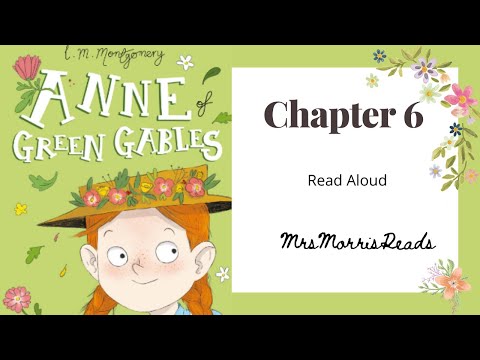
hayaokimido posted on 2026/09/30Oh no, a mix-up at the orphanage! In Chapter 6 of Anne of Green Gables, Marilla faces a "queer mistake" when the wrong child is sent to Green Gables. You'll hear fantastic vocabulary like "benevolent face" and "heedlessness" as Marilla navigates this unexpected situation and Anne hopes to stay!
Learn this video on the APP!
The VoiceTube App has more in-depth practice for videos!