
accurate
US /ˈækjərɪt/
UK /ˈækjərət/
- Adjective
- With no mistake or error; Correct
A2Morealgorithm
US /ˈælɡəˌrɪðəm/
UK /'ælɡərɪðəm/
- Noun
- A step-by-step problem-solving feature
B2Moreat least
US /æt list/
UK /æt li:st/
- Adverb
- As a minimum
- Not less than
- Phrase
- No less than; at the minimum
- Used to indicate that something is positive in a bad situation.
C2Moreaxis
US /ˈæksɪs/
UK /ˈæksɪs/
- Noun
- A line about which a rotating body turns
B1Morebasically
US /ˈbesɪkəli,-kli/
UK /ˈbeɪsɪkli/
- Adverb
- Used before you explain something simply, clearly
- In essence; when you consider the most important aspects of something.
A2Morebattery
US /ˈbætəri/
UK /ˈbætri/
- Countable Noun
- Portable device that stores electricity
- Noun
- Large group of similar things functioning together
B1Morechannel
US /ˈtʃænəl/
UK /'tʃænl/
- Noun (Countable/Uncountable)
- Long hole dug in the ground, e.g. to move water
- TV or radio station or its programs
- Transitive Verb
- To dig a long hole for carrying water
- To send (e.g. money) to a certain place or person
B1Morecheck out
US /tʃɛk aʊt/
UK /tʃek aut/
- Phrase
- Phrasal Verb
- To find out information about something
- To take books out of a library
A1Morechest
US /tʃɛst/
UK /tʃest/
- Noun (Countable/Uncountable)
- Strong, lidded container for storing things
- Front of the body between neck and stomach
A2Morecorrelation
US /ˌkɔrəˈleʃən, ˌkɑr-/
UK /ˌkɒrəˈleɪʃn/
- Noun (Countable/Uncountable)
- The relationship between two variables
- A statistical measure that expresses the extent to which two variables are linearly related (meaning they change together at a constant rate).
B1Morecounter
US /ˈkaʊntɚ/
UK /'kaʊntə(r)/
- Transitive Verb
- To say or do something in opposition or resistance
- To try to prevent, as by making a different point
- Prefix
- Being opposite or against something
B1Morecurious
US /ˈkjʊriəs/
UK /ˈkjʊəriəs/
- Adjective
- Wanting to know more about something
- Attracting interest by being strange or unusual
A2Moredatum
US /ˈdetəm, ˈdætəm, ˈdɑtəm/
UK /ˈdeɪtəm/
- Noun
- Item of factual information
B1Moredeviation
US /ˌdiviˈeʃən/
UK /ˌdi:viˈeɪʃn/
- Noun (Countable/Uncountable)
- Difference from what is normal or standard
- Statistics difference between values
B1Moredevice
US /dɪˈvaɪs/
UK /dɪˈvaɪs/
- Noun (Countable/Uncountable)
- Object, machine, or equipment for a specific use
- Method of doing something; a way
A2TOEICMoredive
US /daɪv/
UK /daɪv/
- Noun (Countable/Uncountable)
- Restaurant, bar or club with a bad reputation
- Rapid fall through air
- Intransitive Verb
- To swim deep under water with an air supply
- To rapid fall through air
B1Moreexercise
US /ˈɛksɚˌsaɪz/
UK /'eksəsaɪz/
- Verb (Transitive/Intransitive)
- To work out to become stronger and healthier
- To retain your ability or practice your skills
- Noun (Countable/Uncountable)
- Physical activity to increase health and strength
- Set of questions in a text book
A2Morefalse positive
US
UK
- Noun
- A test result which incorrectly indicates that a particular condition or attribute is present.
- A test result that incorrectly indicates a disease or condition is present when it is not.
B1Morefeel for
US /fil fɔr/
UK /fi:l fɔ:/
- Phrasal Verb
- To have sympathy for someone; to empathize with someone's situation.
- To try to find something by touching it.
A1Morefor instance
US /fɔr ˈɪnstəns/
UK /fɔ: ˈinstəns/
- Adverb
- As an example.
- Phrase
- As an example.
- As an illustration or case in point
B1Morefor that matter
US /fɔr ðæt ˈmætɚ/
UK /fɔ: ðæt ˈmætə/
- Phrase
- Used to emphasize that something is true or likely to happen, or to introduce a related point.
- Used to introduce a statement that supports or strengthens a previous statement.
A2Moregoing on
US /ˈɡoɪŋ ɑn/
UK /ˈgəʊɪŋ ɔn/
- Phrasal Verb
- To continue doing something
- To happen (usually negative)
A1Morehard to say
US
UK
- Phrase
- Difficult to know or predict; uncertain.
A1Morehave to
US /hæv tu/
UK /ˈhæv tə/
- Auxiliary Verb
- Must do
A1Morehelp out
US /hɛlp aʊt/
UK /help aut/
- Phrasal Verb
- To assist someone
A1Moreimpression
US /ɪmˈprɛʃən/
UK /ɪmˈpreʃn/
- Noun (Countable/Uncountable)
- Effect or feeling resulting from an experience
- Act of pressing into a material to make a pattern
B1TOEICMorein addition to
US /ɪn əˈdɪʃən tu/
UK /in əˈdiʃən tu:/
- Preposition
- Besides; as well as
- Phrase
- Besides; as well as.
- Furthermore; moreover.
B1Morein red
US /ɪn rɛd/
UK /in red/
- Phrase
- Marked or written using the colour red.
- Adjective
- Operating at a financial loss; in debt.
in terms of
US
UK
- Phrase
- With regard to; concerning a particular aspect.
A1Moreinitial
US /ɪˈnɪʃəl/
UK /ɪ'nɪʃl/
- Noun
- First letter of your given name
- The beginning or commencement of something.
- Transitive Verb
- To authorize something by writing your initials
- To mark or sign with one's initials.
A2TOEICMoreissue
US /ˈɪʃu/
UK /'ɪʃu:/
- Transitive Verb
- To make something available to be used or sold
- To deliver a statement, etc. in an official manner
- Noun (Countable/Uncountable)
- Important topic discussed, debated or argued over
- Single edition of a magazine
A2TOEICMorelook at
US /lʊk æt/
UK /luk æt/
- Phrasal Verb
- To use your eyes to focus on something
- To focus your eyes on something carefully
A1Moremedian
US /ˈmidiən/
UK /ˈmi:diən/
- Adjective
- Being in the middle or average
- Noun
- Middle of an ordered set of numbers
B2Moreminor
US /ˈmaɪnɚ/
UK /'maɪnə(r)/
- Adjective
- Not so large in size; not important or valuable
- An interval a half tone smaller than its major
- Noun
- Subject studied in college, but not the main one
- Someone too young to be legally responsible
B1Moreof course
US /ʌv kɔː(r)s/
UK /ɔv kɔː(r)s/
- Adverb
- Sure ; Certainly
- Phrase
- For sure; certainly
A2Moreover time
US /ˈovɚ taɪm/
UK /ˈəuvə taim/
- Phrase
- Gradually; as time passes.
- During a long period.
- Adverb
- Gradually; as time passes.
B1Moreperformance
US / pɚˈfɔrməns/
UK /pə'fɔ:məns/
- Noun
- Act of doing something
- Activity done to entertain an audience
A2TOEICMorepolar
US /ˈpolɚ/
UK /ˈpəʊlə(r)/
- Adjective
- Concerning the areas near the North or South poles
B1Morepositive
US /ˈpɑzɪtɪv/
UK /ˈpɒzətɪv/
- Adjective
- Showing agreement or support for something
- Being sure about something; knowing the truth
- Noun
- A photograph in which light areas are light and dark areas are dark
A2Morereference
US /ˈrɛfərəns, ˈrɛfrəns/
UK /'refrəns/
- Noun
- A letter of recommendation, e.g. for a job
- Note in a book, etc. giving source of information
- Transitive Verb
- To cite a piece of research in speech or writing
- Mention or refer to.
A2TOEICMoreroughly
US /ˈrʌflɪ/
UK /ˈrʌfli/
- Adverb
- Approximately; (of numbers) about; around
- In a manner that is violent or not careful
B1Morerun in
US /rʌn ɪn/
UK /rʌn in/
- Phrasal Verb
- To arrest person and take them to police station
- To drive engine slowly until ready for normal use
A1Moresensor
US /ˈsɛnsɚ, -ˌsɔr/
UK /ˈsensə(r)/
- Noun
- Device that detects movement or physical stimuli
B2Morespin
US /spɪn/
UK /spɪn/
- Verb (Transitive/Intransitive)
- To make a ball rotate when throwing it
- To move something in a rapid turning motion
- Intransitive Verb
- To feel dizzy/confused, as in my head is spinning
B1Morespot on
US
UK
- Adjective
- Exactly right; perfectly accurate.
- Adverb
- Exactly at the expected or scheduled time.
- Perfect; excellent.
B1Morestrap
US /stræp/
UK /stræp/
- Noun
- Strip of leather cloth etc. used to attach/support
B1TOEICMorestruggle
US /ˈstrʌɡəl/
UK /'strʌɡl/
- Verb (Transitive/Intransitive)
- To try very hard to do something difficult
- To fight or struggle violently
- Noun (Countable/Uncountable)
- Strong efforts made to do something difficult
- A difficult or challenging situation or task
A2Moreswitch
US /swɪtʃ/
UK /swɪtʃ/
- Noun
- A change or shift from one method to another
- Thing you move to turn electrical items on or off
- Transitive Verb
- To exchange or replace something for another thing
A2TOEICMoretalking about
US
UK
- Phrasal Verb
- To discuss a particular topic.
- To be constantly mentioning or bringing up a subject.
A1Morethink of
US /θɪŋk ʌv/
UK /θiŋk ɔv/
- Phrasal Verb
- To look on as (being something specific); consider
- To consider or remember something.
- Verb (Transitive/Intransitive)
- To imagine or call something to mind
A1Moretrack
US /træk/
UK /træk/
- Transitive Verb
- To use marks to follow a wild animal
- To move a certain way/follow a particular course
- Noun
- A circular course for running
- Course or way someone takes, e.g. in education
A2TOEICMoretraditionally
US /trə'dɪʃənəlɪ/
UK /trə'dɪʃənəlɪ/
- Adverb
- Something done in a customary, traditional manner
B2Moretypical
US /ˈtɪpɪkəl/
UK /ˈtɪpɪkl/
- Adjective
- Normal; usual; expected
- Serving as a representative example of a particular type.
A2Moreultra
US /'ʌltrə/
UK /'ʌltrə/
- Prefix
- Prefix that denotes a lot of something; extreme
B2Moreused to
US /juzd tu/
UK /ˈju:st tə/
- Adjective
- Did regularly before, but don't do now
- Auxiliary Verb
- Have done before, but do not do now
A1Morevertical
US /ˈvɜ:rtɪkl/
UK /ˈvɜ:tɪkl/
- Adjective
- (Of a line, etc.) going up and down; not horizontal
- Extending or operating upward from a base.
- Noun
- A vertical line or plane.
- An upright structural member.
B1More
Vocabulary
- of course: Sure ; Certainly
- at least: As a minimum
- look at: To use your eyes to focus on something
- in red: Marked or written using the colour red.
- have to: Must do
- think of: To look on as (being something specific); consider
- over time: Gradually; as time passes.
- feel for: To have sympathy for someone; to empathize with someone's situation.
- in terms of
- hard to say: Difficult to know or predict; uncertain.
- used to: Did regularly before, but don't do now
- spot on: Exactly right; perfectly accurate.
- false positive: A test result which incorrectly indicates that a particular condition or attribute is present.
- for instance: As an example.
- run in: To arrest person and take them to police station
- going on: To continue doing something
- talking about: To discuss a particular topic.
- in addition to: Besides; as well as
- help out: To assist someone
- for that matter: Used to emphasize that something is true or likely to happen, or to introduce a related point.
- check out
- sort: To organize things by putting them into groups
- struggle: To try very hard to do something difficult
- basically: Used before you explain something simply, clearly
- term: Conditions applying to an agreement, contract
- improve: To make, or become, something better
- positive: Showing agreement or support for something
- accurate: With no mistake or error; Correct
- curious: Wanting to know more about something
- track: To use marks to follow a wild animal
- roughly: Approximately; (of numbers) about; around
- correlation: The relationship between two variables
- bit: Device put in a horse's mouth to control it
- initial: First letter of your given name
- algorithm: A step-by-step problem-solving feature
- exercise: To work out to become stronger and healthier
- impression: Effect or feeling resulting from an experience
- issue: To make something available to be used or sold
- series: Set of stories or articles on a particular subject
- similar: Nearly the same; alike
- reference: A letter of recommendation, e.g. for a job
- typical: Normal; usual; expected
- counter: To say or do something in opposition or resistance
- pretty: Being attractive to the eye in a simple way
- spin: To make a ball rotate when throwing it
- performance: Act of doing something
- drop: Distance between a higher and a lower level
- switch: A change or shift from one method to another
- rate: To assess something or consider its qualities
- chest: Strong, lidded container for storing things
- dive: Restaurant, bar or club with a bad reputation
- device: Object, machine, or equipment for a specific use
- leave: To go away from; depart
- minor: Not so large in size; not important or valuable
- lot: What happens to a person in life from chance; fate
- channel: Long hole dug in the ground, e.g. to move water
- single: One run in cricket or a hit baseball
- vertical: (Of a line, etc.) going up and down; not horizontal
- great: Very good; better than before
- step: Movement done as part of a particular dance
- set: Prepared for something; ready
- axis: A line about which a rotating body turns
- ultra: Prefix that denotes a lot of something; extreme
- strap: Strip of leather cloth etc. used to attach/support
- polar: Concerning the areas near the North or South poles
- datum: Item of factual information
- battery: Portable device that stores electricity
- median: Being in the middle or average
- traditionally: Something done in a customary, traditional manner
- deviation: Difference from what is normal or standard
- sensor: Device that detects movement or physical stimuli
Get the full experience in the app
Learn anywhere with detailed sentence and usage analysis
01:03
She took a brave step forward, leaving behind her comfort zone to chase her dreams.
Vocabulary
- brave
adj. Having courage
- comfort zone
phr. A familiar situation where one feels safe
Explanation
a brave step is a noun phrase, where brave is an adjective modifying the noun step, meaning "a courageous step".
forward is an adverb modifying step, meaning "ahead".
The whole phrase serves as the object, answering the "what" of took (verb) — she took a brave step forward.
Get the full experience in the app
Look up words anytime with pronunciation, part of speech, and usage
brave
US/brev/
UK/breɪv/
adj.Brave
v.t.To bravely face
A2 Elementary
Get the full experience in the app
Practice speaking anytime and get instant pronunciation feedback
Try this speaking exercise.
Try practicing with this sentence.
80
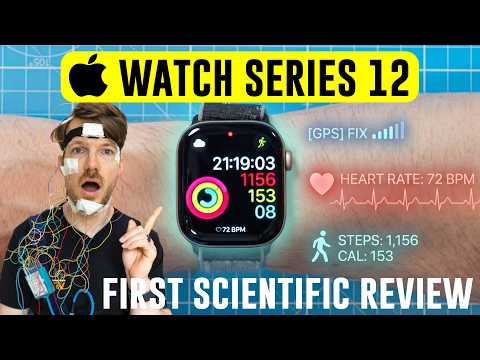
Apple Watch Series 12 - First Scientific Test!
0
adel.t004 posted on 2026/09/23Curious about the accuracy of the new Apple Watch Series 12? This video dives into a scientific test comparing its heart rate sensor against an ECG chest strap during various exercises like cycling, running, and weightlifting. You'll also see how it performs in step counting and GPS tracking, picking up useful vocabulary for discussing tech performance along the way!
Learn this video on the APP!
The VoiceTube App has more in-depth practice for videos!