
around the world
US /əˈraʊnd ði wɜrld/
UK /əˈraund ðə wɜː(r)ld/
- Phrase
- In or to many countries.
- In various places throughout the world.
A2Moreat the wheel
US /æt ði hwil/
UK /æt ðə hwi:l/
- Phrase
- In control of driving a vehicle.
- In a position of control or responsibility.
A1Moreattention
US /əˈtɛnʃən/
UK /əˈtenʃn/
- Noun (Countable/Uncountable)
- Taking notice of someone or something
- Noun
- (Soldiers) Standing with straight backs
A2TOEICMorebodily
US /ˈbɑdli/
UK /'bɒdɪlɪ/
- Adverb
- By moving the whole of something
- Physically, as when lifting someone
B1Morecall for
US /kɔl fɔr/
UK /kɔ:l fɔ:/
- Phrasal Verb
- To demand, need or require (an action or thing)
- To come to someone's house to take them somewhere
A1Morecause
US /kɔz/
UK /kɔ:z/
- Noun
- Belief, goal or organization that people support
- Reason for
- Transitive Verb
- To make something happen; create effect or result
A2Moreconcern
US /kənˈsɚn/
UK /kənˈsɜ:n/
- Verb (Transitive/Intransitive)
- To be about a particular topic
- To have a direct impact on someone
- Noun (Countable/Uncountable)
- Company, firm or business
- Feeling of worry or anxiety
A2TOEICMoredatum
US /ˈdetəm, ˈdætəm, ˈdɑtəm/
UK /ˈdeɪtəm/
- Noun
- Item of factual information
B1Morediagnosis
US /ˌdaɪəgˈnoʊsɪs/
UK /ˌdaɪəgˈnəʊsɪs/
- Noun (plural)
- Judgments by a doctor about a person's illness
- Noun
- The identification of a disease or condition.
B1Moredisease
US /dɪˈziz/
UK /dɪˈzi:z/
- Noun (Countable/Uncountable)
- Illness that affects a person, animal, or plant
- A disorder of structure or function in a plant, especially one caused by a pathogen.
- Transitive Verb
- To affect with disease; to corrupt or sicken.
A2TOEICMoredue to
US /du tu/
UK /dju: tu:/
- Preposition
- Because of; owing to
- Adjective
- Attributable to; caused by.
A1Moreefficacy
US /ˈɛfɪkəsi/
UK /ˈefɪkəsi/
- Uncountable Noun
- Ability to produce a desired outcome
B2TOEICMoreexpert
US /ˈɛkˌspɚt/
UK /'ekspɜ:t/
- Countable Noun
- Skillful person with special knowledge
- Adjective
- Having special knowledge or skill
A2TOEICMorefamiliar
US /fəˈmɪljɚ/
UK /fəˈmɪliə(r)/
- Adjective
- Well-known or easily recognized
- Having a good knowledge of something.
- Noun
- A close friend or associate.
- (In folklore) a spirit, often in animal form, believed to attend and serve a witch.
A2TOEICMorefatality
US /feˈtælɪti, fə-/
UK /fə'tælətɪ/
- Noun
- Death resulting from an accident or a disaster
B1Morefor instance
US /fɔr ˈɪnstəns/
UK /fɔ: ˈinstəns/
- Adverb
- As an example.
- Phrase
- As an example.
- As an illustration or case in point
B1Moregear
US /ɡɪr/
UK /ɡɪə(r)/
- Verb (Transitive/Intransitive)
- To aim at or prepare yourself for something
- Noun (Countable/Uncountable)
- A speed selector connected to an engine
- Special clothes you use for a purpose
B1Moregenerally
US /ˈdʒɛnərəli/
UK /ˈdʒenrəli/
- Adverb
- Usually; as a rule; by, to or for most people
A2Moregoing on
US /ˈɡoɪŋ ɑn/
UK /ˈgəʊɪŋ ɔn/
- Phrasal Verb
- To continue doing something
- To happen (usually negative)
A1Morehear of
US /hɪr ʌv/
UK /hiə ɔv/
- Phrasal Verb
- To know about someone or something because you have been told about them
A1Morein fact
US /ɪn fækt/
UK /in fækt/
- Adverb
- Used to emphasize the truth of a statement, especially one that contrasts with or contradicts something else.
- Used to introduce a more detailed or surprising piece of information.
- Phrase
- Used to emphasize the truth of a statement, especially one that is surprising or contrary to what might be expected.
C1Morein parallel
US /ɪn ˈpærəˌlɛl/
UK /in ˈpærəlel/
- Adverb
- Done at the same time; simultaneously.
- Adjective
- Relating to a system where multiple operations are carried out simultaneously, especially in computing.
C2Morein particular
US /ɪn pɚˈtɪkjəlɚ/
UK /in pəˈtikjulə/
- Phrase
- Specifically; especially.
- Detailed or precise.
A1Morein the field
US
UK
- Phrase
- Working or doing research in a real-world environment, not in a classroom or laboratory.
- Located on the playing area of a sports ground.
A1Morein the past
US
UK
- Phrase
- During a former period of time; previously.
A1Morein time
US /ɪn taɪm/
UK /in taim/
- Adverb
- Eventually; after a period of time.
- Not late; with enough time to spare.
- Phrase
- Eventually; before it is too late.
- According to the scheduled time; punctual.
A1Moreinitial
US /ɪˈnɪʃəl/
UK /ɪ'nɪʃl/
- Noun
- First letter of your given name
- The beginning or commencement of something.
- Transitive Verb
- To authorize something by writing your initials
- To mark or sign with one's initials.
A2TOEICMoreknow about
US /noʊ əˈbaʊt/
UK /nəʊ əˈbaut/
- Phrasal Verb
- To have information or understanding of a subject or situation.
laboratory
US /ˈlæbrəˌtɔri, -ˌtori/
UK /lə'bɒrətrɪ/
- Noun (Countable/Uncountable)
- A place to do scientific experiments
- A place where tests are done for medical diagnosis.
B1Morelateral
US /ˈlætərəl/
UK /'lætərəl/
- Adjective
- On the side; moving sideways
B2Morelion
US /ˈlaɪən/
UK /ˈlaɪən/
- Noun (Countable/Uncountable)
- Large wild cats from Africa and south Asia
B1Morelook at
US /lʊk æt/
UK /luk æt/
- Phrasal Verb
- To use your eyes to focus on something
- To focus your eyes on something carefully
A1Morelook for
US /lʊk fɔr/
UK /luk fɔ:/
- Phrasal Verb
- To try to find a thing or person that is lost
- To expect or anticipate something.
A1Moremorbidity
US /mɔ:'bɪdətɪ/
UK /mɔ:'bɪdətɪ/
- Uncountable Noun
- Relative incidence of a particular disease
B2Moreneighbor
US /ˈnebɚ/
UK /'neɪbə/
- Noun (Countable/Uncountable)
- Person who lives, or is near, you
- A country or area next to another.
- Adjective
- Situated near or next to something.
B1Moreobvious
US /ˈɑbviəs/
UK /ˈɒbviəs/
- Adjective
- Easily understood and clear; plain to see
- Easy to see or notice.
A2TOEICMoreof course
US /ʌv kɔː(r)s/
UK /ɔv kɔː(r)s/
- Adverb
- Sure ; Certainly
- Phrase
- For sure; certainly
A2Moreoutbreak
US /ˈaʊtˌbrek/
UK /ˈaʊtbreɪk/
- Noun (Countable/Uncountable)
- Sudden occurrence of illness, discontent etc.
- A sudden occurrence of something unwelcome, such as war or disease.
B2Moreparallel
US /ˈpærəˌlɛl/
UK /'pærəlel/
- Verb (Transitive/Intransitive)
- To be equal to, or like, something else
- To compare
- Noun (Countable/Uncountable)
- A line on a map a set distance from the equator
- A similarity; a comparison.
B1Morepose
US /poʊz/
UK /pəʊz/
- Verb (Transitive/Intransitive)
- To be or exist as (a problem, threat etc.)
- To suggest an idea, question or solution
- Noun
- False behavior to gain respect or liking
B1TOEICMorepressure
US /ˈprɛʃɚ/
UK /'preʃə(r)/
- Noun (Countable/Uncountable)
- Anxiety caused by difficult problems
- Force, weight when pressing against a thing
- Transitive Verb
- To apply force to something
- To persuade or force someone to do something
A2TOEICMoreproper
US /ˈprɑpɚ/
UK /'prɒpə(r)/
- Adjective
- Correct according to social or moral rules
- Behaving in a polite and socially acceptable way.
A2TOEICMoreprovision
US /prəˈvɪʒən/
UK /prəˈvɪʒn/
- Noun
- Clause in a legal document
- A supply of food and other things that are needed.
B1TOEICMorerealistic
US /ˌriəˈlɪstɪk/
UK /ˌri:əˈlɪstɪk/
- Adjective
- Looks or appears real; like things really are
- Having or showing a practical awareness of things as they are
A2Morescale
US /skel/
UK /skeɪl/
- Noun (Countable/Uncountable)
- Size, level, or amount when compared
- Small hard plates that cover the body of fish
- Verb (Transitive/Intransitive)
- To change the size of but keep the proportions
- To climb something large (e.g. a mountain)
A2TOEICMoreset up
US /sɛt ʌp/
UK /set ʌp/
- Phrasal Verb
- To make arrangements for something; establish
- Verb (Transitive/Intransitive)
- To arrange or prepare something for use.
- To start a business, organization, etc.
A1Morespread
US /sprɛd/
UK /spred/
- Noun (Countable/Uncountable)
- A big meal, often laid out as a buffet
- The distance between two things
- Verb (Transitive/Intransitive)
- To place over a large area; to cover a large area
- (Of ideas, gossip) to pass to and affect others
A2TOEICMorestrain
US /stren/
UK /streɪn/
- Transitive Verb
- To remove the water from (food) using a colander
- To injure a muscle, leg etc. by using it too much
- Noun (Countable/Uncountable)
- Injury to a muscle, leg etc. through overuse
- Type or variation of a disease or bacillus
B2Moresuspect
US /səˈspɛkt/
UK /sə'spekt/
- Noun
- Person thought to have committed a crime
- Transitive Verb
- To consider someone is the one guilty of a crime
- To doubt or lack trust
A2TOEICMorethe lion's share
US /ðə ˈlaɪənz ʃer/
UK /ðə ˈlaɪənz ʃeə/
- other
- The largest or greatest part of something.
B2Morethink about
US /θɪŋk əˈbaʊt/
UK /θiŋk əˈbaut/
- Phrasal Verb
- To consider something carefully.
- To remember or call to mind.
A1Moretimeframe
US /taɪmfreɪm/
UK /taɪmfreɪm/
- Noun
- Expected beginning and end of a period
C2Moreto death
US /tu dɛθ/
UK /tu: deθ/
- Phrase
- Extremely; to a great degree
- Until death
B1Moretransmission
US /trænsˈmɪʃən, trænz-/
UK /trænsˈmɪʃn/
- Noun
- Part of car including gears affecting speed of car
- Electronic signal sent by radio waves; broadcast
B1Moreunder control
US /ˈʌndɚ kənˈtrol/
UK /ˈʌndə kənˈtrəul/
- Adjective
- Being managed or restrained; not out of hand.
- Having one's emotions or impulses restrained.
- Phrase
- A situation that is being managed effectively.
C1Morevaccine
US /vækˈsin,ˈvækˌsin/
UK /'væksi:n/
- Noun (Countable/Uncountable)
- Shot using weak disease cells to stop same disease
- A preparation of weakened or killed microorganisms, or of antigenic proteins derived from them, used to induce protective immunity in animals.
B2Morevirus
US /ˈvaɪrəs/
UK /'vaɪrəs/
- Noun
- File secretly put on computers to cause harm
- Living organism that causes disease or sickness
B1More
Vocabulary
- of course: Sure ; Certainly
- under control: Being managed or restrained; not out of hand.
- set up
- in the past: During a former period of time; previously.
- know about: To have information or understanding of a subject or situation.
- look at: To use your eyes to focus on something
- going on: To continue doing something
- in particular: Specifically; especially.
- due to: Because of; owing to
- for instance: As an example.
- think about: To consider something carefully.
- in the field: Working or doing research in a real-world environment, not in a classroom or laboratory.
- to death: Extremely; to a great degree
- hear of: To know about someone or something because you have been told about them
- in fact: Used to emphasize the truth of a statement, especially one that contrasts with or contradicts something else.
- in parallel: Done at the same time; simultaneously.
- at the wheel: In control of driving a vehicle.
- the lion's share: The largest or greatest part of something.
- look for: To try to find a thing or person that is lost
- around the world: In or to many countries.
- call for: To demand, need or require (an action or thing)
- in time: Eventually; after a period of time.
- obvious: Easily understood and clear; plain to see
- scale: Size, level, or amount when compared
- effective: Working efficiently to produce a desired result
- common: Area in a city or town that is open to everyone
- general: Widespread, normal or usual
- develop: To explain something in steps and in detail
- familiar: Well-known or easily recognized
- strain: To remove the water from (food) using a colander
- disease: Illness that affects a person, animal, or plant
- spread: A big meal, often laid out as a buffet
- proper: Correct according to social or moral rules
- pressure: Anxiety caused by difficult problems
- increase: To make or become larger in size or amount
- bit: Device put in a horse's mouth to control it
- initial: First letter of your given name
- exist: To be present, alive or real
- realistic: Looks or appears real; like things really are
- expert: Skillful person with special knowledge
- concern: To be about a particular topic
- suspect: Person thought to have committed a crime
- gear: To aim at or prepare yourself for something
- generally: Usually; as a rule; by, to or for most people
- cause: Belief, goal or organization that people support
- attention: Taking notice of someone or something
- parallel: To be equal to, or like, something else
- vaccine: Shot using weak disease cells to stop same disease
- reason: To think and make conclusions in a logical manner
- fair: Neither very good nor very bad; average
- rate: To assess something or consider its qualities
- outbreak: Sudden occurrence of illness, discontent etc.
- totally: In a complete way; completely; absolutely
- kind: In a caring and helpful manner
- diagnosis: Judgments by a doctor about a person's illness
- control: A device designed to operate a machine
- fact: Something that is known or proved to be true
- chance: The way something happens without planning
- laboratory: A place to do scientific experiments
- virus: File secretly put on computers to cause harm
- fatality: Death resulting from an accident or a disaster
- pose: To be or exist as (a problem, threat etc.)
- transmission: Part of car including gears affecting speed of car
- efficacy: Ability to produce a desired outcome
- provision: Clause in a legal document
- datum: Item of factual information
- lateral: On the side; moving sideways
- neighbor: Person who lives, or is near, you
- bodily: By moving the whole of something
- timeframe: Expected beginning and end of a period
- morbidity: Relative incidence of a particular disease
- lion: Large wild cats from Africa and south Asia
Get the full experience in the app
Learn anywhere with detailed sentence and usage analysis
01:03
She took a brave step forward, leaving behind her comfort zone to chase her dreams.
Vocabulary
- brave
adj. Having courage
- comfort zone
phr. A familiar situation where one feels safe
Explanation
a brave step is a noun phrase, where brave is an adjective modifying the noun step, meaning "a courageous step".
forward is an adverb modifying step, meaning "ahead".
The whole phrase serves as the object, answering the "what" of took (verb) — she took a brave step forward.
Get the full experience in the app
Look up words anytime with pronunciation, part of speech, and usage
brave
US/brev/
UK/breɪv/
adj.Brave
v.t.To bravely face
A2 Elementary
Get the full experience in the app
Practice speaking anytime and get instant pronunciation feedback
Try this speaking exercise.
Try practicing with this sentence.
80
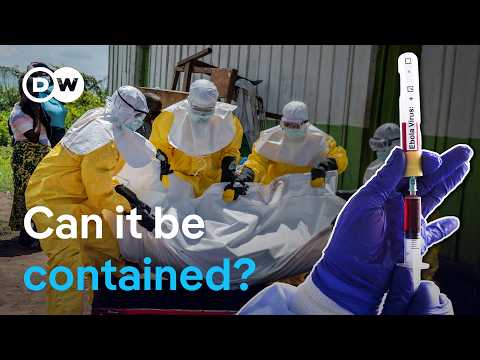
What makes this Ebola outbreak different | DW News
0
zdzeng2000 posted on 2026/09/21Wondering what makes the current Ebola outbreak so different and concerning? This video dives into the unique strain of the virus, why current vaccines might not be effective, and the realistic timeline for developing new ones. You'll also pick up key vocabulary related to infectious diseases and outbreak containment.
Learn this video on the APP!
The VoiceTube App has more in-depth practice for videos!