
absolutely
US /ˈæbsəˌlutli, ˌæbsəˈlutli/
UK /ˈæbsəlu:tli/
- Adverb
- Completely; totally; very
- Considered independently and without relation to other things; viewed abstractly; as, quantity absolutely considered.
A2Moreaccess
US /ˈæksɛs/
UK /'ækses/
- Noun (Countable/Uncountable)
- Way to enter a place, e.g. a station or stadium
- The opportunity or right to use something or to see someone.
- Transitive Verb
- To be able to use or have permission to use
A2TOEICMoreacross the board
US
UK
- Phrase
- Broad in scope or content
- Adverb
- Applying to all; comprehensive; universal.
- Involving all sectors, categories, or items.
A1Moreany sort of
US
UK
- Determiner
- Any kind of; any type of
- Phrase
- Somewhat; to some extent
A2Moreas a whole
US /æz e hol/
UK /æz ə həul/
- Phrase
- Considering everything together; in general.
- Complete; not divided or incomplete.
- Adjective
- Complete; not divided or fragmented.
A1Moreas opposed to
US
UK
- Preposition
- In contrast to; rather than.
- Instead of; in place of.
A1Moreas well as
US /æz wɛl æz/
UK /æz wel æz/
- Adverb
- Also; in addition to
- Preposition
- In addition to; and also.
A1Moreat least
US /æt list/
UK /æt li:st/
- Adverb
- As a minimum
- Not less than
- Phrase
- No less than; at the minimum
- Used to indicate that something is positive in a bad situation.
C2Moreat once
US /æt wʌns/
UK /æt wʌns/
- Adverb
- Immediately; without delay
- At the same time; simultaneously
A2Moreat risk
US
UK
- Phrase
- In danger; likely to be harmed
at the same time
US
UK
- Phrase
- Simultaneously; at the identical moment.
- Nevertheless; however; used to introduce a contrasting or qualifying statement.
A1Moreback in the day
US
UK
- Phrase
- In the past; in former times.
- Referring to a past time, often with a sense of nostalgia or fondness.
A1Morebad words
US
UK
- Noun (plural)
- Offensive or taboo words; swear words.
A1Morebasically
US /ˈbesɪkəli,-kli/
UK /ˈbeɪsɪkli/
- Adverb
- Used before you explain something simply, clearly
- In essence; when you consider the most important aspects of something.
A2Moreblue collar
US /blu ˈkɑlɚ/
UK /blu: ˈkɔlə/
- Adjective
- Relating to manual work or workers, especially in industry.
A1Morebring to
US /brɪŋ tu/
UK /briŋ tu:/
- Phrasal Verb
- To make someone to wake up from being unconscious
A1Morebring together
US /brɪŋ təˈɡɛðɚ/
UK /briŋ təˈɡeðə/
- Phrasal Verb
- To cause people to be friendly or to work well with each other.
- To combine or unite different things, ideas, or elements.
A1Morebroadly
US /ˈbrɔdlɪ/
UK /ˈbrɔ:dli/
- Adverb
- In a general (not detailed) manner
B1Moreby default
US /baɪ dɪˈfɔlt/
UK /bai diˈfɔ:lt/
- Adverb
- Automatically, unless the user specifies otherwise.
- Because of a lack of any other action or choice.
capability
US /ˌkeɪpə'bɪləti/
UK /ˌkeɪpəˈbɪləti/
- Noun (Countable/Uncountable)
- Means, ability, or potential to do something
- The potential or capacity for future development or achievement.
B1Morecapable
US /ˈkepəbəl/
UK /'keɪpəbl/
- Adjective
- Being able to do something very well; proficient
- Having the ability, fitness, or quality necessary to do or achieve a specified thing.
A2Morecare of
US /kɛr ʌv/
UK /kɛə ɔv/
- Preposition
- Used in an address to indicate the person who will receive the mail for someone else.
A2Morecheck out
US /tʃɛk aʊt/
UK /tʃek aut/
- Phrase
- Phrasal Verb
- To find out information about something
- To take books out of a library
A1Morecore
US /kɔr, kor/
UK /kɔ:(r)/
- Transitive Verb
- To take out the central section of a fruit
- Noun (Countable/Uncountable)
- Important central part of something
- The hard central part of certain fruits, containing the seeds.
A2Morecritical
US /ˈkrɪtɪkəl/
UK /ˈkrɪtɪkl/
- Adjective
- Making a negative judgment of something
- Being important or serious; vital; dangerous
A2Morecritical to
US
UK
- Adjective
- Extremely important or essential.
- Of decisive importance with reference to the outcome of something; vital.
B2Moredatum
US /ˈdetəm, ˈdætəm, ˈdɑtəm/
UK /ˈdeɪtəm/
- Noun
- Item of factual information
B1Moredefender
US /dɪˈfɛndɚ/
UK /dɪˈfendə(r)/
- Countable Noun
- Fighter who fights against attack
B1Moreeffort
US /ˈɛfət/
UK /ˈefət/
- Uncountable Noun
- Amount of work used trying to do something
- A conscious exertion of power; a try.
A2TOEICMorefeel like
US
UK
- Intransitive Verb
- To have a desire or inclination for something.
- To have a particular quality or sensation; resemble.
A1Morefigure out
US /ˈfɪɡjɚ aʊt/
UK /ˈfiɡə aut/
- Phrasal Verb
- To understand the behavior of someone
- To think through logically to find a solution
- Verb (Transitive/Intransitive)
- To understand or find an answer to something.
- To find a solution to a problem or understand something.
A1Morefit into
US /fɪt ˈɪntu/
UK /fit ˈɪntuː/
- Phrasal Verb
- To be small enough to go inside something.
- To feel like you belong to a group.
A2Morefor example
US
UK
- Phrase
- As an illustration or instance.
for myself
US /fɚ maɪˈsɛlf/
UK /fə maɪˈself/
- other
- Done for one's own benefit or use.
A1Morefor now
US /fɔr naʊ/
UK /fɔ: nau/
- Phrase
- Temporarily; for the present time.
- In the short term; for the immediate future.
A1Morefor the world
US /fɚ ðə wɝld/
UK /fə ðə wɜ:ld/
- other
- Used to emphasize something would never happen.
B2Morefrontier
US /frʌnˈtɪr, frɑn-, ˈfrʌnˌtɪr, ˈfrɑn-/
UK /'frʌntɪə(r)/
- Noun
- Border crossing between countries
- Most advanced point of development or research
B1TOEICMoreget across
US /ɡɛt əˈkrɔs/
UK /ɡet əˈkrɔs/
- Phrasal Verb
- To communicate (something) clearly and effectively.
A1Moreget out of
US /ɡɛt aʊt ʌv/
UK /ɡet aut ɔv/
- Phrasal Verb
- To leave or escape responsibilities, troubles
- To leave a small, enclosed vehicle
A1Morego away
US /ɡo əˈwe/
UK /ɡəu əˈwei/
- Phrasal Verb
- To go on vacation
- To leave; depart.
A1Morego back to
US /ɡo bæk tu/
UK /ɡəu bæk tu:/
- Phrasal Verb
- To return to a starting point
A1Morego hand in hand
US /goʊ hænd ɪn hænd/
UK /gəu ˈhænd ɪn ˈhænd/
- other
- Two things closely related or connected, usually occurring together.
B1Moregot to
US /ɡɑt tu/
UK /gɔt tu:/
- Verb (Transitive/Intransitive)
- To arrive at some place
- To have the opportunity or permission to do something
- Phrasal Verb
- To appeal to the emotions of; move
- To finally begin to start something after a delay
A1Moregrapple with
US
UK
- Phrasal Verb
- To struggle or deal with something difficult.
- To engage in a physical struggle or fight.
have to
US /hæv tu/
UK /ˈhæv tə/
- Auxiliary Verb
- Must do
A1Morehead out
US /hɛd aʊt/
UK /hed aut/
- Phrasal Verb
- To leave a place; depart
A1Morehit on
US /hɪt ɑn/
UK /hit ɔn/
- Phrasal Verb
- To discover an idea, etc. by chance
- To flirt with someone; to make a pass at someone.
A1Morehug
US /hʌɡ/
UK /hʌɡ/
- Transitive Verb
- To hold someone in your arms as sign of affection
- To keep very close to something
B1Morehuge
US /hjudʒ/
UK /hju:dʒ/
- Adjective
- Very very large
A2Morehuge deal
US
UK
- Noun
- Something very important or significant.
- An event or situation that has a major impact.
B1Morein areas
US
UK
- Phrase
- Located or occurring within specific regions or locations.
- Relating to specific fields, subjects, or disciplines.
A1Morein business
US /ɪn ˈbɪznɪs/
UK /in ˈbiznis/
- Phrase
- Actively operating as a commercial enterprise.
- Having a commercial partnership or association.
A1Morein concert
US /ɪn ˈkɑnˌsɚt/
UK /in ˈkɔnsət/
- Adverb
- Together in cooperation or agreement.
- Phrase
- Performing a live musical performance.
A2Morein hand
US /ɪn hænd/
UK /in hænd/
- Phrase
- In one's possession or control.
in light of
US /ɪn laɪt ʌv/
UK /in lait ɔv/
- Phrase
- Because of; considering
- Preposition
- Considering; taking into account
- Because of; as a result of
A1Morein mind
US /ɪn maɪnd/
UK /in maind/
- Phrase
- Being aware of or considering something.
- To remember or consider something.
A2Morein order to
US /ɪn ˈɔrdɚ tu/
UK /in ˈɔ:də tu:/
- Preposition
- For the purpose of; with the aim of.
- Phrase
- In a specific sequence or arrangement.
- With the aim of; for the purpose of.
C1Morein parallel
US /ɪn ˈpærəˌlɛl/
UK /in ˈpærəlel/
- Adverb
- Done at the same time; simultaneously.
- Adjective
- Relating to a system where multiple operations are carried out simultaneously, especially in computing.
C2Morein terms of
US
UK
- Phrase
- With regard to; concerning a particular aspect.
A1Morein the field
US
UK
- Phrase
- Working or doing research in a real-world environment, not in a classroom or laboratory.
- Located on the playing area of a sports ground.
A1Morein the future
US /ɪn ði ˈfjutʃɚ/
UK /in ðə ˈfju:tʃə/
- Phrase
- At a later time; in times to come.
A1Morein the hands of
US /ɪn ðə ˈhændz ʌv/
UK /in ðə ˈhændz ɔv/
- Preposition
- Under the control or responsibility of someone.
B1Morein the hospital
US /ɪn ðə ˈhɑspɪtəl/
UK /in ðə ˈhɒspɪtəl/
- Preposition
- Located inside a hospital receiving medical care.
A1Morein the weeds
US /ɪn ðə widz/
UK /ɪn ðə wi:dz/
- other
- Overwhelmed by complexity or amount of work.
B2Morein the world
US /ɪn ði wɜrld/
UK /in ðə wɜː(r)ld/
- Phrase
- Used to emphasize a question expressing surprise, confusion, disbelief
- Used to indicate the extent or degree of something, often in a superlative sense
A1Morein time
US /ɪn taɪm/
UK /in taim/
- Adverb
- Eventually; after a period of time.
- Not late; with enough time to spare.
- Phrase
- Eventually; before it is too late.
- According to the scheduled time; punctual.
A1Morein with
US /ɪn wɪð/
UK /in wið/
- Phrase
- Fashionable or popular at the moment.
- Having influence or favor with someone.
- Phrasal Verb
- To introduce or bring something new into a system or organization.
A1Moreincredibly important
US
UK
- Adjective
- Extremely significant or crucial.
A1Moreinfrastructure
US /ˈɪnfrəˌstrʌktʃɚ/
UK /'ɪnfrəstrʌktʃə(r)/
- Uncountable Noun
- Basic necessary equipment for a country or region
- The underlying framework or system of an organization.
B1Morejump out
US /dʒʌmp aʊt/
UK /dʒʌmp aut/
- Phrasal Verb
- To suddenly appear or move forward, often to surprise someone.
- To be very obvious or easily noticeable.
A2Morejust kind of
US
UK
- Phrase
- Used to express a feeling or state in a vague or hesitant way.
- Used to indicate something is approximately or generally similar to something else.
A2Moreknow about
US /noʊ əˈbaʊt/
UK /nəʊ əˈbaut/
- Phrasal Verb
- To have information or understanding of a subject or situation.
lean into
US
UK
- Phrasal Verb
- To bend or move your body closer to something, often for support or to get a better view.
- To embrace or fully engage with something, especially something difficult or challenging.
B2Morelook at
US /lʊk æt/
UK /luk æt/
- Phrasal Verb
- To use your eyes to focus on something
- To focus your eyes on something carefully
A1Morelook for
US /lʊk fɔr/
UK /luk fɔ:/
- Phrasal Verb
- To try to find a thing or person that is lost
- To expect or anticipate something.
A1Morelook over
US
UK
- Phrasal Verb
- To check something to see it works well; inspect
- To examine or inspect something quickly.
A1Morelook to
US
UK
- Phrasal Verb
- Be looking to. be planning to (do something)
- To expect someone to do something for you; rely on
A1Moreloop
US /lup/
UK /lu:p/
- Noun (Countable/Uncountable)
- A circle or curved shape, as when you tie a lace
- A circle of rope or string to put around something
- Transitive Verb
- To put a circle of rope around something
B2TOEICMoremission
US /ˈmɪʃən/
UK /'mɪʃn/
- Noun (Countable/Uncountable)
- A task or role someone is given to do
- Special assignment given to a person or group
B1TOEICMoremove to
US /muv tu/
UK /mu:v tu:/
- Phrasal Verb
- To change the place where you live or work.
- Verb (Transitive/Intransitive)
- To proceed to the next stage or action.
A2Moremuch about
US /mʌtʃ əˈbaʊt/
UK /mʌtʃ əˈbaut/
- Phrase
- A lot of information or knowledge concerning something.
- To a great extent or degree regarding something; caring.
A1Moreof course
US /ʌv kɔː(r)s/
UK /ɔv kɔː(r)s/
- Adverb
- Sure ; Certainly
- Phrase
- For sure; certainly
A2Moreof itself
US /ʌv ɪtˈself/
UK /əv ɪtˈself/
- other
- Happening automatically without external cause or help.
B1Moreof use
US /ʌv jus/
UK /əv ju:s/
- other
- Having practical value; useful or helpful.
B1Moreon hold
US /ɑn hold/
UK /ɔn həuld/
- Adjective
- Temporarily delayed or suspended.
- Adverb
- Waiting to be connected on a telephone call.
A2Moreon point
US
UK
- Adjective
- Perfectly done; exactly right.
- Relevant and appropriate; pertinent.
A1Moreon the surface
US /ɑn ði ˈsɚfəs/
UK /ɔn ðə ˈsə:fis/
- Phrase
- Appearing to be true or real until examined more closely.
- Located on the outer part or uppermost layer of something.
B2Moreon the table
US /ɑn ði ˈtebəl/
UK /ɔn ðə ˈteibl/
- Phrase
- Located on the surface of a table.
- Available for consideration or discussion.
A1Moreon to
US /ɑn tu/
UK /ɔn tu:/
- Preposition
- Toward something; forward
- Aware of someone's activities.
- Adjective
- Aware of someone's deception or illegal activities.
A1Moreout there
US /aʊt ðɛr/
UK /aut ðɛə/
- Adverb
- In or to a place that is far away
- Existing in the universe
- Adjective
- Unconventional; strange; avant-garde
- Existing or available.
A1Moreover time
US /ˈovɚ taɪm/
UK /ˈəuvə taim/
- Phrase
- Gradually; as time passes.
- During a long period.
- Adverb
- Gradually; as time passes.
B1Morephase
US /fez/
UK /feɪz/
- Noun
- Different stages of the moon from new to full
- Distinct part or step in a process
- Transitive Verb
- To make happen in a gradual ordered way
A2Morepile up
US /paɪl ʌp/
UK /pail ʌp/
- Phrasal Verb
- To put things on top of each other to form a pile
- To increase in quantity or amount.
- Verb (Transitive/Intransitive)
- To accumulate or increase in quantity.
B1Moreplay out
US
UK
- Phrasal Verb
- To use up or exhaust
- To develop or happen in a particular way.
A1Morepoint in time
US
UK
- Noun
- A specific moment or instance when something occurs or exists.
- A significant juncture or stage in history or a sequence of events.
A1Morepositive
US /ˈpɑzɪtɪv/
UK /ˈpɒzətɪv/
- Adjective
- Showing agreement or support for something
- Being sure about something; knowing the truth
- Noun
- A photograph in which light areas are light and dark areas are dark
A2Moreprogress
US /ˈprɑɡˌrɛs, -rəs, ˈproˌɡrɛs/
UK /'prəʊɡres/
- Verb (Transitive/Intransitive)
- To move forward or toward a place or goal
- To make progress; develop or improve.
- Uncountable Noun
- Act of moving forward
- The process of improving or developing something over a period of time.
A2TOEICMorerely on
US /rɪˈlaɪ ɑn/
UK /riˈlai ɔn/
- Phrasal Verb
- To depend on someone or something
A2Moreresearch
US /rɪˈsɚtʃ, ˈriˌsɚtʃ/
UK /rɪ'sɜ:tʃ/
- Verb (Transitive/Intransitive)
- To study in order to discover new ideas and facts
- To study the market relating to marketing products and services.
- Noun (Countable/Uncountable)
- Study done to discover new ideas and facts
- A particular area or topic of study.
A2TOEICMoresame time
US
UK
- Phrase
- Occurring simultaneously or at the same point in time.
- At the identical time as before; recurring at a fixed hour.
- Noun
- An equal duration or period.
A1Morescale up
US //skeɪl ʌp//
UK
- Phrasal Verb
- To increase in size, number, or extent.
A1Moresecure
US /sɪˈkjʊr/
UK /sɪ'kjʊə(r)/
- Transitive Verb
- To get or achieve something with certainty
- To firmly attach something to something else
- Adjective
- Being attached to something tightly and surely
- (Place that is) locked, guarded and safe
A2TOEICMoresecurity
US /sɪˈkjʊrɪti/sə'kjurətɪ/
UK /sɪ'kjʊərətɪ/
- Noun
- Department in a company in charge of protection
- Financial document, like stocks, bonds and notes
A2TOEICMoreset aside
US
UK
- Phrasal Verb
- To reject or throw away, e.g. an idea
- To separate and save for another use or time
- Transitive Verb
- To keep or save something for use at a later time.
- To designate or allocate something for a specific purpose or group.
A1Moreset up
US /sɛt ʌp/
UK /set ʌp/
- Phrasal Verb
- To make arrangements for something; establish
- Verb (Transitive/Intransitive)
- To arrange or prepare something for use.
- To start a business, organization, etc.
A1Moresignificant
US /sɪɡˈnɪfɪkənt/
UK /sɪgˈnɪfɪkənt/
- Adjective
- Large enough to be noticed or have an effect
- Having meaning; important; noticeable
A2TOEICMorestep back
US /stɛp bæk/
UK /step bæk/
- Phrasal Verb
- To move backwards; to move away from something.
- To take a break from something; to gain perspective.
A1Morestuff
US /stʌf/
UK /stʌf/
- Uncountable Noun
- Generic description for things, materials, objects
- Transitive Verb
- To push material inside something, with force
B1Moresuch as
US /sʌtʃ æz/
UK /sʌtʃ æz/
- Preposition
- For example; like
A1Moretable stakes
US
UK
- Noun
- A rule in poker and other games that a player can only bet the amount of money or chips that they had on the table at the start of a hand.
- The minimum requirements to participate in a particular market or industry.
A1Moretake away from
US /tek əˈwe frʌm/
UK /teik əˈwei frɔm/
- Phrasal Verb
- To reduce the positive effect or value of something.
- To remove or detract from a particular quality or fact.
A1Moretalk about it
US /tɔk əˈbaʊt ɪt/
UK /tɔ:k əˈbaut it/
- Verb (Transitive/Intransitive)
- To discuss a particular subject.
A1Moretalking about
US
UK
- Phrasal Verb
- To discuss a particular topic.
- To be constantly mentioning or bringing up a subject.
A1Morethink about
US /θɪŋk əˈbaʊt/
UK /θiŋk əˈbaut/
- Phrasal Verb
- To consider something carefully.
- To remember or call to mind.
A1Morethink on
US
UK
- Phrasal Verb
- To consider something carefully before making a decision.
A1Moreto do with
US
UK
- Phrasal Verb
- To be about something; concern
A1Moreto scale
US
UK
- Phrase
- In proportion; maintaining accurate relative dimensions.
- Verb (Transitive/Intransitive)
- To increase or expand proportionally.
- To climb or ascend.
B2Moreto that end
US
UK
- Phrase
- In order to achieve that aim or purpose.
A1Moretrickle down
US /ˈtrɪkəl daʊn/
UK /ˈtrikl daun/
- Intransitive Verb
- To gradually spread or filter through from top to bottom, especially in economics, referring to the belief that tax cuts or other benefits for the wealthy will ultimately benefit the poor and middle class.
A1Moreturned out
US
UK
- Phrasal Verb
- To arrive for a public event or entertainment
- To happen to be in the end
- Transitive Verb
- To extinguish or switch off lights.
A1Morewaste water
US /west ˈwɔtɚ/
UK /weist ˈwɔ:tə/
- Uncountable Noun
- Water that has been used and contaminated by human activities, such as sewage or industrial effluent.
A1Morewith it
US /wɪð ɪt/
UK /wið it/
- Adjective
- Intelligent, alert, and up-to-date.
- Understanding and knowledgeable about current trends or information.
A1Morewithout me
US
UK
- Phrase
- Not including me; excluding me.
A2Morewrite off
US /raɪt ɔf/
UK /rait ɔf/
- Phrasal Verb
- To cancel a debt; to recognize as a loss.
- To reduce or eliminate the book value of an asset.
A1More
Vocabulary
- think about: To consider something carefully.
- have to: Must do
- feel like: To have a desire or inclination for something.
- in terms of
- as opposed to: In contrast to; rather than.
- for example: As an illustration or instance.
- of course: Sure ; Certainly
- look at: To use your eyes to focus on something
- talking about: To discuss a particular topic.
- in order to: For the purpose of; with the aim of.
- figure out: To understand the behavior of someone
- go back to: To return to a starting point
- scale up: To increase in size, number, or extent.
- to scale: In proportion; maintaining accurate relative dimensions.
- bad words: Offensive or taboo words; swear words.
- such as: For example; like
- by default: Automatically, unless the user specifies otherwise.
- know about: To have information or understanding of a subject or situation.
- with it: Intelligent, alert, and up-to-date.
- at once: Immediately; without delay
- at least: As a minimum
- lean into: To bend or move your body closer to something, often for support or to get a better view.
- rely on: To depend on someone or something
- in mind: Being aware of or considering something.
- just kind of: Used to express a feeling or state in a vague or hesitant way.
- step back: To move backwards; to move away from something.
- on point: Perfectly done; exactly right.
- move to: To change the place where you live or work.
- in the field: Working or doing research in a real-world environment, not in a classroom or laboratory.
- trickle down: To gradually spread or filter through from top to bottom, especially in economics, referring to the belief that tax cuts or other benefits for the wealthy will ultimately benefit the poor and middle class.
- as a whole: Considering everything together; in general.
- look to: Be looking to. be planning to (do something)
- in the hands of: Under the control or responsibility of someone.
- for the world: Used to emphasize something would never happen.
- write off: To cancel a debt; to recognize as a loss.
- in the future: At a later time; in times to come.
- in with: Fashionable or popular at the moment.
- get out of: To leave or escape responsibilities, troubles
- on the table: Located on the surface of a table.
- on hold: Temporarily delayed or suspended.
- get across: To communicate (something) clearly and effectively.
- take away from: To reduce the positive effect or value of something.
- in the world: Used to emphasize a question expressing surprise, confusion, disbelief
- look over: To check something to see it works well; inspect
- head out: To leave a place; depart
- to do with: To be about something; concern
- bring to: To make someone to wake up from being unconscious
- of use: Having practical value; useful or helpful.
- in light of: Because of; considering
- check out
- set up
- in business: Actively operating as a commercial enterprise.
- any sort of: Any kind of; any type of
- set aside: To reject or throw away, e.g. an idea
- on to: Toward something; forward
- play out: To use up or exhaust
- back in the day: In the past; in former times.
- at the same time: Simultaneously; at the identical moment.
- same time: Occurring simultaneously or at the same point in time.
- as well as: Also; in addition to
- much about: A lot of information or knowledge concerning something.
- to that end: In order to achieve that aim or purpose.
- huge deal: Something very important or significant.
- in the hospital: Located inside a hospital receiving medical care.
- out there: In or to a place that is far away
- blue collar: Relating to manual work or workers, especially in industry.
- waste water: Water that has been used and contaminated by human activities, such as sewage or industrial effluent.
- think on: To consider something carefully before making a decision.
- jump out: To suddenly appear or move forward, often to surprise someone.
- at risk: In danger; likely to be harmed
- incredibly important: Extremely significant or crucial.
- pile up: To put things on top of each other to form a pile
- table stakes: A rule in poker and other games that a player can only bet the amount of money or chips that they had on the table at the start of a hand.
- point in time: A specific moment or instance when something occurs or exists.
- turned out: To arrive for a public event or entertainment
- in time: Eventually; after a period of time.
- hit on: To discover an idea, etc. by chance
- across the board: Broad in scope or content
- over time: Gradually; as time passes.
- go away: To go on vacation
- in areas: Located or occurring within specific regions or locations.
- in hand: In one's possession or control.
- go hand in hand: Two things closely related or connected, usually occurring together.
- grapple with: To struggle or deal with something difficult.
- critical to: Extremely important or essential.
- look for: To try to find a thing or person that is lost
- of itself: Happening automatically without external cause or help.
- care of: Used in an address to indicate the person who will receive the mail for someone else.
- for myself: Done for one's own benefit or use.
- without me: Not including me; excluding me.
- bring together: To cause people to be friendly or to work well with each other.
- in parallel: Done at the same time; simultaneously.
- in the weeds: Overwhelmed by complexity or amount of work.
- talk about it: To discuss a particular subject.
- got to: To arrive at some place
- for now: Temporarily; for the present time.
- on the surface: Appearing to be true or real until examined more closely.
- fit into: To be small enough to go inside something.
- in concert: Together in cooperation or agreement.
- stuff: Generic description for things, materials, objects
- sort: To organize things by putting them into groups
- absolutely: Completely; totally; very
- significant: Large enough to be noticed or have an effect
- access: Way to enter a place, e.g. a station or stadium
- critical: Making a negative judgment of something
- effort: Amount of work used trying to do something
- progress: To move forward or toward a place or goal
- basically: Used before you explain something simply, clearly
- infrastructure: Basic necessary equipment for a country or region
- positive: Showing agreement or support for something
- sense: Certain mental feeling or emotion
- capable: Being able to do something very well; proficient
- research: To study in order to discover new ideas and facts
- bit: Device put in a horse's mouth to control it
- field: Area of study, such as physics or biology
- huge: Very very large
- security: Department in a company in charge of protection
- core: To take out the central section of a fruit
- secure: To get or achieve something with certainty
- pretty: Being attractive to the eye in a simple way
- shape: The outer form of something, what it looks like
- phase: Different stages of the moon from new to full
- loop: A circle or curved shape, as when you tie a lace
- text: To send a message by phone or other device
- company: Good feeling from being with someone else
- moment: Very short or brief period of time
- lot: What happens to a person in life from chance; fate
- important: Having power or authority
- single: One run in cricket or a hit baseball
- kind: In a caring and helpful manner
- learn: To get knowledge or skills by study or experience
- build: Your physical shape; physique
- mission: A task or role someone is given to do
- frontier: Border crossing between countries
- broadly: In a general (not detailed) manner
- capability: Means, ability, or potential to do something
- datum: Item of factual information
- hug: To hold someone in your arms as sign of affection
- defender: Fighter who fights against attack
Get the full experience in the app
Learn anywhere with detailed sentence and usage analysis
01:03
She took a brave step forward, leaving behind her comfort zone to chase her dreams.
Vocabulary
- brave
adj. Having courage
- comfort zone
phr. A familiar situation where one feels safe
Explanation
a brave step is a noun phrase, where brave is an adjective modifying the noun step, meaning "a courageous step".
forward is an adverb modifying step, meaning "ahead".
The whole phrase serves as the object, answering the "what" of took (verb) — she took a brave step forward.
Get the full experience in the app
Look up words anytime with pronunciation, part of speech, and usage
brave
US/brev/
UK/breɪv/
adj.Brave
v.t.To bravely face
A2 Elementary
Get the full experience in the app
Practice speaking anytime and get instant pronunciation feedback
Try this speaking exercise.
Try practicing with this sentence.
80
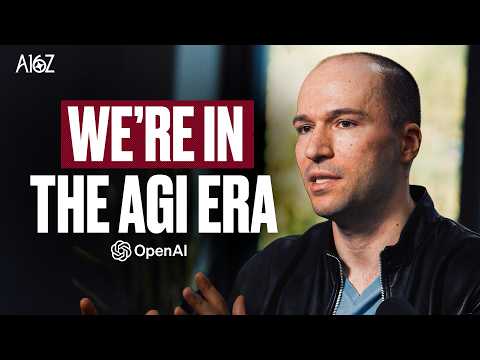
OpenAI President on What it Means to Cross Into The Age of AGI
0
林宜悉 posted on 2026/09/15Ever wonder if we've officially entered the Age of AGI? The President of OpenAI sits down to discuss the incredible breakthroughs happening right now and what it truly means to achieve Artificial General Intelligence. You'll get a fascinating look at the challenges ahead, including the crucial importance of safety and alignment, and pick up some key vocabulary for discussing the future of AI!
Learn this video on the APP!
The VoiceTube App has more in-depth practice for videos!